National reflection on Democracy Day in Nigeria is never a routine moment, it is a point where the country measures the distance between democratic promise and democratic performance. It carries the memory of struggle, the reality of governance, and the expectation that leadership must explain not just where the nation stands, but how it intends to move forward under the weight of economic pressure, security concerns, and electoral scrutiny.
The presidential address on this day naturally becomes the focal point of national attention because it sits at the intersection of public trust and institutional responsibility.
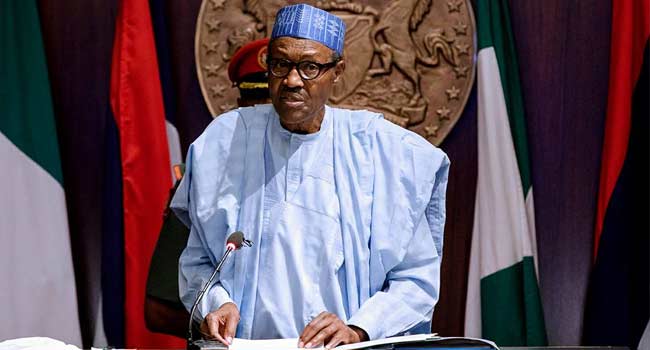
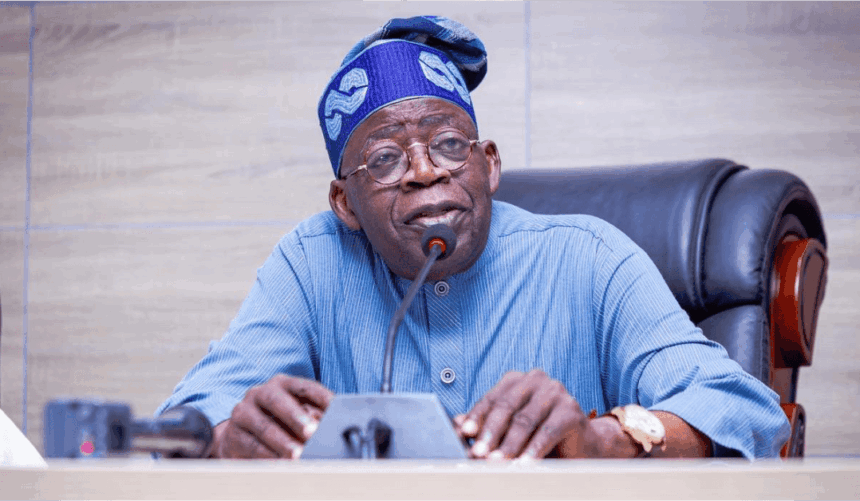
When President Bola Ahmed Tinubu addressed the nation on June 12 2026, the speech carried structured emphasis on elections, economy, and security institutions, with clear references to INEC, reform outcomes, and national unity. The message unfolded in direct language, combining historical reflection with current governance priorities, while reinforcing the responsibilities of institutions and citizens within Nigeria’s democratic framework.
In that space between memory and expectation, the address becomes a national lens for interpreting direction, accountability, and the state of democracy itself.
Electoral trust crisis, INEC pressure and fragile voter confidence
The President stated:
“In the coming days, Ekiti and Osun States will hold elections. I urge INEC, security agencies, and all parties to ensure these polls are peaceful and credible. Democracy fails when citizens doubt the process.”
This statement lands in a political environment where electoral trust remains one of the most contested national issues. Since the 2023 general elections, public debate around electoral transparency, result transmission credibility, and institutional neutrality has remained active, with many citizens still evaluating how well reforms in election technology have translated into lived trust.
The reference to peaceful and credible elections reflects an ongoing sensitivity around state elections, especially in Ekiti and Osun, which historically serve as political indicators for broader national sentiment. The emphasis on credibility also signals awareness of rising scrutiny directed at Independent National Electoral Commission, particularly regarding logistics, technology deployment, and perception management.
In practical terms, the quote reflects a government trying to stabilize electoral confidence in a period where citizens increasingly judge elections not only by voting day conduct but also by pre election fairness, security presence, and post election dispute handling.
Democracy as institutional balance under pressure
The speech continues:
“To the National Assembly, Judiciary, the Press, and Civil Society: you remain the guardrails of our democracy. Criticise me, disagree with me, but do not stop believing in Nigeria.”
This reflects a political environment where institutional trust is both essential and contested. Nigeria’s democratic system in 2026 is marked by heightened public scrutiny of executive decisions, judicial interpretations of electoral disputes, and media framing of economic hardship.
The framing of institutions as “guardrails” is significant because it acknowledges that democracy is no longer viewed as self sustaining. Instead, it requires constant correction from multiple actors including lawmakers, judges, journalists, and civic groups.
At the same time, the emotional appeal to “not stop believing in Nigeria” speaks to growing public fatigue driven by economic pressure and insecurity concerns. The government is essentially reinforcing unity while operating in a climate where public patience is uneven and often shaped by cost of living realities.
Economic reforms and the reality of inflation pressure
The President said:
“When we came into office, Nigeria faced severe fiscal challenges. We chose reform to restore stability, rebuild confidence, and secure long term growth.”
He also stated:
“Today, government revenues have improved, allowing more funds to go to states and local governments for development priorities such as infrastructure, healthcare, and education.”
These statements sit within a national economy that has undergone aggressive structural reforms since 2023, including subsidy removal, exchange rate adjustments, and fiscal restructuring. While government revenue performance is reported to have improved, the lived experience of citizens remains shaped by inflationary pressure, transportation costs, food prices, and wage constraints.
Reports around 2026 economic indicators suggest improved macro fiscal positioning, but uneven transmission of benefits to households. This creates a dual reality where state governments may receive stronger allocations, while citizens still feel cost pressures at market level.
The quote therefore reflects a classic reform tension, macro stability improving faster than micro economic relief, which remains a central debate in Nigeria’s economic cycle.
Security response, emergency posture, and national anxiety
The most direct security statement was:
“To those still engaging in violence: lay down your arms or face the full force of the Nigerian state. There will be no safe haven for criminals.”
This reflects the ongoing security environment across multiple regions in Nigeria in 2026, where issues such as kidnapping, banditry, and insurgent activity continue to shape public concern. Security operations have intensified, with increased recruitment announcements and expanded military activity reported across affected zones.
In parallel reporting around the same period, insecurity incidents involving school abductions and rural attacks have kept public attention on response effectiveness and intelligence coordination.
The tone of the quote reflects a state posture of deterrence, signaling that the government is prioritizing force escalation alongside rehabilitation programs for surrendered combatants. It also reflects an attempt to reassert authority in areas where state presence is challenged by non state armed actors.
However, the underlying national reality is that insecurity remains unevenly resolved, with improvements in some corridors but persistent vulnerabilities in rural and border regions.
National unity messaging under social strain
Another key statement:
“Crime has no identity. Nigerians must stand together against those who threaten peace.”
This reflects an important political sensitivity in Nigeria’s 2026 environment, where insecurity narratives often risk being interpreted through ethnic or regional lenses. The government’s framing here is an attempt to prevent fragmentation of national response to security threats.
The emphasis on unity also reflects awareness that public discourse around insecurity can easily become polarized, especially on social platforms and regional commentary spaces. The message seeks to redirect attention from identity based interpretations toward collective responsibility.
Historical framing, generational responsibility, and legitimacy narrative
The President stated:
“Every generation has a responsibility. The generation of independence secured freedom. The generation of June 12 secured democracy. Our generation must secure prosperity.”
This statement connects three historical phases of Nigeria’s political evolution. It references independence era leadership, the June 12 democratic struggle, and the current reform period as a third phase focused on economic outcomes.
In the context of 2026, this framing is significant because it attempts to shift national evaluation metrics from political transition to economic delivery. It positions governance legitimacy not only in electoral continuity but in measurable prosperity outcomes such as jobs, infrastructure, and purchasing power.
It also subtly responds to rising public demand for tangible economic results following years of structural reform adjustments.
Closing Reflection: Democracy under performance pressure
Taken together, the quotes from the 2026 Democracy Day speech reflect a nation operating in a transitional phase where democratic stability is no longer the main question, but democratic performance is.
Elections are framed around credibility expectations, the economy is framed around reform outcomes versus lived hardship, and security is framed around state authority versus persistent threats.
In essence, the speech mirrors a broader national reality where institutions remain intact, but public evaluation of outcomes has become sharper, faster, and more demanding.