
Seplat Energy’s leadership direction has been quietly reshaping itself around a series of calculated corporate decisions that did not begin with public attention but gradually built toward a clear structural outcome that now defines the company’s next phase. The appointment of Tony Elumelu as Chairman designate has become one of the most closely watched governance moves in Nigeria’s energy sector because it reflects a deeper alignment between ownership influence, long term expansion plans, and board level restructuring that had been developing over time. What appears on the surface as a straightforward succession arrangement is actually the result of layered decisions tied to capital inflows, strategic acquisitions, and internal planning cycles that stretch across multiple years of corporate positioning.
The timing of the announcement also adds weight to the interpretation of events because Seplat Energy is not operating in a static environment but within an active transformation phase driven by production expansion, asset integration, and governance recalibration. With leadership transitions scheduled across both board and executive levels between 2026 and 2027, the company is signaling a deliberate reset rather than an isolated appointment. The decision places Tony Elumelu at the center of a structure that has been gradually reorganizing itself around larger shareholder influence and long range strategic planning that is expected to define the company’s direction into its Roadmap 2030 vision.
Strategic Governance Alignment
The decision to name Tony Elumelu as Chairman designate reflects a governance model that has been evolving within Seplat Energy over recent years as the company adjusted to new investment realities and expanded operational responsibilities. The appointment announced for effect from 1 January 2027 follows the planned retirement of the current Chairman Udoma Udo Udoma on 31 December 2026, marking a structured leadership transition rather than an abrupt replacement. This timeline reveals a deliberate attempt to preserve continuity while repositioning leadership authority in line with shareholder structure.
At the center of this governance alignment is the increasing influence of major investors who now hold significant strategic weight within the company. Seplat Energy has been adjusting its leadership framework to reflect this reality while maintaining regulatory compliance and board stability. The inclusion of Tony Elumelu as a Non Executive Director in January 2026 signaled an early stage integration into the governance system, allowing for familiarity with internal structures before assuming the chairmanship role. This step by step integration illustrates a controlled transition designed to reduce disruption while strengthening oversight continuity.
Ownership Realignment Story
A major factor shaping this leadership direction is the ownership realignment that followed the acquisition of a 20.07 percent stake in Seplat Energy by Heirs Holdings related investment interests. This transaction, valued at approximately 500 million United States dollars, positioned the group as the largest single shareholder within the company. Such a significant equity position naturally carries governance implications because ownership concentration often influences board composition, leadership selection, and strategic direction in publicly listed companies.
The presence of a dominant shareholder introduced a new dynamic into Seplat Energy’s internal decision making framework. Rather than operating with dispersed influence, the company now reflects a structure where one of the most influential African investment groups holds a decisive stake in long term value creation. This development did not immediately alter day to day operations, but it created a governance environment where alignment between ownership and leadership became increasingly important for stability and future planning.
Tony Elumelu’s Position Inside Seplat Energy
Tony Elumelu’s position within Seplat Energy cannot be understood solely through the lens of board appointment because his role is deeply connected to his broader investment footprint across African industries. As Chairman of UBA Group and Founder of Heirs Holdings, his presence in Seplat Energy represents a convergence of financial influence and strategic investment control. His entry into the board as Non Executive Director in January 2026 marked the formal beginning of direct participation in the company’s governance structure.
This positioning allowed him to engage with internal frameworks, understand operational priorities, and contribute to strategic discussions ahead of the leadership transition scheduled for 2027. The transition from board member to Chairman designate reflects a structured progression that aligns shareholder influence with governance responsibility. It also demonstrates how large scale investors increasingly participate directly in leadership structures within key African energy assets.
Board Transition Timeline


The board transition timeline within Seplat Energy has been carefully structured to avoid operational disruption while ensuring leadership continuity. The current Chairman Udoma Udo Udoma is scheduled to retire on 31 December 2026, which creates a defined endpoint for the existing governance cycle. The appointment of Tony Elumelu effective 1 January 2027 establishes immediate continuity without a leadership vacuum, reflecting careful succession planning.
This transition is not isolated but forms part of a broader leadership recalibration across the company. The structured timeline provides space for knowledge transfer, stakeholder alignment, and internal preparation for the incoming leadership framework. By setting clear dates well in advance, Seplat Energy ensures that both internal teams and external investors can anticipate governance changes without uncertainty affecting operational confidence.
Executive Leadership Shift


Alongside board level changes, Seplat Energy is also implementing executive leadership transition within the same strategic window. Effiong Okon is scheduled to assume the role of Chief Executive Officer on 1 August 2026, replacing Roger Brown. This dual transition at both board and executive levels signals a coordinated restructuring approach rather than isolated leadership changes.
The alignment of executive and board transitions within a short time frame reflects an effort to synchronize leadership vision across all decision making layers. By introducing a new Chief Executive Officer several months before the incoming Chairman assumes office, the company allows for operational stabilization under new executive leadership before completing the full governance transition. This sequencing reduces disruption while ensuring that strategic direction remains consistent across both leadership tiers.
Strategic Expansion Context
Seplat Energy’s leadership restructuring is closely tied to its broader expansion strategy, particularly following major asset acquisitions that significantly increased its operational scale. The company has been integrating additional oil and gas assets, including those associated with ExxonMobil Nigeria operations, which expanded its production capacity and balance sheet complexity. These developments require stronger governance oversight and more sophisticated capital management structures.
As production levels rise and operational assets diversify, the company’s leadership demands also increase. Strategic decisions around capital allocation, infrastructure investment, and market positioning require a governance system capable of handling larger scale operations. The appointment of a Chairman with extensive corporate leadership experience across multiple sectors reflects this operational reality and the need for experienced oversight during expansion phases.
Why Elumelu Becomes Central Figure
Tony Elumelu’s emergence as Chairman designate is closely tied to his track record in building and scaling large institutions across Africa. His leadership roles within UBA Group and Heirs Holdings demonstrate experience in managing complex organizations with diverse asset portfolios. This background aligns with Seplat Energy’s current stage of development, where operational complexity and capital requirements are significantly higher than in earlier phases.
His position as a major shareholder further strengthens his centrality within the company’s governance structure. With a 20.07 percent ownership stake connected to his investment ecosystem, his role bridges both financial influence and governance responsibility. This dual position creates a framework where strategic direction and ownership interests are closely aligned, reducing friction between capital providers and executive decision making structures.
Investor Confidence Dynamics
The leadership transition is also positioned to reinforce investor confidence at a time when global energy markets remain sensitive to governance stability and production reliability. Structured succession planning sends a clear signal that Seplat Energy is not undergoing reactive change but implementing a planned governance evolution. This reduces uncertainty for institutional investors who prioritize stability in leadership transitions.
The presence of a recognized African business leader in the chairmanship role also enhances perception of indigenous leadership strength within the energy sector. As global capital markets increasingly assess governance quality alongside operational performance, leadership credibility becomes a significant factor in investor sentiment. The structured timeline between 2026 and 2027 reinforces this perception by demonstrating controlled and predictable governance evolution.
Nigeria Energy Landscape Impact
Within the broader Nigerian energy landscape, the appointment reflects a gradual shift toward stronger domestic leadership influence in strategic oil and gas assets. As indigenous companies expand their operational footprint, governance structures are evolving to reflect increased local participation in decision making processes. Seplat Energy’s transition fits into this broader pattern of leadership localization within the sector.
The appointment also reflects the growing role of private sector investment groups in shaping energy infrastructure development. As capital requirements increase across exploration, production, and distribution segments, investment led governance models are becoming more prominent. This shift highlights the intersection between financial capacity and strategic leadership in shaping the future of Nigeria’s energy sector.
Long Term Roadmap Outlook
Seplat Energy’s Roadmap 2030 strategy provides the broader framework within which these leadership changes are taking place. The roadmap emphasizes long term production growth, operational efficiency, and expanded asset integration. Leadership restructuring supports these objectives by aligning governance structures with long term strategic goals rather than short term operational cycles.
The transition sequence between 2026 and 2027 ensures that leadership alignment is fully established before the company enters the next phase of its expansion plan. This positions the organization to operate under a unified governance and executive framework capable of supporting long term growth objectives and increased operational scale.
Final Structural Interpretation

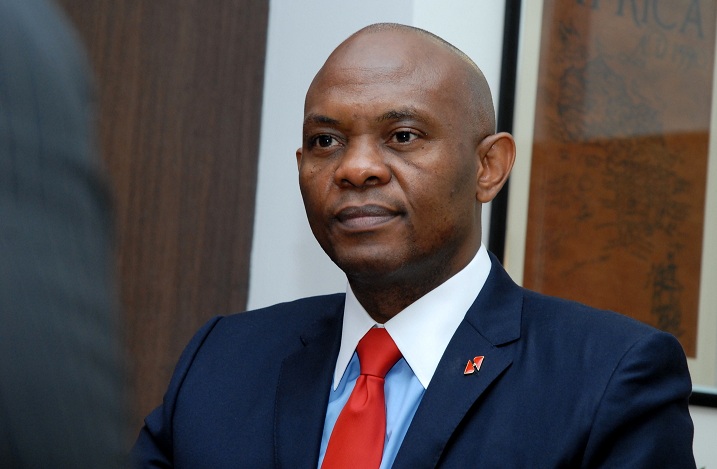
The appointment of Tony Elumelu as Chairman designate is best understood as the outcome of a carefully constructed governance evolution rather than a standalone leadership change. It reflects ownership realignment, expansion driven restructuring, and long term strategic planning converging into a single leadership outcome. The timeline extending from January 2026 through January 2027 demonstrates deliberate sequencing designed to maintain stability while transitioning authority.
Seplat Energy’s decision highlights how modern energy companies are increasingly shaped by the interaction between capital influence and governance design. As the company prepares for its next phase under Roadmap 2030, the leadership structure now reflects both its expanded operational scale and the strategic priorities of its largest stakeholders, setting the stage for a new governance era defined by continuity, alignment, and long horizon planning.