A faint sense of unease has been building across several rural communities in Nigeria, where the presence of traditional rulers has long symbolized stability, identity, and local order, yet recent months have shown a different reality unfolding across palaces that were once considered untouchable within their domains. In the past few months, a string of unsettling developments has pushed traditional institutions into national conversation, not for ceremonial significance or cultural celebration, but for vulnerability, displacement, and direct confrontation with insecurity. What emerges is not a single isolated event but a sequence of incidents that appear scattered on the surface yet begin to form a disturbing pattern when placed side by side across states and communities.
Reports from different regions point toward repeated disruptions that have affected monarchs directly, forcing communities to confront questions that were previously unthinkable within the structure of traditional governance. The palace, once a symbol of rooted authority, has increasingly become a site of fear in some areas, while the monarch, historically regarded as a stabilizing figure, now appears in several accounts as a target, a negotiator under pressure, or a displaced leader seeking safety elsewhere. Between late May 2026 and early June 2026, these developments reached a level that placed traditional authority under renewed scrutiny across Nigeria’s rural landscape.
Kwara insecurity – monarch displacement
Kwara State became one of the most frequently referenced locations in discussions surrounding traditional ruler vulnerability during this period, particularly across Kwara South where repeated attacks reshaped the presence of monarchs within their communities. By May 2026, reports confirmed that about 30 traditional rulers had left their palaces temporarily due to escalating insecurity linked to armed groups operating across rural routes and forest corridors. These departures were not symbolic gestures but survival driven relocations that reflected the intensity of repeated night raids and kidnapping threats affecting both leadership and residents.
Several monarchs were reported to have moved into safer urban centers such as Ilorin, leaving behind palaces that continued to stand physically but lacked consistent occupancy. Communities described an unusual silence around royal compounds that previously served as daily gathering points for dispute resolution, cultural coordination, and administrative consultation. The absence of monarchs created a governance gap at the local level, where residents often rely on traditional rulers for immediate mediation in disputes and community coordination in moments of crisis.
Security concerns driving these movements were linked to repeated attacks targeting rural settlements, with some incidents involving attempts to abduct high profile individuals including traditional rulers. The fear was not limited to isolated villages but extended across multiple local government areas, creating a ripple effect that influenced how traditional authority physically operates within affected regions. By early June 2026, public concern intensified around the idea that rural leadership structures were being gradually weakened through sustained pressure rather than single dramatic incidents.
Kidnapping wave – royal families targeted
A second layer of concern emerged through repeated kidnapping incidents involving monarchs, their spouses, and members of their households, particularly within parts of Kwara South including Ifelodun Local Government Area. In recent months, multiple cases were reported where armed groups stormed palaces during night hours, taking advantage of reduced security presence and geographical isolation.
One widely referenced incident involved a newly installed monarch abducted alongside his wife during a coordinated midnight raid that left the community in shock due to the speed and precision of the operation. Similar reports indicated that aides and relatives were also taken in certain cases, expanding the impact beyond the throne itself into the immediate royal household. These incidents contributed to a growing perception that traditional rulers were no longer symbolically insulated from the broader insecurity affecting rural Nigeria.
By May 2026, at least three abduction cases involving monarchs had been recorded within Kwara South over a relatively short period, suggesting a pattern rather than isolated occurrences. Security agencies responded with coordinated operations aimed at tracking down suspected groups linked to these attacks, with later reports indicating arrests of individuals believed to be connected to kidnapping networks operating in forested regions. Ransom demands formed a recurring element in several cases, reinforcing concerns that traditional rulers had become strategic targets within a broader kidnapping economy.
Communities affected by these incidents described a shift in daily life, where nighttime movement reduced significantly and gatherings around palace courtyards became rare due to fear of surprise attacks. The psychological impact extended beyond the royal families to entire villages that had long depended on the presence of their monarchs for a sense of stability and continuity.
Recent notable incidents in Ifelodun LGA include:


Oba Salman Olatunji Aweda: The traditional ruler of the Olayinka community was abducted from his palace. His kidnappers subsequently demanded a ransom of 400 million naira. In the wake of this specific attack, police arrested over 40 suspected illegal miners believed to be connected to criminal networks in the area.


Oba Simeon Olaonipekun: The monarch of Aafin Community (in the Ile-Ire district) and his son were abducted on New Year’s Eve. During this violent palace raid, the queen (Olori Felicia) was shot and injured.
Oba Kamilu Salami: The Ojibara of Bayagan Ile was kidnapped from his farm by armed men who demanded a multimillion-naira ransom.
Adanla Community Raid: Armed men stormed the palace in the Adanla community, abducting seven family members of the traditional ruler, Oba David Adedumoye.

Rivers State arrest, authority controversy
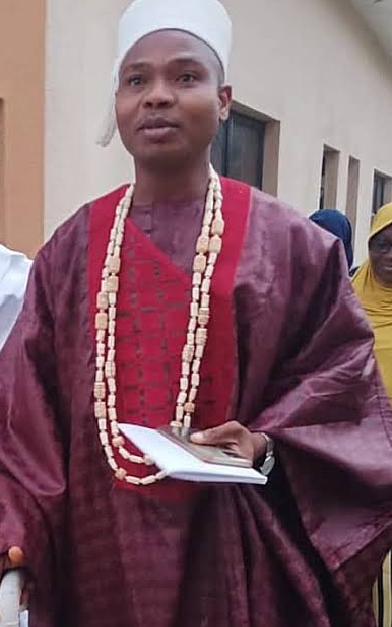
A different dimension of controversy surfaced in Rivers State during late May 2026, where a traditional ruler from the Sii community was arrested following allegations connected to ritual related activities and intimidation of residents. The arrest was carried out after intelligence reports and formal petitions raised concerns about actions allegedly taking place within the jurisdiction of the palace.
The case quickly developed into a wider discussion about the limits of traditional authority and the need for accountability within cultural leadership structures. Allegations suggested that elements of authority within the community had been used in ways that extended beyond customary leadership functions into areas considered criminal under modern legal frameworks. Law enforcement agencies emphasized the importance of due process while community members expressed mixed reactions shaped by local perceptions of the ruler’s influence.
By June 2026, the Rivers State case had become part of a broader national conversation about whether traditional institutions require stronger regulatory oversight. Critics of existing structures argued that increased scrutiny was necessary to prevent abuse of authority, while others within cultural circles warned against undermining long standing institutions that predate modern governance systems. The arrest contributed to a growing sense that traditional rulers were no longer operating outside the reach of formal state accountability mechanisms.
Osun dethronement
Osun State remained central to ongoing discussions surrounding monarch accountability due to the continued fallout from the removal of the Apetu of Ipetumodu, Olugbenga Oloyede (Latimogun I). By May 2026, the dethronement was still shaping public discourse, particularly because it involved allegations connected to international fraud proceedings in the United States tied to multi million dollar financial activity.
State authorities maintained support for the removal, citing reputational concerns and legal implications that could affect the integrity of traditional institutions within the state. The case highlighted the intersection between global financial investigations and local cultural leadership, raising questions about how modern legal systems influence traditional authority structures that were historically insulated from external scrutiny.
Public discussions in June 2026 continued to reference the Osun case as a turning point in how traditional rulers are evaluated beyond ceremonial roles. Concerns were raised about vetting processes for individuals ascending to royal positions, with emphasis placed on financial transparency, legal background checks, and long term accountability. The dethronement became a reference point in debates about whether traditional authority can maintain cultural legitimacy while adapting to modern governance expectations.
North Central and South West instability trends
Across both North Central and South West regions, broader patterns of insecurity during May 2026 and June 2026 contributed to increasing instability affecting traditional rulers indirectly and directly. Rural communities experienced repeated attacks that disrupted daily life, with monarchs often positioned at the center of community response systems during crises. As insecurity expanded, reports indicated that visibility of some traditional rulers within their domains reduced significantly due to safety concerns.
Communities in affected regions described a gradual withdrawal of royal presence from deep rural zones, replaced by intermittent visits or relocation to safer administrative centers. This change altered the traditional dynamic where monarchs physically remained embedded within their communities as constant figures of authority. The emerging reality suggested a shift toward mobility driven leadership, where presence is no longer guaranteed but strategically managed based on security conditions.
The implications extended into governance structures at the local level, where traditional rulers often serve as intermediaries between citizens and formal government institutions. Reduced presence created delays in conflict resolution, reduced cultural coordination, and weakened immediate community leadership responses during emergencies. By June 2026, the conversation had shifted toward whether traditional institutions require structural adaptation to survive in high risk environments.
Cultural disruption and leadership tension
Cultural events across parts of Lagos State and the wider South West region experienced disruptions during this period, with some festivals postponed or canceled due to leadership transitions, security concerns, or internal disagreements within traditional councils. These disruptions reflected a broader instability affecting not only physical safety but also cultural continuity within communities that rely on seasonal events for identity preservation.
Internal disputes within some traditional councils also emerged regarding recognition of leadership roles, succession legitimacy, and authority distribution within royal structures. These disagreements occasionally intersected with political interests at state level, creating complex dynamics where cultural authority and modern governance frameworks overlapped in ways that intensified tensions.
By early June 2026, these developments contributed to a growing sense that traditional institutions were navigating multiple pressures simultaneously, including security threats, legal scrutiny, internal governance disputes, and evolving public expectations. The combined effect created a landscape where traditional rulers are no longer operating within a stable historical framework but within a rapidly changing environment shaped by external pressures.
National reflection
Across Nigeria, the events collectively raised deeper questions about the role and safety of traditional rulers within modern society. The repeated targeting of monarchs through kidnappings, the displacement of royal figures from rural palaces, and the increasing legal scrutiny of traditional authority structures created a multi layered crisis of confidence that extended beyond individual incidents.
Communities began to reassess the physical location of authority, questioning whether traditional rulers should remain in remote palaces under current security conditions or operate from safer centralized locations while maintaining cultural responsibilities. This discussion was not limited to policy circles but appeared in public discourse across affected regions, reflecting the immediate impact of insecurity on cultural governance.
The period also highlighted the evolving relationship between traditional authority and modern state institutions, where accountability mechanisms are becoming more prominent and external legal frameworks increasingly intersect with cultural leadership. The result is a complex environment where traditional rulers are simultaneously cultural symbols, community leaders, security targets, and subjects of institutional reform debates.
Closing reflection on emerging pattern
The sequence of events recorded between May 2026 and June 2026 suggests a convergence of insecurity, accountability pressure, and institutional vulnerability affecting traditional rulers across multiple regions in Nigeria. While each incident carries its own local context, the combined timeline reveals a broader pattern that continues to evolve as communities, security agencies, and traditional institutions respond to changing realities on the ground.
What remains central to the unfolding situation is not only the frequency of attacks or controversies but the changing perception of traditional authority itself within rural governance structures. As events continue to develop, the question remains whether these incidents represent isolated crises or the early formation of a sustained challenge to the stability of traditional institutions across Nigeria’s rural landscape.