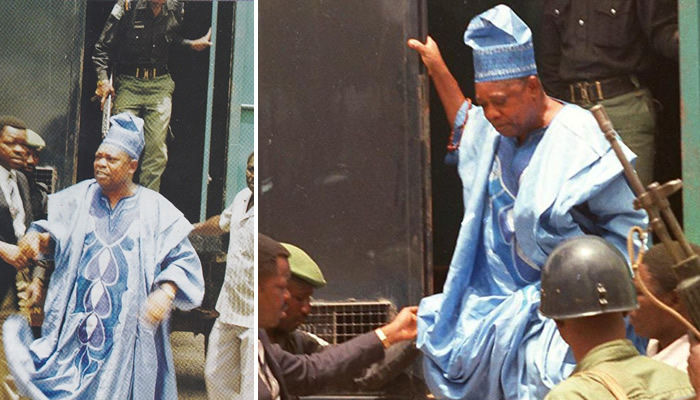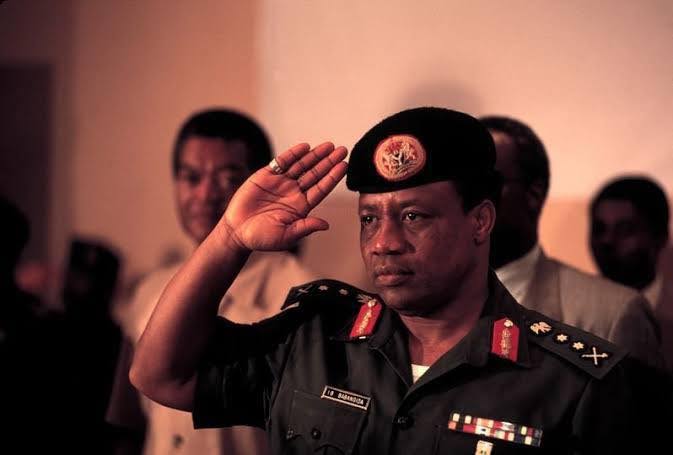
On June 24, 1993, General Ibrahim Babangida annulled the presidential election held, citing “irregularities” and halting the country’s long-awaited return to civilian rule.
The annulment, announced in a brief national broadcast at 11:45pm, came just days after voting ended in what observers called Nigeria’s freest election in decades.
Results from the contest between Chief MKO Abiola of the Social Democratic Party, SDP, and Alhaji Bashir Tofa of the National Republican Convention, NRC, had not been officially released by the National Electoral Commission, NEC.
“I have acted in the overriding national interest,” Babangida told Nigerians. “The decision is irrevocable.”
NEC Chairman Professor Humphrey Nwosu was ordered to halt all announcement of results. At the time of annulment, unofficial tallies showed Chief Abiola leading in 19 of 30 states, including Tofa’s home state of Kano.
The military government cited court injunctions, electoral malpractices, and threats to national security as reasons for the action.