
Nigeria’s higher education landscape is entering another defining period as universities across the country compete for stronger recognition on the global stage. Every year, students, parents, researchers, and education stakeholders closely follow international rankings to understand which institutions are making progress in teaching, research, innovation, and global influence.
The latest 2026 ranking cycle has placed renewed attention on Nigerian universities, revealing institutions that continue to build academic reputations despite the challenges facing the country’s education sector. From historic federal universities that have shaped generations of professionals to private institutions pushing new boundaries in technology and research, the list reflects different paths toward academic excellence.
The ranking process goes beyond popularity or public perception because universities are assessed through several factors that measure their actual contribution to knowledge creation and student development. Research publications, academic citations, teaching environment, industry partnerships, international collaborations, and institutional reputation all play important roles in determining how universities perform.
Among the institutions recognised in the latest ranking are universities with decades of history alongside younger schools that have quickly established themselves as influential centres of learning. Their performances show how Nigeria’s university system continues to evolve, with competition increasing among institutions seeking stronger positions both nationally and internationally.
How Nigeria’s Universities Were Ranked
University rankings are designed to compare institutions using measurable academic indicators rather than relying solely on reputation. Different ranking organisations apply different methods, meaning the position of a university can change depending on the criteria being used.
The Times Higher Education World University Rankings 2026 assessed universities using major areas including teaching environment, research environment, research quality, industry engagement, and international outlook. These categories examine how universities perform in producing knowledge, supporting students, attracting global partnerships, and contributing to innovation.
Research quality has become one of the most important factors in modern university rankings. Institutions that produce influential academic work, receive strong citations from researchers worldwide, and participate in international studies often gain stronger positions.
Industry collaboration has also become increasingly important because universities are now expected to contribute beyond classrooms. Partnerships with businesses, technology companies, healthcare organisations, and other sectors demonstrate how academic knowledge can solve real world problems.
Nigeria recorded significant representation in the 2026 Times Higher Education ranking cycle, with 24 universities appearing among globally recognised institutions. The achievement reflected the growing visibility of Nigerian higher education within Sub Saharan Africa.
University of Ibadan, Oyo State

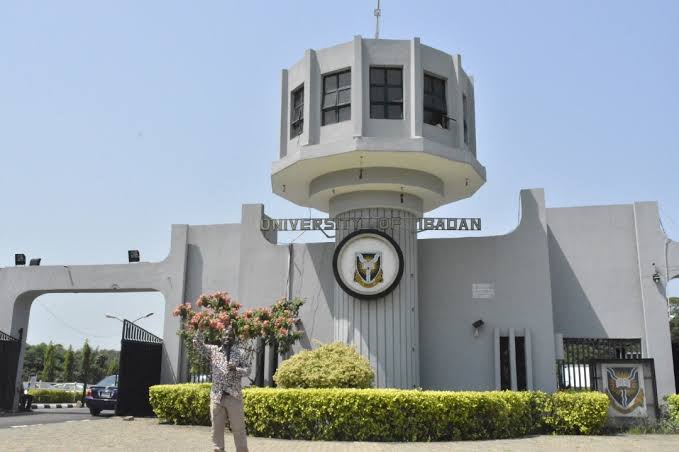
University of Ibadan emerged as one of Nigeria’s highest ranked universities in the 2026 ranking cycle, continuing its reputation as one of the country’s strongest academic institutions.
Founded in 1948, the University of Ibadan holds the distinction of being Nigeria’s oldest university. Its long history has made it one of the most influential centres of learning in the country, producing generations of professionals, researchers, academics, and national leaders.
The institution developed from its early beginnings as a university college linked to the University of London before becoming an independent university in 1962. Over the decades, it has maintained a strong focus on research and postgraduate education.
University of Ibadan has earned recognition in several academic areas, including medicine, agriculture, sciences, humanities, and social sciences. Its College of Medicine is among the most respected medical training institutions in Nigeria, producing doctors and researchers who have contributed significantly to healthcare development.
The university’s research strength has remained one of its biggest advantages in global rankings. Its academics continue to publish studies across different disciplines, contributing to international conversations in science, technology, health, social development, and humanities.
According to the Times Higher Education World University Rankings 2026, University of Ibadan was placed within the 801 to 1000 global ranking band, making it one of Nigeria’s leading representatives internationally.
University of Lagos, Lagos State

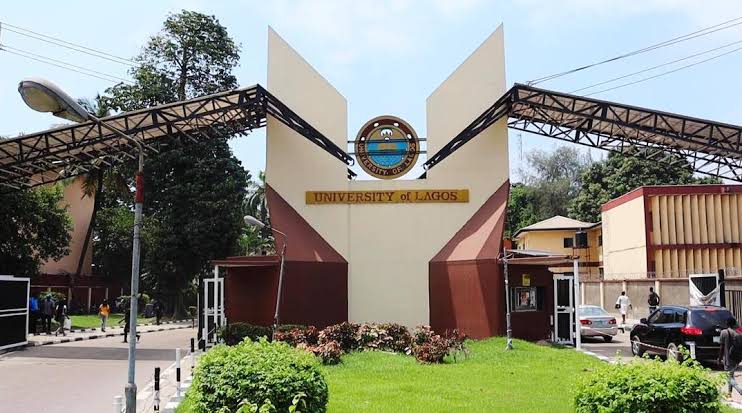
University of Lagos, popularly known as UNILAG, maintained its position among Nigeria’s most recognised universities in the latest ranking cycle.
Established in 1962, the university is located in Akoka, Lagos State, Nigeria’s largest commercial centre and one of Africa’s most economically important cities. Its location has contributed to strong connections with industries, businesses, government institutions, and international organisations.
UNILAG has built a reputation for producing graduates across several professional fields, including law, engineering, medicine, business, mass communication, technology, and social sciences.
The university’s connection with Lagos provides students with access to a wider professional environment, allowing academic learning to interact with practical industry experience.
Its research activities cover areas such as technology development, healthcare, economics, environmental studies, and social sciences. The institution has continued to expand its role as a centre for innovation and knowledge creation.
The Times Higher Education World University Rankings 2026 placed University of Lagos within the 801 to 1000 global ranking band alongside University of Ibadan, highlighting the strength of Nigeria’s leading federal universities.
UNILAG’s continued performance reflects its ability to combine historical academic reputation with modern demands for research output, international partnerships, and industry relevance.
Bayero University Kano, Kano State

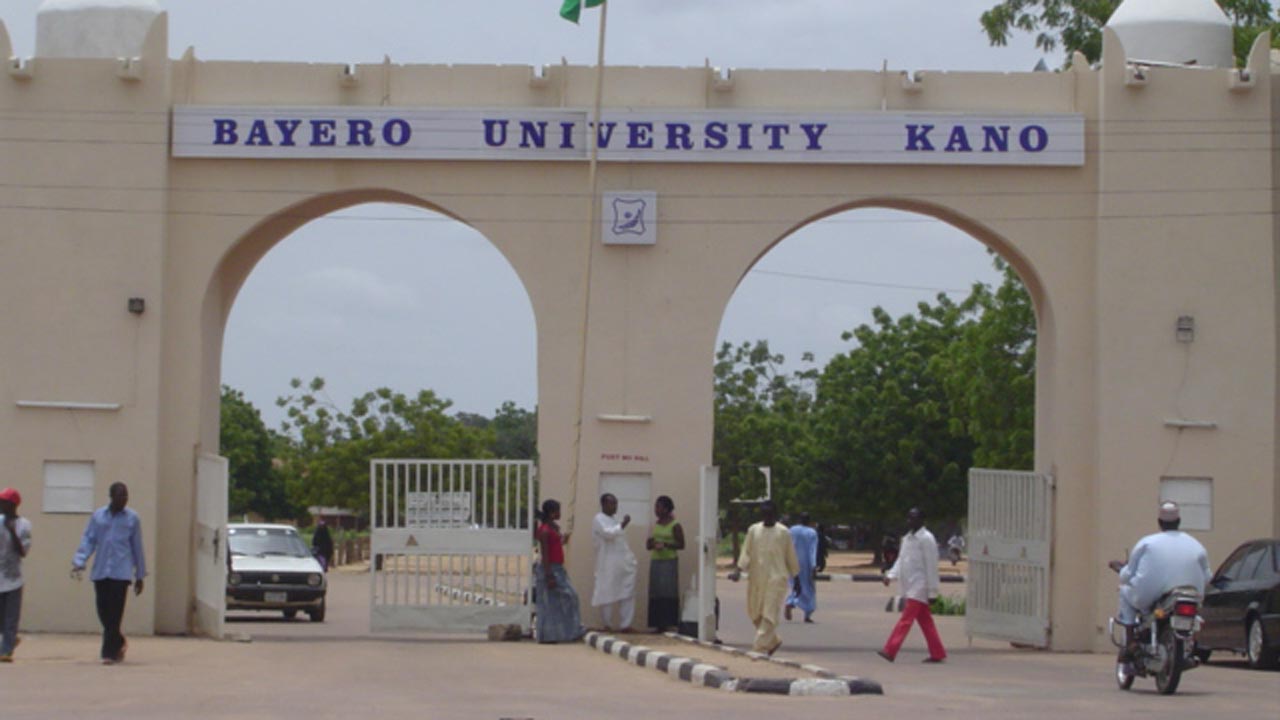
Bayero University Kano has become one of Nigeria’s most recognised institutions, especially because of its growing contribution to research and professional education.
The university has developed a strong academic presence in northern Nigeria and serves a large student population across different disciplines.
Its major areas of strength include medicine, agriculture, engineering, sciences, and Islamic studies. The institution has also contributed significantly to research addressing social, economic, and developmental challenges affecting communities.
Bayero University Kano’s College of Health Sciences has played an important role in training medical professionals who serve across Nigeria and beyond.
The university’s location in Kano provides opportunities for research connected to agriculture, trade, public health, and regional development.
According to the Times Higher Education World University Rankings 2026, Bayero University Kano was placed within the 1001 to 1200 global ranking category.
The recognition shows the increasing visibility of universities outside Nigeria’s traditional academic centres, demonstrating that quality research and academic contribution are developing across different regions of the country.
Covenant University, Ogun State


Covenant University remains one of Nigeria’s strongest private universities and has built a reputation for academic innovation, technology focus, and research productivity.
Established in 2002, the university has grown rapidly compared with many older Nigerian institutions. Its development has been driven by emphasis on entrepreneurship, leadership training, digital innovation, and modern academic facilities.
The university is known for programmes in engineering, information technology, business, sciences, and other professional fields.
Covenant University has consistently invested in research publications and international academic visibility, helping it compete with older institutions that have existed for decades.
Its focus on entrepreneurship has also become one of its defining features, encouraging students to develop skills beyond traditional academic qualifications.
The institution previously achieved top positions among Nigerian universities in some global assessments, especially those focusing on research output and online visibility.
Its continued presence among Nigeria’s best universities demonstrates the growing influence of private institutions within the country’s education sector.
Ahmadu Bello University, Zaria, Kaduna State


Ahmadu Bello University, popularly known as ABU Zaria, remains one of Nigeria’s most respected institutions because of its long history, wide academic reach, and contribution to national development. Established in 1962, the university was created to expand access to higher education in Northern Nigeria and has grown into one of the largest universities in the country.
The institution carries a strong reputation for producing professionals across several important sectors. Over the decades, ABU has trained graduates who have contributed to government, business, science, technology, agriculture, healthcare, and education.
Agriculture remains one of the university’s major areas of strength due to its location and historical connection with agricultural research. The institution has contributed to studies focused on food production, farming systems, rural development, and agricultural innovation.
Its engineering programmes have also gained recognition, producing graduates involved in infrastructure development, technology, and industrial growth. The university’s faculties of sciences and medicine continue to contribute to research and professional training.
ABU’s large academic community has helped it maintain a strong presence in Nigerian higher education. With thousands of students and a wide range of programmes, the university continues to serve as an important centre for learning and research.
The institution was among Nigerian universities recognised during the 2026 global ranking cycle, reinforcing its position as one of the country’s historic academic institutions.
University of Ilorin, Kwara State

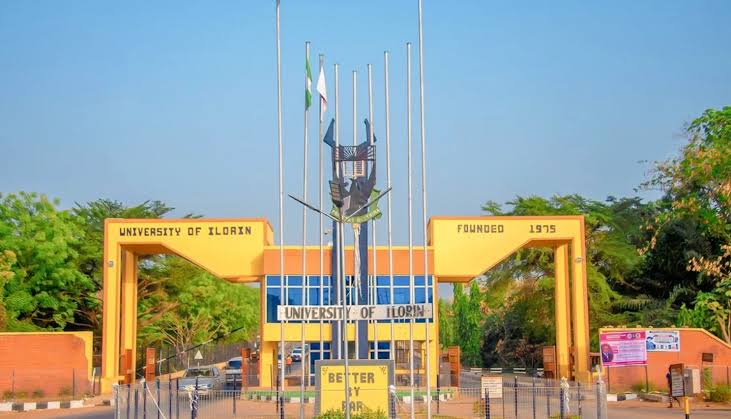
University of Ilorin, commonly called UNILORIN, has built a unique reputation within Nigeria’s university system because of its academic stability and consistent performance.
Established in 1975, the university became widely known for maintaining a relatively stable academic calendar compared with many institutions that experienced frequent disruptions from prolonged strikes and administrative challenges.
This stability made UNILORIN attractive to many Nigerian students and parents who valued uninterrupted academic progression.
The university has developed strong programmes across medicine, law, education, sciences, engineering, and social sciences. Its College of Health Sciences has contributed to medical training, while its education programmes have supported the development of teachers and education professionals.
UNILORIN has also expanded its research activities, with academics contributing studies in areas connected to national development, healthcare, technology, social issues, and environmental challenges.
The university’s reputation is built not only on academic programmes but also on its ability to provide a structured learning environment for students.
Its inclusion among Nigeria’s recognised universities in the 2026 ranking cycle highlights its continued relevance within the country’s higher education sector.
University of Nigeria, Nsukka, Enugu State


University of Nigeria, Nsukka, popularly known as UNN, occupies a special position in Nigeria’s educational history because it was the country’s first indigenous university.
Established in 1955 and formally opened in 1960, UNN was created with the vision of building an institution that reflected Nigeria’s educational aspirations after independence.
The university has played a major role in shaping Nigerian intellectual development, producing graduates who have contributed to politics, science, business, medicine, engineering, arts, and public service.
UNN has strong academic traditions in engineering, medicine, arts, social sciences, and natural sciences. Its Faculty of Engineering has contributed to technological development, while its medical programmes have produced healthcare professionals serving across Nigeria and internationally.
The university is also recognised for preserving Nigerian culture and promoting research in areas connected to history, society, language, and human development.
Its long academic history has helped it maintain a strong reputation among Nigerian universities.
The recognition of UNN in the 2026 ranking cycle reflects its continued contribution to higher education despite increasing competition from newer institutions.
Comparing Nigeria’s Top Universities
The 2026 ranking highlights different strengths across Nigeria’s leading universities rather than showing one institution dominating every category.
University of Ibadan and University of Lagos performed strongly because of their research reputation, academic history, and international recognition. Both institutions have decades of experience producing graduates and contributing to global academic discussions.
Bayero University Kano represents the growing strength of universities outside Nigeria’s traditional educational centres. Its performance reflects increasing research activity and academic development in northern Nigeria.
Covenant University demonstrates how private universities can compete through focused investment in technology, innovation, facilities, and research productivity.
Ahmadu Bello University represents the importance of large public universities with broad academic structures, while University of Ilorin highlights the value of institutional stability and consistent academic management.
University of Nigeria, Nsukka remains significant because of its historical importance and continued contribution to professional education and research.
Each institution has developed unique qualities that contribute to Nigeria’s overall position within African higher education.
Why University Rankings Matter
University rankings influence how students, researchers, and international organisations view academic institutions. They provide information that can help prospective students understand the strengths of different universities.
For Nigerian students, rankings often influence decisions about where to study, especially when considering factors such as academic quality, research opportunities, professional networks, and international recognition.
For universities themselves, strong rankings can attract research partnerships, funding opportunities, international students, and collaborations with global institutions.
However, rankings are not the only measure of educational quality. A university’s impact can also be seen through the achievements of its graduates, contributions to society, innovation, and ability to solve real world challenges.
Different ranking organisations use different methods, meaning universities may appear in different positions depending on the criteria being measured.
The Growing Competition Within Nigerian Education
Nigeria’s university sector has experienced significant changes as more institutions invest in research, technology, and global partnerships.
Federal universities with decades of history continue to compete alongside private universities that have introduced new approaches to academic management.
The rise of private universities has changed the competitive environment, with institutions such as Covenant University showing that newer schools can achieve international recognition through strategic investment.
Public universities, meanwhile, continue to benefit from large academic communities, experienced researchers, and established reputations.
The competition has encouraged universities to improve facilities, increase research output, strengthen international relationships, and develop programmes that meet modern workforce demands.
Challenges Facing Nigerian Universities
Despite improvements reflected in global rankings, Nigerian universities continue to face challenges that affect their growth.
Funding remains one of the biggest concerns, as institutions require resources to maintain facilities, support research, improve laboratories, and attract academic talent.
Infrastructure development is another major issue, especially for universities managing large student populations.
Technology integration has also become increasingly important as global education continues moving toward digital learning, online research collaboration, and innovation driven programmes.
Addressing these challenges will determine how Nigerian universities perform in future rankings.
Final Ranking Summary
The commonly reported 2026 ranking order places the following institutions among Nigeria’s leading universities:
1. University of Ibadan, Oyo State
2. University of Lagos, Lagos State
3. Bayero University Kano, Kano State
4. Covenant University, Ogun State
5. Ahmadu Bello University, Kaduna State
6. University of Ilorin, Kwara State
7. University of Nigeria, Nsukka, Enugu State
The list reflects a combination of historic universities, research focused institutions, and private universities that have developed strong academic identities.
Final Takeaway
The 2026 ranking of Nigeria’s best universities shows a higher education system experiencing gradual transformation. Institutions with decades of history continue to maintain strong positions, while newer universities are proving that focused investment in research, technology, and innovation can create global recognition.
University of Ibadan, University of Lagos, Bayero University Kano, Covenant University, Ahmadu Bello University, University of Ilorin, and University of Nigeria Nsukka represent different strengths within Nigeria’s academic landscape.
Their performances show that the future of Nigerian higher education will depend on continued investment in research, improved learning environments, stronger global partnerships, and the ability of universities to prepare students for an increasingly competitive world.