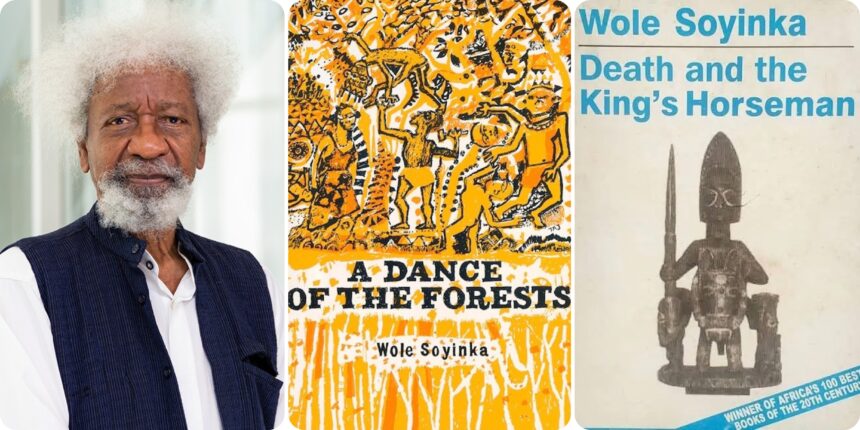
Few names in African literature command as much respect as Wole Soyinka. For more than six decades, the celebrated Nigerian writer has used his pen to tell powerful stories, challenge injustice, defend human rights and preserve African culture.
As Soyinka marks his 92nd birthday today, July 13, the occasion is not just a celebration of age but of an extraordinary life devoted to literature, theatre and public service. His plays, novels, poems and essays have influenced generations of readers across the world, while his fearless activism has made him one of Nigeria’s most respected public intellectuals.
In 1986, Soyinka made history as the first African and Black writer to win the Nobel Prize in Literature, earning global recognition for works that combine African traditions with universal themes of justice, power, freedom and humanity.
Over the years, he has written 25 plays, three novels, seven poetry collections, five memoirs, 10 essay collections and several translated works. His books continue to be taught in schools and universities across the world, proving that great literature never loses its relevance.
As the literary icon turns 92, here are five remarkable works that helped cement his place in literary history and why every reader should know them.
The Man Behind The Books

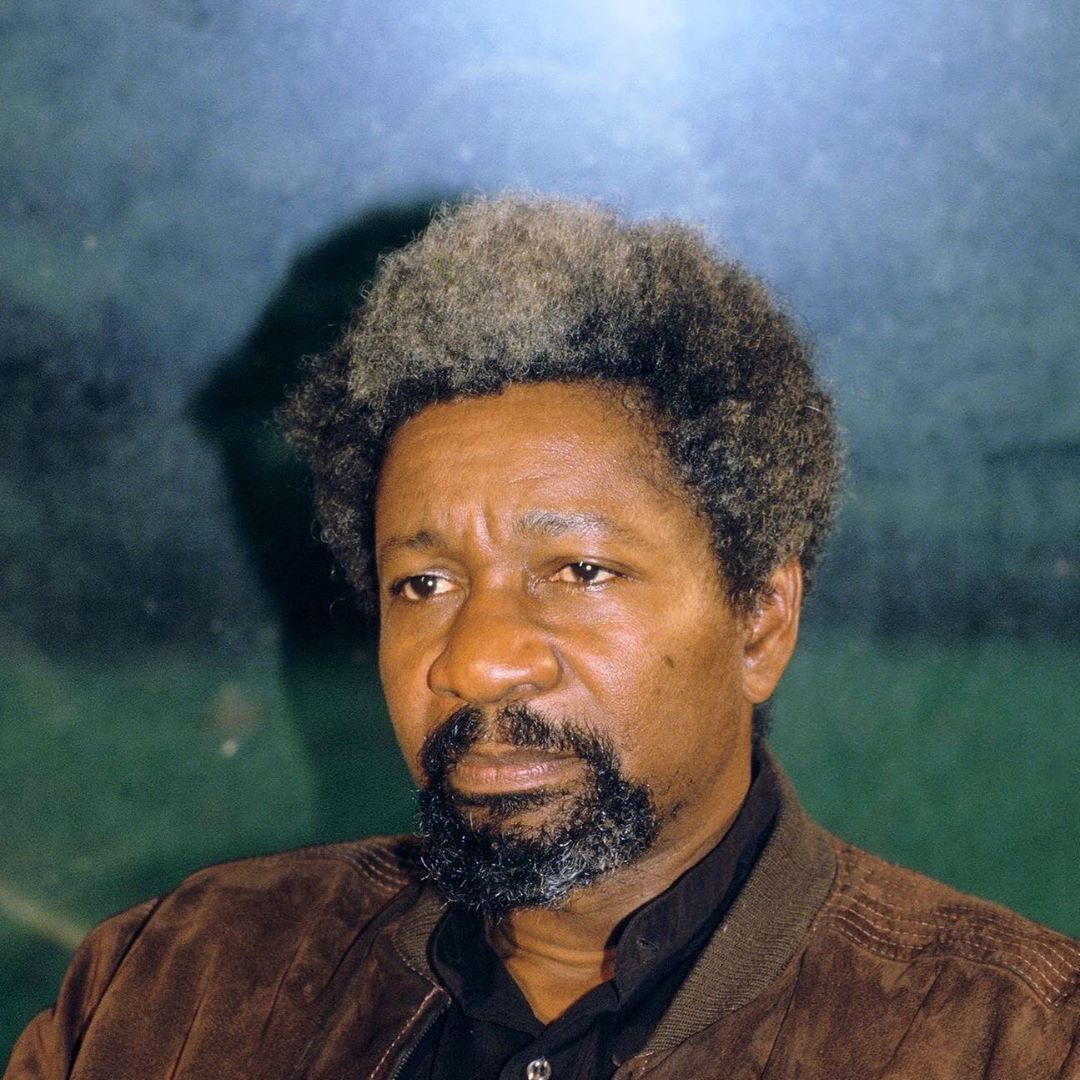
Born Akinwande Oluwole Babatunde Soyinka on July 13, 1934, in Aké, Abeokuta, Ogun State, Soyinka grew up in a home that valued education, discipline and culture. His father was an Anglican minister and school headmaster, while his mother was an activist from the famous Ransome-Kuti family.
He attended St. Peter’s Primary School in Abeokuta before moving to Government College, Ibadan. He later studied English Literature, Greek and Western History at the University College, Ibadan, before completing his education at the University of Leeds in England.
While in Britain, Soyinka began writing plays and working with the Royal Court Theatre. By the late 1950s, he had already established himself as one of Africa’s most promising playwrights.
His career would later take him to some of the world’s leading universities, including Obafemi Awolowo University, Harvard University, Oxford University and Yale University, where he taught literature, drama and creative writing.
More Than A Writer


Soyinka’s influence goes far beyond books. Throughout his life, he has spoken against dictatorship, corruption, oppression and abuse of power. During the Nigerian Civil War, he secretly tried to encourage peace between the warring sides. Instead, he was arrested by the Nigerian government and spent 22 months in solitary confinement without trial.
Rather than silence him, prison strengthened his resolve. His experience later inspired some of his most important writings, including The Man Died: Prison Notes and the poetry collection A Shuttle in the Crypt.
Even after his release, Soyinka remained one of Africa’s strongest voices for democracy and human rights. He has never hesitated to criticise leaders when he believes they fail the people.
His belief in the power of literature is reflected in one of his best-known statements:
“The primary function of literature is to capture and expand reality.”
That philosophy runs through almost everything he has written.
Five Works That Cemented His Place in Literary History
1. The Lion and the Jewel (1959)

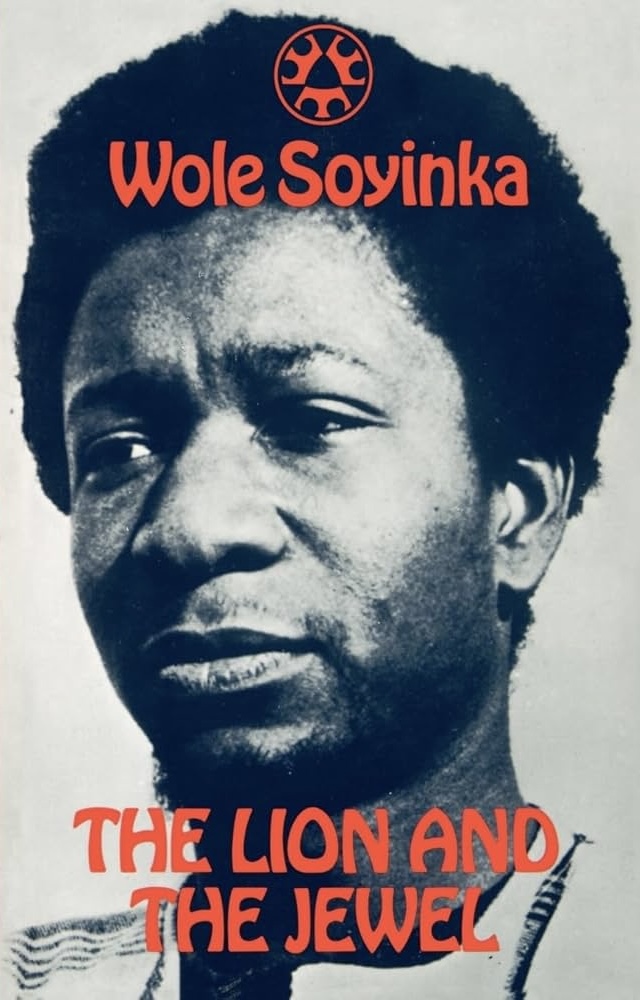
One of Wole Soyinka’s most celebrated plays, The Lion and the Jewel explores the clash between tradition and modernity in the fictional Yoruba village of Ilujinle.
The story follows Sidi, the village beauty, who is pursued by two very different men. Lakunle, a young schoolteacher, believes in Western education and rejects traditions such as paying a bride price. His rival is Baroka, the aging but influential village chief, who is determined to preserve Yoruba customs and maintain his authority.
After Sidi’s photograph appears in a foreign magazine, she becomes proud of her newfound fame and begins to see herself differently. Hoping to humble her, Baroka tricks Sidi into visiting him by spreading a false rumour that he has become impotent. During the encounter, he sexually assaults her. Afterwards, Sidi makes the controversial decision to marry Baroka instead of Lakunle.
Through humour, symbolism and memorable characters, Soyinka examines the tensions between tradition and modernity, power, gender, pride and the lasting effects of colonial influence. More than 60 years after its publication, The Lion and the Jewel remains one of the most widely studied plays in African literature and a defining work in Soyinka’s career.
2. A Dance of the Forests (1960)

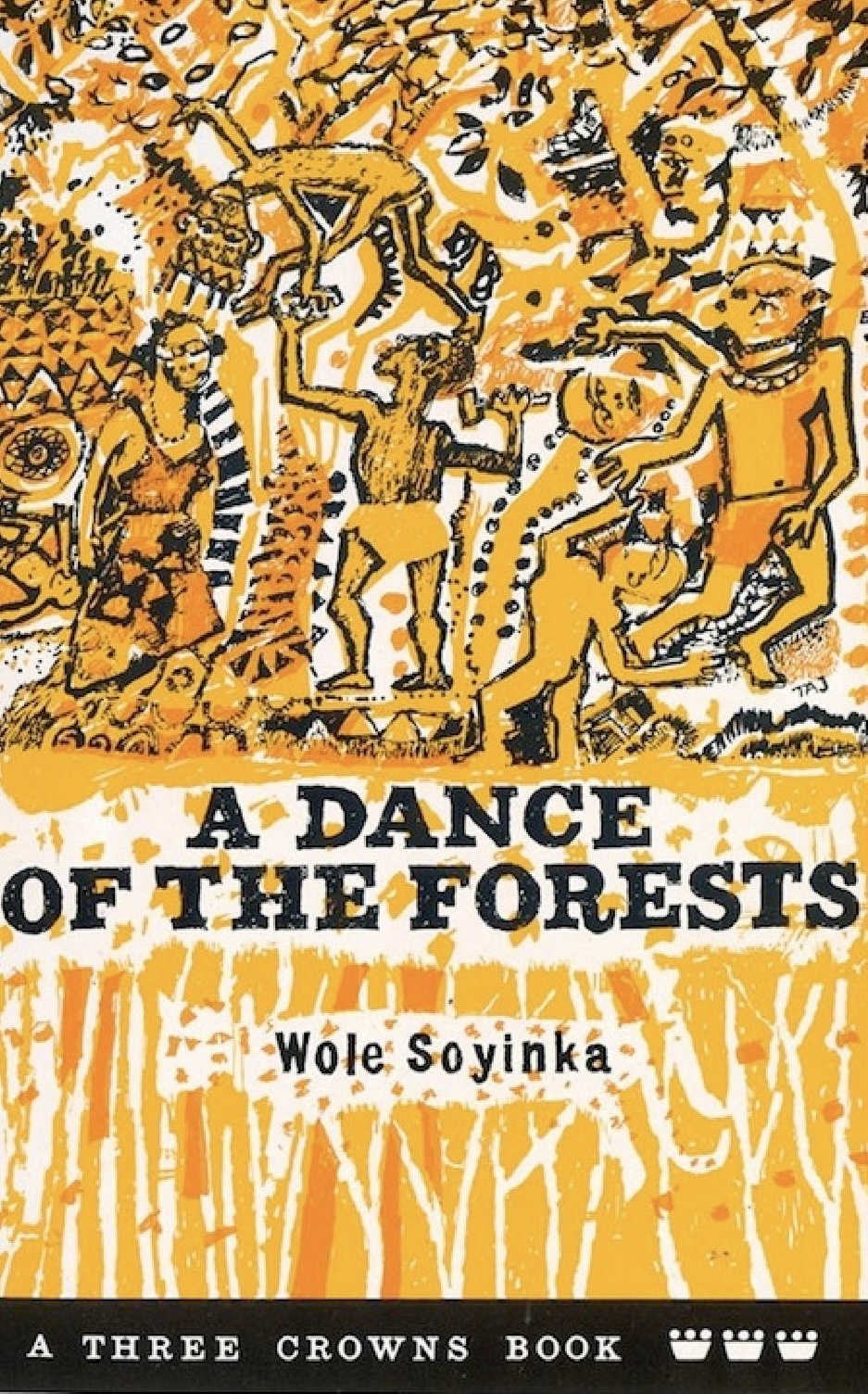
When Nigeria gained independence in 1960, many expected a play that would celebrate the country’s past and welcome its future with optimism. Wole Soyinka chose a different approach.
Written for the independence celebrations, A Dance of the Forests challenged the idea that Nigeria’s past was perfect or that independence alone would solve the nation’s problems. Instead of presenting heroic ancestors, Soyinka introduced troubled spirits who returned to confront the living with uncomfortable truths.
The story follows four characters (Demoke, Rola, Adenebi and Agboreko) who are drawn into a mysterious forest where they come face to face with spirits and visions from the past. As the drama unfolds, they discover that their present-day actions mirror the mistakes they made in earlier lives. Through these encounters, Soyinka explores themes of greed, abuse of power, betrayal and the consequences of refusing to learn from history.
Rather than offering a simple celebration of independence, the play serves as a warning that every nation must honestly confront its past if it hopes to build a better future.
Today, A Dance of the Forests is regarded as one of Soyinka’s boldest works because it dared to challenge a newly independent nation at a time when many expected only praise and celebration.
3. The Interpreters (1965)

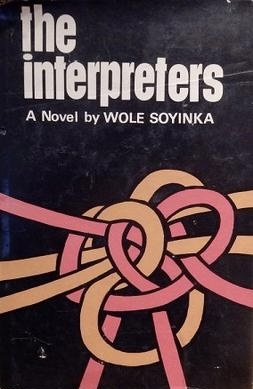
Soyinka’s first novel introduced readers to five educated young Nigerians trying to find purpose in a newly independent country.
Instead of presenting heroes with easy answers, The Interpreters explores identity, corruption, friendship, love and the difficult choices facing a generation caught between African traditions and Western influence.
The novel’s rich language and complex storytelling established Soyinka as more than a playwright. It confirmed his place among Africa’s leading novelists.
Today, it remains one of the most important works in post-independence African literature.
4. Death and the King’s Horseman (1975)

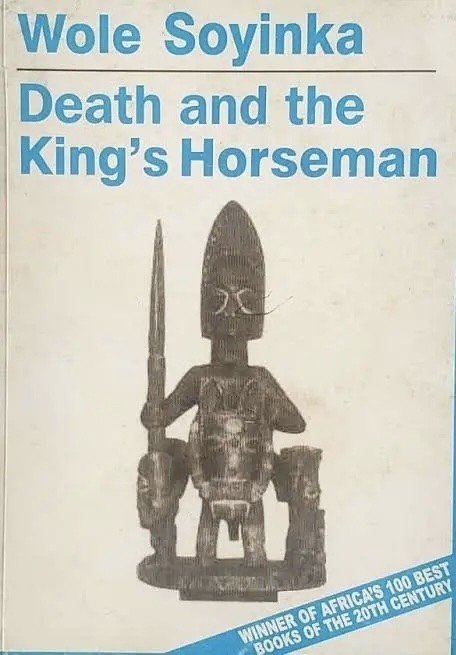
Widely regarded as Soyinka’s masterpiece, Death and the King’s Horseman is one of the greatest plays ever written by an African author.
Inspired by real events in colonial Nigeria, the play centres on Elesin Oba, the king’s horseman, who is expected by Yoruba tradition to die and accompany his king into the afterlife after the monarch’s death.
When British colonial authorities interfere with the ritual, the consequences are tragic.
Although many people initially viewed the play as a simple clash between African and European cultures, Soyinka repeatedly explained that its deeper message concerns duty, honour, sacrifice and the disruption of a community’s moral order.
The play continues to be staged internationally and has become a cornerstone of world theatre.
5. Aké: The Years of Childhood (1981)

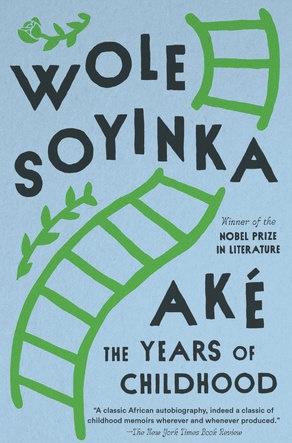
If readers want to understand the man behind the legend, Aké: The Years of Childhood is the perfect place to begin.
The memoir tells the story of Soyinka’s early years in Aké, Abeokuta, where he grew up surrounded by books, family, tradition and political awakening during the Second World War.
Written with warmth, humour and vivid detail, the book captures childhood through curious eyes while painting a memorable picture of colonial Nigeria.
It was named one of Africa’s 100 Best Books of the Twentieth Century and remains one of the continent’s finest autobiographies.
A Legacy That Continues To Grow
Although many writers slow down with age, Soyinka has continued to produce important work well into his later years.
In 2021, he published Chronicles from the Land of the Happiest People on Earth, his first novel in nearly five decades. The satirical work once again tackled corruption, abuse of power and the challenges facing modern Nigeria.
His influence has also been recognised beyond literature. In 2024, President Bola Tinubu renamed the National Arts Theatre in Lagos in his honour, recognising his immense contributions to Nigeria’s cultural and creative industries.
From classrooms in Nigeria to universities across Europe, America and Africa, Soyinka’s works continue to inspire students, scholars, playwrights and readers.
Conclusion
At 92, Wole Soyinka is much more than a celebrated author. He is a symbol of courage, creativity and intellectual excellence.
His books have challenged dictators, questioned injustice, celebrated African traditions and encouraged readers to think deeply about the world around them. Whether through drama, fiction, poetry or memoir, he has consistently shown that literature is more than entertainment. It is a powerful tool for truth, reflection and change.
As Nigeria and the world celebrate his 92nd birthday, his greatest legacy is not simply the number of books he has written or the awards he has won. It is the lasting impact of his words, which continue to educate, inspire and provoke thought across generations.
For anyone looking to understand African literature at its finest, Wole Soyinka’s works remain an essential place to begin.