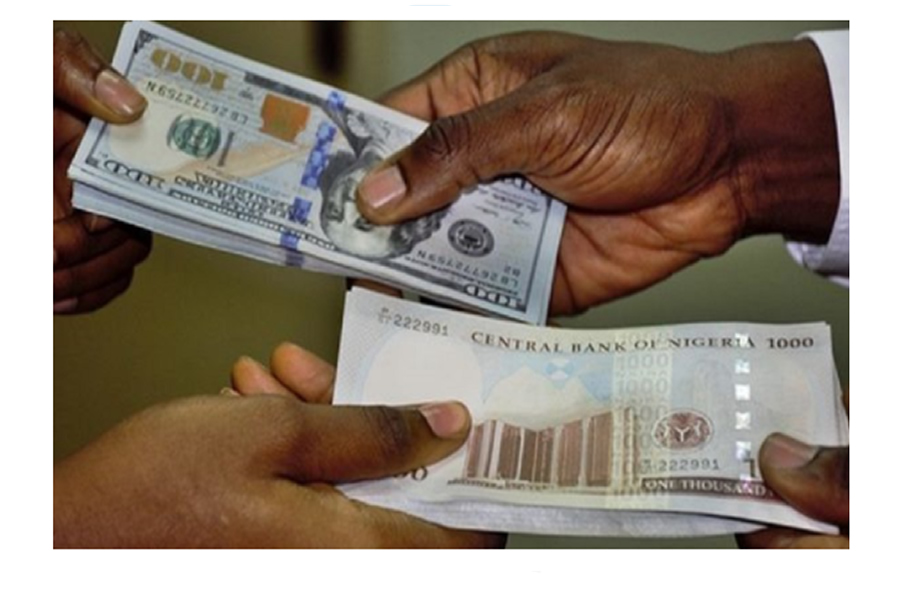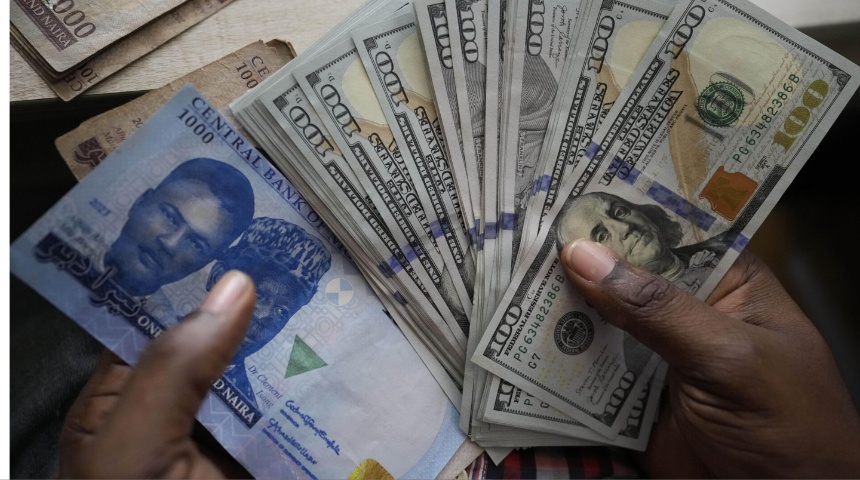
The Nigerian naira opened the week under fresh pressure, extending a run of losses that has now stretched across both the official and parallel foreign exchange markets. Tuesday’s trading numbers show a currency still searching for footing, even as the Central Bank of Nigeria keeps insisting the fundamentals are sound.
Maybe you’re tracking a travel budget, planning school fees abroad, or just wondering why your online purchases keep getting pricier. Here’s exactly where the naira stands today, and why it’s been sliding.
Official Market: Naira at ₦1,362 as NFEM Trading Opens
At the Nigerian Foreign Exchange Market (NFEM), the naira opened Tuesday hovering around ₦1,362.09 to the dollar, with intraday trades swinging between ₦1,359 and ₦1,365. The previous session had closed at roughly ₦1,361, so the naira is essentially treading water at the official window rather than crashing outright. Still, the direction of travel over the past few weeks has been unmistakably downward.
Interbank quotes early in the day pushed slightly higher, with the dollar changing hands at around ₦1,366.84 in some early transactions, a sign that liquidity, while present, isn’t as generous as banks would like.
Black Market Rate: Dollar Now Selling Above ₦1,410 in Lagos
The parallel market, still commonly called the black market despite the CBN’s repeated warnings against it, tells a more dramatic story. Bureau de Change operators in Lagos quoted buying rates of around ₦1,402 to ₦1,405 and selling rates between ₦1,410 and ₦1,412 on Tuesday.
That puts the spread between the official rate and the street rate at roughly ₦48 to ₦50. It’s nowhere near the crisis-level premiums Nigeria saw in late 2024, but it’s still wide enough to throw off anyone trying to plan around a single, predictable number.
Today’s Rate at a Glance
| Market | Buying Rate (₦/$) | Selling Rate (₦/$) |
|---|---|---|
| Official (NFEM) | ₦1,359 | ₦1,365 |
| Interbank | n/a | ₦1,366.84 |
| Parallel (Black Market, Lagos) | ₦1,402 | ₦1,412 |
Rates are indicative and can shift within the trading day. Always confirm with your bank or a licensed BDC operator before transacting.
Zoom out to the past week, and the picture gets clearer, and a bit messier. Wise’s tracking data shows the dollar-naira pair swinging between a high of 1,381.06 on July 20 and a low of 1,369.12 on July 24, with the single biggest daily move coming on the 24th, a drop of just under 0.6%. Xe’s numbers tell a similar story: over the last month, USD/NGN has ranged between about 1,364 and 1,380, averaging around 1,375 with mild volatility.
So the naira has really been oscillating in a fairly tight band for weeks rather than falling off a cliff. But every small slip adds up, and traders say the underlying pressure hasn’t gone away.
Naira’s Recent Range (Last 30 Days)
| Metric | Value |
|---|---|
| 30-day high (₦/$) | 1,380.44 |
| 30-day low (₦/$) | 1,364.32 |
| 30-day average (₦/$) | 1,375.21 |
| 7-day volatility | 0.25% |
Why the Naira Keeps Losing Ground
Nobody in the market is pointing to a single cause, but a few forces keep showing up in analyst commentary:
Seasonal dollar demand. Summer travel, school fees paid abroad, and business trips have all pushed retail demand for foreign currency higher, a pattern that repeats almost every year around this time and typically hits the parallel market hardest.
Fuel importer demand. Licensed petroleum importers have been buying up dollars to build inventory, adding another steady source of pressure on FX supply, separate from the usual travel and remittance-driven demand.
Thin interbank turnover. On some recent sessions, interbank FX turnover fell sharply as the CBN held back fresh dollar intervention, which tends to widen the gap between what’s quoted officially and what people actually pay to get dollars in hand.
Tight monetary policy holding steady. The CBN’s Monetary Policy Committee has kept its benchmark rate unchanged at 26.5% for a second straight meeting. Economists at Afrinvest point to persistent inflation risks, now forecast at 15.8% for 2026, as the reason the apex bank isn’t in a hurry to cut rates, even if that means tolerating a gradual naira slide.
What This Means for You
For importers, the widening gap between official and street rates makes cost planning harder. A business quoting prices based on the NFEM rate today could end up paying significantly more if it has to source dollars informally next week. For anyone sending money home or paying dependents abroad, even a ₦40 to ₦50 swing per dollar adds up fast on larger transfers.
The CBN continues to insist that Nigerians and businesses source foreign exchange only through authorised banks and licensed BDCs, warning that the parallel market carries risks the apex bank does not recognise or regulate.
As it stands on July 28, 2026, the naira is holding a relatively narrow band at the official window, around ₦1,362 to the dollar, while the parallel market continues to trade at a noticeably wider premium, north of ₦1,410. Barring a fresh CBN intervention or a shift in global oil prices, analysts expect the currency to keep drifting within its current range rather than swing sharply in either direction this week.
We’ll keep tracking the numbers and update this piece as new rates come in.