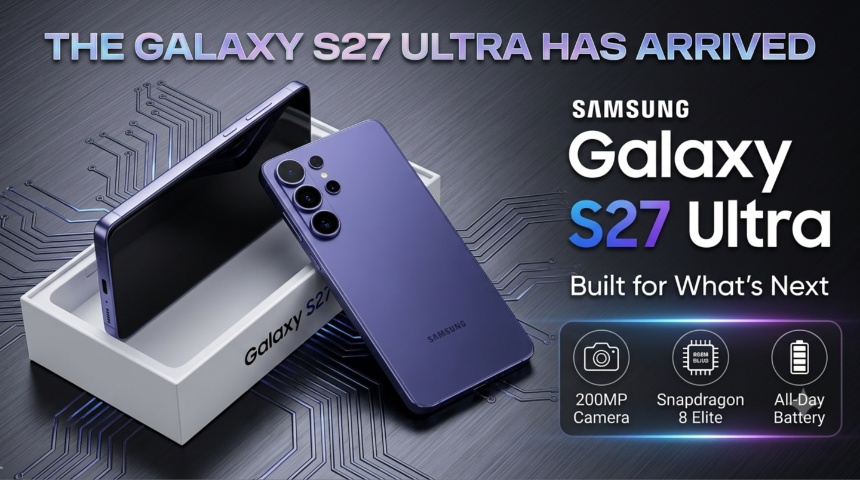
Samsung has not said a word officially, but the Galaxy S27 Ultra is already the most talked-about phone of 2027, and it has not even launched yet. Between GSMA filings, supply chain leaks and the usual suspects on the tipster circuit, a fairly detailed picture is forming of what Samsung’s next Ultra flagship will bring. Some of it looks like a genuine shake-up. Some of it is the same annual polish job Samsung does every year.
- When is the Galaxy S27 Ultra coming out?
- A fourth phone joins the lineup: the Galaxy S27 Pro
- Chipset: a custom Snapdragon, and a real fight over the node
- Camera system: fewer lenses, smarter sensors
- Display, battery and the return of Polar ID
- Rumored Galaxy S27 Ultra specs at a glance
- Should you wait for the S27 Ultra?
Here is everything worth knowing right now, sorted by how much you should actually trust it.
When is the Galaxy S27 Ultra coming out?
If you have followed a Samsung Unpacked event before, you already know the rhythm. The company announces its new Ultra in the last week of January or the first weeks of February, then puts it on shelves two to three weeks later.
The Galaxy S26 Ultra was announced and hit shelves on March 11, 2026. Going by that pattern and Samsung’s own historical cadence, most trackers are pointing to a February 2027 unveiling for the Galaxy S27 Ultra, with the phone reaching stores by late February or early March. Nothing here is a surprise. Samsung has stuck to this window since 2019, and there is no indication yet that 2027 will be any different.
What is confirmed, and this matters more than it sounds, is that the phone itself exists on paper. GSMA regulatory filings list four separate Galaxy S27 model numbers: the standard S27 (SM-S952U), the S27 Plus (SM-S956U), a new S27 Pro (SM-S957B/DS), and the S27 Ultra (SM-S958U). Filing paperwork with the GSMA is not something companies do for phones that only exist as internal concepts, so this is about as close to a lock as you get before Samsung says anything itself.

A fourth phone joins the lineup: the Galaxy S27 Pro
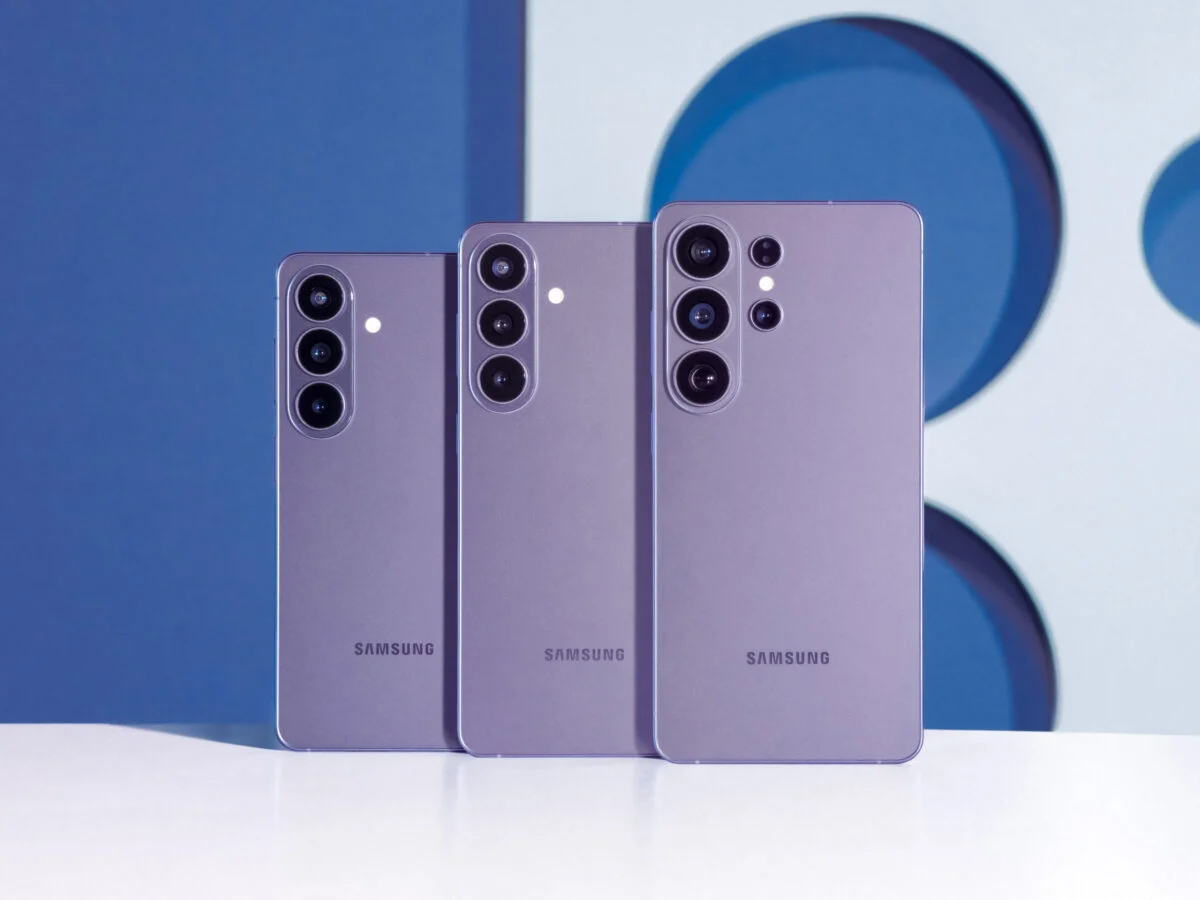
This is arguably the biggest structural change to the S series in years. Samsung has run a three-phone lineup (base, Plus, Ultra) for a long time, but multiple reports now point to a Galaxy S27 Pro slotting in as a fourth model.
Early rumors framed the Pro as a smaller, cheaper Ultra with the S Pen stripped out to hit a lower price point. That framing has gotten shakier lately. Reports now suggest the S27 Pro could carry a 6.47-inch AMOLED display, sitting between the rumored 6.3-inch S27 and 6.7-inch S27 Plus, and some leaks claim it may even share silicon with the pricier models depending on region.
I would not get too attached to any specific Pro spec sheet yet. This model has moved around in the rumor mill more than the other three combined, which usually means Samsung itself is still deciding what to do with it.
Chipset: a custom Snapdragon, and a real fight over the node
The performance story for the S27 Ultra centers on one phrase that keeps coming up across leaks: custom Snapdragon 8 Elite Gen 6 Pro, built on a 2nm process. This custom Qualcomm chip is one of the more consistently repeated claims, and it lines up with how Samsung has handled Ultra-tier silicon in recent generations, where the top model often gets a version of Qualcomm’s chip clocked or binned specifically for Samsung.
Where things get more interesting is outside the Ultra. The base and Plus models are rumored to run Samsung’s own Exynos 2700, a 10-core chip built on Samsung Foundry’s second-generation 2nm process, already spotted in early benchmarks under the codename “Ulysses”. Some reports even suggest the Exynos 2700 could show up in certain S27 Pro markets, with Snapdragon 8 Elite Gen 6 used elsewhere. Whether that split extends anywhere near the Ultra is unclear, but historically Samsung has kept Snapdragon exclusive to the Ultra in most major markets, and nothing so far suggests that changes.
Camera system: fewer lenses, smarter sensors
This is where the leaks get genuinely interesting, because Samsung appears to be rethinking the camera bump rather than just bumping the megapixel count again.
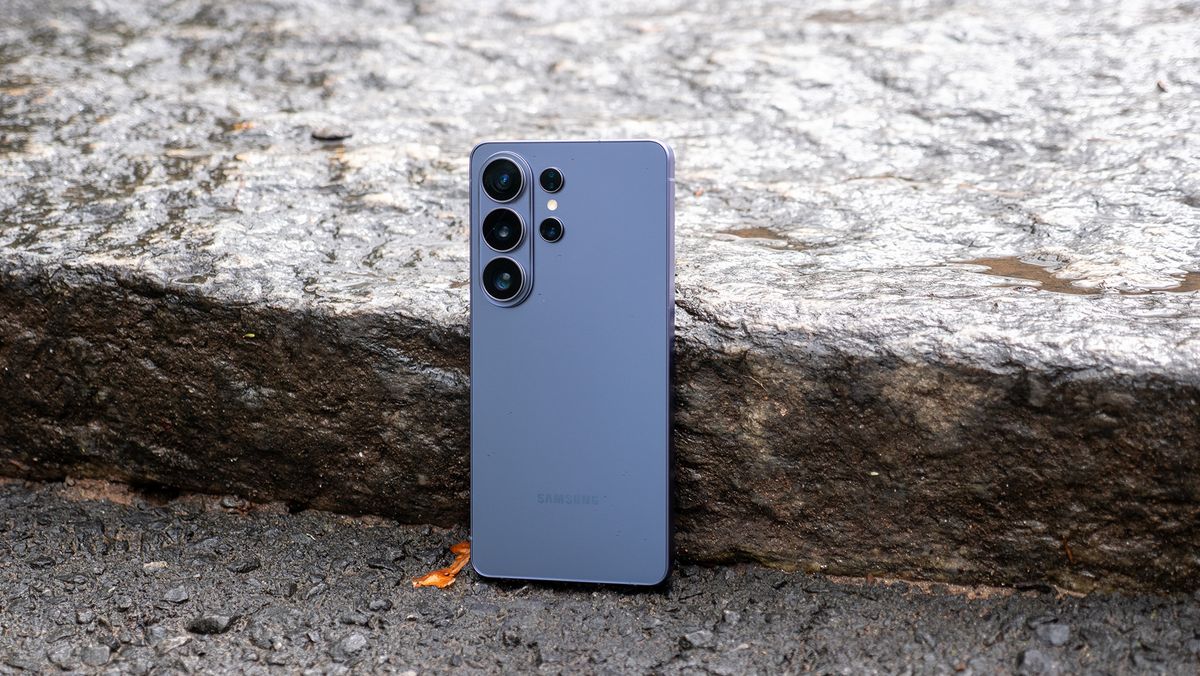
Samsung is reportedly moving away from the individual floating camera rings it has used on recent Ultra models, in favor of a horizontal camera bar design. It is a sensible move if true. The current ring layout looks sharp in press photos but rocks annoyingly on a flat table, and a bar design would fix that while giving the phone a visual refresh that does not require reinventing the whole front and back.
The bigger change, and the one photography nerds will actually argue about, is the possible death of the dedicated 3x telephoto lens. Leaks suggest Samsung may drop the separate 3x zoom camera entirely and instead lean on aggressive sensor cropping from a new 200MP main sensor, which is expected to bring variable aperture technology for better adaptation to different lighting conditions. The 50MP 5x periscope camera is also rumored to get a wider aperture, which should help both bright daylight shots and low-light performance.
Here is the comparison against what actually shipped on the S26 Ultra, so you can see what is changing and what almost certainly is not:
| Camera | Galaxy S26 Ultra (confirmed) | Galaxy S27 Ultra (rumored) |
|---|---|---|
| Main | 200MP, f/1.4 | 200MP, variable aperture |
| Ultrawide | 50MP | 50MP (upgraded) |
| Telephoto (3x) | 12MP | Possibly removed, replaced by sensor crop |
| Telephoto (5x periscope) | 50MP | 50MP, wider aperture |
| Front | 12MP | Upgraded (details thin) |
I would treat the “dead 3x lens” rumor with a bit of caution. Samsung has floated similar zoom consolidation rumors before a launch and then backed off. But the fact that it is showing up alongside a genuine design change to the camera housing makes it more believable this time than most years.
Display, battery and the return of Polar ID
The screen is expected to stay at 6.9 inches, using a Dynamic AMOLED 4X LTPO panel for the usual mix of deep contrast, wide color and adaptive refresh. Nothing revolutionary here, though there is chatter about privacy display tech making a comeback, similar to what Samsung tested for previous Ultra generations.
Battery numbers are still all over the place depending on which leaker you trust. One widely cited figure puts the cell at 5,700mAh, up from the S26 Ultra’s confirmed 5,000mAh, while other trackers hedge with a broader 5,500 to 7,000mAh range until more concrete supply chain data shows up. Either way, a bump of some kind looks likely given how consistently Samsung has grown Ultra battery capacity year over year.
The one feature that could actually change how you unlock the phone is Polar ID. Leaks point to Samsung introducing Polar ID face authentication on the S27 Ultra, a step up from the under-display fingerprint scanner Samsung has leaned on for years. If it lands, it would be Samsung’s biggest biometric shift since it dropped iris scanning.
There is also a smaller but genuinely useful rumor buried in the supply chain reports: native magnets for Qi2.2 wireless charging. The Galaxy S26 already supports Qi2, but only through a magnetic case, since the phone itself has no built-in magnets. One report claims Samsung may redesign the camera layout on the S27 specifically to make room for native magnets, which would finally close the gap with iPhones that have had MagSafe-style alignment built in for years.

Rumored Galaxy S27 Ultra specs at a glance
| Spec | Rumored Galaxy S27 Ultra |
|---|---|
| Display | 6.9-inch Dynamic AMOLED 4X, LTPO |
| Chipset | Custom Snapdragon 8 Elite Gen 6 Pro (2nm) |
| Battery | 5,500mAh–5,700mAh (estimates vary) |
| Main camera | 200MP, variable aperture |
| Zoom | 50MP 5x periscope; 3x lens possibly dropped |
| Biometrics | Polar ID face authentication (rumored) |
| Charging | Qi2.2 with native magnets (rumored) |
| Build | Titanium frame |
| Starting price (US) | Above $1,299 (estimate) |
| Starting price (India) | Above ₹1,30,000 (estimate) |
Worth repeating: only the launch timing pattern and the four-model lineup confirmed via GSMA filings count as verified right now. The battery figure, chipset, camera details and Polar ID are all leaks or informed speculation, not Samsung-confirmed specs. Anyone presenting these numbers as locked in is getting ahead of the actual evidence.
Should you wait for the S27 Ultra?
If you are due for an upgrade and the S26 Ultra is currently on a good deal, I would not necessarily hold out. The changes being described here, the camera bar redesign, the possible loss of a dedicated 3x lens, Polar ID, are real shifts, but they are also the kind of thing that tends to get trimmed or delayed between now and an actual Unpacked event.
That said, if your current phone can survive another six or seven months, this is shaping up to be one of the more structurally different Ultra generations in a while, mostly because of the four-model lineup and the possible zoom lens change. Worth the wait if you can manage it.
We will update this piece as more concrete leaks land, particularly once benchmark and camera sample leaks start showing up closer to the announcement.