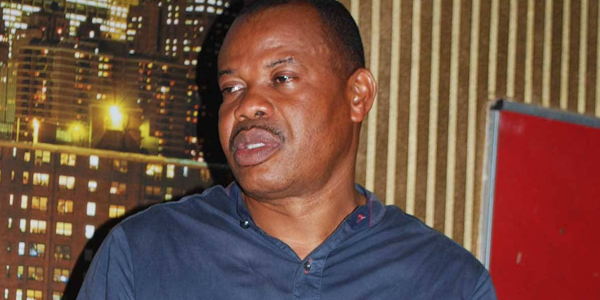
For more than two decades, Timaya has managed something that is increasingly difficult in Nigerian music: staying relevant without losing the identity that made people notice him in the first place.
Born Inetimi Alfred Odon on August 15, 1980, the Bayelsa-born singer turns 46 today, August 15, 2026. His solo career began in the mid-2000s, when he introduced himself with a song that was very different from the party records that would later make him a household name.
That song was “Dem Mama.”
From there, Timaya moved through reggae, dancehall, ragga, Afropop and Nigerian pop, building a catalogue that has stretched across generations. His discography includes albums such as True Story(2007), Gift and Grace (2008), De Rebirth (2010), LLNP (2011), Upgrade (2012), Epiphany (2014), Chulo Vibes (2019), Gratitude (2020) and GLADIATOR (2024). He has also continued releasing music in 2026, with “Only God” listed by Apple Music as a May 8 release and “Kontrol” as a July 10 release.
But longevity is not simply about how long an artiste has been around. It is about whether the music continues to mean something after the moment that produced it has passed.
That is why, on his 46th birthday, these 10 songs stand out. They are not necessarily his 10 biggest songs. Instead, they trace the different stages of Timaya’s career and show why records released years ago can still sound familiar, get played, quoted and remembered today.


1. “Dem Mama” — The song that started it all
Released: 2005/2007
Album: True Story
Producer: Alexis James on the album recording
Before Timaya became associated with dance floors, waist-whining anthems and big collaborations, there was “Dem Mama.”
The song was inspired by the 1999 Odi massacre in Bayelsa State, when Nigerian security forces attacked the Niger Delta community. Timaya turned the tragedy into music, recounting the deaths, destruction and pain in a mixture of dancehall and Nigerian storytelling.
The song’s catalogue history can be confusing because it is widely described as Timaya’s 2005 breakthrough single, while the album recording is dated June 2007. What is clear is that “Dem Mama” was the song that launched Timaya’s solo career and later appeared on his 2007 debut album, True Story.
Timaya has since explained why Odi was so personal to him. His mother had a bakery in the community and lost the bakery and other property during the attack. He said telling the story through music was the most he could do to represent what happened to his people.
That personal connection helped make “Dem Mama” more than a hit. It became a record of an event.
Apple Music’s retrospective on True Story album notes that the song became an instant hit and remained relevant during the October 2020 #EndSARS protests, about 15 years after its emergence.
That is one of the clearest definitions of an evergreen song: a record written about one period finding meaning in another.
In January 2026, Timaya again pointed to “Dem Mama” as one of the songs that best represents him, alongside “Plantain Boy.” The song did not just introduce Timaya, introduced the story behind him.
https://youtu.be/kqC-6YdZVL8?si=8QX50E4yOVr9xxkc
2. “Plantain Boy” — From selling plantains to becoming Timaya
Released: May 28, 2010
Album: De Rebirth
Label: Dem Mama Records
If “Dem Mama” established Timaya’s voice, “Plantain Boy” established his personal story.
Released on May 28, 2010 as part of De Rebirth, the song looks back at his humble beginnings and the period when he sold plantains while trying to survive. The song is built around a simple but powerful idea that where someone starts does not have to determine where they end up.
Timaya remembers being a “common plantain seller” and contrasts that past with the recognition he had gained as an artiste. But rather than pretending that the old version of himself never existed, he celebrates it. He is still the plantain boy.
The song became one of the defining records of the De Rebirth era and helped turn Timaya’s personal journey into something listeners could identify with. The project itself was built around a mixture of personal stories, celebration and the dancehall sound that was becoming his trademark.
https://youtu.be/15gzJf8_P3Y?si=eGsU_Tx4DSHrm9q_
3. “Watta Bambam” — The sound of the hustle paying off
Released: May 28, 2010
Album: De Rebirth
Released on the same day as “Plantain Boy,” “Watta Bambam” came from the same chapter of Timaya’s career.
The two songs therefore work almost like companion pieces. “Plantain Boy” looks backward at the struggle. “Watta Bambam” carries more of the confidence that comes after surviving it.
Both were part of De Rebirth, the 2010 project that also featured collaborations with artistes including 2Face Idibia, M.I and others.
By this point, Timaya had already moved beyond the image of the struggling artiste trying to find his place. He was becoming one of Nigeria’s recognisable dancehall voices. “Watta Bambam” captured that energy.
The song is celebratory, energetic and rooted in the confidence of someone who has worked his way out of a difficult beginning.
https://youtu.be/rVaZMi8ATJ8?si=LPP_us5J_98gj48f
4. “Sexy Ladies” — When Timaya mastered the party record
Released: June 24, 2012
Album: Upgrade
Producer: Young D
By 2012, Timaya had entered another phase. The socially conscious voice of “Dem Mama” was still part of him, and the autobiographical “Plantain Boy” remained part of his story. But he had also become very comfortable making songs designed simply to make people move.
“Sexy Ladies”, released on June 24, 2012, was one of those records. It appeared on Upgrade and was produced by Young D. The song is built around attraction, dancing and the energy of a party.
There is no heavy story to decode. That is part of its strength.
Timaya understood that an evergreen record does not always need a deep message. Sometimes, it needs a hook that people remember immediately and a rhythm that still works when the musical climate changes.
“Sexy Ladies” also became part of the larger Upgrade chapter, an album that included several of the songs that would remain associated with Timaya for years.
That was an early indication that Timaya’s catalogue was beginning to outlive individual release cycles.
https://youtu.be/TA22O8N-Ybw?si=QGW5SrTXlMf3TUIi
5. “Malonogede” — Timaya and Terry G bring the energy
Released: May 31, 2012
Album: Upgrade
Featuring: Terry G
Producer: Young D
Released on May 31, 2012, “Malonogede” featured Terry G, another major figure in the energetic Nigerian sound of that period. Young D produced the track.
The song came at a time when Nigerian pop was becoming increasingly dominated by records that could move easily between radio, clubs, street parties and live performances.
Timaya was already well suited to that environment.
His dancehall background gave him a natural advantage. He could deliver songs with a strong rhythmic identity while still fitting comfortably into mainstream Nigerian pop.
“Malonogede” was one of the records that captured that balance. It represents the period when Timaya was proving that his sound could remain recognisable while the Nigerian music industry around him continued to change.
https://youtu.be/QixW_5QoU4Q?si=8wUsH-P7PhliFKC9
6. “Bum Bum” — The hit that travelled beyond Nigeria
Released: June 24, 2012
Album: Upgrade
Producer: Young D
Notable remix: Sean Paul
Few songs on this list demonstrate Timaya’s crossover potential better than “Bum Bum.” The original was released on June 24, 2012 and produced by Young D. The song was already a major dance record, but its story did not end there.
In 2014, Jamaican dancehall star Sean Paul joined Timaya for the remix. That collaboration made sense musically as Timaya had spent years building a Nigerian version of dancehall, while Sean Paul was one of the genre’s biggest international names.
The result gave “Bum Bum” another life. The song’s inclusion on Epiphany in 2014, alongside the Sean Paul remix, shows how important the record had become to Timaya’s catalogue.
More than a decade later, the song remains one of Timaya’s most visible catalogue records. Spotify currently lists the “Bom Bom” version with more than 4.2 million streams, while Timaya’s official catalogue continues to surface it among his popular songs.
“Bum Bum” therefore represents more than a party hit. It was one of the moments when Timaya’s Nigerian dancehall sound connected directly with the wider international dancehall world.
https://youtu.be/uWdrH-xjYV4?si=K0fAJgtKi3WwYNEx
7. “Ukwu” — The effortless hit
Released: September 25, 2014
Album: Epiphany
Producer: Masterkraft
Two years after Upgrade, Timaya released Epiphany. Among the songs on the project was “Ukwu,” produced by Masterkraft and released on September 25, 2014.
“Ukwu” represented another side of Timaya’s formula: a simple, highly accessible dance record built around a phrase and rhythm that listeners could quickly pick up.
It arrived during a period when Timaya had already established himself as one of Nigeria’s most dependable hitmakers.
Epiphany itself was a large project, with 20 tracks including collaborations and bonus records. The album’s bonus material included “Ukwu” and the Sean Paul-assisted “Bum Bum Remix.” That is part of the reason “Ukwu” belongs here. It is not remembered because it was complicated. It is remembered because Timaya made it easy to remember.
https://youtu.be/vN6qNDMeWm4?si=oSPtrwWzVu1TMqJM
8. “I Like the Way” — Timaya refuses to stand still
Released: January 14, 2016
Format: Single
Producer: Jez Blenda
By January 2016, Timaya was already more than a decade into his solo career. That alone would have been enough for many artistes to become nostalgic acts. Timaya did something else.
On January 14, 2016, he released “I Like the Way”, a dancehall single produced by Jez Blenda. The song leaned into attraction and romance, with a lighter and more sensual approach than the socially conscious material that had introduced him.
The official video arrived almost immediately. Timaya’s official YouTube channel published it on January 14, 2016, and the video has since accumulated more than 17 million views.
By this stage, the music industry had changed considerably from the one Timaya entered in 2005. New stars were emerging, new sounds were taking over radio and digital platforms were becoming increasingly important.
Yet Timaya could still release a new song and make it feel like a Timaya record. That ability to adapt without abandoning his identity is one of the biggest reasons his career has lasted.
https://youtu.be/PmpvNwUZ0q0?si=69YYEra2aLjDi_ig
9. “Telli Person” — A veteran meeting the new generation
Released: August 14, 2017
Featuring: Phyno and Olamide
Producer: Kenny Wonder
On August 14, 2017, one day before Timaya’s birthday, he released “Telli Person,” featuring Phyno and Olamide. The timing was notable.
Timaya was 36 and approaching 37. The Nigerian music scene had changed again, and artistes such as Olamide and Phyno had become major voices of a new generation.
Rather than treating that generation as competition, Timaya worked with two of its strongest representatives. That collaboration helped place “Telli Person” in a different context from his early records.
In 2005, Timaya was the newcomer trying to establish himself. By 2017, he was the established artiste collaborating with younger stars who had themselves built powerful identities.
https://youtu.be/kOTT9vZ8liA?si=gSy7jnbKdtFmEdGa
10. “I Can’t Kill Myself” — When a song became a Nigerian expression
Released: February 8, 2019
Project: Chulo Vibes
Producer: Chrisstringz
Songwriters: Timaya and Christopher Eko Anthony
By 2019, Timaya had reached another important point in his career. He was no longer the new dancehall artiste from Bayelsa. He was a veteran who had spent roughly 14 years in the mainstream.
Then came “I Can’t Kill Myself.”
Released on February 8, 2019 as part of Chulo Vibes, the song’s message is simple: life is already difficult enough, so there is no reason to destroy yourself trying to satisfy everybody.
That idea gave the title a life outside the music.
“I can’t kill myself” became the sort of phrase Nigerians could use in ordinary conversations at work, when bills arrived, when pressure became too much or when somebody was demanding more than they could reasonably give.
The song itself even places Timaya’s own career frustrations inside the message. He sings about spending many years making music, performing and producing hit songs while still hearing people say he was not trying hard enough.
That made the record feel like more than a motivational slogan.
It was a veteran speaking from experience. And its longevity is measurable. It has almost 10 million views on YouTube.
https://youtu.be/NlyzO7dJ0YY?si=-4oBTHsILg8bRQE9
Why These Songs Have Lasted

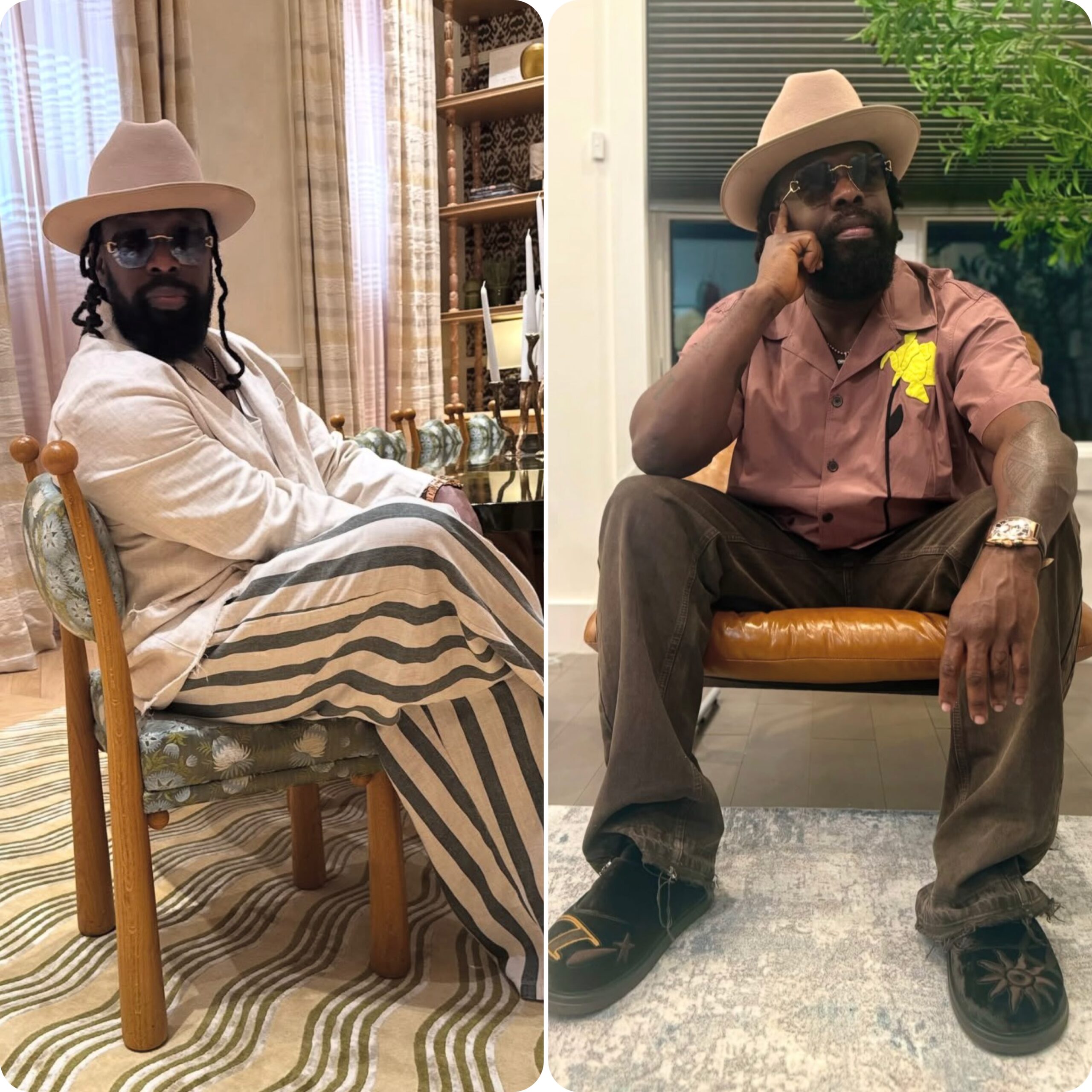
The 10 songs span 2005 to 2019. That is roughly 14 years of Timaya’s recorded career, but the story they tell stretches across more than two decades because the artiste behind them has continued to evolve long after those songs were released.
There is a clear progression.
“Dem Mama” introduced a young artiste willing to tell the story of Odi.
“Plantain Boy” showed where he came from.
“Watta Bambam” captured the confidence that came with survival.
Then came the Upgrade years, when “Sexy Ladies,” “Malonogede” and “Bum Bum” showed how comfortably Timaya could dominate the dance floor.
“Ukwu” carried that formula into the Epiphany era.
“I Like the Way” showed that he could continue adapting.
“Telli Person” showed him working with the next generation.
And “I Can’t Kill Myself” gave listeners a phrase that outgrew the song itself.
There is another telling detail.
When Timaya released Best Of Timaya in October 2014, seven of the 10 songs on this list were already included: “Dem Mama,” “Plantain Boy,” “Bum Bum,” “Sexy Ladies,” “Watta BamBam,” “Ukwu” and “Malonogede.”
That means their staying power was not created by hindsight. They were already being treated as important parts of Timaya’s catalogue while his career was still developing.
And Timaya has not stopped moving.

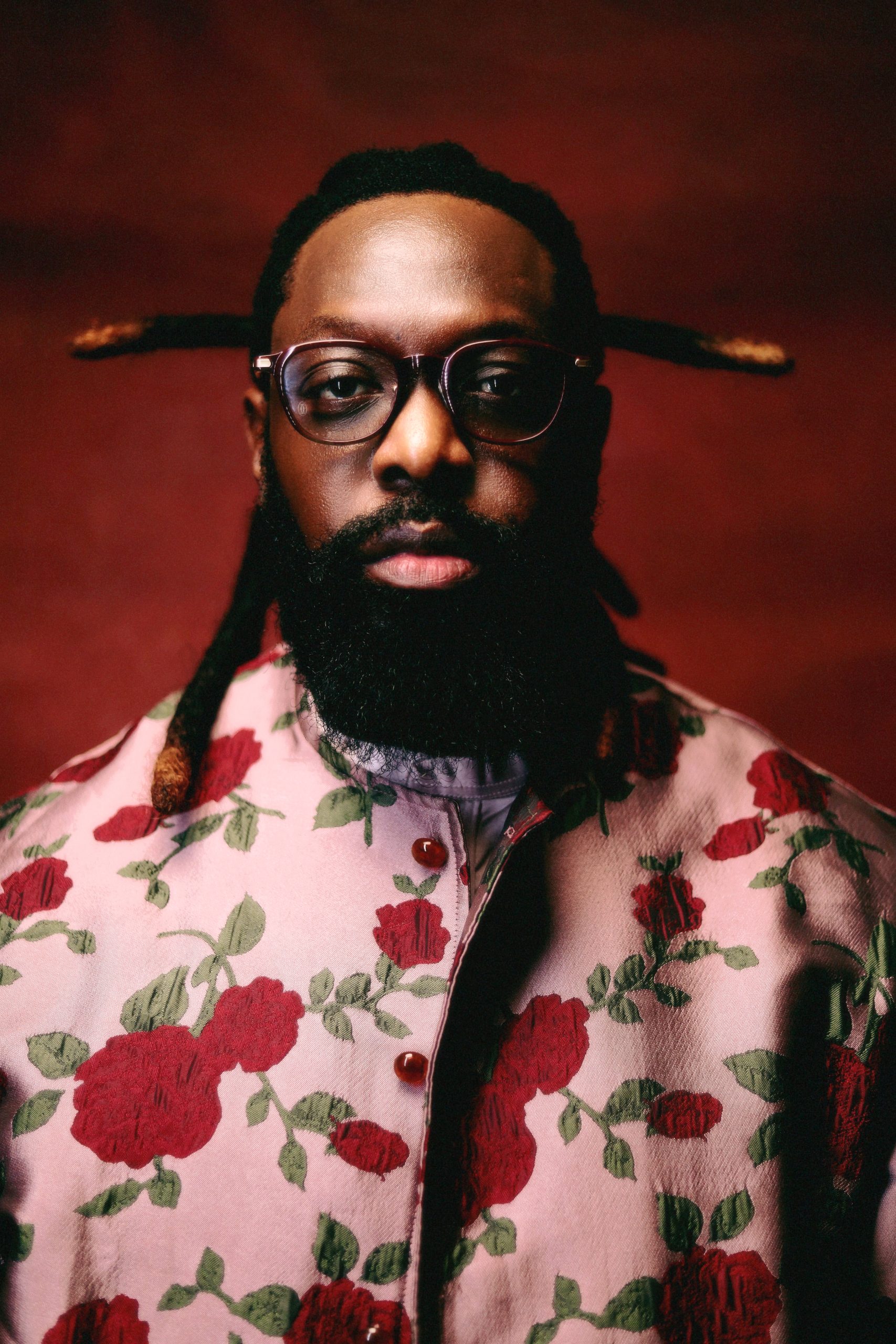
His 2024 album GLADIATOR arrived on August 15, 2024, his 44th birthday, while his catalogue shows new releases continuing into 2026. Apple Music lists “Only God” from May 2026 and “Kontrol” from July 2026.
In other words, the story is not about an artiste looking back because there is nothing new ahead.
And at 46, Timaya has something many artistes spend their entire careers chasing: a catalogue that different generations can claim as their own.
Someone who discovered him through “Dem Mama” heard a different Timaya from the person who first encountered “Bum Bum.” Someone who came in through “Ukwu” may have known little about the Odi story behind his beginnings. Another listener may have first heard him through “Telli Person” or “I Can’t Kill Myself.”
Yet all of them were listening to the same artiste. That may be the real reason these songs still resonate. Timaya has changed without completely changing.
He has moved from telling the story of his community to telling the story of his own rise, from dancehall to Afropop, from solo records to international collaborations and from being the new face of Nigerian music to becoming one of its veterans.
In 2026, his Spotify profile still lists more than 1.2 million monthly listeners, while songs from different periods of his career continue to attract millions of streams. More than two decades after he first stepped forward with “Dem Mama,” Timaya is still making music.
And that makes the 10 songs on this list more than old hits. They are chapters in a career that, at 46, is still being written.