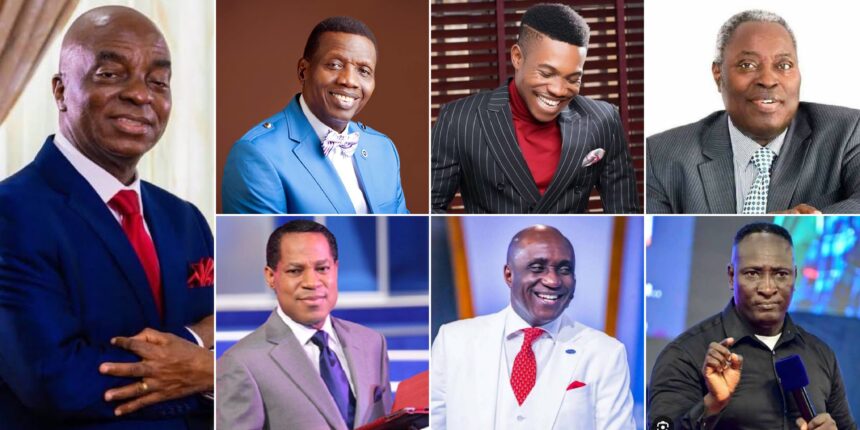
For years, the wealth of Nigeria’s biggest Christian leaders has remained one of those subjects people discuss quietly, loudly, publicly and privately, depending on who is listening. Then came a social media post that placed 7 familiar names in the same conversation and asked a question that was difficult to ignore. Pastor Jerry Eze, Bishop David Oyedepo, Pastor Chris Oyakhilome, Pastor Enoch Adeboye, Pastor David Ibiyeomie, Pastor William Kumuyi and Pastor Jeremiah Omoto Fufeyin were singled out over reports surrounding their wealth, expensive cars, aircraft, mansions, church projects and business interests. The names were already familiar, the ministries were already enormous, but the way the issue was presented created a fresh reason to look beyond the usual internet claims and examine what can actually be established about the men, their ministries and the assets associated with them.
The post by online critic Daniel Regha centred on an apparent contradiction between teachings about the temporary nature of material possessions and the extraordinary wealth associated with some prominent religious leaders. His closing remark captured the argument in a sentence that quickly became the most memorable part of the discussion: “But same leaders will advise the congregations to live a modest life, for all is vanity. Your reward is in heavennnnnn.” That line pushed the conversation beyond the ordinary question of who owns a particular car or who travels by private aircraft. Suddenly, the bigger subject became wealth itself, how it is accumulated, who owns the assets being discussed, how ministry money is separated from personal money and how much of the figures circulating online can actually withstand scrutiny.
1. David Oyedepo’s Canaanland Empire

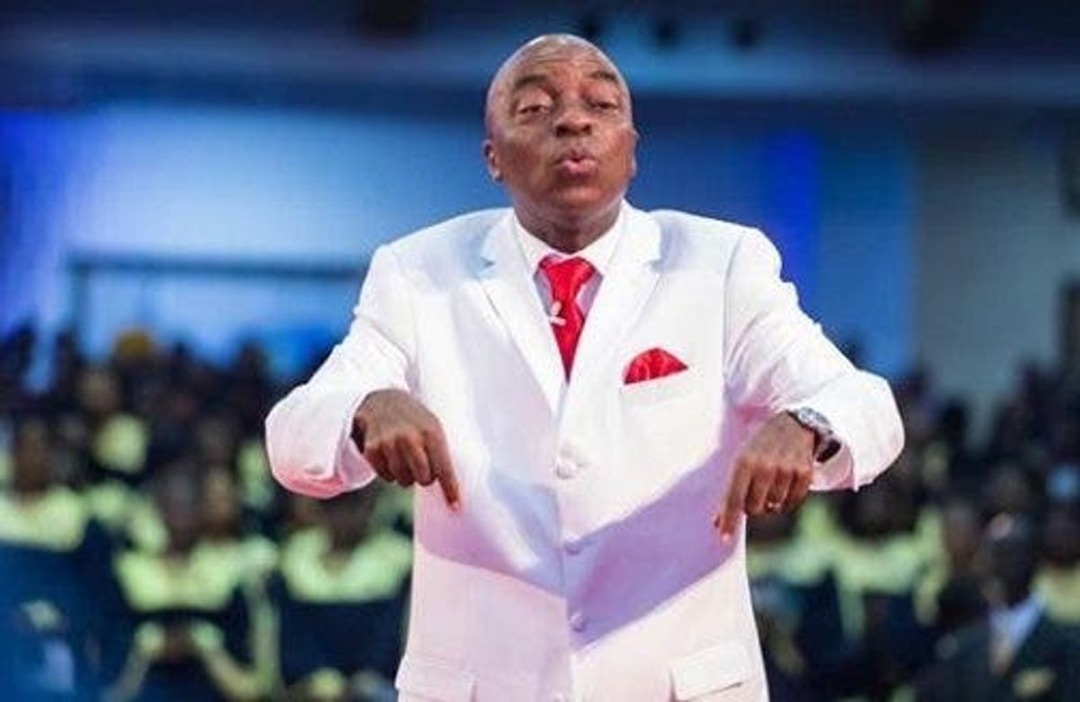
Few names in the conversation carry a larger documented physical footprint than Bishop David Oyedepo, the founder of Living Faith Church Worldwide, popularly known as Winners Chapel. His most visible project is Canaanland in Ota, Ogun State, a sprawling religious and institutional development that has grown far beyond the traditional idea of a church compound. At the heart of the property stands Faith Tabernacle, an enormous worship auditorium that has become one of the most recognisable religious structures in Nigeria. The wider Canaanland environment contains educational institutions, accommodation, staff facilities, commercial establishments, roads, shops, restaurants and other infrastructure, making the site resemble a carefully developed town rather than a conventional church premises.
Canaanland also houses Covenant University, one of Nigeria’s best known private universities, as well as Faith Academy and other educational projects associated with the Living Faith network. Oyedepo is identified with the founding and leadership of these institutions, but that does not mean every building or facility connected to the ministry can automatically be described as his personal property. This distinction becomes extremely important when discussions about pastors’ wealth move from documented institutional assets to claims about personal net worth. A church may possess land worth billions of naira, operate schools, run businesses and maintain large facilities while those assets remain legally connected to the organisation rather than belonging personally to the pastor.
Another development that demonstrated the sheer scale of Canaanland came through Nigeria’s House of Representatives. Parliamentary proceedings recorded that the Federal Government had approved an airstrip for Living Faith Church at Canaanland, following an announcement attributed to Oyedepo in October 2024. The development attracted attention because an airstrip connected to a church headquarters says a great deal about the scale of the institution surrounding the ministry. It is one thing to build a large auditorium, but establishing an environment large enough to require aviation infrastructure places the project in an entirely different category.
Private aviation has also followed Oyedepo throughout his public career. Reports dating back years have linked him with multiple aircraft, including a Gulfstream V reportedly acquired around 2011 for about $30 million. Reports at the time claimed the purchase brought the number of aircraft associated with him to 4 and also mentioned plans for a private hangar near Murtala Muhammed International Airport. Oyedepo himself has previously addressed criticism over aircraft, saying in a sermon reported in 2021 that he purchased his helicopter with his own money and that church funds were not used. The existence of aircraft associated with him is therefore a stronger part of the public record than many of the internet estimates attached to his personal fortune.
2. Chris Oyakhilome’s Global Media Network


Pastor Chris Oyakhilome occupies a different position in the wealth conversation because the organisation surrounding him stretches well beyond conventional church operations. Through Christ Embassy and the wider LoveWorld structure, Oyakhilome has built an international ministry with churches, television operations, publishing, music, digital platforms, large events and extensive media infrastructure. The organisation’s global reach means that its financial and physical footprint cannot be measured simply by counting worship centres or looking at the size of a single auditorium.
LoveWorld’s media activities have become particularly important to the ministry’s identity. Television broadcasting, digital programming, international conferences and publishing have turned the organisation into a major Christian media operation. Rhapsody of Realities, the ministry’s devotional publication, has also become one of the most recognisable products associated with Oyakhilome’s global ministry. Its widespread distribution has helped establish LoveWorld as an organisation with a reach that extends far beyond Nigeria.
The LoveWorld Convention Arena in Lagos is another major physical project connected with the ministry. Large convention facilities require substantial expenditure on land, construction, technology, seating, broadcasting equipment, security, logistics and maintenance. Looking at such projects helps explain why attempts to calculate the wealth surrounding a major ministry using a pastor’s personal possessions alone can produce a distorted picture. The organisation itself may control or operate assets whose value is considerable even when there is no evidence that the pastor personally owns them.
Private aviation has also featured prominently in stories about Oyakhilome. A 2017 report said members of the LoveWorld Music and Arts group presented him with a private jet during the International Pastors and Partners Conference. Other reports have similarly associated him with private aircraft. Yet the history is not as straightforward as some viral posts suggest. An older report from 2010 stated that Oyakhilome did not have a private jet at that time and generally travelled commercially. That historical detail matters because internet wealth articles often compress years of events into one permanent picture, creating the impression that every luxury asset has always belonged to a particular person.
Claims about Bentley cars, Range Rover vehicles, expensive residences and properties in different countries have also circulated around Oyakhilome for years. Some may have originated from genuine reports, while others have been repeated from one online wealth article to another without independent documentation. The safer conclusion is that Oyakhilome leads one of Nigeria’s largest international religious media networks and has been repeatedly linked to substantial personal and ministry assets, while the exact value of his personal estate remains difficult to establish from publicly audited records.
3. Enoch Adeboye’s Redemption City

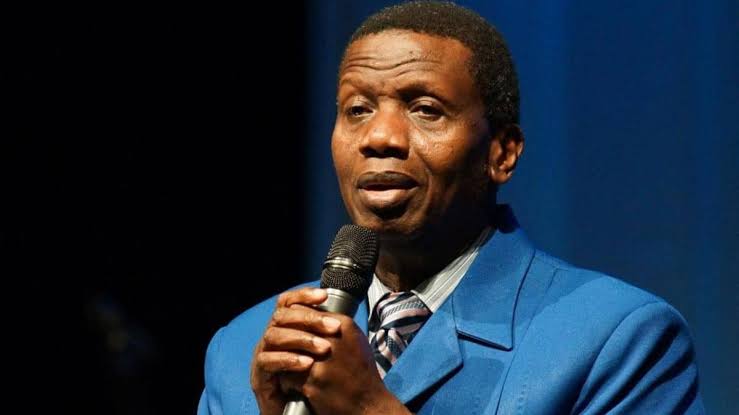
Pastor Enoch Adeboye presents perhaps the clearest example of why ministry property should not automatically be confused with personal wealth. As the long serving General Overseer of the Redeemed Christian Church of God, Adeboye became the public face of a religious organisation whose physical expansion has been extraordinary. The most important property associated with the church is Redemption City, formerly widely known as Redemption Camp, located along the Lagos Ibadan Expressway.
The RCCG development has grown into a massive religious settlement containing worship facilities, residential areas, schools, accommodation, administrative buildings, commercial facilities, roads and other infrastructure. Academic research into RCCG’s expansion has described the Redemption Camp as covering approximately 1,600 hectares. That figure alone illustrates the scale of the organisation’s physical presence. Yet describing the entire estate as Adeboye’s personal property would go far beyond what the evidence establishes.
The distinction is particularly important because Adeboye has occupied a position of enormous influence within RCCG for decades while the church itself has developed a structure that extends across Nigeria and internationally. Buildings erected by RCCG serve congregations, ministries, educational projects, conferences and administrative purposes. Their existence demonstrates the financial capacity and institutional growth of the organisation, but it does not automatically establish that Adeboye personally owns each building or parcel of land.
Private aviation has nevertheless been part of Adeboye’s story. Reports have linked him to a private jet acquired around 2015, an episode that generated considerable public debate. More recent reports have also associated him with 2 aircraft, although the exact ownership status and current aircraft details require proper aviation records before any precise fleet figure is treated as definitive. The private jet issue became controversial largely because of the contrast between the enormous cost of aircraft and the expectations placed on religious leaders by their followers.
Claims about Adeboye’s personal residence have also circulated online, including reports attaching enormous monetary values to properties connected with him. Such valuations should be treated carefully because property value depends on location, land size, construction, ownership structure, date of valuation and market conditions. The stronger fact remains the existence of the enormous RCCG estate and the institutional network surrounding it, while the precise value of Adeboye’s personal wealth remains much harder to verify.
4. David Ibiyeomie’s Glory Dome


Pastor David Ibiyeomie is another name that attracts attention whenever the subject turns to luxury, church construction and the wealth of Nigerian Pentecostal leaders. As founder of Salvation Ministries in Port Harcourt, Ibiyeomie has overseen the development of a major church organisation with a large membership base and substantial physical infrastructure. The most recognisable symbol of that growth is the Glory Dome, a huge worship facility that reflects the scale of investment made by the ministry.
Salvation Ministries has grown from its Port Harcourt base into a wider network of branches and ministry activities. Large churches of this nature require enormous financial resources because construction does not end when the building is completed. Electricity, sound systems, security, maintenance, media production, transportation, staff, accommodation, administration and events all create recurring expenses. Looking at the Glory Dome therefore provides a more concrete picture of the resources flowing through the institution than simply quoting an internet estimate of Ibiyeomie’s net worth.
The private jet question surrounding Ibiyeomie is particularly interesting because reports have repeatedly quoted him saying that he could afford to buy a private jet but preferred to invest money into ministry construction. That statement has often been used to contrast him with other prominent pastors who have been associated with aircraft. Photographs and videos showing Ibiyeomie around private aircraft may exist, but being seen inside or beside an aircraft does not establish personal ownership. Aircraft can be chartered, borrowed, leased or operated by organisations.
Luxury cars have also featured heavily in online stories about Ibiyeomie. Reports have associated him with expensive vehicles and described a substantial car collection. Yet the same problem appears again: many online articles repeat claims without presenting registration documents, purchase records or other primary evidence. The strongest part of Ibiyeomie’s wealth story is therefore the enormous ministry infrastructure he has built and the financial capacity required to sustain it, rather than an exact catalogue of cars allegedly sitting in his personal garage.
5. Jeremiah Omoto Fufeyin’s Mercy City


Prophet Jeremiah Omoto Fufeyin has developed one of the most visually striking ministry projects among the names raised in the controversy. His headquarters, Mercy City in Warri, Delta State, has become closely associated with his ministry and public image. The complex includes worship facilities, accommodation, event spaces, offices, media operations and other infrastructure designed to support the activities of the ministry.
Mercy City represents the broader transformation of many Nigerian churches from ordinary places of worship into large religious ecosystems. Such developments can contain facilities for conferences, visitors, television production, administration, accommodation and major gatherings. The scale of the project has helped make Fufeyin one of the most recognisable Pentecostal figures in Nigeria, particularly among followers attracted to his style of prophetic ministry.
Fufeyin’s private aircraft story is more clearly reported than some of the claims attached to other pastors. Reports emerged in 2018 that he had acquired a private aircraft, with media coverage describing his use of the aircraft for international ministry activities. Images and videos connected with his travels have also contributed to the perception that private aviation is a significant part of his lifestyle.
Luxury vehicles have similarly become part of Fufeyin’s public image. Reports and social media posts have shown expensive vehicles connected with him, while gifts involving cars have attracted attention during celebrations. Still, the same ownership question remains relevant. A vehicle personally purchased by Fufeyin, a ministry vehicle, a vehicle provided for official movement and a vehicle gifted to him are not identical categories. Any serious account of his wealth has to keep those distinctions intact.
6. Jerry Eze’s Digital Wealth Story


Pastor Jerry Eze represents the newest chapter in this conversation because his rise to prominence has been closely connected to digital media. As founder of Streams of Joy International and the face of NSPPD, New Season Prophetic Prayers and Declarations, Eze has built a following that extends well beyond the physical walls of a conventional church. His prayer broadcasts have developed a massive online audience, particularly through YouTube and other digital platforms.
The growth of his YouTube operation has generated considerable attention because online platforms can create new revenue opportunities for religious personalities. Reports have claimed that his channels have generated billions of naira in revenue over various periods, while earlier reports also described his YouTube presence as one of the strongest among Nigerian creators. Such figures, however, should not automatically be described as Jerry Eze’s personal income. YouTube revenue can be affected by platform deductions, taxes, production costs, staff salaries, equipment, ministry expenditure and other operating expenses.
A much more recent development arrived in August 2026 when reports said businessman Obi Cubana had gifted Jerry Eze a luxury mansion estimated at approximately ₦500 million as a birthday gift. Reports by Blueprint and Leadership on August 22, 2026 carried the claim, making it one of the freshest luxury property stories connected with the controversy. The wording remains important because the property was reported as a gift and the ₦500 million figure was presented as an estimate. Treating that estimate as a formally established valuation would go beyond the available evidence.
Eze’s case shows how quickly the meaning of wealth is changing for modern religious leaders. A pastor no longer needs to build the largest physical church in the country to reach millions of people. A powerful digital platform can attract viewers from Nigeria, the United Kingdom, the United States, South Africa and other parts of the world while generating substantial attention and potentially substantial revenue. That makes the financial story around Eze different from the traditional property centred stories associated with older generations of Nigerian Pentecostal leaders.
7. William Kumuyi’s Different Picture

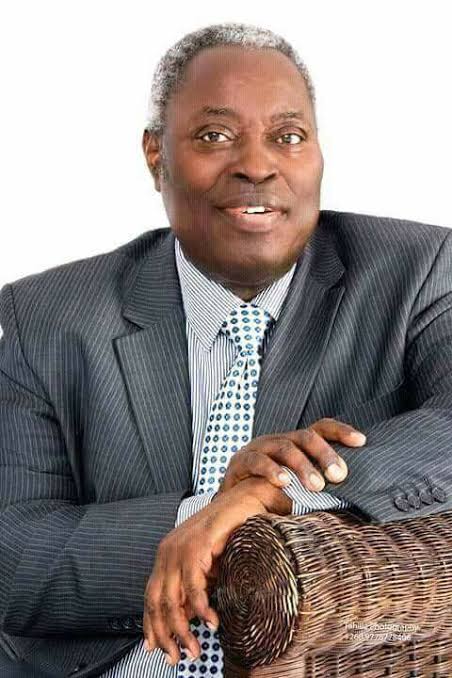
Pastor William Kumuyi stands out because the public image surrounding him has traditionally been far less associated with flamboyant luxury than the image attached to some of the other names. As founder of Deeper Christian Life Ministry, Kumuyi has overseen the growth of a major Christian organisation with churches and facilities across Nigeria and several other countries. Deeper Life has substantial institutional infrastructure, including major worship, conference and educational facilities.
The presence of large ministry buildings does not automatically translate into evidence of a luxurious personal lifestyle. That distinction becomes particularly important in Kumuyi’s case because online discussions sometimes place him in the same wealth category as pastors whose names are routinely associated with private jets, luxury cars and multimillion dollar properties. The evidence available publicly does not establish a comparable personal collection of aircraft, luxury vehicles or extravagant mansions.
One image that has periodically appeared in online discussions involves Kumuyi travelling in a limousine. The photograph has sometimes been used as evidence of luxury, but transportation in a limousine does not establish ownership. A limousine may be hired for an event, provided by organisers or used for official transportation. Without documentation showing personal ownership, it should not be converted into a claim that Kumuyi maintains a fleet of luxury vehicles.
The contrast is important because the controversy involves 7 pastors who have very different public profiles. Oyedepo is associated with an enormous institutional estate, Oyakhilome with a global media network, Adeboye with RCCG’s vast Redemption City, Ibiyeomie with the Glory Dome, Fufeyin with Mercy City, Eze with a rapidly growing digital ministry and Kumuyi with Deeper Life’s extensive church network. Placing all 7 into one simple list of wealthy pastors may be convenient for social media, but the underlying evidence tells a considerably more complicated story.
The Numbers Behind The Debate
Trying to rank the 7 pastors by net worth is where the investigation becomes weakest. Numbers such as $150 million, $100 million, $50 million, $65 million or similar figures have appeared repeatedly on websites that publish celebrity wealth rankings. The problem is that these websites often do not provide audited accounts, property registers, tax documents, company filings or other primary evidence that would allow readers to reproduce their calculations. A figure can therefore appear hundreds of times online without becoming independently verified.
Physical projects provide a stronger trail. Faith Tabernacle is a documented major auditorium, Canaanland is a documented enormous development, Covenant University is a documented institution, Redemption City is a documented RCCG development, the Glory Dome is a documented Salvation Ministries facility, Mercy City is a documented Fufeyin ministry project and LoveWorld’s broadcasting and publishing operations are clearly established. Those facts tell us that these ministries control or operate significant resources without requiring anyone to guess a pastor’s bank balance.
Aircraft require another level of caution because ownership can be checked through aviation records, registration information and corporate documentation. Reports about aircraft may be accurate while still leaving unanswered questions about whether an aircraft belongs personally to a pastor, a company, a ministry organisation or another entity. The same principle applies to cars. Seeing a pastor arrive in a Bentley does not prove that the vehicle belongs to him, just as seeing a pastor inside a private jet does not prove personal ownership of the aircraft.
The Property Question
Mansions have become one of the easiest subjects for online wealth stories because photographs can create the impression of certainty. A large house associated with a pastor is quickly described as his mansion, a price is attached to it and the figure becomes part of the pastor’s supposed net worth. Property ownership, however, is a legal question. A building may belong to a company, church, trust, family member, development company or individual. Without records, the photograph alone cannot settle ownership.
The same caution applies to church estates. Canaanland cannot simply be converted into David Oyedepo’s personal net worth. Redemption City cannot simply be added to Enoch Adeboye’s personal assets. The Glory Dome cannot automatically become David Ibiyeomie’s personal property. Mercy City cannot automatically be counted as Jeremiah Fufeyin’s private estate. Those projects may demonstrate enormous organisational wealth and leadership influence, but they do not establish personal ownership unless the relevant legal and financial records say so.
The Luxury Car Trail
Luxury vehicles form another major part of the viral conversation because they are highly visible symbols of wealth. Nigerian pastors have been photographed around expensive cars for years, and online lists have attached brands such as Bentley, Rolls Royce, Range Rover and Mercedes Benz to prominent religious figures. Some of these associations may be genuine, while others are repeated without sufficient documentation.
Ownership is again the crucial word. A ministry may purchase a vehicle for official duties, a church may provide transportation for its senior leader, a businessman may give a pastor a vehicle as a gift or the pastor may personally purchase the vehicle. Each scenario has a different financial meaning. Treating every expensive vehicle seen around a pastor as a personal possession makes the resulting wealth estimate unreliable.
The Private Jet Trail
Private aircraft are even more revealing because their cost and operating expenses make them powerful symbols of wealth. Aircraft associated with Oyedepo, Oyakhilome, Adeboye and Fufeyin have received substantial media attention over the years, while Ibiyeomie has publicly been linked to statements about choosing ministry construction instead of buying a private jet. These different stories show why the phrase “pastor with a private jet” requires more detail before it can be treated as a complete financial fact.
A private aircraft also carries costs beyond its purchase price. Maintenance, crew, fuel, insurance, hangar fees, inspections and international operating requirements can create significant annual expenses. That means even when ownership is established, the real financial picture requires more than quoting the purchase price. The aircraft’s age, model, ownership company, usage pattern and financing arrangement can all affect its true cost.
The Ministry Wealth Question
The biggest fact emerging from the 7 names is that Nigeria’s major Pentecostal ministries have become large institutions. They operate churches, schools, universities, media platforms, publishing companies, conference centres, residential developments, charity programmes and commercial facilities. Some have international branches stretching across continents, while others have built enormous digital audiences capable of reaching millions of viewers without physical attendance.
That growth naturally creates questions about accountability. When a ministry becomes an organisation with thousands of employees, substantial property holdings, multiple businesses and international operations, its financial structure becomes more complicated than the finances of an ordinary congregation. The public may see a pastor as the face of the institution, but the legal and financial ownership of its assets can involve boards, companies, trustees, ministry organisations and other structures.
Where The Evidence Is Strongest
The strongest evidence among the 7 cases concerns institutional scale. Oyedepo’s Canaanland network is extensively documented, Adeboye’s Redemption City is well established, Oyakhilome’s LoveWorld media operation is visible internationally, Ibiyeomie’s Glory Dome is a major physical project, Fufeyin’s Mercy City is a substantial ministry complex, Eze’s NSPPD platform has demonstrated extraordinary digital reach and Kumuyi’s Deeper Life organisation has built a major international church network.
Evidence becomes weaker when the discussion moves toward exact personal net worth. The internet is full of figures, but repetition is not verification. A wealth estimate appearing on 20 websites does not mean 20 independent investigations produced the number. Often, several websites are simply copying an older figure from another publication, creating an illusion of multiple sources.
The Question Behind The Question
The controversy sparked by Daniel Regha’s August 2026 post ultimately leads to a much bigger issue than the price of a car or the value of a mansion. It raises the question of how society should understand wealth attached to religious leadership when the same leaders operate institutions worth enormous sums and speak regularly about spiritual priorities, humility, sacrifice and the temporary nature of earthly possessions.
There is no single financial story covering all 7 pastors. Their ministries were built in different periods, their organisational structures are different, their sources of influence are different and the evidence available about their personal assets varies considerably. Oyedepo’s story is dominated by the physical scale of Canaanland, Oyakhilome’s by global media, Adeboye’s by RCCG’s enormous estate, Ibiyeomie’s by Salvation Ministries’ infrastructure, Fufeyin’s by Mercy City and private aviation, Eze’s by digital influence and a recent reported property gift, while Kumuyi’s public image remains considerably more restrained.
That is why the most revealing part of the controversy may not be discovering which pastor is supposedly worth the most. It is understanding the distance between a pastor, a ministry, a church owned asset, a personally owned asset, a reported valuation and an internet estimate. Once those categories are separated, the picture becomes clearer, but the questions surrounding wealth, luxury and religious leadership become even harder to dismiss.
For now, the documented evidence shows 7 influential Nigerian pastors surrounded by religious institutions of extraordinary scale, while the exact size of their personal fortunes remains much less certain than social media often suggests. The buildings can be seen, the churches can be counted, the media networks can be traced and some aircraft have been reported, but the private balance sheets remain largely outside public view. That gap between what can be seen and what can actually be proved is where the real story lies.