What he seeks to achieve is to take the enormous attention on the president and the criticism that has come his way on petrol subsidy removal and handling of what accrued to the government financially from such, and shift people’s focus to the governors, who are not exactly known to be sticklers for transparency, probity and openness.
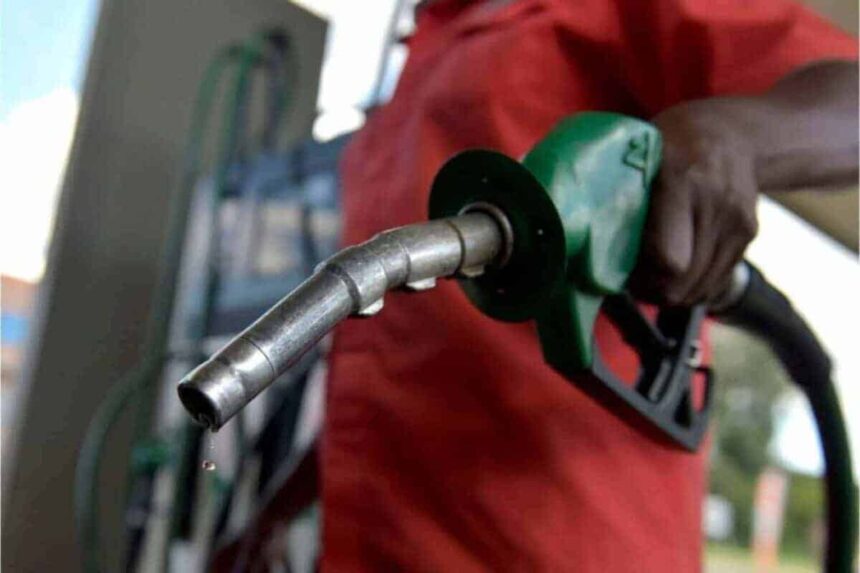
The removal of the subsidy on premium motor spirit (PMS), better known as petrol, is a topical and polemic issue that has continued to spark debate even long after the current administration removed it. The matter featured prominently in public discourse during electioneering for 2023 and now dominates campaign rhetoric in the build-up to the 2027 general election.
However, while the conversation around the petrol subsidy in 2023 centred around the soundness of reason and strength of argument regarding the abolition of the policy, the discourse around the programme has moved to the socio-economic impact of its abolition on the citizens and the fiscal implications of how the government has managed the financial proceeds that accrue to it from the removal of the petrol subsidy. There are pervasive concerns and reservations that the removal of the subsidy has not had any material positive impact on Nigerians; if anything, Nigerians have witnessed a troubling deterioration in the standard of living as they are impoverished by disturbingly weak and decimated purchasing power, which is brought about by the fallout of the subsidy removal.
However, this brutal and devastating socio-economic impact that the abolition of the petrol subsidy caused has been attributed to the management of the aftermath of the decision rather than the decision to terminate the programme itself. One narrative that has gained public consensus is that petrol subsidy removal has plunged many Nigerians into economic hardship and despondency, and that the presidency, governors and other elected high-ranking public officials are benefiting from the decision as they line their pockets with the despair and suffering of Nigerians who are left to bear the crushing burden of exceedingly high energy costs.
This distressing lack of transparency and accountability on the financial gains of petrol subsidy removal is evident; the profligacy of many government officials and the economic misfortune that has been the lot of many Nigerians since the haphazard removal of the subsidy have prompted a call for the return of petrol subsidy. While the call for subsidy reinstatement dominates public discourse, there has also been debate over who should be blamed or held responsible for the mismanagement and misappropriation of subsidy savings.
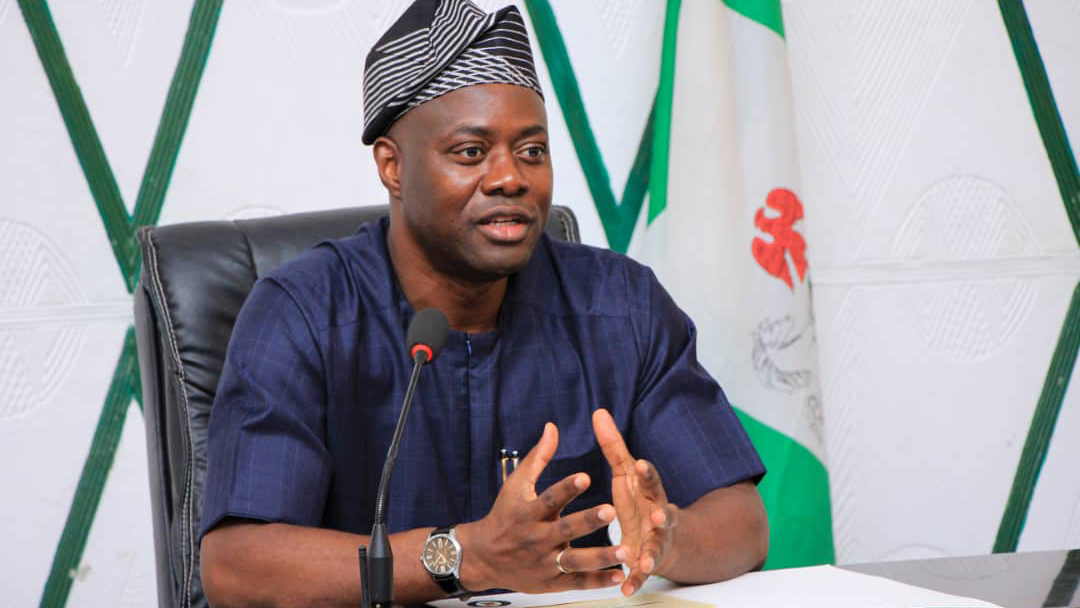
On Thursday, Ogun State Governor, Dapo Abiodun, said state governors, rather than President Bola Tinubu, should be held responsible for explaining how funds accruing from the removal of petrol subsidy are being spent. The governor said the removal of the subsidy had increased allocations to state governments, making governors better positioned to account for how the additional revenue was being utilised.
The governor, who spoke at a rally organised by the All Progressives Congress (APC) in Ogun, was reacting to criticism from opposition politicians over the management of funds saved from the removal of the petrol subsidy.
Abiodun’s remark that governors and not the president should be held accountable for how funds that accrue to the government from the removal of the petrol subsidy are spent is not exactly the kind of statement that will sit well with Nigerians, given how President Tinubu unilaterally terminated the programme. Shifting the burden of accountability and transparency from Tinubu to the governors smacks of an attempt to exonerate the president from the severe and disruptive fallout of his policy.
First of all, Tinubu removed petrol subsidies without proper and extensive measures to cushion their crushing effects on the people. This decision is not the remit of the governors, so it is only natural that people will excoriate the president and channel their anger towards him. Also, it is disingenuous to make out the president to be one helpless, overwhelmed and overpowered figurehead who cannot check the excess of the governor and compel them to do what is best for the people. The president’s party controls 31 of the 36 states, and we have seen him unilaterally remove a governor who did not align with his political objectives from office, brazenly violating the constitution in the process.
Secondly, the crude political arrangement and unrefined style of governance in Nigeria make holding governors accountable, responsible and questioning them practically impossible. In Nigeria, public officers are not in the business of serving the people but corruptly enriching themselves and protecting their interests, and they do this by showing fealty and pledging unspoken allegiance to the president. Once they are able to ingratiate themselves with the president, who himself cares less about public good and people-oriented governance, they can get away with virtually anything.
In this case, it is difficult to hold the governors accountable for the negative impact of a policy implemented by the president who places loyalty over probity and accountability and turns fealty into armour that shields those in his good graces from being questioned or prosecuted. Many people are also fully aware that asking hard, pertinent questions and criticising governors is a perilous endeavour, which many have lost their lives to, so when a governor says he and his colleagues should be the ones to be held accountable for the proceeds of subsidy removal, he is not saying they have suddenly become harmless and approachable elected public officials who are ready to be answerable and accountable to the people they should be serving; what he seeks to achieve is to take the enormous attention on the president, and the criticism that has come his way on petrol subsidy removal and handling of what what accrued to the government financially from such a decision and shift people’s focus to the governors who are not exactly known to be a stickler for transparency, probity and openness.
At the end of the day, when everything is said and done, the blame for the fallout and aftermath of subsidy removal will be placed squarely at the feet of the president because it is a decision he solely and unilaterally made, then proceeded to give the governors the latitude and leeway to act in a manner that significantly undermines whatever positive impact and success the policy would have produced.