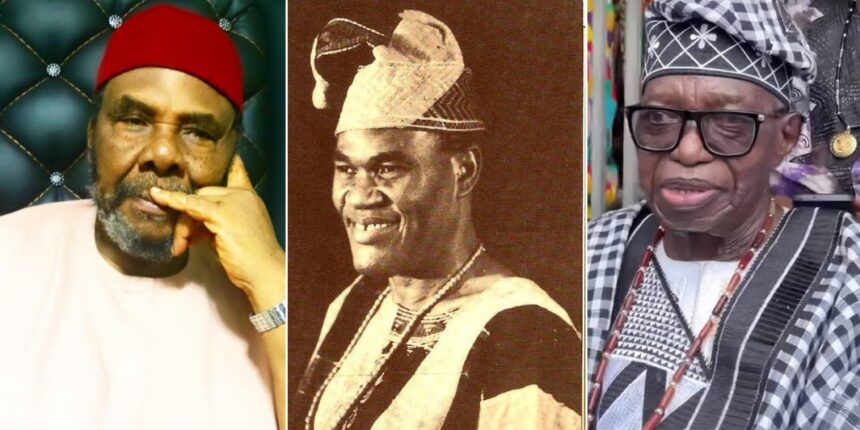
The question of seniority in Nigerian acting has returned to public attention after veteran actor Pete Edochie spoke about the beginning of his acting career and where he stands among generations of Nigerian performers. At first glance, the conversation appears to be another discussion about who came first, who has spent the longest time on stage or screen, and which veteran deserves the strongest claim to seniority. The deeper the history is examined, however, the more complicated the answer becomes, especially when the careers of actors who started working decades before the Nollywood era are brought into the conversation.
That is where Lere Paimo enters the picture with a career recollection that reaches further back than the date associated with Edochie’s early acting experience. Paimo’s account has now drawn attention because he placed his professional beginning in 1958, while also making a point that could be even more important than the year he mentioned. His own recollection points beyond himself to an earlier generation of Nigerian theatre, bringing the name Hubert Ogunde into a debate that many people had initially understood as a comparison between 2 famous veterans.
The development has opened an interesting window into the history of Nigerian acting because the story cannot be properly understood through Nollywood alone. Long before the word Nollywood became attached to Nigeria’s film industry, theatre practitioners were already building audiences, travelling with dramatic productions, developing indigenous performance traditions and creating the foundation upon which later generations would build. The names attached to that earlier period remain essential to understanding who was really there first.
The conversation that started the latest debate
Pete Edochie’s recent appearance on the “Curiosity Made Me Ask” podcast brought his long acting career back into public discussion, particularly his account of how early he entered the profession. Edochie explained that he started acting on stage at 15 in 1962, with his early experience including a performance of “The Merchant of Venice”. His account is significant because 1962 places the beginning of his acting journey several decades before the modern Nollywood industry became the dominant description of Nigerian film and television entertainment.

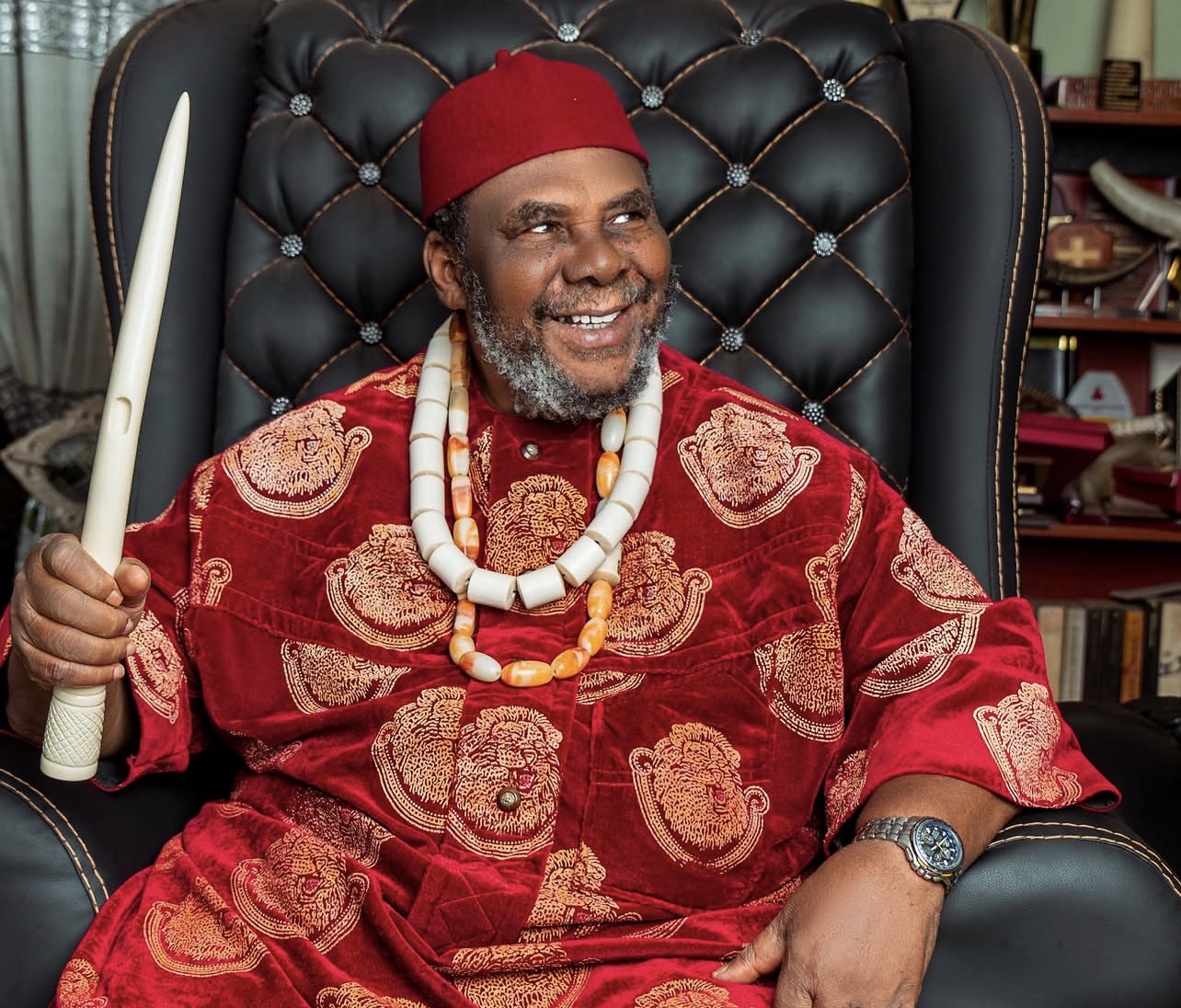
Edochie’s point also went beyond simply establishing that he had been acting for a long time. His career began at a period when Nigerian theatre, television and cinema were developing through very different structures from those familiar to today’s actors. His later rise through broadcasting and television, followed by the enormous recognition he received for his portrayal of Okonkwo in “Things Fall Apart”, eventually made him one of the most recognisable faces in Nigerian acting. That history explains why a discussion about his seniority can quickly become a much larger conversation about the evolution of Nigerian entertainment.
Reports from the podcast discussion subsequently circulated online with interpretations that Edochie had positioned himself as having no senior colleague in Nollywood. That interpretation brought a particular question to the surface because Nigerian acting history did not begin with the industry that later became known as Nollywood. Many performers who worked before the home video boom belonged to theatre, television and earlier forms of Nigerian cinema, and their careers cannot simply be measured by the period when Nollywood became internationally recognised.
The distinction matters because a person can be senior within one generation or section of the industry without being the earliest professional actor in the entire history of Nigerian performance. Once those different meanings of seniority are separated, the conversation becomes easier to understand. Age, professional starting date, stage experience, television history, film career and contribution to the development of Nigerian theatre are all different measures, and they do not necessarily produce the same name at the top.
Lere Paimo brings 1958 into the conversation
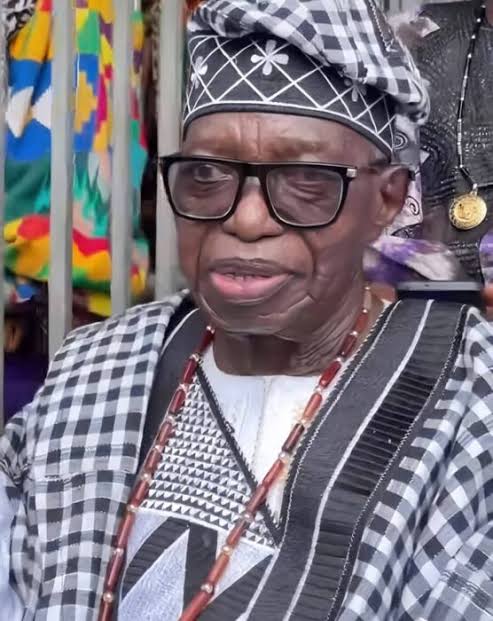
Lere Paimo’s response changed the direction of the discussion because his own account reaches back to 1958. In a video shared by actor Kunle Afod on YouTube on September 14, 2026, the veteran spoke about his career and addressed the question surrounding seniority among Nigerian actors. His recollection placed his professional beginning several years before the date given by Edochie, creating a direct chronological comparison between the 2 careers.
Paimo said, “I started acting professionally in 1958.” That statement is important because it provides a clear date from the actor himself, rather than relying entirely on later summaries of his career. It places Paimo’s professional acting experience 4 years before Edochie’s stated 1962 beginning, although historical biographies have also carried different dates concerning the precise period when Paimo joined particular theatre groups.

The difference between 1958 and 1962 may appear small when discussing careers that now span more than 6 decades, but seniority debates often depend on exactly those early years. A performer who entered professional theatre several years earlier could have been part of an older generation of performers before a younger actor arrived. That is particularly important in Nigerian theatre, where apprenticeship, theatre companies and personal mentorship played significant roles in the development of performers.
Paimo’s account becomes even more interesting because he did not present 1958 as the beginning of Nigerian acting. His recollection pointed backwards to another generation. He explained that when he entered the profession, he met Hubert Ogunde already active in acting. That detail changes the shape of the entire conversation because it means Paimo’s own seniority claim still sits within a much older theatrical history.
The implication is straightforward. If Paimo’s professional career began in 1958 and he encountered Ogunde already active in the profession, then the question of who was senior cannot be settled simply by comparing Paimo with Edochie. Another name was already part of the professional theatre landscape before Paimo entered it.
Hubert Ogunde changes the entire picture
Hubert Ogunde’s name carries enormous weight in this discussion because his place in Nigerian theatre history goes far beyond being an older actor. Ogunde was born in 1916 and became one of the foundational figures associated with modern Nigerian theatre and indigenous performance. His work helped establish a theatrical tradition that influenced generations of performers and dramatists who came after him.
That history places Ogunde in a completely different generation from both Lere Paimo and Pete Edochie. Paimo was born in 1939, while Edochie was born in 1947. Ogunde was therefore born decades before both men, and his professional activities belonged to an earlier period of Nigerian performance history. His significance comes not merely from his age but from his contribution to the development of theatre as a serious and organised form of Nigerian entertainment.
Paimo’s recollection therefore carries historical importance because he placed himself within a chain of professional experience rather than claiming to have started the story. His account effectively points towards an older generation that was already active when he arrived. That makes the discussion much bigger than the question of whether Paimo started before Edochie.

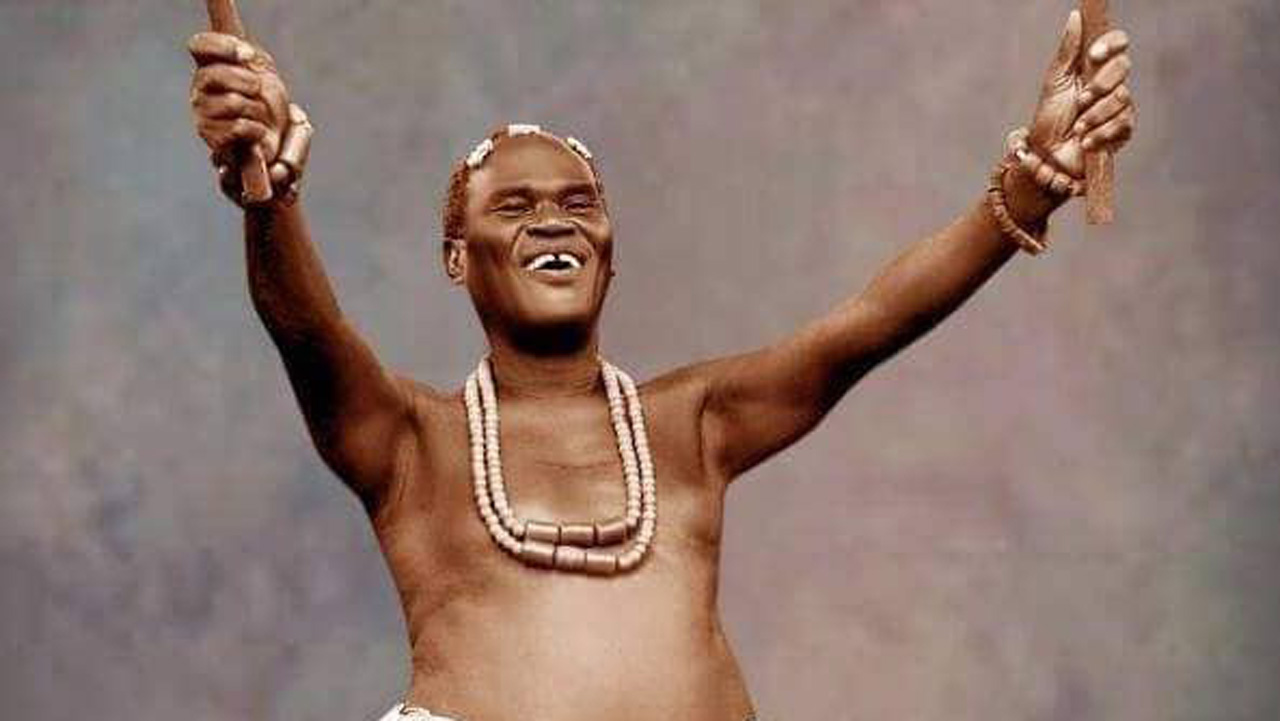
Ogunde’s presence also reminds readers that Nigerian acting has a history that predates the terminology commonly used today. Theatre groups were performing for Nigerian audiences long before the home video market created the huge commercial ecosystem that later became associated with Nollywood. Actors developed reputations through stage productions, travelling theatre companies, radio, television and cinema, with many of those careers existing independently of the modern film industry.
That historical background explains why Ogunde’s name suddenly matters so much. His inclusion does not merely give the debate another veteran to mention. His career represents an earlier foundation from which later generations emerged, including performers who eventually became important figures in Nigerian television and film.
The 1958 date deserves careful attention
Paimo’s statement about 1958 is significant, but it should be presented carefully because biographical accounts have not always used exactly the same date when describing the beginning of his professional career. Some accounts place his entry into acting around 1958, while others associate his joining of the Oyin Adejobi theatre group with around 1960. His later connection with the Duro Ladipo Theatre Group is also an important part of his development as a performer.
That difference does not erase Paimo’s own recollection. It simply means a responsible account should distinguish between what the actor personally says and what different historical biographies have recorded. The safest formulation is that Paimo says he began acting professionally in 1958. That preserves the importance of his statement without turning a disputed biographical date into an unquestionable historical fact.
Such caution is especially necessary when discussing Nigerian theatre history because much of the story was built through travelling companies, live performances and personal recollections. Records from earlier decades are not always as comprehensive as the digital records available for contemporary entertainment. Some careers were documented through newspapers, books, interviews and theatre archives, while other details survived largely through the memories of performers and people who worked with them.
Paimo’s career itself demonstrates why these distinctions matter. His name is connected to Yoruba theatre, television and film, and his professional journey crosses several eras of Nigerian entertainment. A career that began around the late 1950s cannot be adequately described only through the modern language of Nollywood because much of the foundation of that career was created before Nollywood existed as the dominant industry label.
The 1958 claim therefore works best as an important piece of the timeline rather than as the final answer to the question of who is the oldest actor. It establishes that Paimo’s professional acting journey reaches earlier than Edochie’s stated 1962 beginning, while his own recollection points to someone who was already active before him.
Pete Edochie’s 1962 beginning tells another story
Edochie’s account that he started acting on stage at 15 in 1962 remains significant even when Paimo’s earlier date is considered. The fact that his career began before the rise of Nollywood is an important part of his place in Nigerian entertainment history. He entered acting during a period when Nigerian theatre and television were still developing and when the structures that would later produce modern Nigerian film had not yet taken their present form.
His early stage experience also provides context for the authority he has carried within Nigerian acting for decades. Edochie eventually became widely known beyond theatre through broadcasting and television, while his performance as Okonkwo in “Things Fall Apart” became one of the roles most strongly associated with his name. His distinctive voice, screen presence and commanding performances later established him as one of the defining elder figures of Nigerian acting.
The fact that Edochie began acting in 1962 means he belongs to a generation that predates the era most people now associate with Nollywood. The modern Nigerian film industry gained much of its distinctive identity during the home video era of the late 1980s and 1990s, long after Edochie had already begun building his career. That distinction is essential when interpreting any statement about seniority.
Edochie’s career therefore represents one important part of the wider Nigerian acting story. Paimo’s career represents another. Ogunde’s career reaches further back into the development of indigenous Nigerian theatre. None of those histories has to erase the others for the timeline to make sense.
The confusion begins when the term Nollywood is used as though it covers every form of Nigerian acting that existed before it received that name. Nigerian performers were already working, training, touring and building audiences decades earlier. The modern industry inherited people, traditions and performance practices from those earlier periods.
Nigerian theatre was already established before Nollywood
Nigerian theatre has roots that reach far beyond the home video boom. Yoruba travelling theatre traditions developed strongly during the 1930s and 1940s, creating a performance culture that would later influence many important Nigerian theatre practitioners. Those productions were often taken directly to audiences through travelling companies, creating a model that depended heavily on live performance, storytelling, music and indigenous cultural expression.
Hubert Ogunde became one of the most important figures associated with this development. His work helped demonstrate that Nigerian stories, language, music and social experiences could become the foundation of organised theatre for large audiences. The theatrical tradition that followed produced generations of performers who would later become familiar names in Nigerian entertainment.
Names such as Oyin Adejobi, Duro Ladipo, Ishola Ogunmola and Lere Paimo belong to that wider history. Their careers developed through a system that was very different from the modern film production environment. Theatre companies were central to professional development, and performers often learned their craft through long periods of practical experience rather than through the celebrity driven pathways common today.
That history is why the question of who is senior requires more than a simple comparison of film appearances. A performer could have spent decades working in theatre before becoming known to television audiences. Another could have entered television first and later become famous through film. Someone else could have become a household name during the Nollywood era while still having an earlier stage background.
Nollywood became a powerful identity for Nigerian cinema, but it was not the birthplace of Nigerian acting. The industry grew out of a much longer cultural and theatrical tradition, and the careers of older performers provide a direct link to those earlier periods.
The Golden Age came before the home video era
Nigerian cinema also had an important history before the modern Nollywood era. The period often described as the Golden Age of Nigerian cinema stretched broadly from the late 1950s through the 1980s, with filmmakers, actors and production structures developing before the home video boom transformed the industry.
That history is important because it places Edochie’s 1962 acting beginning within a period when Nigerian screen entertainment was already evolving. His early stage career was therefore part of a wider entertainment environment that existed before the commercial structure associated with Nollywood became dominant.
The home video era later changed how Nigerian stories were produced, distributed and consumed. Films could reach audiences through video markets without depending entirely on the older cinema distribution system. That transformation created opportunities for a new generation of actors and filmmakers and eventually helped turn Nollywood into one of the most recognised film industries in Africa.
Veterans from earlier generations continued into that new era, carrying with them experience from theatre, television and older forms of cinema. That is one reason actors such as Paimo and Edochie became so influential within the modern Nigerian entertainment conversation. They represented links between different periods of the industry’s development.
Calling one period Nollywood does not make the earlier decades disappear. The history runs continuously from indigenous theatre traditions to travelling companies, from early cinema to television, from stage acting to home video and eventually to the streaming driven industry of today.
Paimo’s statement contains an important qualification
The most interesting part of Paimo’s response may not actually be the 1958 date. His admission that he had already encountered an older theatrical figure when he entered the profession provides the clearest clue about how the seniority debate should be approached.
His recollection effectively places the careers into a wider timeline. Paimo says he started professionally in 1958. Edochie says he started acting on stage in 1962. Before Paimo entered professional acting, Ogunde was already active. The dates therefore create a historical progression that extends beyond the 2 men currently being discussed.
That progression can be understood simply as Ogunde’s generation preceding Paimo’s, with Edochie’s professional beginning coming later. It does not reduce Edochie’s contribution, nor does it make Paimo the absolute starting point of Nigerian acting. Instead, it shows how several generations overlap.
Such overlaps are common in long artistic traditions. Older performers can still be active when younger actors begin their careers, allowing one generation to influence another. The seniority of a performer can therefore refer to age, years in the profession, position within a theatre tradition or length of time in a particular branch of entertainment.
Paimo’s own account is especially revealing because he appears to understand that distinction. By mentioning that Ogunde was already acting when he began, he places his own career within a history that existed before him. That is precisely why Ogunde’s name has become central to the discussion.
The age comparison provides another clear timeline
Age adds another layer to the conversation. Hubert Ogunde was born in 1916, Lere Paimo was born in 1939, while Pete Edochie was born in 1947. On age alone, Ogunde was older than both Paimo and Edochie, while Paimo was older than Edochie.
Those dates provide a straightforward answer to one part of the seniority question. Paimo is older than Edochie, while Ogunde belonged to an even earlier generation. Age, however, is only one measure of seniority in the entertainment profession.
Professional starting dates produce another timeline. Paimo says he began acting professionally in 1958, while Edochie says he began acting on stage in 1962. That gives Paimo an earlier stated professional starting point by 4 years. Ogunde’s established place in Nigerian theatre history places his professional activity before Paimo’s own entry.
The result is a layered history rather than a single winner. Age points in one direction. Professional entry dates provide another comparison. Historical influence adds another dimension. The modern Nollywood era provides another.
That is why the phrase “senior actor” can be misleading when used without explaining the category being discussed. Someone may be a senior Nollywood actor because of when they became established within the film industry, while another performer may be senior in the wider history of Nigerian theatre.
Why the word Nollywood creates confusion
The word Nollywood has become so closely associated with Nigerian acting that it is easy to forget how recent the label is compared with the age of Nigerian theatre. Modern audiences often use Nollywood to describe Nigerian actors, directors, producers and filmmakers across several generations, even though many of the industry’s most respected veterans began their careers before the term became widely used.
That creates a historical problem whenever seniority is discussed purely through the Nollywood framework. Actors who spent years building careers through theatre or television may have professional histories that began long before the industry acquired its current identity.
Edochie’s own 1962 starting point demonstrates this clearly. He was already an actor long before the home video era became the defining commercial force in Nigerian film. Paimo’s stated 1958 beginning takes the timeline further back. Ogunde’s place in Nigerian theatre history takes it further still.
The correct historical picture is therefore broader than Nollywood. Nigerian acting developed through several overlapping stages, and the modern film industry represents one major chapter rather than the entire book.
That distinction also explains why older actors sometimes speak about theatre experience with a different understanding of seniority from younger generations. For performers who entered through travelling theatre groups, professional seniority could involve years of apprenticeship, performance experience, membership of established companies and relationships with senior practitioners.
The role of Oyin Adejobi in Paimo’s journey
Oyin Adejobi is another name that helps place Paimo’s career within the older theatrical tradition. Some biographical accounts connect Paimo’s early professional development with the Oyin Adejobi theatre group around 1960, even though Paimo himself places his professional beginning in 1958.
That difference illustrates the importance of distinguishing between the date someone first began acting professionally and the date they joined a particular theatre company. A performer can begin working before joining a specific group, and later biographies may use the better documented company membership as a reference point for the beginning of a career.
Paimo’s subsequent association with the Duro Ladipo Theatre Group further strengthened his place within Yoruba theatre history. Duro Ladipo’s theatrical tradition became one of the major cultural forces associated with Yoruba drama, and performers connected with that environment carried the tradition into later stages of Nigerian entertainment.
Paimo’s career therefore cannot be reduced to his appearances in modern Nigerian films. His professional identity was shaped by theatre, and that theatre background is precisely what makes his recollection relevant to a conversation about Nigerian acting seniority.
The importance of documenting Nigerian acting history
Kunle Afod’s decision to share Paimo’s response has also brought attention to a broader problem surrounding the documentation of Nigerian entertainment history. Many stories about older theatre practitioners exist through interviews, biographies, archived publications and personal recollections, while the level of documentation available for contemporary actors is much greater.
That difference can create confusion when younger audiences try to establish who came before whom. A performer who became famous through television or film may be far more visible online than someone whose greatest contribution came through stage productions decades earlier.
Visibility, however, is not the same thing as seniority.
Ogunde’s career is a clear example. His influence on Nigerian theatre cannot be measured simply by how often contemporary audiences encounter his name on social media. His importance lies in the theatrical structures, performances and cultural traditions associated with his work and the generations that followed.
Paimo’s recollection therefore serves as more than a response to Edochie. It is also a reminder that Nigerian entertainment history contains several generations of performers whose contributions deserve to be properly recorded. Without that documentation, public discussions about seniority can easily become simplified comparisons between the most famous surviving names.
What the timeline actually shows
The timeline becomes clearer when the available dates are placed beside one another. Hubert Ogunde was born in 1916 and belonged to an earlier generation of Nigerian theatre pioneers. Lere Paimo was born in 1939 and says he began acting professionally in 1958. Pete Edochie was born in 1947 and says he began acting on stage at 15 in 1962.
Those dates create a simple progression. Ogunde’s professional theatrical activity came before Paimo’s stated 1958 beginning. Paimo’s stated professional beginning came before Edochie’s stated 1962 stage beginning. That is the historical framework created by the accounts currently being discussed.
The timeline also explains why Paimo’s response has attracted attention. He is not merely an older actor responding to another older actor. He is a performer whose own career reaches back into a period when Nigerian theatre was developing outside the modern Nollywood structure.
Edochie’s place remains substantial because his career also crosses major periods of Nigerian entertainment. His early stage work, broadcasting career and later film success place him among the country’s most influential actors. Paimo’s theatre history gives him another kind of seniority, particularly within Yoruba performance traditions.
Ogunde represents the earlier foundation that makes both stories easier to understand. His name places the careers of later actors within a much longer Nigerian theatrical tradition.
The seniority question has more than one answer
As the debate continues, the most accurate answer depends on the definition being used. If the question is about age, the dates show Ogunde ahead of both Paimo and Edochie, while Paimo is older than Edochie. If the question is about the professional starting dates being discussed, Paimo’s 1958 account places him 4 years ahead of Edochie’s 1962 stage beginning.
If the question is about the history of modern Nigerian theatre, Ogunde’s name becomes unavoidable because his contribution belongs to an earlier period that helped shape indigenous professional theatre. If the question is specifically about Nollywood, the answer becomes more complicated because Nollywood itself emerged much later than the careers of many of the veterans now associated with it.
That is why the current conversation should not be reduced to one actor defeating another in a seniority contest. The dates tell a more useful story. Nigerian acting has developed through generations, and each generation inherited something from those who came before.
Paimo’s 1958 statement has therefore done more than place his career before Edochie’s 1962 beginning. It has reopened a much older chapter of Nigerian entertainment history and brought attention back to the performers who built the theatrical traditions that existed before the modern film industry took shape.
Hubert Ogunde’s name remains the crucial link
The significance of Hubert Ogunde in this debate rests on one simple fact: he represents a generation that predates both Paimo and Edochie. His place in Nigerian theatre history provides the missing context for understanding why the seniority conversation cannot begin with the actors who became household names through television and Nollywood.
Paimo’s recollection that he met Ogunde already acting when he entered the profession is particularly powerful because it comes from someone who himself started decades ago. The statement places Paimo within an existing theatrical tradition rather than at its beginning.
That is the point that gives the current discussion its historical weight. The question is no longer simply whether Paimo is senior to Edochie. The deeper question is how many generations of Nigerian performers existed before the industry acquired the identity now known around the world as Nollywood.
The answer reaches back through Yoruba travelling theatre, indigenous dramatic traditions, early Nigerian cinema, television and the work of pioneers such as Ogunde. Paimo belongs to one of those important generations. Edochie belongs to another. Their careers overlap with the transformation of Nigerian entertainment across several decades.
Seen from that wider perspective, the latest exchange becomes less about a personal disagreement and more about a reminder of where Nigerian acting came from.
The story behind the seniority debate
Pete Edochie’s account of beginning stage acting at 15 in 1962 establishes a career that began long before modern Nollywood became a major global entertainment brand. Lere Paimo’s statement that he started professionally in 1958 places his own career further back, while his recollection of encountering Hubert Ogunde before him points towards an even earlier generation.
Those dates matter because they prevent Nigerian acting history from being compressed into the Nollywood era. The industry that audiences recognise today was built on foundations created by theatre practitioners, television performers and cinema pioneers who were already working when the word Nollywood had no place in the entertainment vocabulary.
Paimo’s response has therefore introduced a valuable historical reminder. His own seniority compared with Edochie may be part of the immediate discussion, but the name of Ogunde makes it impossible to treat Paimo as the beginning of the story. The history stretches further back.
That is ultimately why Hubert Ogunde’s name suddenly matters in the Lere Paimo and Pete Edochie seniority debate. He provides the historical bridge between the generation that built Nigerian indigenous theatre and the later generations that carried Nigerian acting into television, cinema and Nollywood.
The timeline tells the story clearly. Ogunde was born in 1916. Paimo was born in 1939 and says he began professional acting in 1958. Edochie was born in 1947 and says he began acting on stage in 1962. Those dates do not diminish the achievements of any of the 3 men. Instead, they show how Nigerian acting moved from one generation to another.
Paimo’s statement has therefore opened a much larger conversation than the one that first circulated online. Behind the question of who is senior lies a history of Nigerian theatre that stretches across generations, with Hubert Ogunde standing among the earliest names that must be remembered whenever the story of professional Nigerian acting is traced back to its roots.