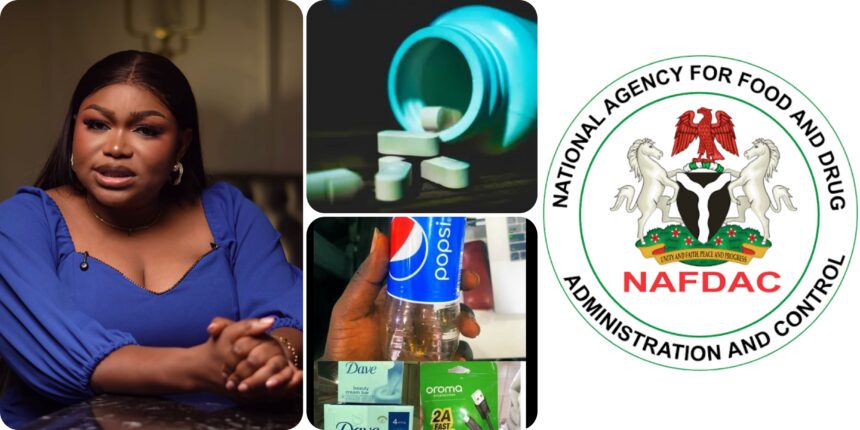
Nollywood actress Ruth Kadiri has raised concerns over the growing circulation of fake, contaminated and potentially harmful products in Nigeria, urging Nigerians, manufacturers and regulators to take the issue more seriously.
Kadiri shared her concerns in an Instagram video on Sunday, October 4, 2026, speaking directly to Nigerians about the products they consume every day, from food and drinks to medicines, cosmetics and household items.
The actress said the issue goes beyond business or consumer choices. She also shared a personal experience among other issues that pushed her to make the video.
Here are five key points from her callout.
1. It Is Not Just A Business Problem


For Ruth Kadiri, the problem of fake products is much bigger than people buying something that does not work as expected. She said Nigerians regularly buy food, drinks, medicines, cosmetics and household products believing they are safe, only to discover that some may be poorly produced, contaminated or fake.
“This is not just a business problem. It’s a threat to human life,” she said.
She used the example of someone who is already sick and goes to a pharmacy looking for medication, only to allegedly receive a product that makes the person’s condition worse.
Her concern comes against the backdrop of a wider global problem involving substandard and falsified medical products. The World Health Organisation estimates that at least one in 10 medicines in low- and middle-income countries are substandard or falsified. Such products can lead to treatment failure, poisoning and other serious health consequences.
The issue is not only theoretical in Nigeria. In March 2026, NAFDAC warned about confirmed counterfeit batches of the cancer medicines Avastin and Tecentriq circulating in the country. The agency said counterfeit versions could contain incorrect or no active ingredients, harmful contaminants or incorrect dosage strengths, potentially resulting in treatment failure, serious adverse effects or death.
2. Ruth Kadiri Shares Personal Experience As Nigerians Raise Concerns Over Food, Drinks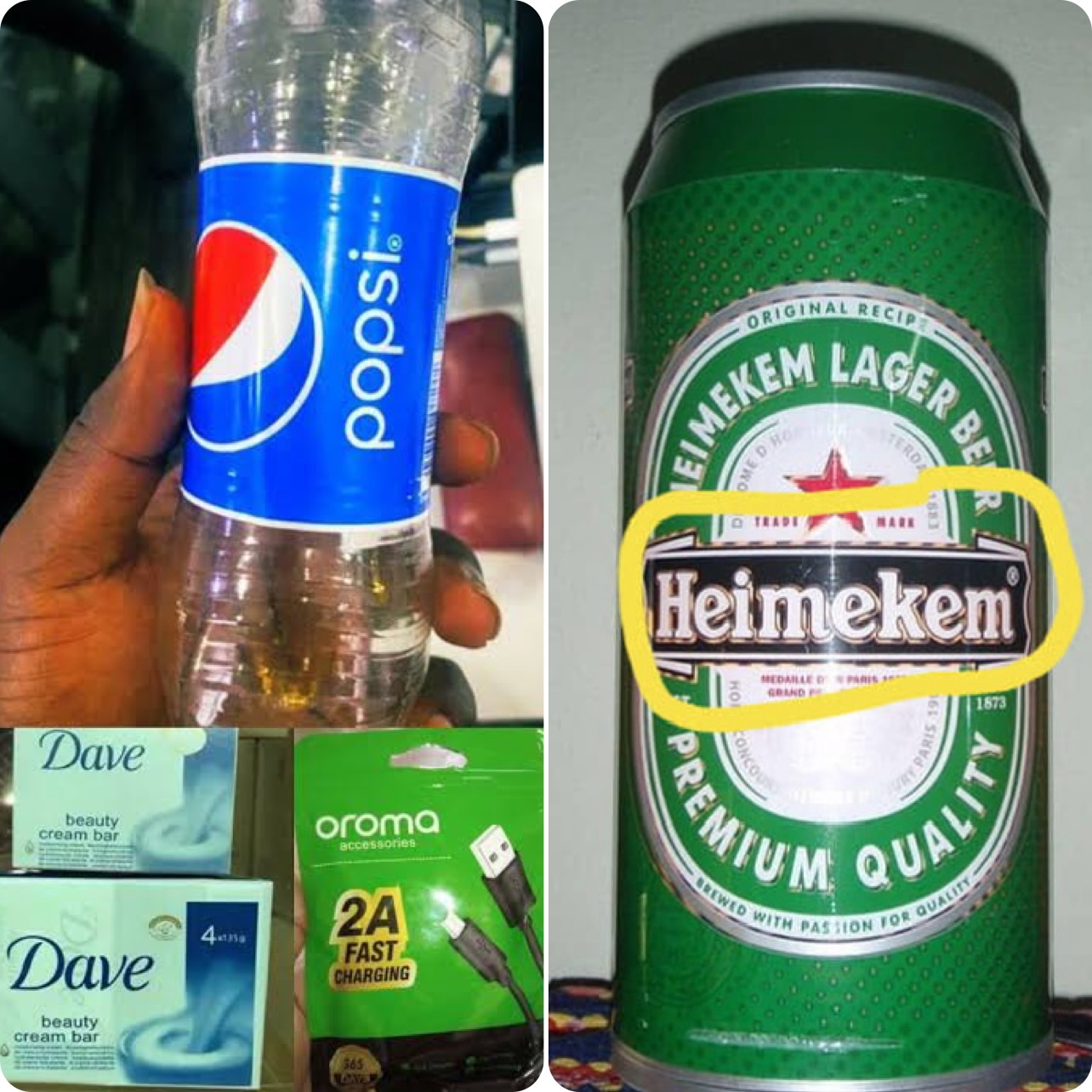

One of the most striking parts of Kadiri’s video was the story of garlic she had bought. She explained that she blended the garlic and went upstairs. When she returned, she noticed that it had turned green.
“I bought garlic, blended it, went upstairs and came back, my garlic had turned green,” she said, adding that many other people had also shared similar experiences.
Kadiri’s experience comes amid growing concerns from Nigerians who have taken to social media to share videos and accounts of food and drinks they said had unusual colours, smells, tastes or textures, even when the products were still within their stated expiry dates.
Some consumers questioned how products could appear to be within their shelf life, purchased from reputable supermarkets but still have an unusual taste or smell. Others shared images and videos of beverages and other packaged products they found concerning, calling for manufacturers and regulators to pay closer attention.
For Kadiri too, the issue has become personal enough to affect what she is comfortable buying for her children. She said:
“I’m literally afraid of buying already packed drinks for my kids because I’m scared what the outcome of the product of that drink might be.”
Her concern, therefore, goes beyond the garlic she bought. It reflects a larger fear shared by consumers who want to know that the food and drinks they purchase are safe before they reach their families.
3. Her Biggest Worry Is The Effect On Children And Families
Ruth Kadiri’s warning became more emotional when she spoke about children and people who are already ill. She questioned the increasing cases of children dealing with kidney problems and linked her concern to the possibility of unsafe products being consumed. She said:
“You might be saving a child from kidney failure. You might be saving a child from heart failure. And you may be saving a family from losing the life of their benefactor.”
WHO says substandard and falsified medicines can contain incorrect ingredients or doses, contaminants or toxic substances and can cause treatment failure or make illnesses worse.
For consumers, WHO advises checking packaging, manufacturing and expiry dates, and paying attention to medicines that look discoloured, degraded or have an unusual smell. It also recommends buying medicines from trusted and licensed outlets.
Kadiri similarly urged parents and guardians to pay attention to expiry dates and NAFDAC registration numbers before buying products.
4. It Is A ‘We’ Problem
Perhaps the strongest theme in Kadiri’s message was her insistence that the fight against fake products cannot be left entirely to government agencies. She described it as a collective responsibility. In her words:
“It’s not just a buying problem. It is a we problem.”
Kadiri argued that some of the products being sold to Nigerians are produced locally by Nigerians who, she alleged, put profit above the health of consumers. She therefore called on people who know where fake products are being produced or sold to speak up.
“If you live in an environment where fake products are created, please speak up,” she said, repeating the appeal.
For her, remaining silent could mean allowing another person to become a victim. She also warned Nigerians against assuming that fake products could never affect them.
“Never say it can never be me,” she said.
Her message puts responsibility on several groups at once: consumers who need to be more careful, people who know about suspicious activities, manufacturers who produce the goods, sellers who put them on the market and regulators responsible for enforcement.
NAFDAC currently provides a reporting channel for suspected substandard, falsified and unregistered medical products, where consumers can provide product details and supporting evidence such as photographs, packaging and receipts.
5. Her Message To NAFDAC And The Authorities

Kadiri’s final major appeal was directed at the authorities. She called for stricter inspections of manufacturing and product companies and urged officials not to accept bribes from companies producing unsafe goods.
“To the authorities, we need stricter inspections,” she said. She also called for swift and fair punishment for those found responsible.
“And all those who are found wanting, their punishment be done swiftly and justly,” she added.
Kadiri specifically addressed NAFDAC, saying:
“NAFDAC, please pay attention to the life of Nigerians. Lots and lots of people are sick and are not getting better because the cost of fake product, the cost of fake medicine is much more than we can ever ask or think.”
Her call comes at a time when the agency is already facing the challenge of detecting and stopping falsified products in the Nigerian market.
In February 2026, NAFDAC warned about falsified and unregistered versions of Dostinex 0.5mg tablets circulating in Nigeria. The agency said the affected products had not been officially imported into the country and warned that unregistered and falsified medicines pose public-health risks because their quality, safety and effectiveness cannot be guaranteed.
In November 2025, NAFDAC also unveiled a revised National Action Plan on Substandard and Falsified Medical Products, with measures focused on stronger regulation, public education, collaboration and earlier detection of falsified medicines.
The challenge, therefore, is not simply identifying one fake product. It is about making sure that unsafe products do not enter or remain in the supply chain in the first place.
Conclusion
Ruth Kadiri’s video was ultimately a call for Nigerians to stop treating fake and unsafe products as someone else’s problem.
From the garlic she said changed colour to her concerns about medicines, packaged drinks and children’s health, the actress used personal experience to draw attention to a much wider issue.
But she did not place the responsibility only on consumers. She called on Nigerians to speak up, manufacturers to put safety before profit, authorities to strengthen inspections and officials to reject corruption. She also urged NAFDAC to pay closer attention to the products reaching the public.
“Let us be our brother’s keeper in this time,” she said, asking Nigerians to put their voices together and “fight fakeness out of our system.”
She ended her message with a simple appeal: “One Nigeria, one love.”
For Ruth Kadiri, that unity begins with refusing to look away when the safety of another Nigerian may be at risk.