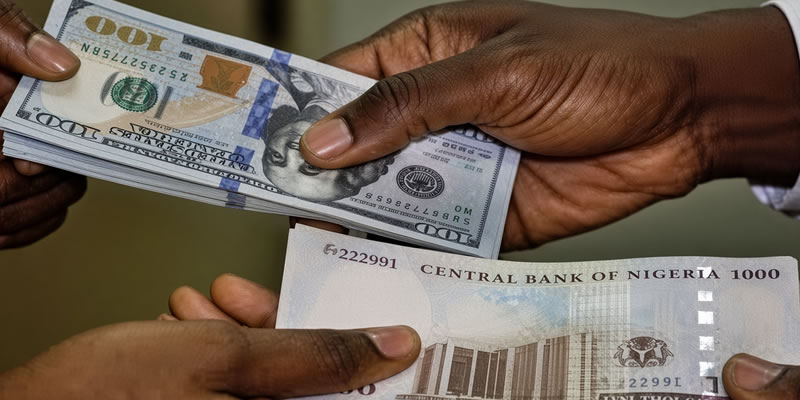
The naira starts Wednesday much as it ended the week, tightly held at the official window and a few dozen naira weaker on the street. The latest Central Bank of Nigeria (CBN) data puts the Nigerian Foreign Exchange Market (NFEM) rate at about ₦1,333 per dollar. Bureau De Change (BDC) operators are quoting roughly ₦1,365 to buy and ₦1,373 to sell, though some trackers show the selling price as high as ₦1,390.
This guide covers the official and parallel-market rates for dollar to naira today, how they have moved over the past two weeks, and what a few common dollar amounts are worth.
Dollar to Naira Today at a Glance
| Market | Buying rate (₦) | Selling rate (₦) | Note |
|---|---|---|---|
| Official (NFEM, CBN closing rate) | 1,332.99 | 1,332.99 | Last published close, Monday, October 12 |
| Black market (Aboki FX, October 13) | 1,365 | 1,373 | Lagos BDC quotes |
| Black market (other trackers) | 1,370 to 1,380 | 1,377 to 1,390 | Varies by dealer and city |
One caution before you act on any of these numbers. The CBN had not yet published its October 13 closing figure at the time of writing, so the official rate shown is the most recent verified close. Street rates also change hour by hour, so confirm with your dealer or bank before you transact.
Official Market: What the NFEM and CBN Figures Show
The naira weakened by a small margin on Monday, October 12. According to CBN data reported by Tribune Online, it traded at an NFEM rate of ₦1,332.096 per dollar and closed at ₦1,332.99. The rate had been ₦1,331.186 on October 9, so the move was less than a naira.
Here is how the official close has looked over the past week.
| Date | Official closing rate (₦/$) |
|---|---|
| Tuesday, October 6 | 1,331.50 |
| Wednesday, October 7 | 1,332.75 |
| Thursday, October 8 | 1,333.55 |
| Friday, October 9 | 1,332.49 |
| Monday, October 12 | 1,332.99 |
The whole series sits inside a band of about ₦2. Earlier in the month, on October 2, the CBN reference rate was ₦1,329.16, and in late September the naira closed at ₦1,329.80 on the 22nd. The currency has barely drifted over several weeks.
Trading volumes have not been as calm. Nairametrics reported that NFEM turnover jumped to $1.014 billion on October 6, up from $619.22 million the session before. A busy market with a flat price suggests the CBN window is absorbing demand without much strain.
Some outlets write the market’s name as NAFEM (Nigerian Autonomous Foreign Exchange Market). It is the same official window.
Black Market Dollar Rate Today
The parallel market has been less tidy than the official one. On Tuesday, October 13, Aboki FX showed the dollar at ₦1,365 for buying and ₦1,373 for selling, which was ₦1 higher than the day before. Other aggregators reported ₦1,375 to ₦1,390, and Monierate listed a ₦1,380 buy rate. That spread of quotes is normal. It reflects different dealers, locations and transaction sizes.
Over the last six weeks, the street rate has tightened toward the official one:
| Date | Parallel market (₦/$) |
|---|---|
| September 2 | 1,400 to 1,410 |
| October 1 | 1,375 to 1,376 buy, 1,380 to 1,390 sell |
| October 6 | About 1,357 |
| October 12 | 1,365 buy, 1,373 sell |
| October 13 | 1,365 buy, 1,373 sell (Aboki FX) |
The dollar was selling above ₦1,400 at the start of September. Early October brought a dip to about ₦1,357 on the 6th, followed by a small recovery.
Why the Official and Black Market Rates Still Differ
At roughly ₦1,333 official against ₦1,373 on the street, the gap is about ₦40 per dollar, or around 3 percent. Earlier in October it was closer to ₦50 or ₦60, and on October 6 it narrowed to about ₦24, so it is shrinking.
A gap usually persists because of how demand is spread across the two markets:
- Access: Banks and authorised dealers work from the NFEM rate, but not every request for dollars gets filled quickly or in full. People who need cash fast turn to BDC operators and pay a premium.
- Cash and small-ticket demand: Travellers, students paying fees abroad and small importers often need physical or immediate dollars, which the street supplies at a price.
- Dealer margins: Informal dealers price in their own risk and convenience, which is why quotes vary from one trader to the next.
How Much Is $100, $500 and $1,000 in Naira Today?
The table below uses the official close of ₦1,332.99 and the Aboki FX parallel selling rate of ₦1,373.
| Amount in dollars | At official rate (₦1,332.99) | At black market rate (₦1,373) |
|---|---|---|
| $1 | ₦1,332.99 | ₦1,373 |
| $50 | ₦66,649.50 | ₦68,650 |
| $100 | ₦133,299 | ₦137,300 |
| $500 | ₦666,495 | ₦686,500 |
| $1,000 | ₦1,332,990 | ₦1,373,000 |
| $5,000 | ₦6,664,950 | ₦6,865,000 |
| $10,000 | ₦13,329,900 | ₦13,730,000 |
On a $1,000 purchase, the street premium costs about ₦40,000 more than the official rate. The difference scales up with larger amounts, so it matters most to importers and anyone paying tuition or medical bills abroad.
The Naira Compared With a Year Ago
The picture is better than it was this time last year. Channels Television reported that on October 14, 2025, the official rate hovered in the mid-₦1,400s, around ₦1,460 to ₦1,466, with the parallel market near ₦1,490 to ₦1,505. A dollar now costs roughly ₦130 less at the official window, an improvement of about 9 percent. The black market has moved even more, from around ₦1,500 to ₦1,373.
External reserves have been cited as supportive. One market report put them above $54 billion at the start of October, alongside steady oil receipts, though you should treat that figure as indicative until the CBN’s own update.
What to Watch This Week
The pattern of the past fortnight suggests the official rate will stay close to ₦1,330 unless there is a shock. Things worth watching:
- The official close: If the CBN’s next prints stay between ₦1,330 and ₦1,335, expect continued stability.
- The spread: A narrowing gap usually signals easing demand pressure on the street, and a widening one the opposite.
- NFEM turnover: Another spike in volume with a steady price would again point to a well-supplied market.
- Month-end demand: Tuition payments, travel bookings and import settlements often lift dollar demand toward the end of a month.
For travellers and students, get a written quote and compare a bank’s rate with a dealer’s before you commit. For businesses, price contracts using the official rate but budget a buffer for the occasions you have to buy outside it.
Frequently Asked Questions
What is the dollar to naira rate today, October 14, 2026?
The latest official NFEM close is ₦1,332.99 per dollar (October 12). On the black market, the dollar is about ₦1,365 to buy and ₦1,373 to sell, with some trackers higher.
Why is the black market rate higher than the official rate?
Demand for cash and quick access to dollars is partly met outside the banking system, and informal dealers charge a premium for it.
Does the official exchange rate change on weekends?
The NFEM trades on business days, so the official rate typically carries over from Friday’s close until Monday’s session.
What is the difference between the NFEM and CBN rate?
The NFEM rate is the volume-weighted average of transactions on the official market, and the CBN publishes it as the day’s reference rate. The closing rate is the final price of the session.
Rates are indicative and change throughout the day. Always confirm with your bank or dealer before you transact.