
Some gestures are remembered long after the moment has passed. A visit, an unexpected gift or an opportunity offered at the right time can mean more than the person giving it may ever know. In an industry where success is often measured by fame, wealth and the films people make, such moments offer another way of looking at a person’s journey.
For Kunle Afod, turning 53 on October 24, 2026, provides an opportunity to look beyond his work as an actor and filmmaker and consider the people whose paths have crossed his. Over the years, he has used his resources, relationships and social media platform to support colleagues and older actors whose contributions helped shape the Yoruba film industry.
His efforts have taken different forms, from renovating a veteran actor’s home to raising money for colleagues facing health challenges. He has also used his platform to bring attention to older performers and spoken about the younger actors he has trained. These actions have increasingly become part of the public story of an actor whose career spans several decades.
Giving Lere Paimo’s home a new look

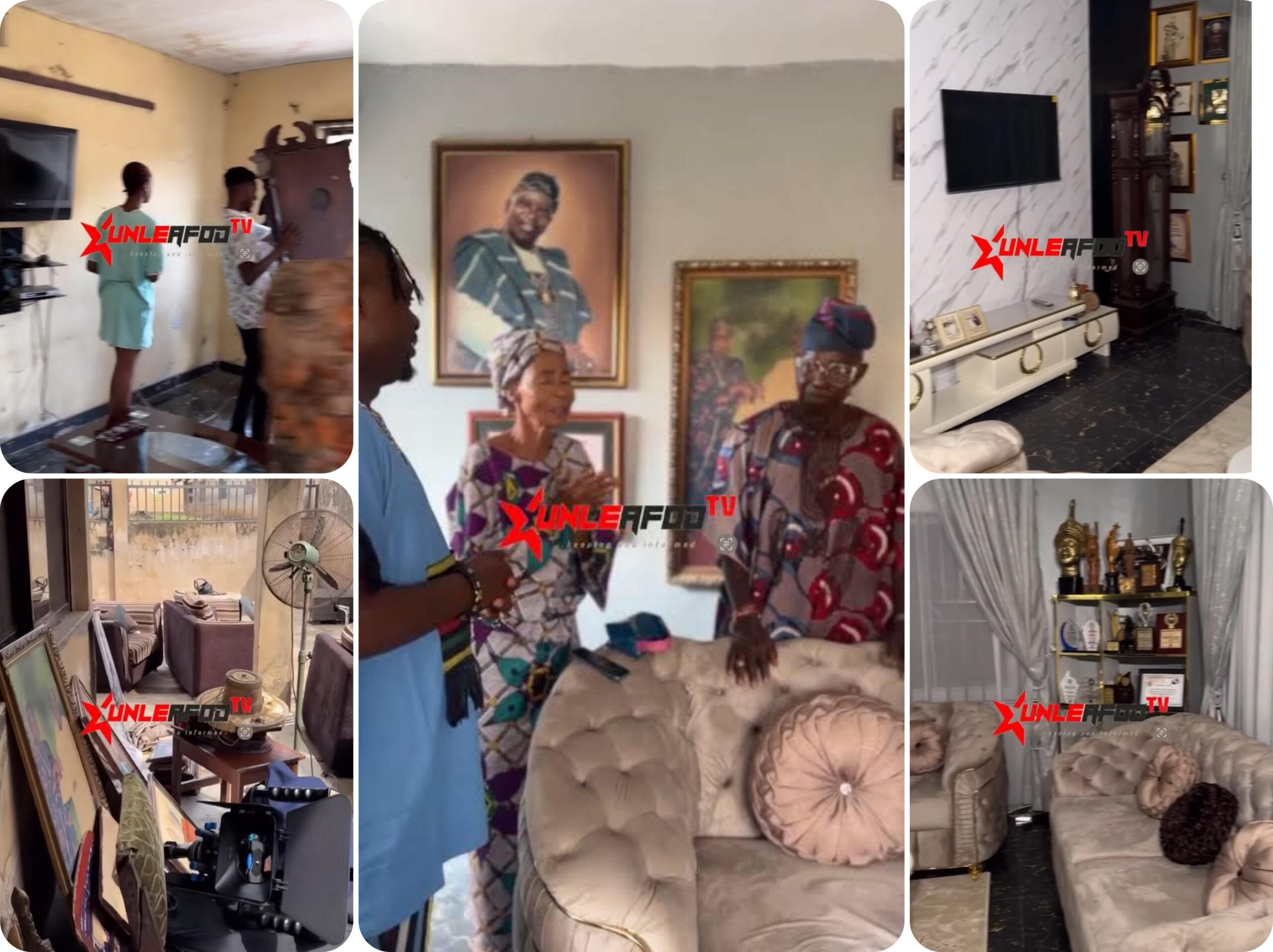
One of Afod’s most memorable gestures was his renovation of the home of veteran actor Lere Paimo, popularly known as Eda Onile Ola.
In October 2024, ahead of Paimo’s 85th birthday, Afod and his team renovated the veteran’s house in Ogbomoso, Oyo State. A video shared by Afod showed the team cleaning the floors, painting the walls and replacing the furniture to give the home a fresh, modern appearance.
The transformation was more than a change of decoration. It was a birthday gift to an actor whose work had entertained generations of Yoruba film lovers. Paimo was visibly moved when he returned to see the renovated house. Afod also presented him with money, adding financial support to the renovation. Sharing the project on social media, Afod wrote: “Me and my team came together to transform PA LERE PAIMO’S House from old school setting to modern set.”
The renovation was not Afod’s first gesture towards Paimo that year. In January 2024, he visited the veteran and helped deliver money contributed by Nigerians. Paimo also received a car from a fan, Apostle Mustapha, popularly known as Baba Sebioba. The two events showed how Afod’s visits could connect older actors with people willing to support them. His role was not always to provide everything himself, but also to help bring assistance to those who needed it.
Raising support for Bisola Badmus

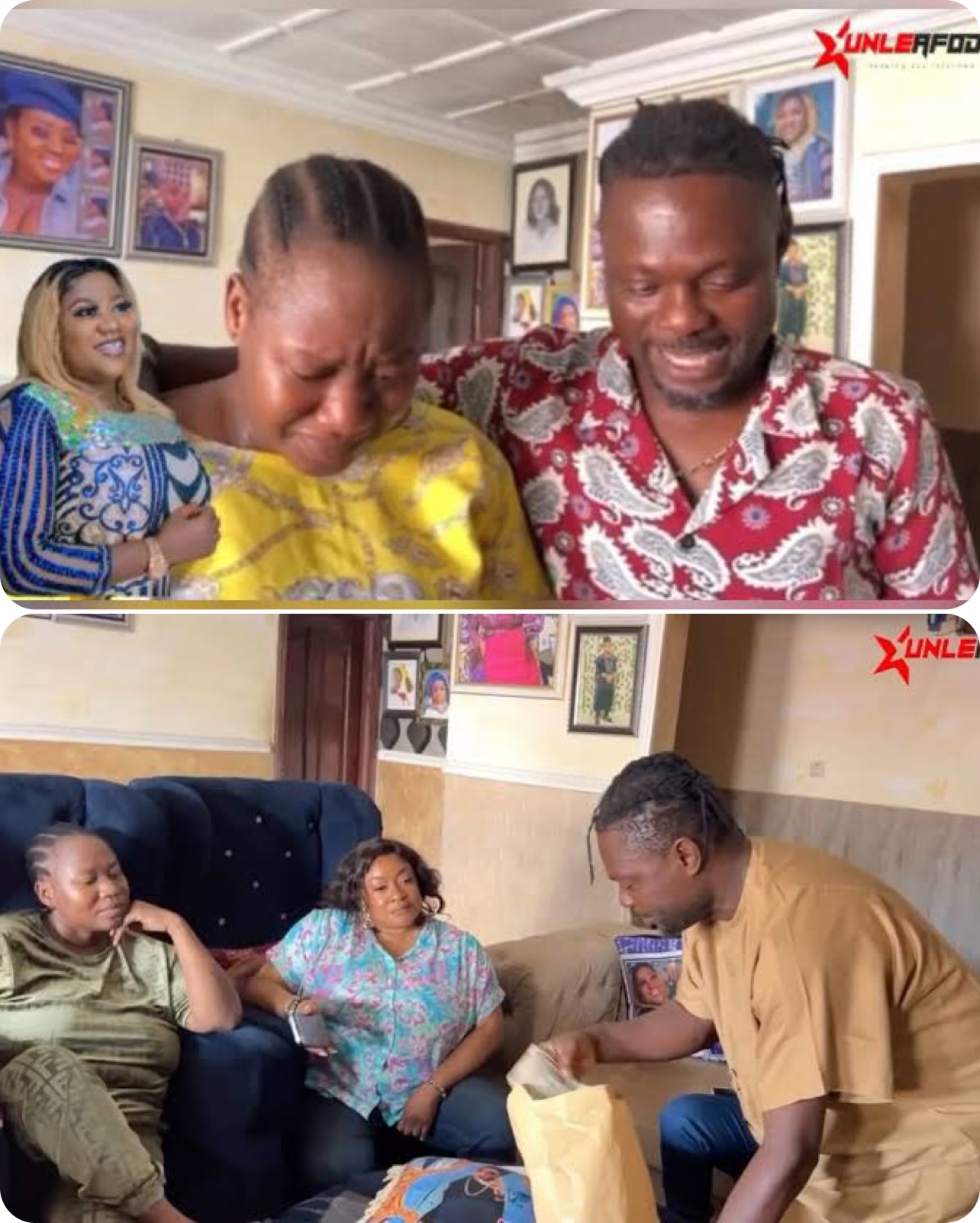
Afod’s efforts have not been limited to veteran actors. In September 2024, he helped mobilise financial support for actress Bisola Badmus, who was facing serious health challenges.
The first reported fundraiser brought in ₦1.3 million. On September 24, reports emerged that Afod had raised an additional ₦3.4 million and visited Badmus at home to present the money.
Badmus was emotional as she received the funds and expressed gratitude to the people who had contributed. At the time, she had also received other forms of assistance, including support towards her son’s education and sponsorship for a possible trip abroad for brain surgery.
The episode highlighted the role Afod’s online platform could play in drawing attention to a colleague’s difficulties and encouraging people to contribute.
In a November 2024 interview, Afod explained that he had been helping colleagues privately for years before deciding to share more of those efforts publicly.
“I have been assisting veterans and my colleagues for a very long, but I just started posting last year,” he said.
He explained that comments accusing actors of spending money on parties while neglecting older colleagues influenced his decision to make some of his activities visible.
“Rendering help is by choice. It is not by force to put it out there or make it known,” he said, adding that publicising some interventions also helped him account for money sent by donors.
Baba Ariyo and the need behind the visits
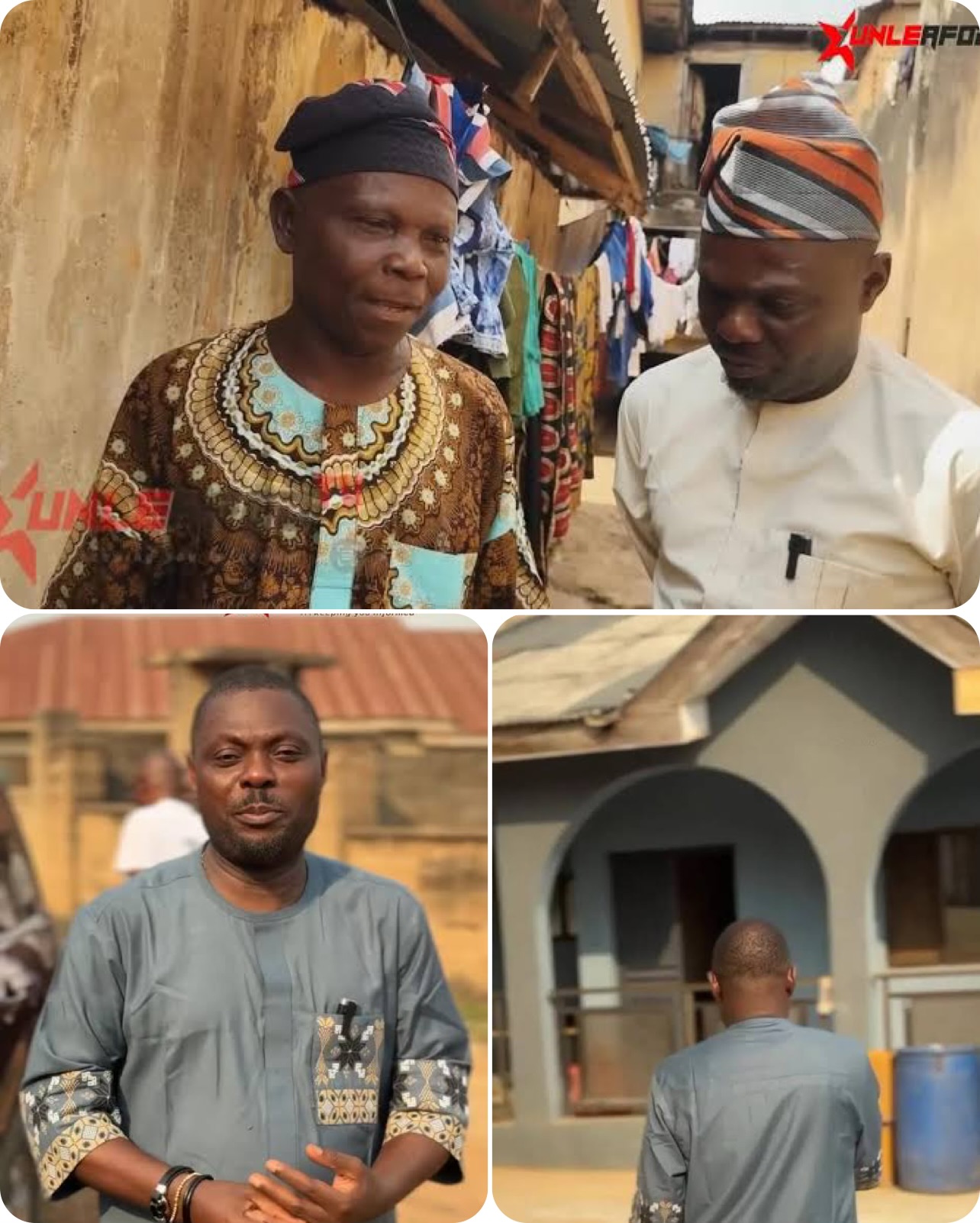
Another example came in November 2025, when Afod visited veteran actor Baba Ariyo. Reports said Afod helped raise more than ₦600,000 for the actor after visiting his home. The visit drew attention to the veteran’s living conditions, including reports that he had spent about 40 years in the same rented house.
The experience showed another side of Afod’s approach. Rather than waiting for a public appeal from a struggling colleague, he visited, saw the situation and used his platform to encourage people to help.
The amount raised was notable, but the deeper issue was the attention brought to an older actor whose circumstances might otherwise have remained outside general knowledge.
Following his visit, there were calls for help from Nigerians who raised financial support and cash gifts for the veteran actor. By February 2026, Kunle Afod revealed he was able to secure a newly renovated 3-bedroom apartment for the actor after fan donation.
Remembering Kola Oyewo and visiting Peter Fatomilola

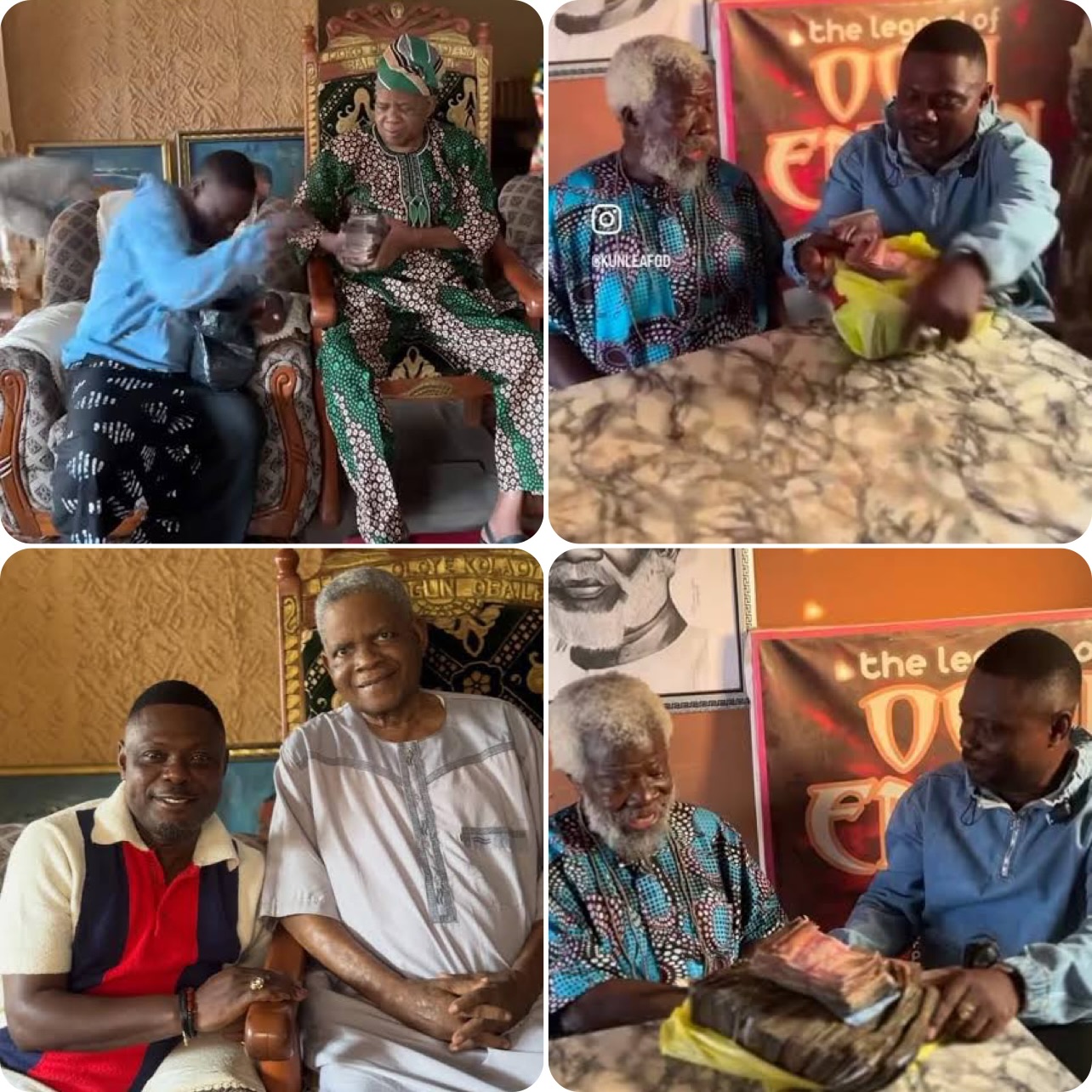
On April 11, 2026, Afod shared news of a visit to veteran actors Chief Kola Oyewo and Peter Fatomilola in Ile-Ife. Both men had recently turned 80. In a post announcing the visit, Afod wrote: “I visited Ile-Ife to go see Chief Kola Oyewo and Peter Fatomilola, who both clocked 80 years recently.”
During this highly publicised visit, Afod presented an emotional birthday cash gift of ₦1.1 million to Kola Oyewo and ₦1.1 million to Peter Fatomilola as well.
The visit attracted positive reactions from colleagues, including Funke Akindele, Dayo Amusa, Regina Chukwu, Fathia Williams and Sindodo Tayo, who praised Afod for remembering the veterans.
The two actors represent important parts of Yoruba theatre and screen history. Oyewo was known for his work as an actor, dramatist and academic, while Fatomilola built a career as an actor, playwright and poet.
Kola Oyewo died on June 12, 2026, two months after Afod’s visit. His death gives the encounter added significance in retrospect. The visit was a reminder of the value of maintaining relationships with older actors while they are still alive and able to receive visitors, share memories and enjoy the company of their colleagues.
It also reflected the wider purpose of Afod’s outreach: keeping veterans visible, not only when they are ill or in need of money, but as people whose work and experiences remain part of the industry’s history.
Kunle Afod has not only helped his colleagues, he has singled out random Nigerians who need help.
Using the Proverb Challenge to preserve Yoruba culture

Afod’s influence has not been limited to fundraising and personal visits. Through his Yoruba Proverb Challenge, he has also created a platform for older actors to share cultural knowledge with younger audiences.
In a March 2024, he said that the project was intended to preserve Yoruba proverbs and help young people reconnect with their language and roots.
“I am trying to make it a wider concept and when I do, I will seek sponsors who can support the movement,” he said.
He explained that visiting veterans to share proverbs was a way to make learning entertaining while also creating opportunities to give back to the older performers.
The idea brought together two concerns: the preservation of Yoruba oral tradition and the visibility of veteran actors whose knowledge extends beyond their film roles.
For a younger audience more familiar with social media than traditional oral storytelling, the format offered a way to encounter proverbs and their meanings through familiar faces.
Afod also used the interview to call for more opportunities for older performers, noting that audience preferences and commercial pressures can affect the roles given to them. The challenge, therefore, has served as more than a social media feature. It has connected entertainment with cultural preservation and given veterans another reason to be seen and heard.
The younger actors he says he has trained

Afod’s impact on the industry also extends to the development of younger talent.
In a 2026 interview, he said he had spent more than 24 years training people. He named Regina Chukwu, Gaji and Yinka Solomon among the actors he had trained, and said about 10 of his students featured in Femi Adebayo’s film Jagun Jagun.
His comments offer another way to assess his contribution to the industry. While donations and home renovations address immediate needs, training can provide people with skills and opportunities that support their careers over time.
The work of mentoring is less visible than a large fundraising effort. It may not produce an emotional video or attract the same immediate public attention, but it can influence the people who go on to build careers of their own.
The actors Afod identified are established names in Yoruba entertainment. It also broadens the picture of the role Afod has chosen to play: supporting those who came before him, standing beside colleagues in difficult moments and helping newer performers develop their craft.
Kunle Afod at 53

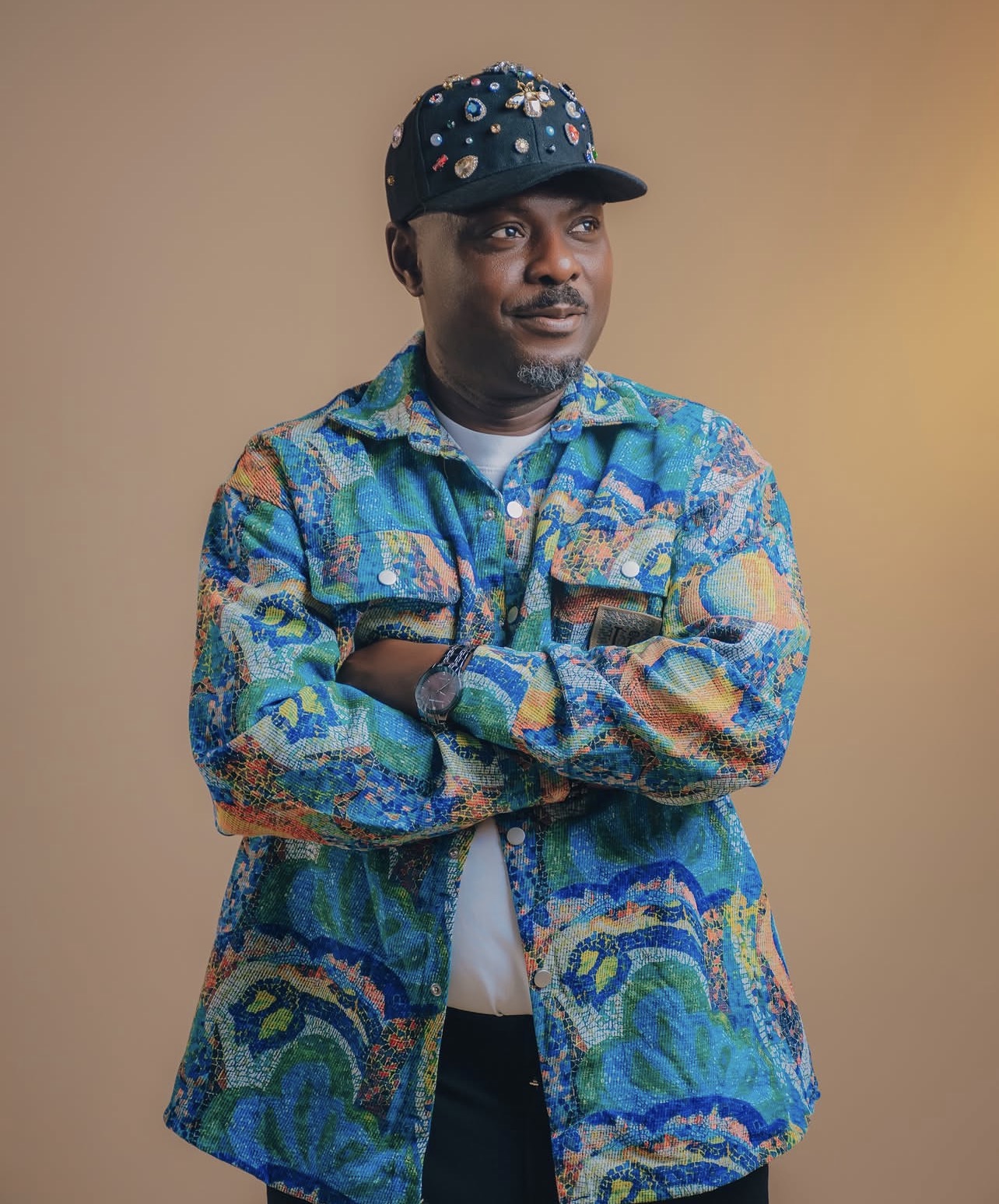
The actor took to his Instagram account to mark the occasion with photos and a thankful caption. He thanked God for the new chapter and prayed for greater achievements. In his words:
“Another year, another chapter, another opportunity to become a better version of myself.
I’m grateful to God for the gift of life, the journey so far, the lessons learned, the battles won, and even the challenges that have made me stronger.
The journey hasn’t always been easy, but God has been faithful. Every experience has shaped me, every setback has taught me, and every blessing has reminded me that God’s plans are always greater than mine.
As I step into this new chapter, I pray for greater wisdom, good health, peace of mind, more success, divine protection, and unlimited grace to fulfill my purpose.
This new chapter shall be greater than the last! More lite, more blessings, more achievements, and more reasons to be grateful. !!
Happy birthday to me, @kunleafod.”
A birthday measured beyond the screen

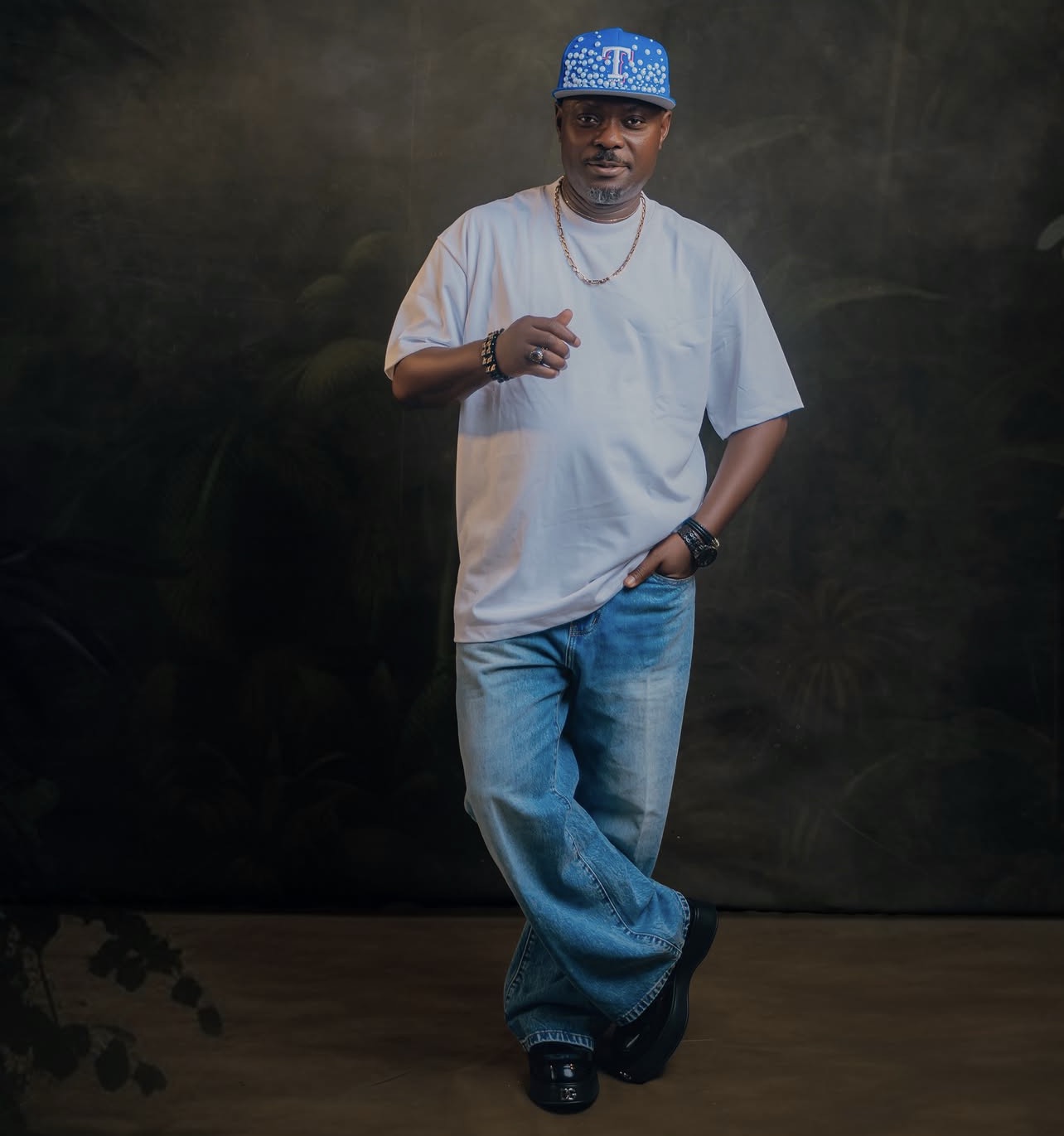
As Kunle Afod turns 53, the examples of his support for Lere Paimo, Bisola Badmus and Baba Ariyo, his visit to Kola Oyewo and Peter Fatomilola, his cultural project and his account of training younger actors offer a wider view of his place in the industry.
The stories are different, but they share a common thread: using access, relationships and public attention to create opportunities for others.
There are limits to what individual gestures can solve. Fundraising cannot replace a dependable welfare system for ageing performers, and one person’s efforts cannot address every financial or health challenge in the industry. Afod himself has spoken about the need for measures such as health and life insurance schemes.
Still, his activities have helped bring specific people and their circumstances into public view. They have also encouraged conversations about how the industry treats its pioneers and what established actors can do for the next generation.
At 53, Afod’s story is therefore not only about the roles he has played or the films he has made. It is also about the relationships he has maintained, the platforms he has built and the people he has tried to help along the way.
For those who have received his support, the significance may lie not in the attention a gesture attracts, but in what it makes possible: a more comfortable home, financial relief during a difficult period, renewed public attention or an opportunity to grow in the profession.
Those moments form another part of his journey in Nollywood, measured not only by the work seen on screen, but also by the lives touched away from it.