


There are moments when the actions of people in positions of authority attract attention far beyond the walls of the places they occupy. And when an encounter that should have been ordinary becomes the subject of public discussion, questions about conduct, responsibility and trust are difficult to ignore.
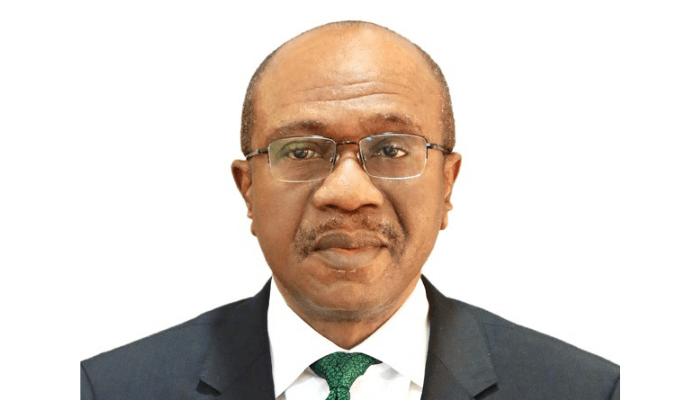
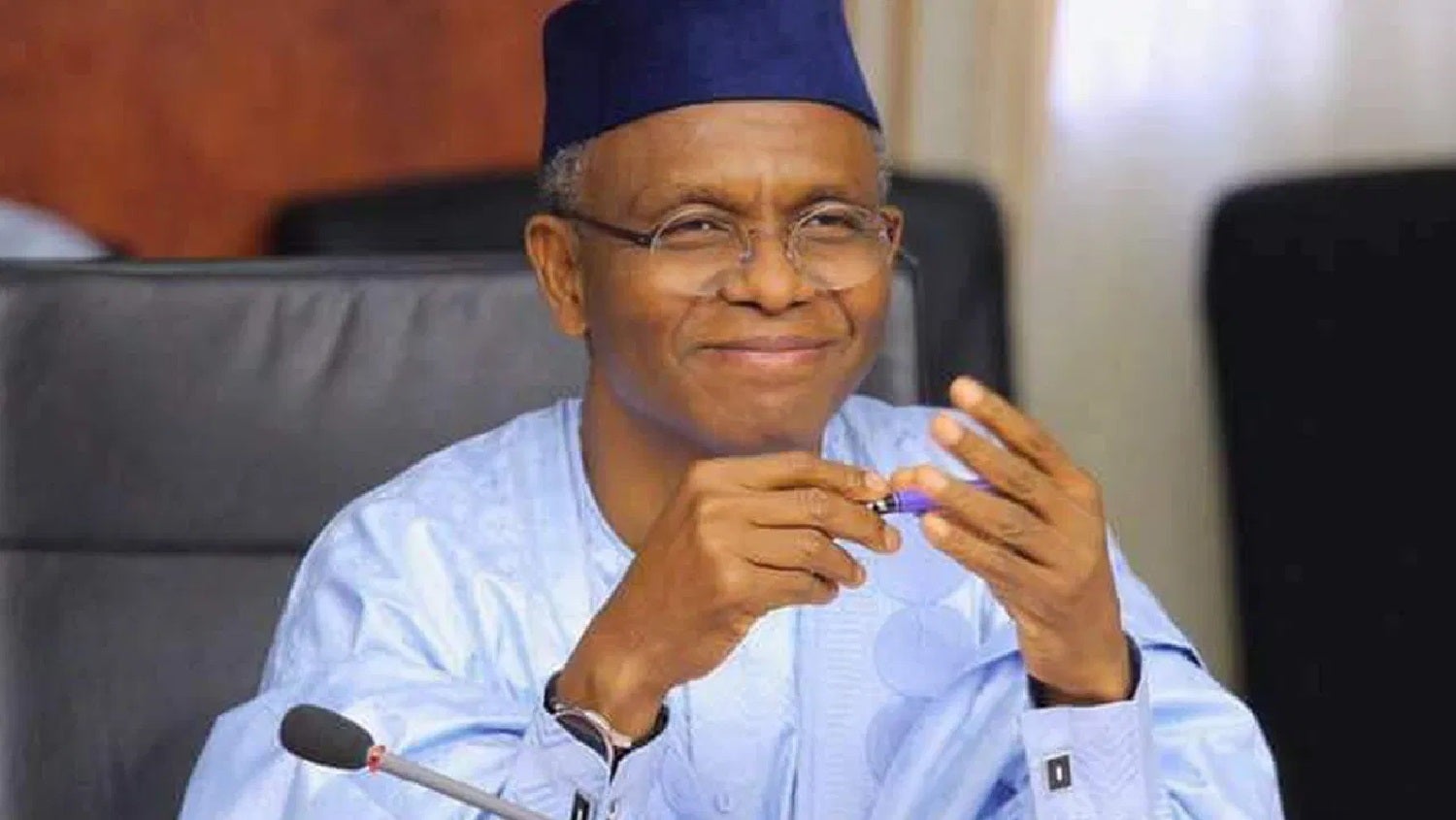
That is the situation surrounding the Emir of Daura, Faruk Umar Faruk, following an allegation that has sparked conversations across Nigeria and beyond.
How a Palace Visit Turned Into an Alleged Sexual Assault Experience

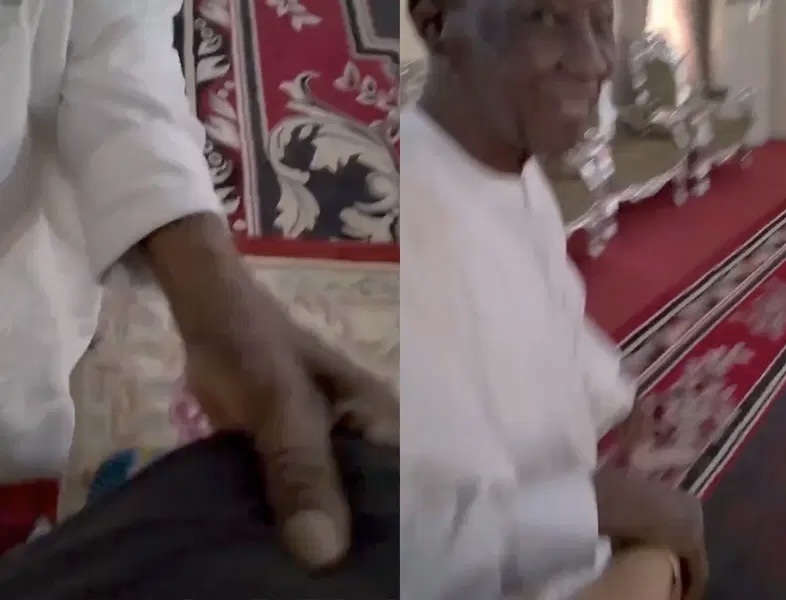
The controversy began after a foreign tourist identified as Mirka Czee, also identified as @beduinqa, shared an account of her visit to the palace of the Emir of Daura in Katsina State.
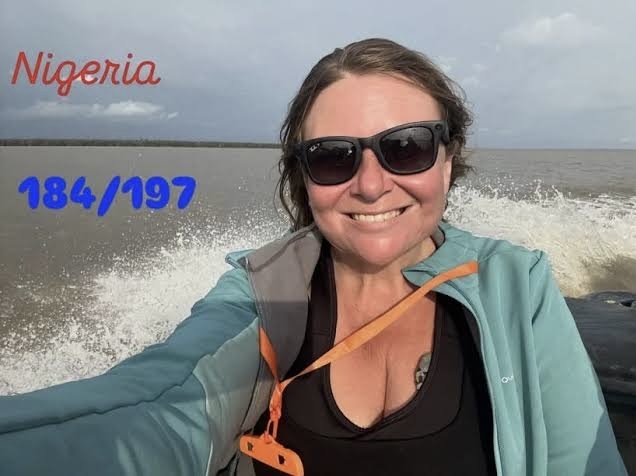
Mirka, a Polish citizen born in the Czech Republic, had been touring Nigeria as part of a wider world trip. She reportedly arrived in the country on October 19, 2026, and documented visits to several locations, including Lagos, Calabar, Ibadan, Benin City, Kano, Bauchi and Katsina.
Nigeria was reportedly the 184th destination on her planned tour of 197 destinations. During her travels, she also visited other traditional institutions, including the palace of the Oba of Benin, Oba Ewuare II.
However, an encounter during her visit to Daura on November 14, 2026, became the focus of her account. According to Mirka, she was received at the Emir’s palace and taken around to learn about the history and culture of the area. She said she was later brought back to meet the traditional ruler and was surprised when she found herself alone with him in a large, elegantly furnished room.
She explained that they sat on a couch and began talking about her travels. During the conversation, she alleged that the Emir held her hand and started playing with it, making her uncomfortable.
Mirka said she lowered the Meta smart glasses she had been wearing and activated their recording function while trying to continue the conversation. She further alleged that as they got up, the Emir hugged her, kissed her on the cheek and touched her breasts without her consent.
Recounting her reaction, she said she repeatedly told him no, adding: “Your Highness, no, no, no. You should not be touching me like that.”
She alleged that the Emir laughed in response to her objections. The tourist later explained that her laughter during the encounter was not an indication that she welcomed the alleged touching. Rather, she described it as a reaction to how uncomfortable she felt.
Why the Tourist Decided to Share the Video

Although the alleged incident happened on November 14, Mirka did not immediately make it public. She said she waited until she had completed her Nigerian tour and left the country before sharing her experience.
In her subsequent Instagram posts, she explained that she decided to speak out because she had the opportunity to record what happened and believed other women might not have the same opportunity to share similar experiences. She wrote that she felt the need to speak because the alleged incident happened to her and she had a tool that allowed her to document the encounter.
She also questioned the circumstances surrounding the alleged incident, pointing out that it happened inside the palace of a traditional ruler whom she believed should be an example of good conduct. In one of her posts, she wrote:
“I wasn’t grabbed by boobs on streets of Nigeria, even in crowded places, but in a palace of traditional leader who should be showing exemplary ways of behaviour. And he did not.”
Mirka also addressed questions about her laughter, insisting that it reflected her discomfort rather than consent. The video, recorded with her Meta smart glasses, quickly circulated across social media and attracted reactions from Nigerians and people outside the country. However, the footage has also raised questions about what it establishes.
On Monday, November 23, Mirka said she believed Instagram had removed the video after several users reported it. She maintained that she did not request its removal and had instead asked the platform for a human review of the decision.
She also said copies of the footage were already circulating elsewhere. The tourist later disclosed that the experience had affected her emotionally and that she needed time and space to recover. Despite what she described as the bad experience, she maintained that she had enjoyed much of her time in Nigeria and wished the country well.
Emirate Council Reacts as Palace Source Denies Allegation

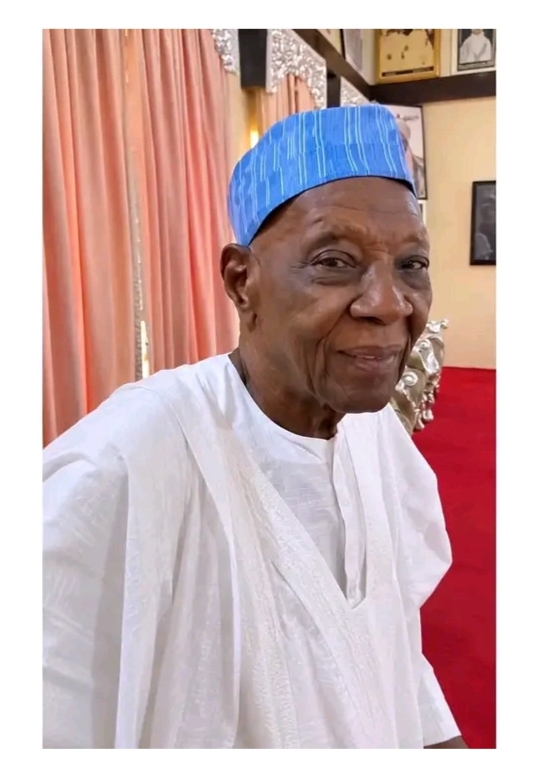
The allegation also drew attention to the Daura Emirate Council, which confirmed that it was reviewing the viral footage.
On Monday, November 23, the Daura Emirate Council’s spokesperson, Ibrahim Murtala Daura, confirmed that the council was examining the video. He said the review was intended to establish the footage’s authenticity and determine whether it had been altered or created using technology. “We are examining the video to ascertain its authenticity and establish that it has not been created or altered using technology,” he said.
The council promised to issue an official statement after completing its review.
As of November 23, the Emir had not personally responded to the allegation, while the Katsina State Commissioner for Information, Culture and Tourism, Dr Bala Zango, said he had not watched the video when contacted and would review it before commenting.
There was also no confirmed report that the Katsina State Police Command had received a formal complaint or begun an investigation. The council’s review, therefore, had not established whether the allegation was true or false.
Ossai Ovie Success, Onyemykke Spark Debate Over Their Reactions

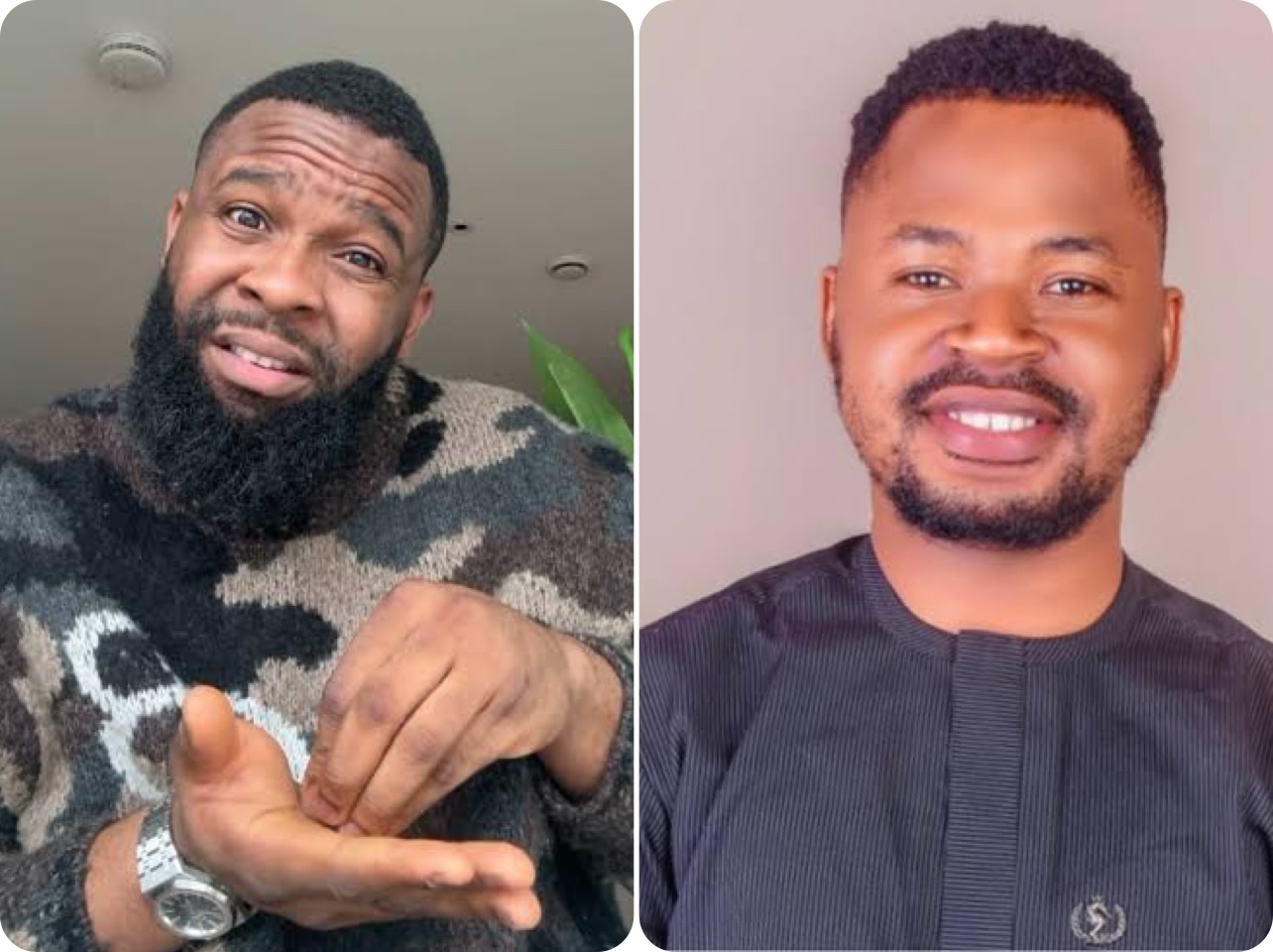
While the Emirate Council’s response attracted attention, comments from public figures added another layer to the conversation. On Monday, November 23, Ossai Ovie Success, a media aide to Delta State Governor Sheriff Oborevwori, shared his thoughts on the controversy.
Ossai questioned why Mirka sat close to the Emir during their meeting and why she remained in the room after he allegedly held and rubbed her hand. He argued that she should have withdrawn from the interaction once she became uncomfortable. He wrote:
“Before we blame the Emir of Daura alone, let’s be honest about what happened.
The moment her hand was held and rubbed inappropriately, that was her cue to draw a firm line, pull back and end the meeting immediately.”
However, Ossai maintained that his comments were not an attempt to defend the Emir. He also stressed that people in leadership positions should understand boundaries and conduct themselves with dignity. He added:
“Nobody is excusing bad behaviour from anyone. A leader should know better and protect his dignity.”
“Leaders must respect boundaries. Visitors must set boundaries. I am disappointed.”
Another reaction came from social commentator Onyemykke, who also shared a video discussing the incident and the lessons he believed people could learn from it. He focused largely on sexual discipline, arguing that men should not allow their positions or desires to make them disregard boundaries. He said:
“If you cannot train yourself to have sexual discipline, you are finished in this life.”
Onyemykke argued that men should not interpret a woman’s smile or failure to immediately pull away as permission for physical intimacy. He said a man who wants to know whether a woman is interested should ask her directly instead of attempting to read her response through physical advances.
He also described the alleged conduct as embarrassing, particularly because the person at the centre of the controversy was a traditional ruler.
However, like Ossai, Onyemykke questioned the tourist’s conduct during the encounter. He asked why she did not stand up and firmly end the interaction, and speculated that there could have been a connection between them or that she wanted to catch the Emir in the act. He also referred to her as a “miserable white woman”, a remark that stood out in his reaction.
His comments therefore carried two different messages: a condemnation of the alleged lack of sexual discipline and questions about how the tourist responded to the encounter.
Both reactions have brought attention to the debate over personal boundaries. But questioning how a person responds to unwanted contact does not establish consent or make that person responsible for another person’s alleged actions.
Gumi, Amnesty International, Others Demand Accountability

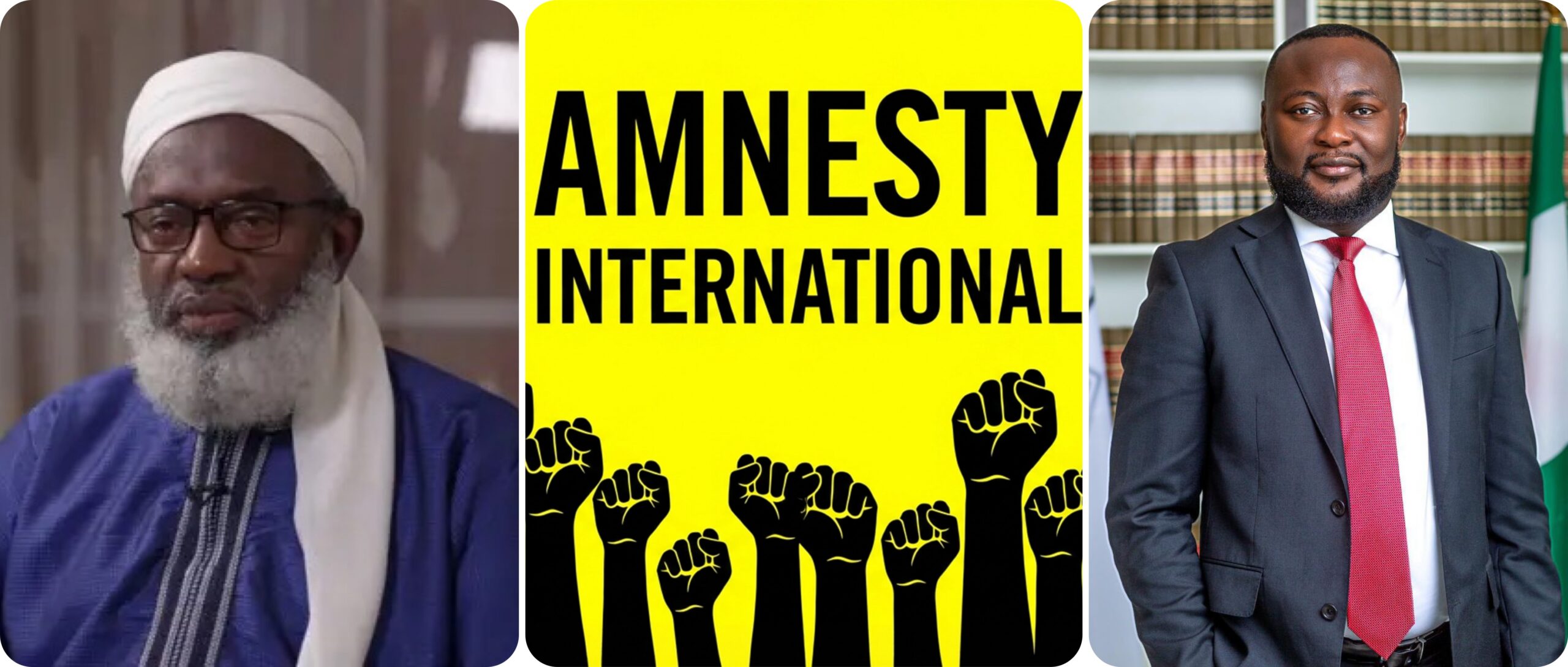
Beyond social media commentators, the controversy has attracted calls for an investigation and accountability from human rights advocates and other public figures.
On Sunday, November 22, Amnesty International Nigeria called on the Katsina State Government and the Nigeria Police Force to conduct a transparent and independent investigation into the allegation.
The organisation described the claims as deeply disturbing and urged the authorities to ensure that anyone found culpable is held accountable through due process and a fair trial.
Amnesty also said the case presented an opportunity for the government to demonstrate that nobody is above the law.
Islamic cleric Sheikh Ahmad Gumi also weighed in on the wider issue of misconduct among traditional rulers. Although he did not specifically mention the Emir of Daura, his comments came amid the growing controversy.
Gumi called for any emir found guilty of immoral conduct to be removed from office. He said:
“Any Emir found guilty of immoral conduct should be removed and replaced immediately to safeguard the integrity, dignity and credibility of the traditional institution.”
Abuja-based lawyer Pelumi Olajengbesi also called on the Nigeria Police Force to begin an independent investigation into the allegation. These calls have placed attention on what the relevant authorities will do next, particularly as the Emirate Council continues its review of the footage.
Conclusion
Traditional institutions have long held an important place in Nigerian society, with their influence extending beyond ceremonial duties. That influence also comes with expectations about conduct, dignity and responsibility.
As the discussion continues, the attention will remain on how the relevant parties respond and whether the questions raised by the controversy receive clear answers. The next steps may matter just as much as the events that brought the matter into public view.