

Nigeria’s entertainment industry has given millions of people unforgettable stories, memorable characters and performances that remain part of their lives long after the cameras stop rolling. Behind those familiar faces, however, are personal battles that rarely receive the same attention as movie premieres, award ceremonies and public celebrations. Cancer has taken several respected entertainers from their families, colleagues and admirers, leaving painful memories of careers that ended after difficult periods of illness and treatment.
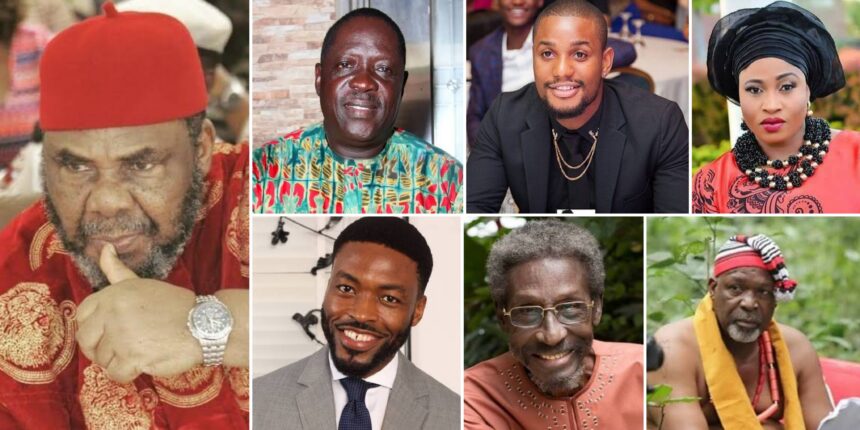
Veteran actor Pete Edochie’s reported death on November 25, 2026, has brought another painful reminder of the disease’s presence within Nigerian society. His life and career represent a remarkable chapter in the country’s television and film history, while the circumstances surrounding his reported final illness have renewed concern about prostate cancer and the challenges patients face. Beyond the grief surrounding his passing, the stories of other Nollywood stars who battled cancer reveal a wider struggle involving late diagnosis, expensive treatment, limited access to specialist care and the determination of families who refuse to give up on their loved ones.
Pete Edochie’s Death, A Painful Loss to Nollywood
Veteran actor and broadcaster Pete Edochie reportedly died on Wednesday, November 25, 2026, at the age of 79, following a prolonged battle with prostate cancer. His eldest son, Chief Leo Pete Edochie, announced the death in a statement issued on behalf of the family, titled “An Iroko Has Fallen.” According to the announcement, the actor passed away at 12:30 a.m. in Enugu, Nigeria, bringing an end to the life of one of the country’s most recognisable entertainment personalities.

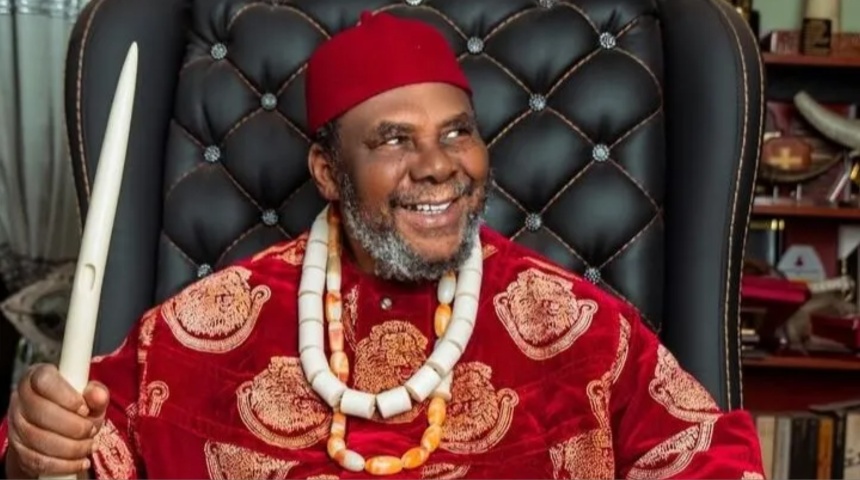
Born in Ifite Nteje, Anambra State, Pete Edochie spent decades building a career that connected broadcasting, television drama and Nigerian cinema. His death has left a significant gap in Nollywood, particularly among audiences who grew up watching him portray traditional rulers, community leaders, family patriarchs and influential elders. His commanding voice, measured expressions and memorable delivery of proverbs made him a distinctive figure whose performances often carried the weight of authority and experience.
Pete Edochie’s broadcasting career began in 1967 with the Eastern Nigerian Broadcasting Corporation, where he developed the professional foundation that later supported his transition into acting. His major breakthrough came in 1987 when he portrayed Okonkwo in the Nigerian Television Authority adaptation of Chinua Achebe’s Things Fall Apart. That performance introduced him to a wider audience and established him as an actor capable of bringing literary characters to life with remarkable depth.
Over the years, his name became associated with some of the most memorable portrayals of elders in Nigerian entertainment, with his performances influencing younger actors who admired his discipline and screen presence. His reported death is therefore more than another entertainment industry loss, as it marks the end of a career that helped shape the country’s television and film culture across several generations.
Prostate Cancer, The Illness Behind His Final Battle
According to the family announcement, prostate cancer was the illness behind Pete Edochie’s prolonged battle before his reported death. His diagnosis has drawn attention to a condition that remains one of the leading cancers affecting Nigerian men, with national estimates placing prostate cancer among the country’s most frequently diagnosed malignancies. Although the actor’s personal medical experience belongs to his family, the circumstances of his illness provide an important opportunity to discuss prostate health and the need for timely medical attention.
Prostate cancer develops in the prostate gland, a small organ located below the bladder in men, and its progression can vary considerably from one patient to another. Some cases grow slowly, while others become aggressive and spread to other parts of the body, making early medical assessment important for determining the appropriate treatment. Symptoms may include difficulty urinating, frequent urination, blood in urine or semen, and persistent discomfort, although some patients experience no obvious warning signs during the early stages.
Age remains an important risk factor, while family history and certain inherited factors can also influence a man’s chances of developing the disease. Medical professionals generally advise men to discuss prostate health with qualified clinicians, especially as they grow older or develop symptoms that require investigation. Pete Edochie’s reported diagnosis has therefore placed a familiar public figure at the centre of a conversation that affects thousands of Nigerian households.
Nollywood Stars Who Died After Battling Cancer in 2026
Cancer related losses have continued to affect the Nigerian film industry, with several entertainers reportedly dying after difficult battles during 2026.

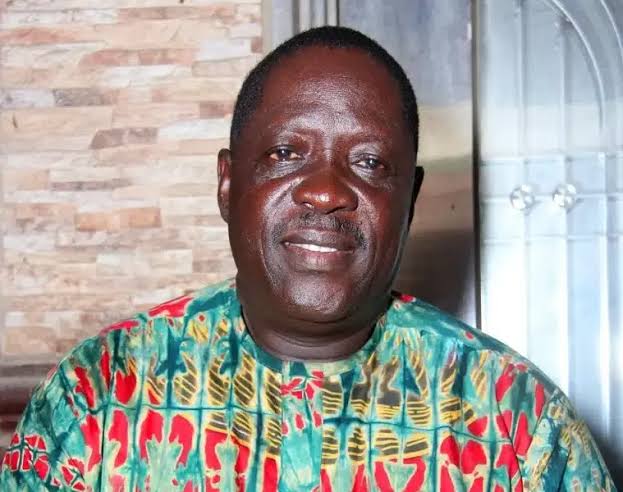
Taiwo Hassan, popularly known as Ogogo, died on August 23, 2026, at the age of 66, after battling stage 4 cancer. His daughter, Kira Hassan, confirmed the death during an Instagram Live session, while actor Jide Kosoko was also reported to have confirmed the development through a family friend.
Ogogo was a prominent figure in Yoruba cinema, with appearances in productions including Owo Blow, Omo Ghetto and Aníkúlápó. His performances helped establish him as a respected actor whose career reached audiences across different generations of Yoruba film lovers. Reports identified his illness as stage 4 cancer, but the specific cancer type was not clearly established in the information supplied.

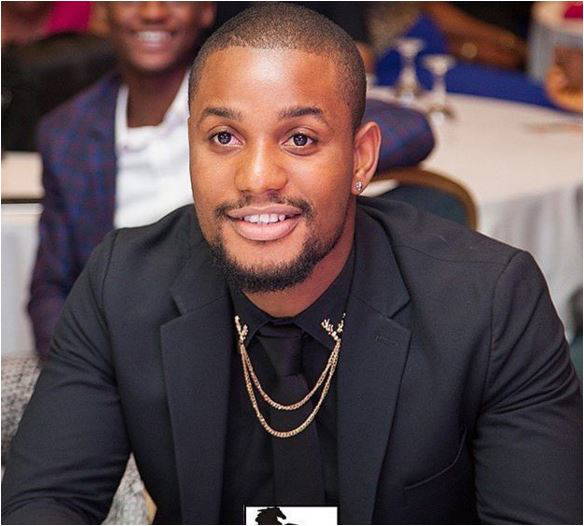
Alexx Ekubo, another familiar face in Nigerian cinema, reportedly died on May 11, 2026, at the age of 40. A family statement was said to have attributed his death to complications arising from advanced metastatic kidney cancer, a diagnosis that brought renewed attention to the seriousness of cancer among younger adults. His passing was particularly painful because he was still relatively young and had maintained a degree of privacy around his health before the final announcement.

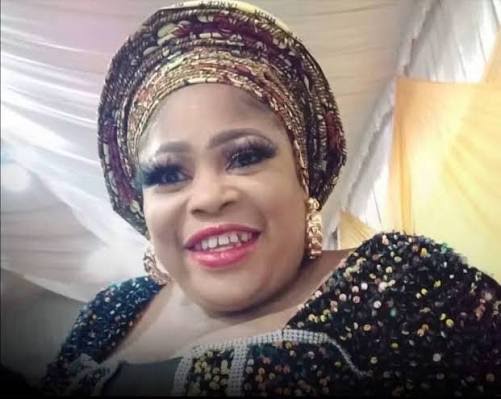
Yoruba actress Atinuke Remilekun Kareem reportedly died on September 1, 2026, after battling breast cancer. Before her death, she was said to have appealed for financial support, explaining that her family had spent substantial sums on treatment while trying to keep her alive. Her story reflects the difficult reality faced by many cancer patients, especially when the cost of medication, hospital visits and specialist care becomes too heavy for relatives to carry alone.

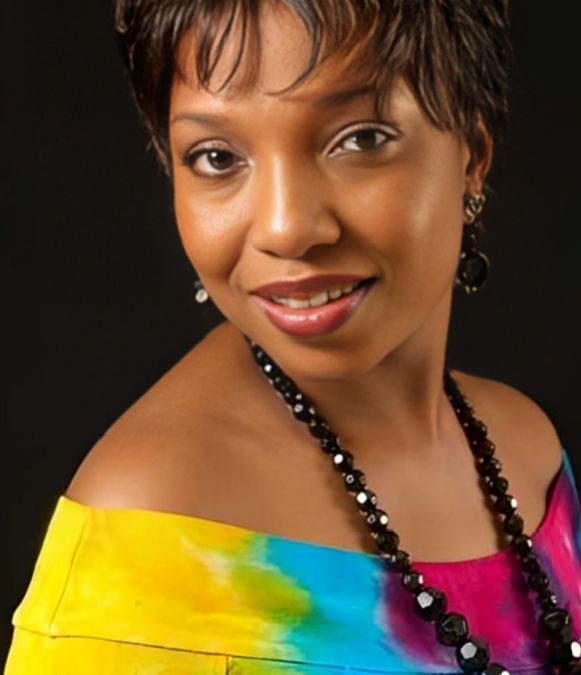
Anike Sinleke, also known as Adenike Babajide, was another actress whose death was linked to ovarian cancer in reports from November 2026. However, the specific diagnosis requires confirmation from an original family announcement or a reliable direct source before publication, particularly because cancer types should never be assigned casually. Temitope Osoba has also been associated with reports of breast cancer and public appeals for treatment support, but her death and diagnosis should be established carefully before including her among entertainers confirmed to have died from cancer.
Earlier Nollywood Stars Lost to Cancer
Cancer related deaths in Nigerian entertainment did not begin in 2026, as several respected actors and actresses had already faced difficult battles in previous years.

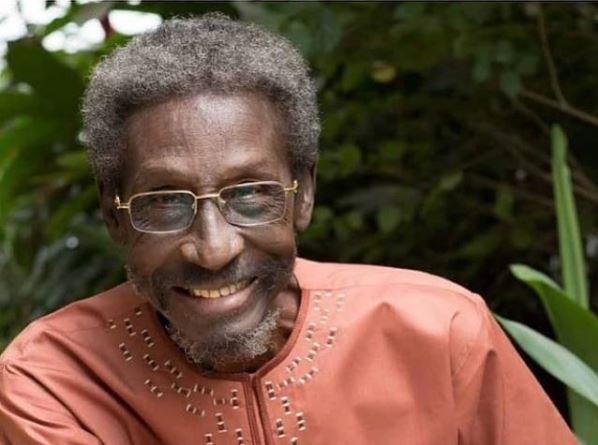
Sadiq Daba, the veteran actor and broadcaster, died on March 3, 2021, at the age of 69, after battling leukaemia and prostate cancer. He publicly disclosed his diagnoses in 2017 and received financial assistance during treatment, while his career remained closely associated with television drama and memorable film performances.
Daba was remembered for his role in Cockcrow at Dawn and for playing Inspector Waziri in Kunle Afolayan’s October 1, a performance that earned him the Africa Movie Academy Award for Best Actor. His death represented a painful loss to an industry that had benefited from his experience and versatility, while his illness revealed the financial and emotional pressure that can accompany prolonged treatment. His story remains important because it connects the entertainment industry’s history with the continuing struggle against cancer.

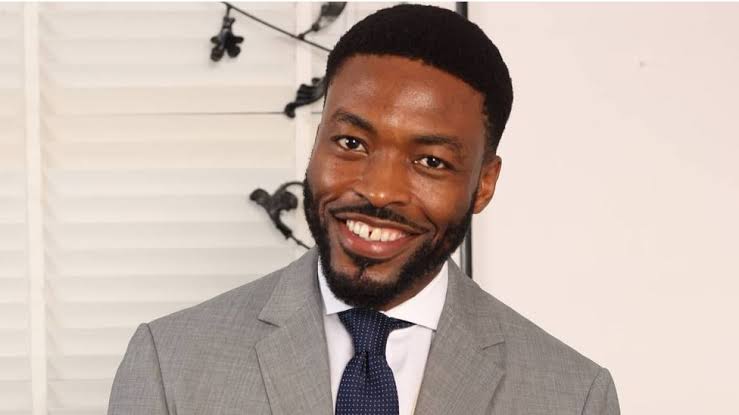
Actor and producer Karibi Fubara died on December 15, 2021, after battling kidney cancer. He disclosed in 2020 that doctors had discovered a large kidney tumour, and reports indicated that he underwent surgery before continuing treatment. His experience showed how cancer can interrupt a promising career while forcing patients to balance medical needs with the uncertainty surrounding recovery.

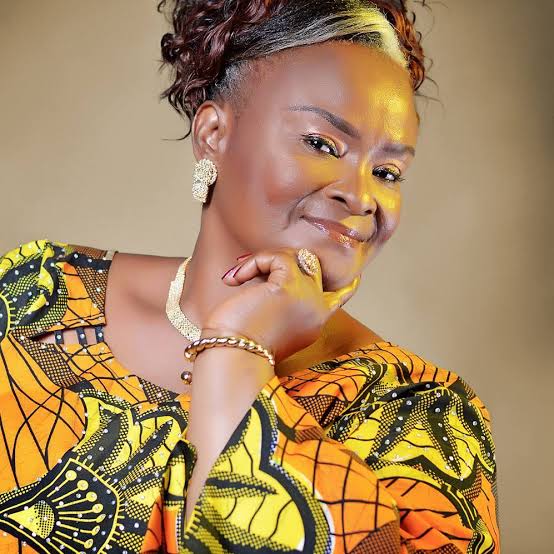
Ifeyinwa Onwuemene, popularly known as Ify Onwuemene, died on May 25, 2021, after battling endometrial cancer. Her colleague Gloria Anozie Young reportedly disclosed that the actress underwent surgery and chemotherapy, while reports surrounding her illness described the considerable cost of treatment and the financial support she received. Her final battle became another example of how cancer can place enormous pressure on patients, relatives and friends who try to provide assistance.

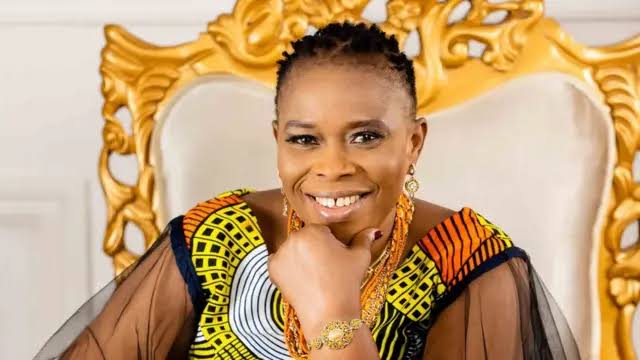
Veteran actress Doris Chima died on August 16, 2021, at the age of 63, after battling breast cancer for more than 6 years. Reports indicated that she had undergone a mastectomy, while her death was confirmed by the Lagos chapter of the Actors Guild of Nigeria. Her experience reflected the long and difficult journey that some patients face even after undergoing major medical procedures.

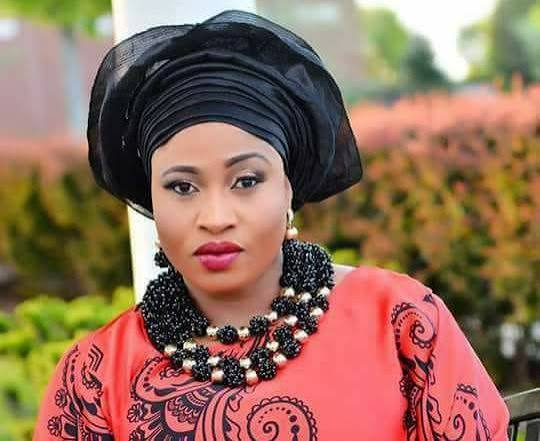
Yoruba actress and producer Aisha Abimbola, popularly known as Omoge Campus, died in May 2018 after battling breast cancer. She passed away in Canada, and her diagnosis was later confirmed by colleagues and members of the Actors Guild of Nigeria. Her death remains one of the memorable losses in Yoruba entertainment, particularly among viewers who followed her work as an actress and producer.

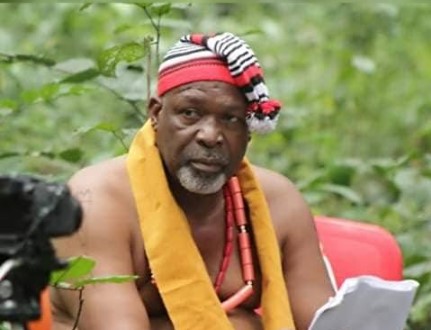
Veteran actor Tom Njemanze reportedly died on July 18, 2025, at the age of 75, after battling prostate cancer. Before his death, colleagues were said to have appealed for assistance with treatment and surgery, highlighting the financial difficulties that can accompany cancer care even for people who have spent years working in the entertainment industry. Stella Ikwuegbu died on June 16, 2024, after battling what colleagues described as leg cancer, while Ethel Ekpe, remembered for playing Segi in Basi and Company, died in February 2024 after battling cancer whose specific type was not publicly established in the information supplied.
Nigerian Musicians Also Lost to Cancer
Although the headline focuses on Nollywood stars, Nigeria’s music industry has also suffered painful losses connected to cancer. Sound Sultan died in July 2021 at the age of 44 after battling angioimmunoblastic T cell lymphoma, a rare type of blood cancer. His death shocked fans who had followed his career as a singer, songwriter and socially conscious entertainer whose music often reflected everyday Nigerian experiences.
Sunny Okosun, the veteran Nigerian musician, died in 2008 after battling colon cancer. His passing extended the history of cancer related losses in Nigerian entertainment beyond the modern Nollywood era, reminding audiences that the disease has affected performers across different generations. These musicians can strengthen a wider feature on Nigerian entertainment personalities lost to cancer, although the main article should remain focused on actors and actresses.
Nigeria’s Cancer Burden, The Numbers Behind the Concern
Nigeria faces a substantial cancer burden, with international estimates showing thousands of new cases and deaths every year. Figures from the International Agency for Research on Cancer’s GLOBOCAN 2024 estimates put the country’s projected new cancer cases at 152,261, while estimated cancer deaths reached 90,795. Another 292,934 people were estimated to be living with cancer diagnosed within the previous 5 years, while the estimated risk of developing cancer before the age of 75 stood at 12.1%.
These figures are estimates based on cancer surveillance and statistical modelling, rather than a complete record of every patient diagnosed in Nigerian hospitals. They nevertheless show the scale of the public health challenge and explain why cancer prevention, diagnosis and treatment deserve sustained attention. Breast cancer accounted for an estimated 44,196 new cases in 2024, making it the most frequently estimated cancer among both sexes combined.
Prostate cancer followed with 24,396 estimated new cases, while cervical cancer accounted for 12,312 cases and colorectal cancer for 10,212. Liver cancer was estimated at 3,783 cases, while ovarian cancer accounted for 3,687 new cases during the same period. These figures connect directly with the diagnoses reported among Nigerian entertainers, whose experiences have included prostate, breast, kidney, endometrial and other cancers.
Why Cancer Diagnosis Is Often Delayed in Nigeria
Several challenges contribute to delays in cancer diagnosis and treatment across Nigeria, including limited access to diagnostic equipment, high out of pocket expenses and gaps in public awareness. Patients may spend weeks or months treating symptoms as ordinary illnesses before receiving specialist attention, particularly when medical facilities close to their homes lack the equipment needed for further investigation. Such delays can make an already difficult illness more complicated, especially when cancer has progressed before treatment begins.
Access to screening and diagnostic services also varies across the country, with mammography, biopsy services and specialist consultations more readily available in some urban centres than in many rural communities. Patients who need advanced investigations may have to travel to another city, pay for transport and accommodation, and remain away from work or family responsibilities during treatment. Those additional expenses can discourage people from seeking care promptly or make it difficult to complete the process of diagnosis.
Fear and misinformation create another barrier, as some patients avoid hospitals because they believe a cancer diagnosis automatically means death. Others turn to unverified remedies or delay treatment while hoping that symptoms will disappear without medical intervention. Cancer is not a single disease, and outcomes depend on the type, stage, treatment options and individual circumstances, making proper medical assessment essential rather than relying on assumptions.
Financial pressure can become overwhelming once treatment begins, particularly when patients require surgery, chemotherapy, radiotherapy, targeted medicines and repeated follow up visits. Families may sell property, borrow money or appeal publicly for assistance to keep treatment going, while the emotional burden grows with every hospital appointment. Stories of Nollywood stars who sought help before their deaths have exposed the reality that fame does not always protect a person from the financial difficulties associated with serious illness.
Government Cancer Programmes, Treatment Support
Nigeria has a National Cancer Control Programme under the Federal Ministry of Health and Social Welfare, with responsibilities covering public education, prevention, early diagnosis, treatment and palliative care. The Federal Government unveiled the National Cancer Control Plan 2026 to 2030 in February 2026, outlining priorities intended to strengthen cancer prevention, screening, diagnosis, treatment and referral systems. The plan also includes cancer research, surveillance, survivorship support, palliative care and sustainable financing.
Government announcements also indicated that 8 preventive oncology clinics had become operational in federal tertiary health institutions. These clinics are intended to improve access to preventive services and encourage earlier identification of cancer risks, although their practical impact will depend on staffing, equipment, public awareness and the ability of patients to reach them. A programme on paper can only make a meaningful difference when people know where to go and can afford the services available.
The Cancer Access Partnership has also been described by the ministry as operating in 14 federal tertiary hospitals, with arrangements covering 27 anticancer medicines in 48 formulations. Another initiative, the Cancer Health Fund, is listed as providing support for eligible indigent patients receiving treatment for breast, cervical and prostate cancer in selected federal teaching hospitals. Patients seeking assistance should confirm eligibility, application procedures, funding limits and medicine availability directly with participating hospitals, since access may depend on current programme arrangements.
Early Detection, Prevention, The Need for Awareness
Breast cancer awareness remains important because changes such as a new lump, unusual nipple discharge, alterations in breast shape or persistent skin changes deserve medical assessment. Not every breast lump is cancer, but unexplained changes should not be ignored or treated solely with home remedies. Timely consultation gives a qualified health professional the opportunity to determine whether further examination or testing is necessary.
Prostate health also deserves greater attention among Nigerian men, particularly as they grow older or have a family history of the disease. Discussions about prostate specific antigen testing and other screening decisions should take place with a clinician who can explain the benefits, limitations and possible next steps. Pete Edochie’s reported diagnosis has made this subject more visible, but awareness should continue beyond the attention generated by his death.
Cervical cancer is strongly associated with persistent infection with high risk types of human papillomavirus, commonly known as HPV. Vaccination against HPV and appropriate cervical screening can help prevent the disease or identify changes before they become more serious. Public education, accessible vaccination programmes and affordable screening services remain important parts of reducing the burden of cervical cancer in Nigeria.
General risk reduction also matters, with tobacco use, harmful alcohol consumption, unhealthy diet, physical inactivity and certain infections recognised as factors that can increase the risk of some cancers. However, not every cancer can be prevented, and a diagnosis should never be treated as proof that a patient caused their own illness. Compassion, medical support and access to appropriate treatment remain essential for every person facing the disease.
The Human Cost Behind the Celebrity Headlines
Behind every cancer diagnosis is a person whose life extends far beyond the illness, with family responsibilities, personal dreams and relationships that continue to matter during treatment. Pete Edochie’s reported death has brought renewed attention to a veteran whose work shaped Nigerian entertainment, while the stories of Sadiq Daba, Ify Onwuemene, Doris Chima, Karibi Fubara and Aisha Abimbola reveal the lasting impact of cancer across the industry. Their experiences show how illness can affect people who have spent years entertaining audiences, building careers and supporting their loved ones.
Public appeals for treatment assistance have also exposed the financial strain faced by patients and families, particularly when medical care requires repeated payments over an extended period. Some entertainers received support from colleagues and admirers, while others struggled to meet the cost of treatment before their deaths. These experiences reflect a wider Nigerian reality in which access to healthcare can depend heavily on personal resources, family assistance and the availability of reliable support programmes.
Nigeria’s cancer burden requires more than sympathy whenever a famous person dies, as the challenge involves prevention, early diagnosis, affordable treatment and stronger medical services. Government initiatives, cancer awareness campaigns and improved screening can help, but their success depends on whether ordinary citizens can access them without facing impossible financial barriers. Every cancer story should therefore encourage practical action, from seeking medical advice when symptoms persist to supporting programmes that make diagnosis and treatment more accessible.
Pete Edochie’s death has placed another respected name among the entertainers whose lives were affected by cancer, but the larger story belongs to every Nigerian family facing the same difficult journey. Their grief deserves compassion, while the public health lessons deserve serious attention beyond the headlines. A stronger response to cancer will require awareness, medical investment, accessible treatment and a healthcare system that gives patients a better chance of receiving care before the disease advances.