

The Miss Universe stage has always carried more than the promise of a crown, with national pride, personal ambition, cultural identity and the pressure of representing millions of people meeting under the same spotlight. The 2026 edition brought those elements together in a competition that attracted attention from across the world, while Nigeria’s representative, Danielle Adewusi, arrived with a story of her own and a strong cultural message to share. From the crowning moment and the final rankings to the disputes that surrounded the event, this year’s pageant offered several developments worth following closely.
Miss Universe 2026 was particularly significant because it marked the competition’s 75th edition, bringing a major anniversary to a platform that has shaped international beauty pageantry for decades. The event also placed Puerto Rico at the centre of the global entertainment conversation, as contestants competed for the title before an international audience. Nigeria’s participation added another important chapter to the country’s pageant history, especially after the remarkable result achieved by Chidimma Adetshina in 2024.
The final brought together moments of celebration, difficult questions, cultural presentations and a new queen whose victory carried special meaning for her home territory. Danielle Adewusi’s journey also deserves attention, from her national victory to her appearance on the international stage and the cultural identity expressed through her costume.
Miss Universe 2026 Grand Finale
The 75th edition of Miss Universe concluded in San Juan, Puerto Rico, on November 24, 2026, with contestants representing countries and territories across the world. The grand finale brought the competition to its decisive stage, as the remaining contestants moved through the final presentations before the judges announced the winner and runners up.
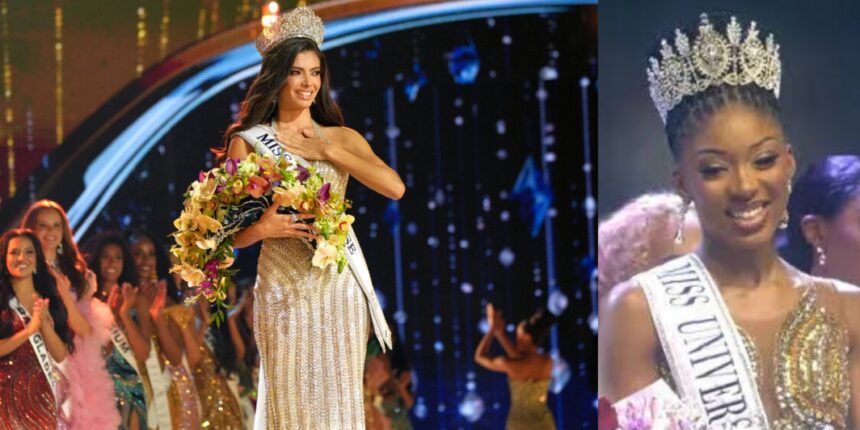
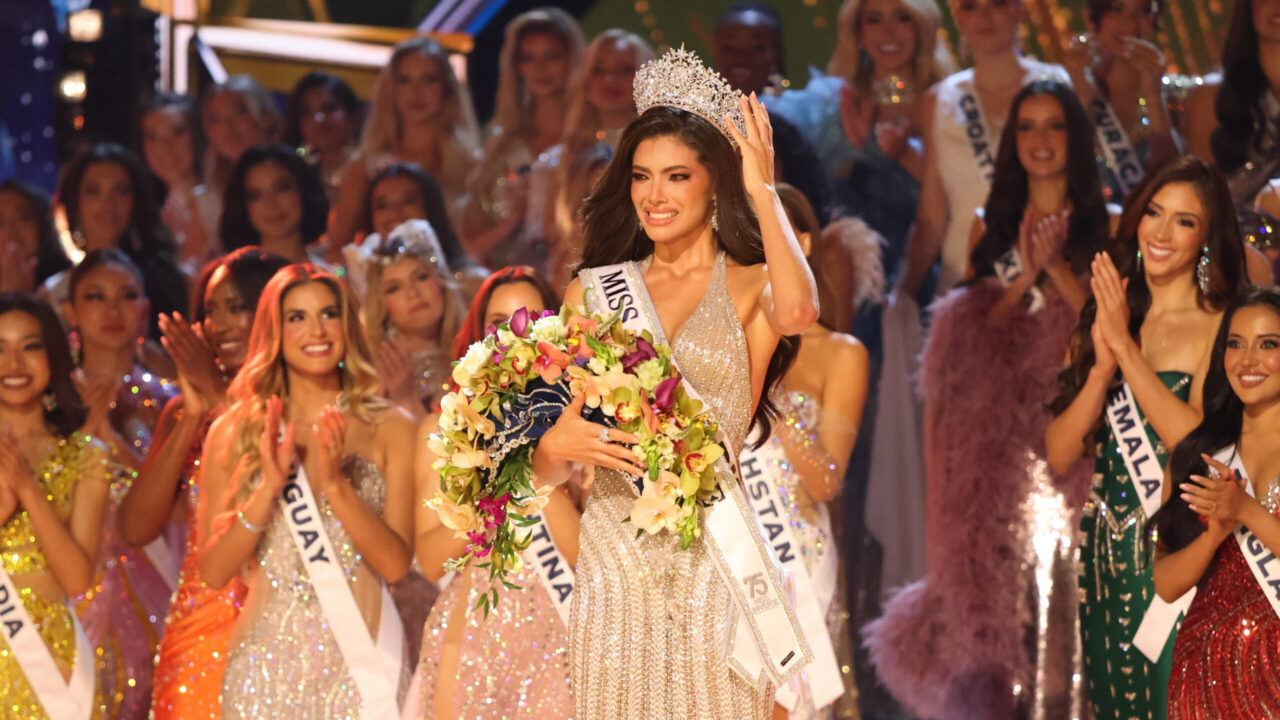
Puerto Rico’s Jennifer Barreto emerged as the new Miss Universe, securing the crown on home soil and giving the host territory another memorable moment in its pageant history. Her victory attracted particular attention because the competition took place before an audience closely connected to the winning representative, making the coronation a celebration for both the contestant and her homeland.
The 2026 edition also carried the weight of the anniversary, with the organisers presenting the event as a celebration of the pageant’s long history and international reach. Contestants had spent weeks participating in preliminary activities, cultural presentations, interviews and other events leading up to the final night, while the eventual winner faced the responsibility of representing the organisation throughout her reign.
Jennifer Barreto Wins Miss Universe 2026

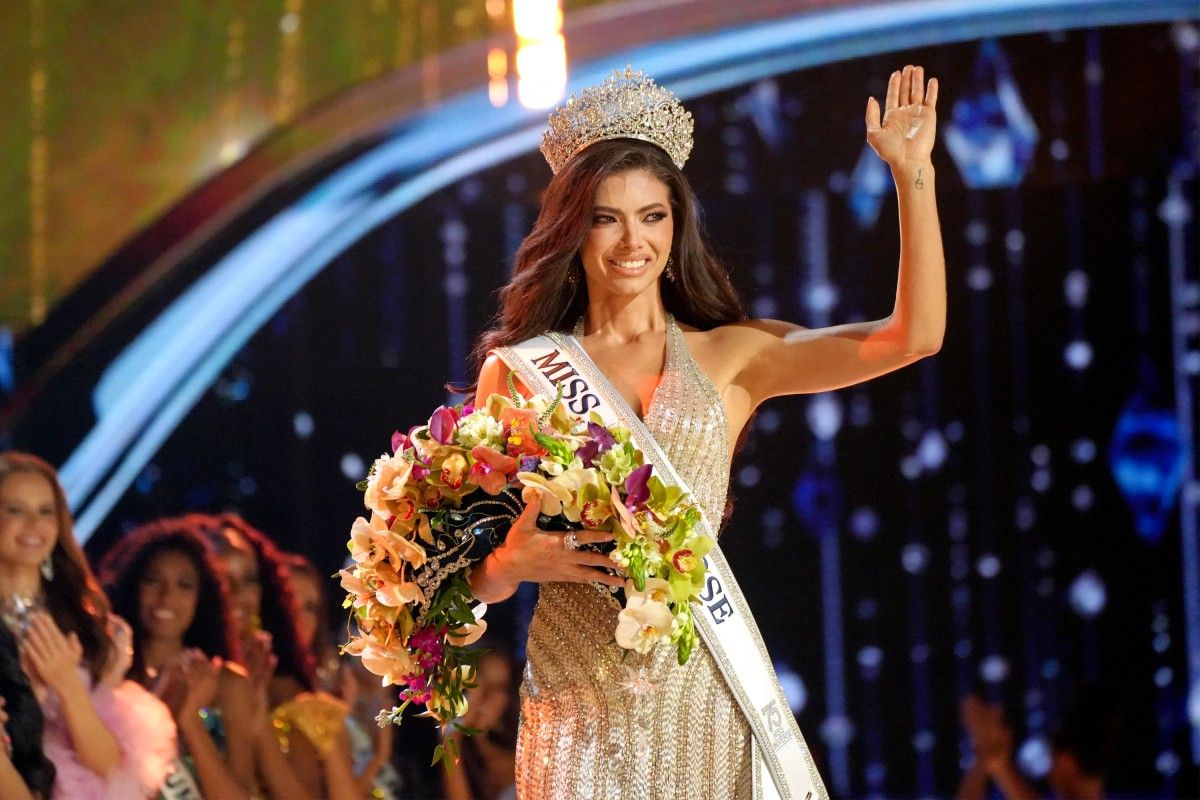
Jennifer Barreto of Puerto Rico won the Miss Universe 2026 crown, becoming the latest representative of the territory to claim the international title. Her victory was especially memorable because Puerto Rico hosted the competition, allowing the winner to celebrate before a home audience after completing the demanding stages of the pageant.
Barreto was crowned by the outgoing queen, Fátima Bosch of Mexico, bringing the previous reign to its official conclusion. The crowning ceremony marked the moment when the new titleholder stepped into a role that involves international appearances, charitable engagements, public advocacy and representing the Miss Universe brand across different countries.
Puerto Rico’s success added another title to its established record in the competition, with the territory continuing to maintain a strong presence in the history of Miss Universe. Barreto’s win also became one of the defining images of the 75th anniversary edition, as the host territory celebrated a victory that connected the international event with its own pageant tradition.
Miss Universe 2026 Top Five
The final 5 contestants represented different regions of the world, with Puerto Rico, the Dominican Republic, Venezuela, the Philippines and New Zealand reaching the closing stage of the competition. Their advancement reflected the final selection process, which followed the preliminary rounds and the elimination of contestants who did not make the semi finalist groups.
The final ranking was announced as follows:
Winner: Jennifer Barreto, Puerto Rico
1st Runner Up: Melissa Núñez, Dominican Republic
2nd Runner Up: Clara Vegas, Venezuela
3rd Runner Up: Bea Millan Windorski, Philippines
4th Runner Up: Georgia Waddington, New Zealand
Melissa Núñez secured the first runner up position, followed by Clara Vegas of Venezuela, while Bea Millan Windorski represented the Philippines in the final 5. Georgia Waddington completed the group, giving New Zealand a place among the leading contestants of the anniversary edition.
The final 5 faced the concluding stage of the competition, where their responses to the judges’ questions became part of the decision making process. Jennifer Barreto eventually stood above the remaining contestants, completing a journey that began with her national selection and ended with the international crown.
Nigeria’s Danielle Adewusi at Miss Universe 2026

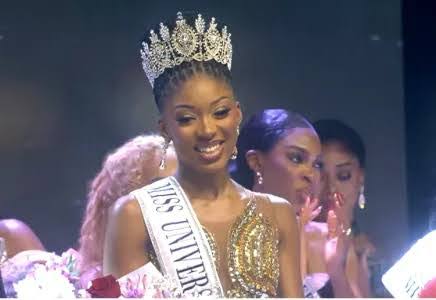
Nigeria was represented by Dr Danielle Adewusi, who earned the national title of Miss Universe Nigeria 2026 before travelling to Puerto Rico for the international competition. Her selection followed a national contest held in Lagos, where she emerged ahead of other contestants and secured the opportunity to represent the country at the 75th edition.
Adewusi entered the international pageant with a background in medicine and an advocacy initiative focused on women’s health. Her campaign was associated with Scrub the Stigma, a project aimed at encouraging conversations around health issues and reducing the stigma that can prevent women from seeking information or support.
Her participation also carried a family connection to the pageant, as her mother, Tonia Okogbenin, represented Nigeria at Miss Universe in 1991. That connection added a personal dimension to Adewusi’s journey, placing her appearance in the competition within a longer family history of involvement in international pageantry.
Nigeria’s result at the international event was confirmed when Adewusi failed to appear among the published Top 30 semi finalists. Her campaign therefore ended before the swimsuit semi final stage, the Top 12 evening gown round and the final selection of the winner and runners up.
Danielle Adewusi’s National Victory
Before her international appearance, Adewusi won the Miss Universe Nigeria 2026 title after competing against 19 other contestants at the national finale in Lagos. The event was held at Balmoral Hall, Federal Palace Hotel, Victoria Island, where contestants represented different states and competed for the opportunity to carry Nigeria’s name to the global stage.
Adewusi represented Lagos State and secured the crown ahead of the other finalists. Anita Osikhena of Edo State finished as 1st Runner Up, Myya Jones of Cross River State placed 2nd Runner Up, Oluwafunmibi Ajaja of Ekiti State came 3rd Runner Up, while Melissa Toghanro of Delta State completed the national Top 5.
The national victory gave Adewusi the responsibility of preparing for the international competition, including the preliminary activities, cultural presentation and public appearances associated with Miss Universe. Her selection also brought renewed attention to the Nigerian franchise, which had been in the spotlight following the country’s strong result in 2024.
Nigeria’s National Costume Presentation
One of the memorable elements of Nigeria’s participation was the national costume titled Daughter of the Coral Throne, a design inspired by the historic Benin Kingdom in present day Edo State. The presentation drew from the cultural heritage of the ancient kingdom, particularly its royal symbolism, coral beads and traditional imagery associated with the Benin court.
The costume featured coral inspired details, gold elements and a dramatic backpiece, with a ceremonial staff carrying a representation of Queen Mother Idia. The design was intended to communicate the strength, history and cultural identity of Nigeria through a presentation that could be understood by an international audience.
National costume presentations are among the most visually distinctive parts of Miss Universe, allowing contestants to introduce elements of their countries’ traditions beyond the standard competition rounds. Adewusi’s costume offered Nigeria an opportunity to showcase its heritage, even though her overall campaign ended before the semi final stage.
Miss Universe 2026 Top 30 Contestants
The Top 30 semi finalists represented a wide range of countries and territories, reflecting the international reach of the competition. Their selection followed the preliminary activities, with the contestants advancing to the next stage before the swimsuit presentation and further eliminations.
The published Top 30 included representatives from New Zealand, Chile, Brazil, India, the Netherlands, Turks and Caicos Islands, Peru, Cuba, Serbia, the Dominican Republic, Curaçao, the United States, Israel, Ecuador, Puerto Rico, Tanzania, Mexico, Guinea, Colombia, Ukraine, Panama, Costa Rica, Uganda, the Philippines, France, Ethiopia, Belgium, Venezuela, the Democratic Republic of the Congo and Nicaragua.
Nigeria was absent from the list, meaning Adewusi’s campaign concluded at the preliminary selection stage. The result marked a different outcome from Nigeria’s 2024 campaign, when Chidimma Adetshina advanced through the competition and finished as 1st Runner Up.
The Top 30 selection also showed the diversity of countries that reached the semi final stage, with contestants from Africa, Asia, Europe, the Americas and the Caribbean represented among the successful candidates.
Miss Universe 2026 Top 12 and Evening Gown Stage
The competition continued with the selection of the Top 12, who advanced after the swimsuit round and moved into the evening gown presentation. This stage placed greater attention on the contestants’ overall presentation, confidence and ability to carry themselves before the judges and the audience.
The reported Top 12 included Chile, Colombia, Cuba, the Democratic Republic of the Congo, France, Nicaragua, the United States, New Zealand, the Dominican Republic, Venezuela, the Philippines and Puerto Rico.
The evening gown stage brought the remaining contestants closer to the final decision, with each representative presenting a carefully selected outfit as part of the competition. Their advancement also determined which contestants would move into the final 5, where the judges’ questions and responses became central to the final ranking.
Jennifer Barreto’s Final Question
One of the major moments during the final stage involved a question about artificial intelligence and the human value the world should never lose as technology continues to develop. The question reflected the growing place of artificial intelligence in daily life, from communication and education to business, entertainment and public decision making.
Jennifer Barreto’s response focused on the importance of responsible use of technology and the need to preserve human values. She connected the issue with the relationship between people’s words and their actions, stressing the importance of consistency and responsibility as society adapts to new technological developments.
Her answer became part of the closing moments of the competition, as the judges assessed the final contestants before announcing the winner. The question also gave the pageant a contemporary subject, bringing a global technological issue into the final discussion.
Miss Universe 2026 Controversies
The 75th edition attracted attention beyond the stage because several disputes and organisational concerns emerged before the final. Visa difficulties affected some contestants, while disagreements involving national franchises and other pageant arrangements also shaped the build up to the competition.
Visa Problems Affecting African Contestants
Some contestants faced difficulties obtaining visas for travel to Puerto Rico, creating uncertainty around their participation. Reports identified Zambia and the Republic of the Congo among countries whose representatives withdrew after visa problems, while contestants from South Sudan and Zimbabwe also faced difficulties or delays.
The issue highlighted the practical challenges that international contestants can encounter when travelling for a major event, particularly when visa processing and travel arrangements must be completed within a fixed schedule. Such problems can affect preparation, participation and the ability of contestants to represent their countries at the competition.
Asian Franchise Dispute
A dispute involving the Miss Universe Organisation and Thai businessman Nawat Itsaragrisil affected participation from several Southeast Asian countries. Contestants from Thailand, Vietnam, Indonesia, Laos, Malaysia and Singapore were reported absent amid disagreements over franchise arrangements.
The dispute added another layer to the pageant’s build up, as national participation depends not only on selecting a contestant but also on the relationship between local organisers and the international organisation. Franchise disagreements can influence national preparations, entry arrangements and the eventual presence of contestants at the global event.
Miss Israel’s National Costume Presentation
Miss Israel, Danielle Yablonka, attracted attention during the national costume presentation after some spectators booed her appearance. Her costume referenced Jerusalem and included the word peace in English, Hebrew and Arabic.
The reaction generated discussion around the political and cultural sensitivities that can accompany international pageants, particularly when contestants present symbols connected with contested regions or ongoing conflicts. The moment became one of the notable incidents surrounding the 2026 competition.
Beach Swimsuit Runway Criticism
Another controversy emerged from a beach fashion event where videos showed contestants struggling on a makeshift runway over sand while wearing heels. The conditions raised concerns about the suitability of the setup for a professional presentation.
The Miss Universe Organisation reportedly distanced itself from the event, stating that it had been independently organised and did not meet its professional standards. The incident drew attention to the importance of safe and properly prepared facilities during pageant activities.
Judging Transparency Concerns
Questions about judging transparency also formed part of the discussion surrounding the competition. Concerns focused on the selection of judges, the process used to evaluate contestants and the need for clarity around scoring.
These issues followed allegations of irregularities connected with the previous edition, making judging procedures an important subject during the 2026 pageant. The final result was announced after the competition stages, but questions about transparency remained part of the broader organisational conversation.
Miss Universe 2026 Anniversary Crown
The winner received a new crown introduced for the 75th anniversary edition, known as Radiance of an Eternal Legacy. The design was presented as part of the pageant’s anniversary celebration, giving the coronation a distinct visual symbol for the milestone year.
Reports described the crown as being made from 18 carat white gold and decorated with 3,150 diamonds. It was created by jewellery designer George Wittels in collaboration with Paris based Maison d’OR.
The anniversary crown represented the pageant’s long history while introducing a new design for the titleholder. Its presentation formed part of the ceremony that marked Jennifer Barreto’s victory and the beginning of her reign as Miss Universe 2026.
Puerto Rico’s Historic Home Victory
Jennifer Barreto’s win gave Puerto Rico another Miss Universe title and placed the territory at the centre of the anniversary celebration. The victory was particularly meaningful because the competition took place on the island, allowing the host territory to celebrate the result before its own audience.

Puerto Rico’s previous titleholders include Marisol Malaret, Deborah Carthy Deu, Dayanara Torres, Denise Quiñones and Zuleyka Rivera. Barreto’s victory added her name to that list and extended the territory’s record in the international pageant.
Her win was also reported as a milestone following the organisation’s removal of restrictions on contestants who are married or have children. The development reflected changes in the pageant’s eligibility rules and the broader evolution of its approach to contestants.
Nigeria’s Miss Universe 2026 Campaign
Nigeria’s participation in the 2026 edition combined national pride, cultural presentation and the personal story of Danielle Adewusi. Her national victory, medical background and women’s health advocacy formed part of the story she carried to Puerto Rico, while the Daughter of the Coral Throne costume offered a visual representation of Nigerian heritage.
The international result, however, ended before the Top 30 semi final stage, leaving Nigeria outside the final rounds of the competition. The outcome differed from the country’s performance in 2024, when Chidimma Adetshina reached the final and finished as 1st Runner Up.
Adewusi’s campaign remains part of Nigeria’s continuing history at Miss Universe, with the national franchise expected to prepare for future editions and select another representative. The 2026 pageant ultimately produced a new queen in Jennifer Barreto, a final Top 5 led by Puerto Rico, and a series of memorable moments that shaped the 75th anniversary competition.