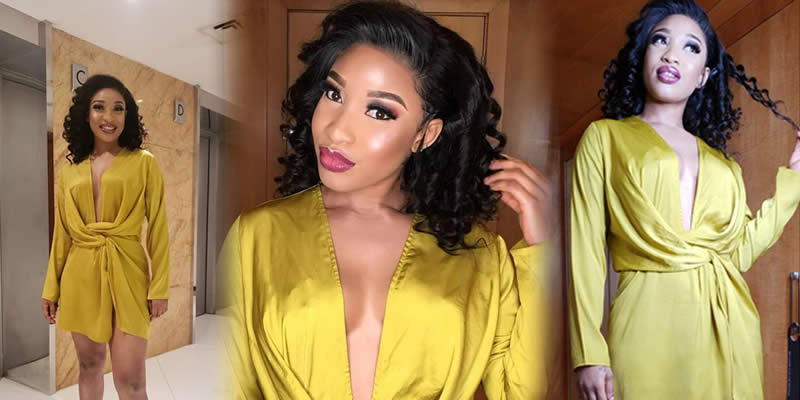


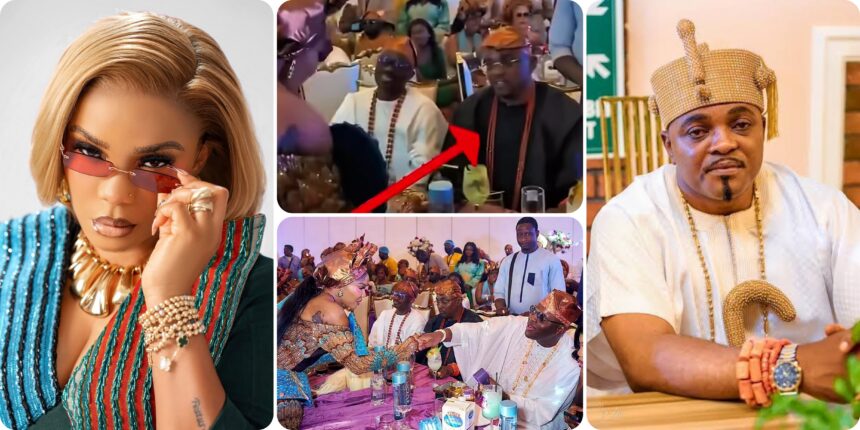
A moment at a social gathering can sometimes say more than the people involved intended. What begins as a simple exchange of pleasantries may take on a different meaning when viewed by others, especially when it involves a public figure and a respected traditional institution. For Iyabo Ojo, a brief encounter with Ogun monarch, Olu of Orile Kemta, at a recent event became a subject of discussion on social media, with many people questioning what they saw and what it meant.
What happened between Iyabo Ojo and the monarch?

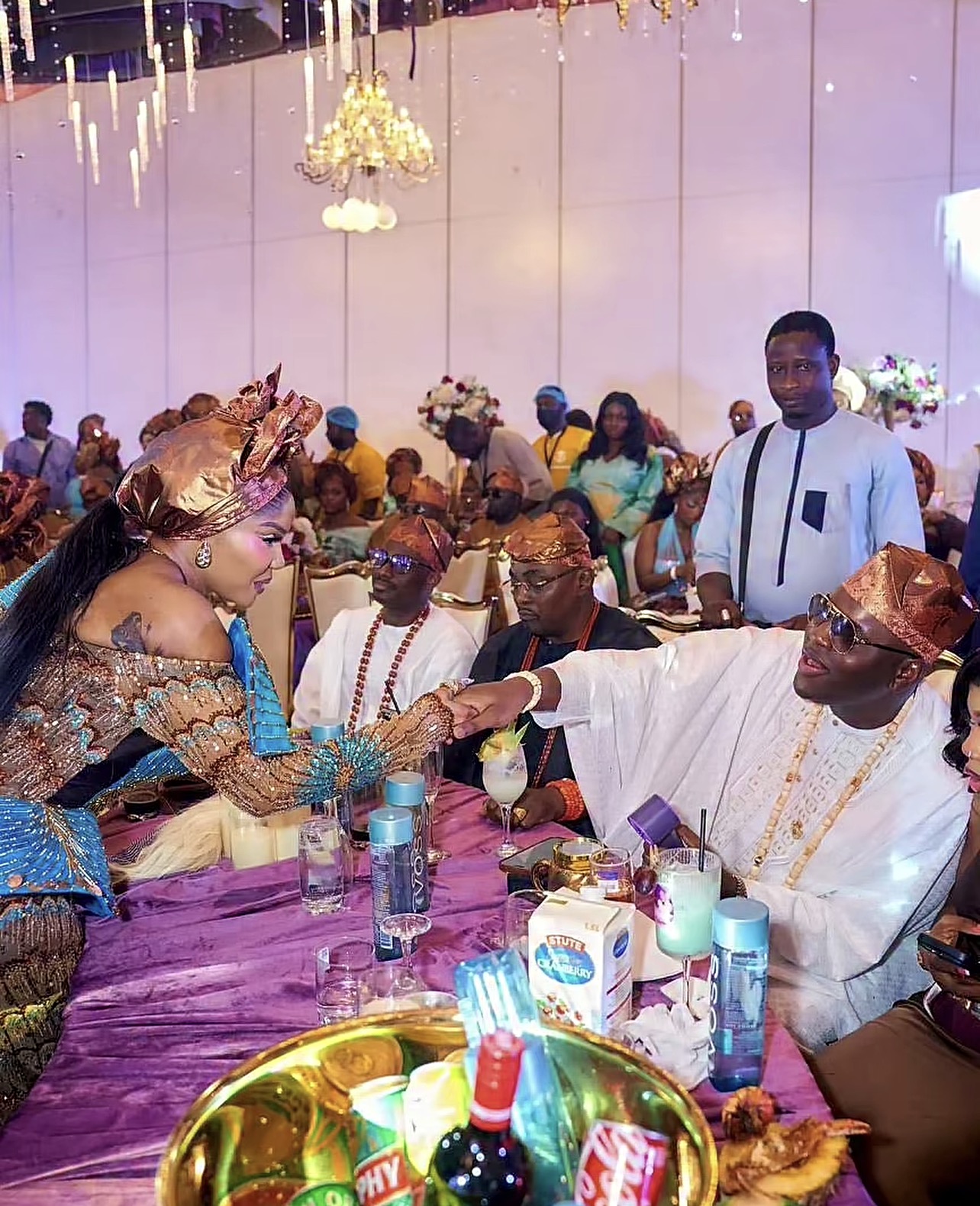
The incident happened on November 22, 2026, at the 10th wedding anniversary celebration of socialite Mummy Glee and her husband, Mr Still, in Lagos. A video from the event showed the Nollywood actress approaching a table where several traditional rulers were seated.
In the footage, Ojo extended her hand to greet the monarchs. Two of them accepted her handshake, but the Olu of Orile Kemta, Oba Adetokunbo Tejuosho, who was in the middle seat, did not. To be fair, while Oba Tejuosho did not accept the handshake, he responded verbally.
The actress then moved on to greet another monarch seated beside him. The brief interaction soon made its way onto social media, where it was described by many as a royal snub.
Some netizens questioned why the monarch had declined her greeting, while others focused on whether Ojo had followed the expected etiquette when greeting a traditional ruler.
The video quickly became a talking point, with different interpretations of the same moment.
Iyabo Ojo explains why she extended her hand


On November 26, 2026, Iyabo Ojo addressed the incident in a social media post, explaining that she had not known the man was a king when she approached the table. According to the actress, she was seated at the event when someone came to tell her that people at the table were sending their greetings. She said she recognised the Oloto of Oto-Awori (Kuyamiku 1) HRM Oba Josiah Olanrewaju Ilemobade Aina, whom she described as a brother.
Iyabo Ojo explained that she decided to approach the table to greet him and assumed the other people seated there were his friends. In her words:
“Okay, I have seen the news making the rounds and I need to correct something. Number one, I did not even know the said person was a king.
HRM Oloto is someone i know very well. He is like a brother to me and that is how we greet each other every time.
I was sitting pretty when someone came to tell me they sent their greetings from that table. When I looked towards that direction and saw HRM Oloto, I said, “Ah, okay, that’s my brother, let me go greet him.”
She said she greeted everyone at the table because she thought they were friends.
“I never knew the said person was a king,” she explained.
The actress maintained that she had no intention of disrespecting the monarch, his throne or his culture. She continued:
“Honestly, I am very sorry if I caused any offence. I meant no disrespect to his throne and culture. Henceforth, I will be very mindful.”
Iyabo Ojo also admitted that she was used to greeting people with hugs and handshakes, adding that she would be more mindful in the future.
“I have a bad habit of shaking and hugging people 🙈. I am trying to reduce the hugging. I guess I will also reduce the handshakes.”
She ended her explanation by saying, “We learn every day. I meant no disrespect. It’s all love from this side.”
Ogun monarch explains why he refused Iyabo Ojo’s handshake

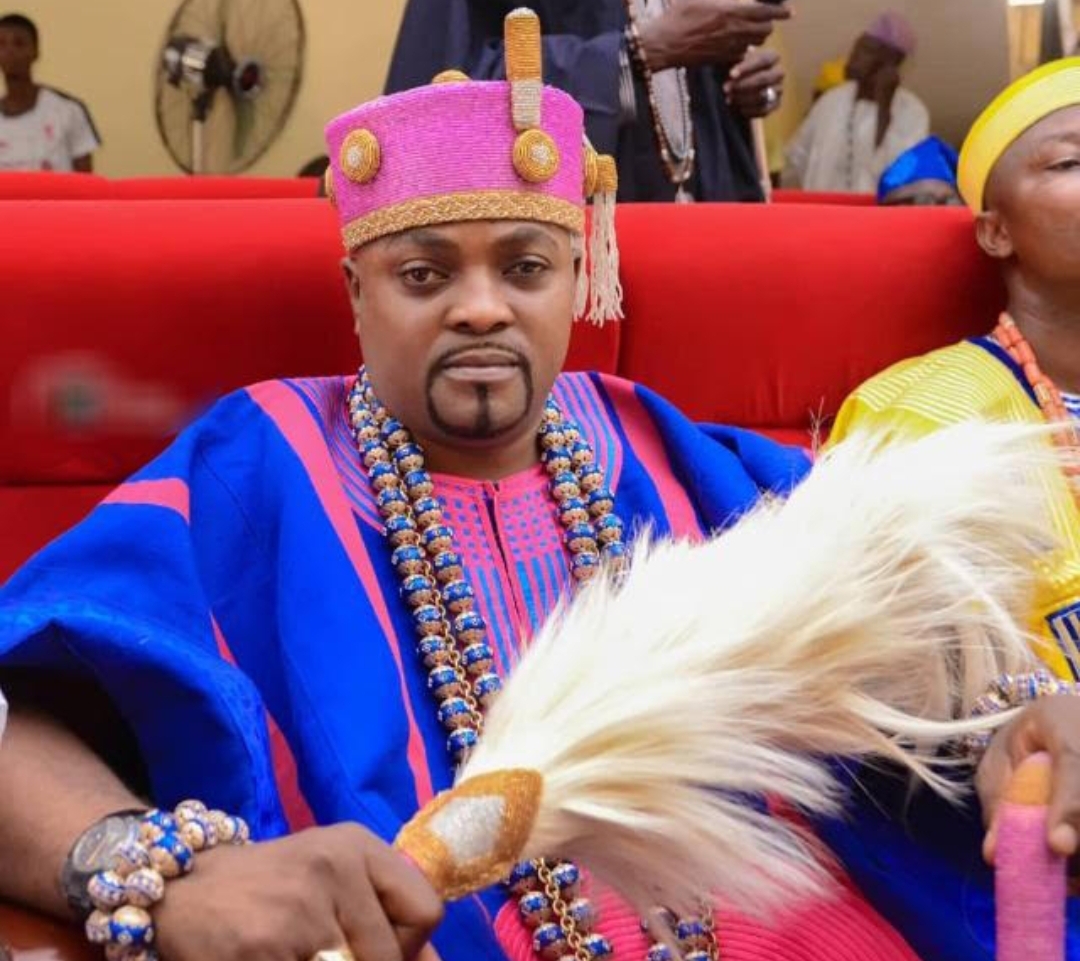
The Olu of Orile Kemta, Ogun State, Oba Adetokunbo Tejuosho, has explained why he declined to shake hands with Nollywood actress Iyabo Ojo during the event, insisting that his action was guided by his personal principles and traditional beliefs. In a video interview shared on social media on Friday, November 27, the monarch said he did not deliberately snub the actress.
Oba Tejuosho explained that Ojo had earlier extended her hand to the Oba of Isheri Olofin, which may have made her assume that he was also willing to exchange handshakes. He maintained that he did not ignore the actress, claiming that he asked about her and her family verbally before she moved on to greet the next person seated beside him, identified as Oba Oloto.
Explaining his position, the monarch said accepting handshakes was against his personal principles and his understanding of the responsibilities of a traditional ruler. He stressed that even if Nigeria’s First Lady extended her hand to him, he would still decline, adding that he only accepts handshakes at his discretion or when he is the one who initiates them.
Oba Tejuosho also claimed that shaking hands with a monarch could carry certain dangers, saying a person might not know what the ruler had done before the encounter. According to him, such a handshake could cause a woman’s menstrual flow to stop before menopause or lead to prolonged menstrual bleeding. The monarch challenged those who doubted his claim to visit him with cameras and shake his hand.
Describing himself as an educated and well-travelled king, Oba Tejuosho said he understood his position and the importance of upholding his cultural values. Reacting to the criticism he received after the incident went viral, the monarch said the backlash would not discourage him from showcasing his culture to the world. He added that being a traditional ruler had taught him to accept accolades and develop a thick skin against insults, stressing that negative comments from netizens would not make him abandon his principles.
Why netizens are divided over the royal snub
The video sparked different reactions online, with some netizens criticising the actress and others questioning whether the moment deserved the level of attention it received.
Those who criticised Iyabo Ojo argued that she should have been more aware of the proper way to greet a traditional ruler. Some others described her action as disrespectful, saying that public figures should be mindful of cultural expectations, particularly when interacting with traditional institutions.
One X user criticised the actress, arguing that someone of her age and public standing should have known better and should serve as an example to younger people.
Others, however, felt that the actress had handled the situation calmly. They pointed to the fact that she moved on after the monarch declined her handshake and later offered an explanation and apology. Some also questioned whether she should be judged harshly for a greeting she said was made without knowledge of the monarch’s identity.
For this group, the actress’s explanation was enough to show that she had not approached the table with any intention of disrespect. The divided reactions showed how quickly a short video can lead to different conclusions, especially when viewers do not have the full context of what happened before or after the moment captured on camera.
A handshake, a king and the question of respect
Beyond the reactions, the incident has also brought attention to the expectations surrounding greetings and traditional rulers.
In many cultural settings, greetings are not always treated as casual gestures. Coming down to Africa, particularly Nigeria, the way a person approaches or addresses a traditional ruler is expected to be revered. It usually involves specific postures like kneeling, prostrating, bowing etc, verbal honorifics, and avoiding direct physical contact like handshakes depending on the region.
For some people, the refusal of a handshake was therefore a matter of royal protocol and respect for tradition. Others believe that the circumstances surrounding the encounter should also be considered, particularly Ojo’s explanation that she did not know the monarch was a king.
While the video showed the handshake being declined, but it did not reveal the monarch’s personal reason for doing so, seeing as the other monarch accepted the handshake.
Conclusion
For Iyabo Ojo, the incident has become a lesson of comportment especially with people she’s unfamiliar with. A greeting that she said was meant to be friendly became a debate about culture, respect and the expectations placed on public figures.
Whether people believe the actress should have known better or feel that the criticism has gone too far, the encounter has shown how differently a single moment can be understood. And sometimes, the conversation that follows a public incident becomes just as significant as the incident itself.