


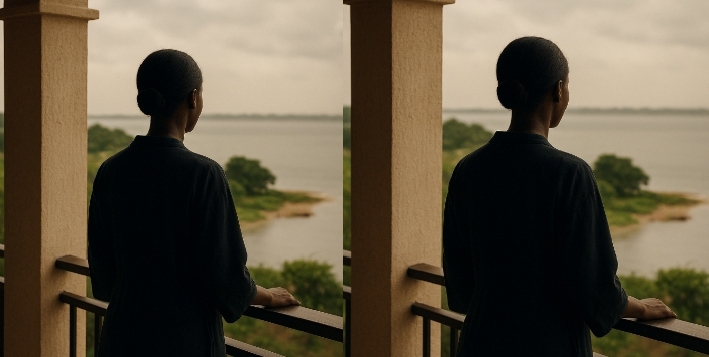
In Lagos, the noise never ends—it only changes rhythm. From dawn’s impatient horns on Ozumba Mbadiwe to midnight’s muffled laughter seeping from Banana Island terraces, the city lives in layers. It has a way of exposing everyone, eventually. Fame in Lagos isn’t a steady flame; it’s a restless fire that licks at the walls of privacy. For years, socialites—those whose names once headlined champagne launches and charity galas—have learned a quiet art: disappearance.
It begins slowly. A face that once dominated event pages in ThisDay Style or BellaNaija stops appearing. A name once spoken in the same breath as “Moët table” or “Lanre DaSilva dress” suddenly drifts out of conversation. The city forgets quickly, but never entirely. Behind every withdrawal lies a pattern—an escape strategy, a geography of silence where Lagos socialites go when they no longer wish to be recognized.
Some vanish into gated waterfront homes; others migrate to private farms in Epe or rebrand abroad as philanthropists or wellness advocates. And yet, Lagos always remembers their shadows. In a city that worships presence, absence is the new luxury.
From Spotlight to Shadows: The Lagos Performance
Every Lagos socialite performs—even in withdrawal. The performance begins not on red carpets but in whispers: who wore what, who bought the new G-Wagon, who was last seen at Quilox. To step back is to rewrite the script.
In the 1990s, the Lagos elite were defined by visibility. Parties at Oceanview, weddings at Eko Hotel, charity events at Civic Centre—all arenas of proof. The first generation of “visible elite” were industrialists and oil families, often tied to old money. The social performance was linear: attend, appear, and be photographed. Visibility equaled existence.
Then came the social media decade—the 2010s. Instagram became the new Lagos ballroom. Visibility no longer needed pedigree; only proximity to wealth. The influencers, brand ambassadors, and nouveau riche flooded the scene. But with every rise came fatigue. Fame became work, not pleasure. And slowly, the exodus began.
They left not because they lost relevance—but because they had seen too much of their own reflection.
The Geography of Disappearance: Ikoyi’s Quiet Corners

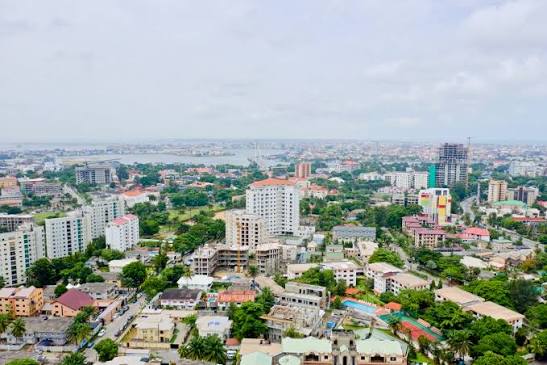
Ikoyi, the old money island, became the first theatre of retreat. While Lekki and Victoria Island pulsed with youthful glitter, Ikoyi aged gracefully, developing secret arteries where the visible became invisible.
At the edges of Gerrard Road and Bourdillon, apartments with blacked-out windows hosted the once-familiar names who no longer posted. The “new Ikoyi” became a paradox—central yet hidden. Inside these homes, socialites reinvented themselves. They took up painting, launched private trusts, and began “living small”—a term that in Lagos means living unseen, not unwealthy.
Some turned to Ilashe, reachable only by boat. There, in beachfront villas, weekends stretched into months. Parties continued, but the cameras stopped. Guests surrendered their phones at the gate. Lagos, after all, is a city that can only see what you show it.
A few others vanished into nearby suburbs—Epe and Ibeju-Lekki—where they built private farms or eco-retreats. They told curious friends they were “grounding,” “healing,” or “working on something new.” In truth, they were detoxing from the performance.
The Rebrand: From Socialite to Philanthropist
Visibility, once measured in flash photography, evolved into curated anonymity. By the late 2010s, many Lagos elites discovered a subtler form of relevance: philanthropy.
Names that once graced luxury brand lists began to appear beside community projects, children’s foundations, and youth empowerment conferences. It wasn’t an accident—it was a rebrand. In a city where perception is a currency, going quiet without purpose signals decline; going quiet with charity signals rebirth.
Consider those who transformed the stage. Once the face of society events, Erelu Abiola Dosunmu reinvented presence through heritage and diplomacy, her influence moving from soirées to cultural leadership. Others, like Toke Makinwa, shifted narrative control—using platforms like podcasts to merge confession and control.
Philanthropy, in Lagos, became camouflage. It gave the illusion of withdrawal while preserving influence.

When the Cameras Turn Cold: The Scandal Effect
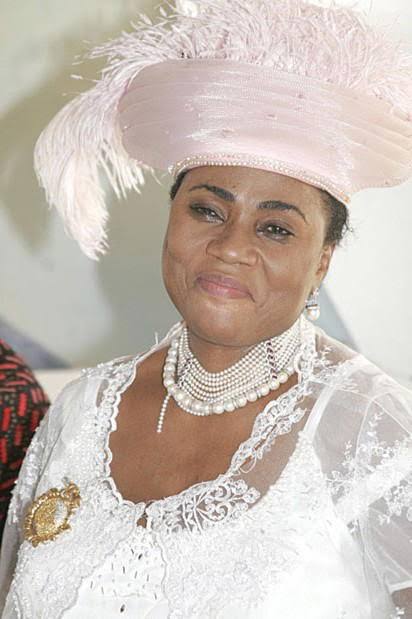
Not all vanishings are voluntary. Scandal, in Lagos, has no expiration date—it only cools. When a socialite is burned by controversy—financial fraud, leaked affairs, political exposure—the path to silence becomes urgent. The first step: delete, deactivate, disappear.
In the mid-2010s, when a prominent Lekki entrepreneur was accused of embezzlement, she reappeared months later as a wellness coach in Dubai. Another, a club owner once hailed as “the nightlife king,” retreated to Ghana under a new business name. Lagos society doesn’t mourn disappearances; it replaces them.
But behind every public silence lies an internal exile. Many retreat not out of shame but exhaustion—tired of proving, performing, and pretending. As one event planner whispered at a closed-door soirée in 2023: “Lagos fame is expensive; peace is priceless.”
Banana Island: The Republic of Private Lives
Banana Island is the geography of reinvention. The high walls aren’t just for security; they are symbolic—the architecture of selective visibility. In these manicured estates, Lagos’s former social lights stage a quieter opulence.
Morning routines here differ. Instead of red carpets, there are private yoga classes; instead of after-parties, there are book clubs and art salons. The noise is curated. Wealth exists, but recognition doesn’t. The true allure of Banana Island isn’t luxury—it’s permission to disappear while living well.
A few times each year, the old glamour resurfaces—birthday dinners, private screenings, charity auctions—but always invitation-only. Inside these rooms, the same faces meet again, older, softer, more deliberate. The cameras flash—but never for public eyes.
The Flight Path: When Lagos Becomes Too Small
Eventually, the city itself becomes claustrophobic. To disappear fully, the Lagos elite leave Lagos. Dubai, London, and Cape Town are the new sanctuaries of reinvention. Each city offers anonymity with dignity—places where wealth is unremarkable.
In Dubai, they find familiarity—Palm Jumeirah villas where old Lagos faces gather discreetly. In London, they blend into Kensington brunches and Oxford Street anonymity. In Cape Town, they rent cliffside homes overlooking the Atlantic and rediscover solitude.
Yet, Lagos never lets them go. Their names still echo in salons and on social media whenever a new luxury car is posted or a rare sighting surfaces. In Lagos, even absence trends.
The Digital Ghost: Instagram’s Unseen Lives
The digital age redefined disappearance. To vanish now doesn’t mean deleting one’s presence; it means controlling it. Many Lagos socialites maintain dormant Instagram pages—no updates, but no deletion either. It’s a symbolic pause, a digital ghosting of the city.
Their followers linger like frozen applause. Occasionally, a cryptic post appears—a quote, a flower, a memory. Each like is a whisper of recognition, each comment a failed attempt to summon them back.
Some start over with pseudonyms. A new handle, fewer followers, private settings. The audience shrinks, but the peace expands. The transformation is less about hiding than filtering who gets to see.
The Emotional Cost of Invisibility
For all its privilege, disappearance carries an ache. Lagos thrives on being seen, and to leave that stage can feel like erasing oneself. Former queens of society describe it in soft tones: the loneliness of private success, the silence after relevance, the disconnection from the city’s pulse.
What begins as liberation sometimes becomes isolation. In absence, they discover who truly remained. The party crowd fades quickly; only genuine friendships endure. Yet even that solitude brings renewal. They rediscover their names beyond brand tags, their worth beyond appearances.
For some, the transformation is spiritual. For others, it’s pragmatic. For all, it’s irreversible.
The Return: Selective Resurrection
Not every disappearance is permanent. Some return—carefully. After years of invisibility, they reemerge with new forms: art exhibitions, foundations, or silent board memberships. Their faces have aged, their confidence recalibrated.
The comeback is never noisy. It’s intentional. Lagos forgives quickly when wealth remains intact. These returns often carry a moral undertone—a new humility, a quieter luxury. They’ve seen the vanity of exposure and now measure success by peace, not applause.
To the public, they are enigmas. To themselves, they are finally free.
The Price of Disappearing
To vanish in Lagos requires privilege. Ordinary people fade without notice; elites must engineer their absence. There’s a cost—emotional, financial, social. You must maintain relevance without presence, security without spectacle. The walls get higher, the circles smaller, the invitations fewer.
But perhaps that’s the point. In a city obsessed with being known, the truest rebellion is to be unseen.

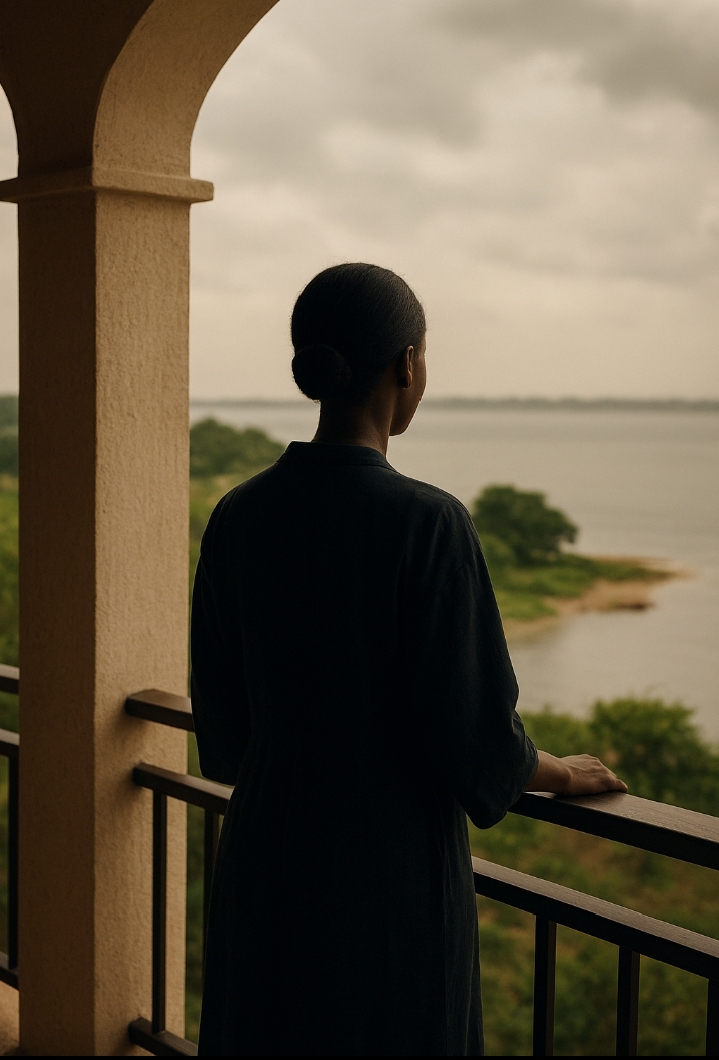
Their stories blur into legend. Someone claims to have seen them at a private art gallery. Another swears they’ve relocated to Ghana. Yet others insist they’re back—quietly running things from behind. Lagos, always eager for spectacle, keeps guessing.
Leaving With This: Where They Go
They do not go far. They go inward. They go to the unlit side of the same city that once worshipped them — to corners that do not crave applause. Some move into the anonymity of routine; others melt into the pulse of smaller lives, blending with the quiet rhythm of morning markets, ferry rides, and unposted sunsets.
Where Lagos socialites go when they no longer want to be recognized is not a single place — it is a decision. They go to the silence between phone rings, to unshared dinners, to weekends that no longer need witnesses. They go to where no one introduces them with adjectives.
Lagos itself remains their mirror — noisy, dazzling, and forgetful. But behind its mirrored skyline are rooms where the city’s former faces exhale. Some have learned that peace doesn’t need an audience. Others have found that fading, when done with intention, can feel like freedom.
And so they go — not away from Lagos, but deeper into its quiet side, where identity is no longer performance and visibility no longer proof. They go to the only place left untouched by fame: the place where they become ordinary again.
That is where they go when they no longer want to be recognized — to the rarest space Lagos can offer, where a name can rest without being called.