


For a country that prides itself on football supremacy, Nigeria’s recent World Cup qualifying campaign has been a story of missed opportunities and mounting frustration.
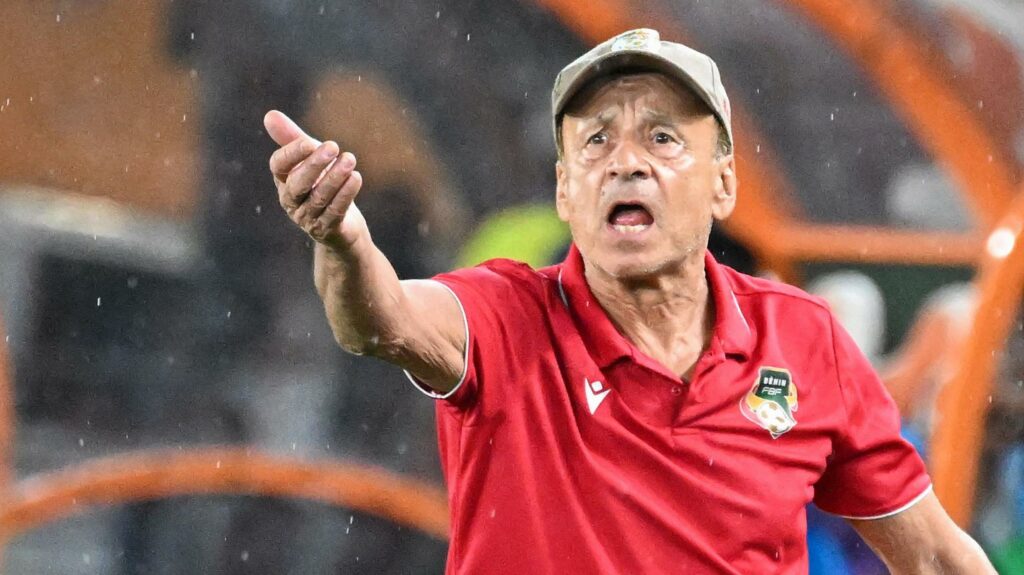
Gernot Rohr, once the Super Eagles’ head coach, has quietly rewritten the narrative next door with the Benin Republic, guiding them to four wins against Nigeria—more than the three Nigerian coaches who followed him have managed together.

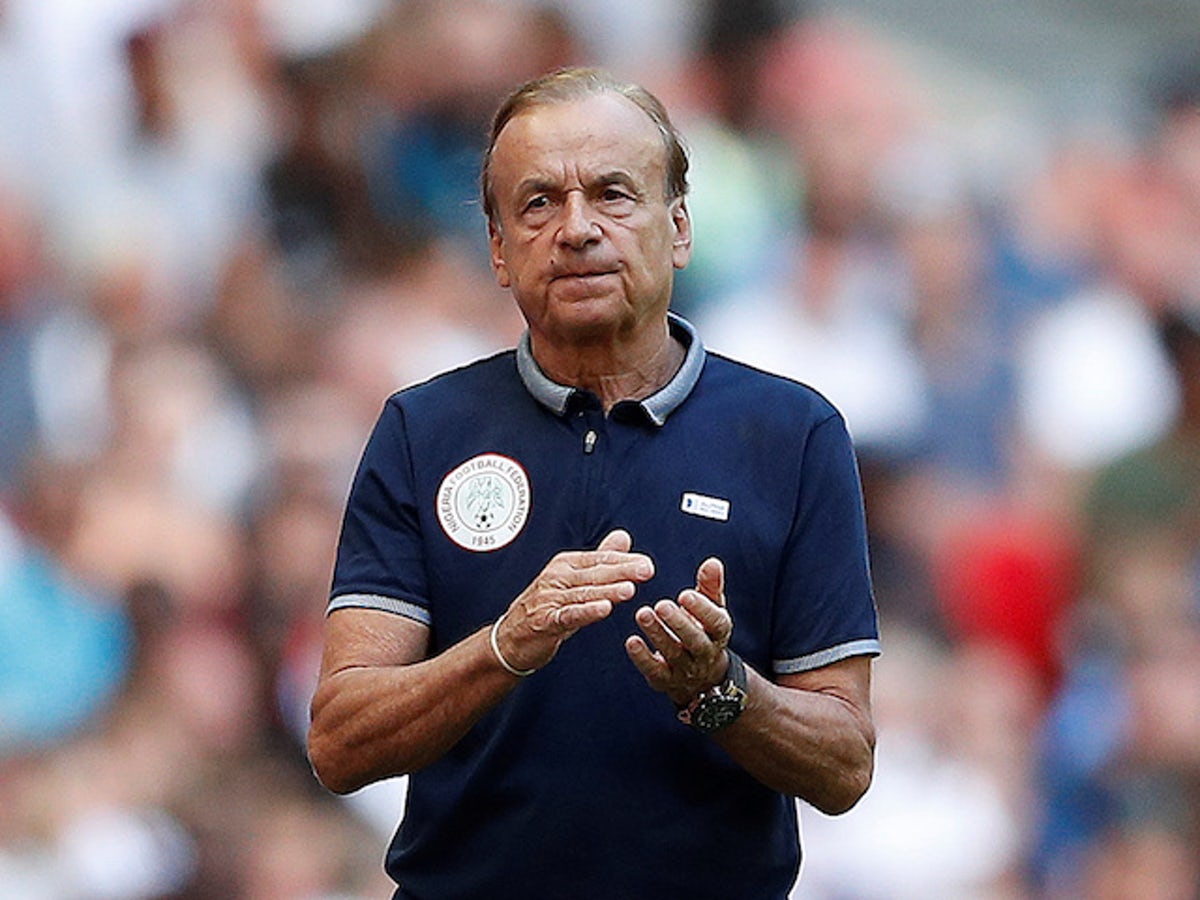
Rohr, appointed manager of the Super Eagles in 2016, held the position for five years, securing qualification to the 2018 World Cup and narrowly missing out on 2022.
His tenure ended on December 12, 2021, with the NFF citing the need to prevent an imminent collapse.
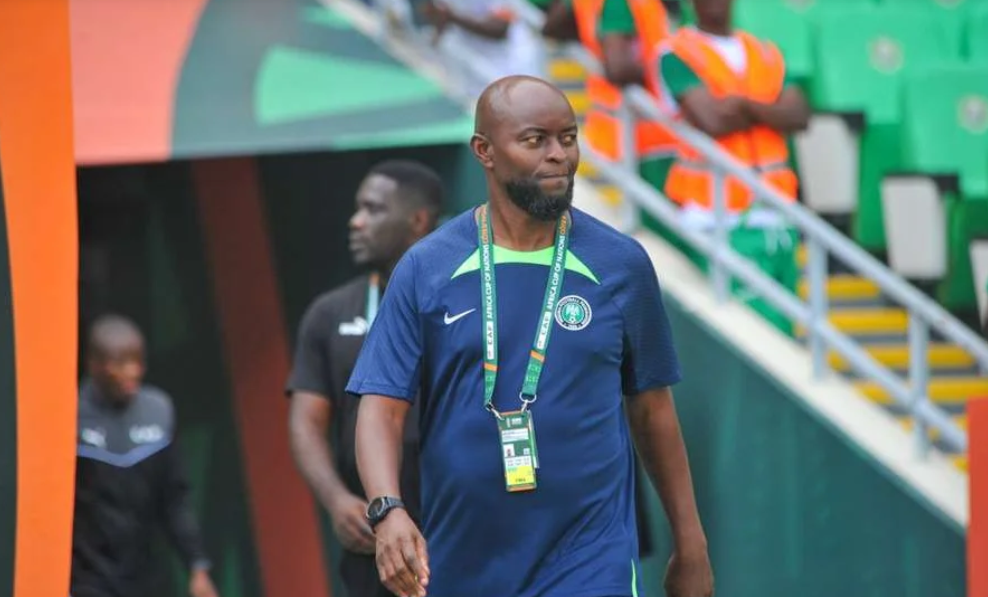
The void was filled by Jose Peseiro, the Portuguese tactician, who led the team from 2022 until March 2024, followed by Finidi George, a former assistant coach, and finally Eric Chelle, appointed in January 2025.

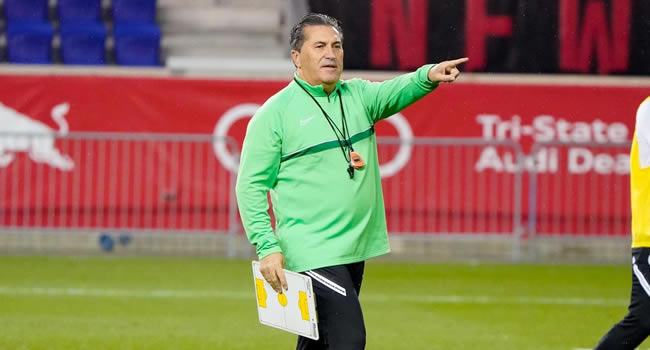
Across this period, Nigeria managed a combined total of 11 points in Group C of the qualifiers—Peseiro (two points), Finidi (one point), and Chelle (eight points).

Rohr, meanwhile, had already racked up 14 points with Benin, propelling the Squirrels into second place, ahead of the Super Eagles.
The stark contrast is not only in numbers but in style. Rohr has achieved these results with a squad drawn from less celebrated leagues, yet his tactical organisation and consistency have yielded measurable outcomes.
Nigeria, by contrast, despite a roster of African stars and European-based talent, has struggled to find rhythm and cohesion.
The defining moment came in January 2025, when Benin handed Nigeria a 2-1 defeat in Abidjan, the former coach triumphing over the team he once led.
The victory emphasised Rohr’s enduring impact on West African football and cast a spotlight on Nigeria’s managerial instability.
Football analysts note that Rohr’s structured approach, long-term planning, and focus on player development contributed to his success.
Critics argue that Nigeria’s current coaches face challenges in tactical clarity, communication, and cohesion, which have affected match outcomes despite raw talent.
The performance gap has reignited debate over the NFF’s decisions and the importance of stability in national team management.
Supporters of Rohr’s methods point to measurable results as evidence that coherent planning can overcome resource disparities.
As the qualifiers continue, Nigeria must respond decisively to maintain hopes of World Cup qualification.
Meanwhile, Rohr’s achievements with Benin stand as a reminder that effective leadership, strategy, and preparation often outweigh individual talent alone.
In the end, the story is about more than points or wins; it is about vision, execution, and the fine line between success and missed opportunities.
For Nigerian football, the question now is whether lessons will be learned—or if more chances will slip away.