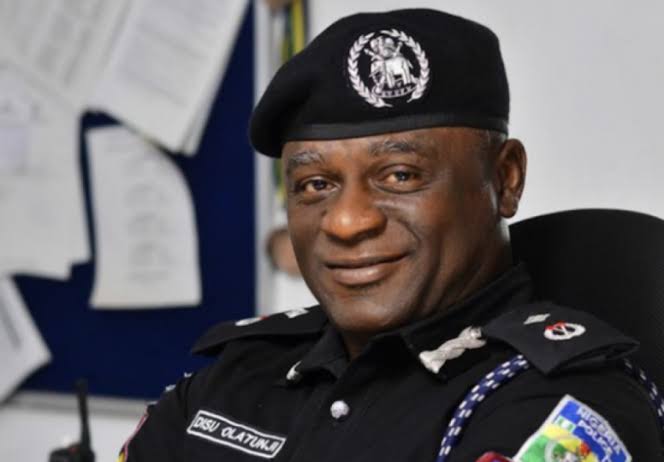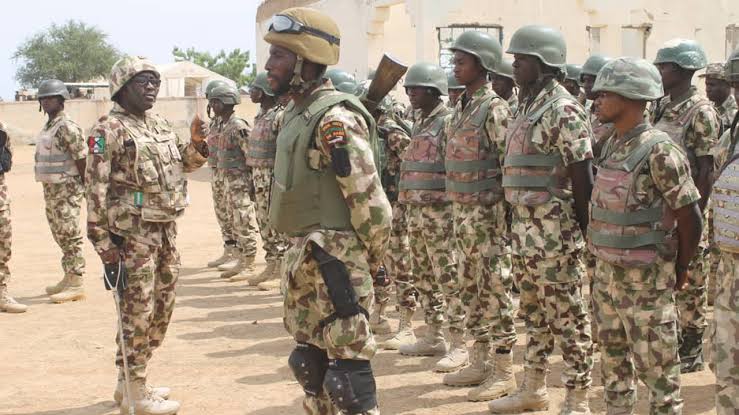
This whole thing started with whispers, then reports started popping up online claiming some military officers were rounded up. The stories suggested a pretty significant number, maybe around 16 senior folks, including a Brigadier-General, were detained.
- Official Statements on the Military Coup Attempt in Nigeria
- Verification of the Military Coup Attempt in Nigeria
- Reasons Behind the Alleged Coup Plot
- Cancellation of Independence Day Activities
- Reactions to the Alleged Military Coup Attempt in Nigeria
- The Truth Behind the Alleged Plot
- Full List of Military Coups in Nigeria and the Key Figures Behind Them
The reason? Allegedly, they were part of a plot to overthrow the current government. It all seemed to be timed around Nigeria’s Independence Day celebrations, which, if true, would have been a pretty bold move. It definitely got people talking and, honestly, a bit worried.
Allegations of a Plot Against President Tinubu
The core of these early reports centered on a direct threat to President Bola Tinubu’s administration. The narrative painted a picture of a group within the military actively working to disrupt the constitutional order and seize power.
These weren’t just vague rumors; specific numbers of officers and a planned timeframe were mentioned, making the allegations seem more concrete, even if unverified.
What made these claims particularly striking was the timing. The alleged plot was said to be planned to coincide with Nigeria’s Independence Day on October 1st. This timing, if accurate, would have been a deliberate attempt to cause maximum disruption and seize control during a period of national significance.
It’s a classic tactic, really, to strike when the nation is focused on celebration and unity, hoping to exploit any potential vulnerabilities.
Official Statements on the Military Coup Attempt in Nigeria
When the whispers of a potential coup started circulating, many expected a swift and clear response from the highest levels of government and the military. However, that official confirmation never really materialized. It was a strange silence, leaving a lot of room for speculation.
The Presidency remained quiet, and the Defence Headquarters, while eventually addressing the rumors, didn’t initially confirm any specific plot or arrests related to overthrowing President Tinubu.
Defence Headquarters Debunks Coup Rumors
Eventually, the Defence Headquarters did step in to address the swirling rumors. They put out statements, essentially saying, ‘Hold on a minute, this isn’t happening.’ They’ve been pretty clear that the Nigerian Armed Forces are loyal to the Constitution and the current government.
They’ve also mentioned that any officers arrested were likely due to internal disciplinary matters, not some grand plan to seize power. It’s like they’re trying to say, ‘Don’t believe everything you read; we’ve got this under control.’
Government’s Stance on the Allegations
The government, for its part, has largely echoed the military’s statements. They’ve expressed confidence in the armed forces’ commitment to democracy and national security. While they acknowledge that people might be feeling the pinch economically, they firmly believe that a military takeover is absolutely not the answer.
They’ve urged citizens to trust the process and disregard what they call ‘falsehoods peddled by enemies.’ It’s a message of stability and a commitment to constitutional rule, even when things are tough.
Verification of the Military Coup Attempt in Nigeria
So, we’ve heard all these whispers about a potential coup, right? It’s natural to want to know what’s really going on. But when you start digging, things get a bit murky. The biggest hurdle right now is the sheer lack of solid proof. It’s like trying to catch smoke – lots of talk, but nothing concrete to hold onto.
When something this big happens, you’d expect the news to be all over the place, right? Major news outlets, both here and abroad, usually jump on stories like this. But so far, there’s been a deafening silence from reputable sources like Reuters, the Associated Press, or the BBC. They haven’t independently confirmed any arrests or any actual plot. This silence is pretty telling, honestly. It makes you wonder if the initial reports were just that – reports, not facts.
Analysis of Speculative Claims
What we’re seeing a lot of are claims based on anonymous sources or ‘people familiar with the matter.’ While these can sometimes point in the right direction, they’re not proof. It’s easy to connect dots that aren’t really there, especially when there’s a lot of public anxiety.
Some analysts suggest that maybe some officers were indeed questioned or detained, but for internal disciplinary issues, not necessarily for plotting a coup. It’s a big leap from a disciplinary action to an overthrow attempt, and right now, there’s no evidence to bridge that gap.
Look, Nigeria has a history with military takeovers. If you’re curious, a quick look at the List of military coups in Nigeria shows a pattern. We’ve seen various leaders come and go through such means. However, each situation is different, and the context matters.
The current claims just don’t hold up when you try to verify them. Without official confirmation from the Presidency or the Defence Headquarters, and with no independent media backing, these allegations remain firmly in the realm of speculation. It’s important to separate rumors from reality, especially when it comes to national security.
It’s crucial to remember that unsubstantiated claims can cause unnecessary panic and distrust. Until concrete evidence emerges and is verified by credible sources, it’s best to treat such reports with a healthy dose of skepticism.
Reasons Behind the Alleged Coup Plot
So, why would anyone even whisper about a coup attempt right before Independence Day? The story going around, mostly from anonymous sources, suggests some military officers felt they were being sidelined or that their personal ambitions weren’t being met.
It’s said that a group of senior officers, some reportedly holding ranks from Captain up to Brigadier-General, were unhappy with the current political landscape. They allegedly believed that “selfish politicians” were running the country into the ground and that a military takeover was the only way to ‘fix’ things. This narrative paints a picture of disgruntled individuals looking to seize power for what they perceived as the nation’s good, though it’s a pretty convenient excuse, isn’t it?
Speculation on Internal Disciplinary Actions
It’s also possible that what’s being blown out of proportion as a coup plot is actually just a series of internal disciplinary actions. The military, like any large organization, has its own set of rules and procedures for dealing with misconduct.
Sometimes, officers might be questioned or even detained if there are suspicions of wrongdoing, whether it’s corruption, insubordination, or other breaches of military code. The Defence Headquarters has mentioned an “ongoing investigation involving” some officers as a “routine internal process aimed at ensuring discipline and professionalism.”
This could mean that the arrests, if they happened, are related to standard military investigations rather than a grand scheme to overthrow the government. It’s easy for rumors to twist these internal matters into something much more dramatic.
The Role of the Office of the National Security Adviser
The Office of the National Security Adviser (ONSA) often plays a key role in national security matters, including intelligence gathering and counter-terrorism efforts. Reports have hinted that some of the officers allegedly involved were attached to this office. This connection could suggest that any alleged plot was detected early due to the ONSA’s intelligence network. It also raises questions about the internal dynamics within security agencies and how information is managed.
The ONSA’s involvement, even if just in receiving intelligence, puts it at the center of any such alleged threat, making its role significant in both the supposed plot and its subsequent handling.
The line between internal disciplinary measures and genuine threats to national security can become blurred, especially when sensitive information is involved and rumors begin to spread.
Here’s a breakdown of what’s being suggested:
- Alleged Motivation: Discontent over perceived political mismanagement and personal ambition.
- Key Players: Senior military officers, some reportedly linked to the Office of the National Security Adviser.
- Detection: Intelligence gathering by agencies like the Defence Intelligence Agency (DIA).
- Official Explanation: Routine internal investigations for disciplinary purposes.
Cancellation of Independence Day Activities
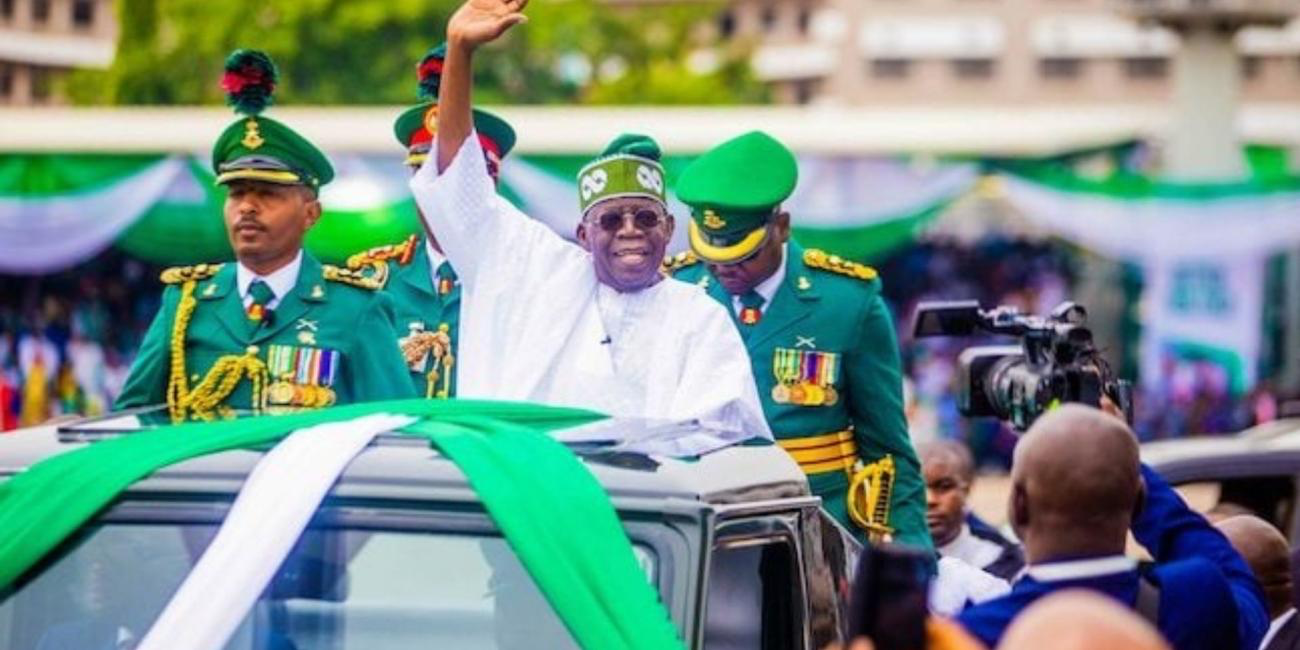
The official word from the Defence Headquarters regarding the cancellation of the usual fanfare for Nigeria’s 65th Independence Day on October 1st was quite straightforward. They stated that the decision was made to allow President Bola Tinubu to attend an important bilateral meeting abroad.
Additionally, it was mentioned that this break would help the Armed Forces of Nigeria maintain their focus and momentum in the ongoing fight against terrorism, insurgency, and banditry across the country. It was presented as a purely administrative move, a scheduling adjustment rather than a sign of deeper issues.
Linking Parade Cancellation to Coup Allegations
However, this official explanation didn’t quite sit right with everyone, especially when reports of alleged coup plots and the arrest of several military officers started circulating. Some news outlets immediately connected the dots, suggesting that the parade’s cancellation was a direct consequence of the supposed unrest within the military ranks.
The timing seemed too coincidental for many, leading to widespread speculation that the government was trying to downplay a serious security threat by offering a more palatable, administrative reason for the absence of the traditional parade.
The back-and-forth between the official statements and the burgeoning rumors highlights a significant disconnect. While the Defence Headquarters insisted the cancellation was administrative, the public and various commentators pointed to the alleged coup plot as the real security-driven reason.
This created a narrative where the government’s explanation was seen by some as an attempt to manage public perception, masking a potential internal crisis with a convenient, non-alarming reason. The military’s commitment to democracy was reaffirmed, but the lingering questions about the true motives behind the parade’s cancellation persisted amidst the swirling allegations.
Reactions to the Alleged Military Coup Attempt in Nigeria
When news of the alleged Nigerian coup plot started circulating, various socio-political groups were quick to voice their opinions. Many, like the pan-Yoruba organization Afenifere, issued strong statements condemning any move to undermine Nigeria’s democracy.
They emphasized that the country has a history of suffering under military rule and that such actions would be a step backward. These groups often highlight that the constitution provides clear pathways for governmental change, and any deviation is unacceptable. They stressed that regardless of current challenges, military intervention is not the answer and that the growing democracy must be protected.
Calls for Transparency from Opposition Parties
Opposition parties, on the other hand, have largely called for more openness from the government and military. While not necessarily confirming the coup rumors, they expressed concern over conflicting information. Some parties pointed out that the military’s statements seemed inconsistent, leading to public confusion.
They argued that Nigerians deserve to know the truth about any alleged coup plot and the status of any officers reportedly detained. Calls for transparency are common when there’s a lack of clear, official confirmation, as it leaves room for speculation and distrust. The opposition wants to understand the facts, whether it involves disciplinary actions or something more serious, to ensure due process.
Public Discontent and Rumor Fueling
The public reaction has been a mix of anxiety and skepticism. Widespread reports of arrests and a potential coup attempt naturally cause unease, especially given Nigeria’s past experiences with military rule. However, the lack of official confirmation from the presidency or the Defence Headquarters has led many to question the validity of the claims.
Some analysts suggest that public discontent over the current economic situation and governance might fuel such rumors. When people are struggling, any news of instability, even if unverified, can gain traction.
This environment makes it easier for unsubstantiated claims about the Tinubu government threats and Nigerian presidential security concerns to spread, creating a cycle where rumors feed on existing public sentiment.
The Truth Behind the Alleged Plot
The Nigerian Armed Forces have repeatedly stated their dedication to upholding the country’s democratic principles. While rumors of a coup attempt have circulated, official statements from the Defence Headquarters emphasize their loyalty to the constitution and the elected government.
These statements often highlight that any internal investigations are routine processes aimed at maintaining discipline and professionalism, not indications of a broader plot.
Ongoing Internal Investigations
It’s not uncommon for military organizations to conduct internal reviews or investigations into the conduct of their personnel. Reports suggest that some officers may have been questioned or detained as part of such processes. However, linking these actions directly to a coup plot without concrete evidence remains speculative.
The military has indicated that these are standard procedures to ensure accountability within the ranks.
Disregarding Falsehoods Peddled by Enemies
The Defence Headquarters has actively worked to debunk what it terms “falsehoods peddled by enemies of the nation.” These efforts are aimed at preventing public anxiety and misinformation. Official communications urge citizens to rely on verified information and to disregard rumors that could destabilize the country.
The military’s stance is that unsubstantiated claims should not be taken as fact, especially when they lack independent corroboration from credible sources.
The narrative surrounding an alleged coup attempt has largely been fueled by unverified reports and speculation. Official channels have consistently denied any concrete evidence of such a plot, framing any internal actions as routine disciplinary matters. The public is urged to exercise caution and rely on confirmed information from authoritative sources.
Full List of Military Coups in Nigeria and the Key Figures Behind Them
Since independence in 1960, Nigeria has witnessed several military coups that deeply shaped its political and economic history. From the first coup in 1966 to the most recent alleged plot in 2025, each event left lasting marks on the nation.
Here’s a concise look at Nigeria’s major coups:
-
January 1966 Coup – Led by Majors Kaduna Nzeogwu and Emmanuel Ifeajuna, it overthrew the First Republic and resulted in the deaths of Prime Minister Abubakar Tafawa Balewa and Ahmadu Bello.
-
July 1966 Counter-Coup – Northern officers retaliated, killing General Aguiyi-Ironsi and bringing Yakubu Gowon to power.
-
1975 Coup – Gowon was overthrown in a bloodless coup led by Brigadier Murtala Muhammed.
-
1976 Coup (Dimka Coup) – General Murtala Muhammed was assassinated in a failed coup attempt led by Lt. Col. Buka Suka Dimka. Olusegun Obasanjo became Head of State afterward.
-
1983 Coup – Major General Muhammadu Buhari seized power from President Shehu Shagari, ending the Second Republic.
-
1985 Coup – Ibrahim Babangida overthrew Buhari in a palace coup and became Head of State.
-
1985 Alleged Vatsa Coup – Major General Mamman Vatsa and several officers were accused of plotting against Babangida and were executed.
-
1990 Coup Attempt – Major Gideon Orkar led a violent but failed bid to topple Babangida’s regime.
-
1993 Coup – General Sani Abacha ousted interim leader Ernest Shonekan, ending Babangida’s transition to democracy.
The era of military rule left deep scars on Nigeria’s economy, governance, and institutions, issues that continue to shape the country’s political journey today.