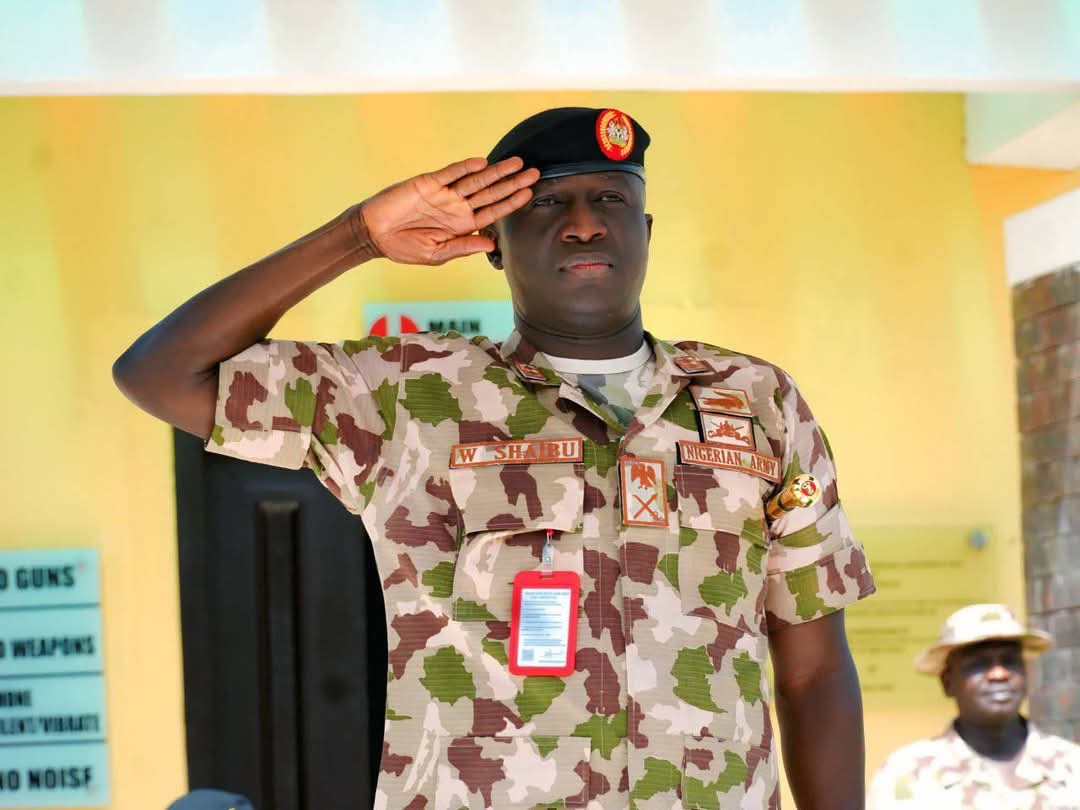
President Bola Ahmed Tinubu has appointed Major General Waidi Shaibu as Nigeria’s new Chief of Army Staff (COAS) in a sweeping military reshuffle aimed at strengthening the nation’s security framework.
A seasoned officer from the Nigerian Army Armour Corps and member of the 41st Regular Combatant Course of the Nigerian Defence Academy (NDA), Major General Shaibu has held several key command and operational roles across the country.
Before his appointment, he served as Theatre Commander of Operation Hadin Kai, leading counterinsurgency efforts in the North-East. He also previously commanded the 7 Division, Maiduguri, where he doubled as Sector 1 Commander of Operation Hadin Kai.
Major General W Shaibu’s Early Career and Ascendancy
Major General W. Shaibu’s journey through the Nigerian Army hierarchy is a story of steady growth and dedication. His early career, like many officers, involved rigorous training and a commitment to the core values of the service.
Major General Waidi Shaibu has had a distinguished career in the Nigerian Army, marked by leadership, training expertise, and extensive operational experience.
He began his career in the Armour Corps and later served as Director of Training at Army Headquarters, where he designed and supervised training programs across formations, helping to shape national military doctrine and tactical readiness.
In January 2022, he became General Officer Commanding (GOC) 7 Division, Maiduguri, a key command in the fight against Boko Haram and other insurgent groups in the North-East. He led several successful operations and worked closely with other security agencies until his handover in April 2023.
By January 2024, Shaibu was appointed Theatre Commander of Operation Hadin Kai (OPHK), the joint military campaign against insurgency in the region. Under his leadership, troops achieved significant gains, neutralising militants, rescuing civilians, and improving coordination among security agencies. He also prioritised community engagement and rebuilding efforts to foster stability.
Beyond field operations, Major General Shaibu has contributed to military education as Deputy Commandant and Director of Studies at the National Defence College, Abuja, where he trained and mentored senior officers on leadership and strategy.
Across his career, Shaibu has combined practical combat experience with academic and training excellence, making him one of the Army’s most well-rounded senior officers.

Key Assignments and Leadership Roles
As General Shaibu’s career progressed, he took on increasingly significant roles. These assignments provided him with a broad understanding of military operations and strategy. He served in various capacities, each building upon the last.
These experiences were instrumental in shaping his leadership style and preparing him for higher commands within the Nigerian Army. His trajectory is a good example of how one climbs the Nigerian Army hierarchy through consistent performance and the ability to adapt to different operational environments. The General W. Shaibu biography highlights a consistent upward movement, marked by successful command appointments.
Commanding Operations in the North East
Taking Charge of Operation Hadin Kai
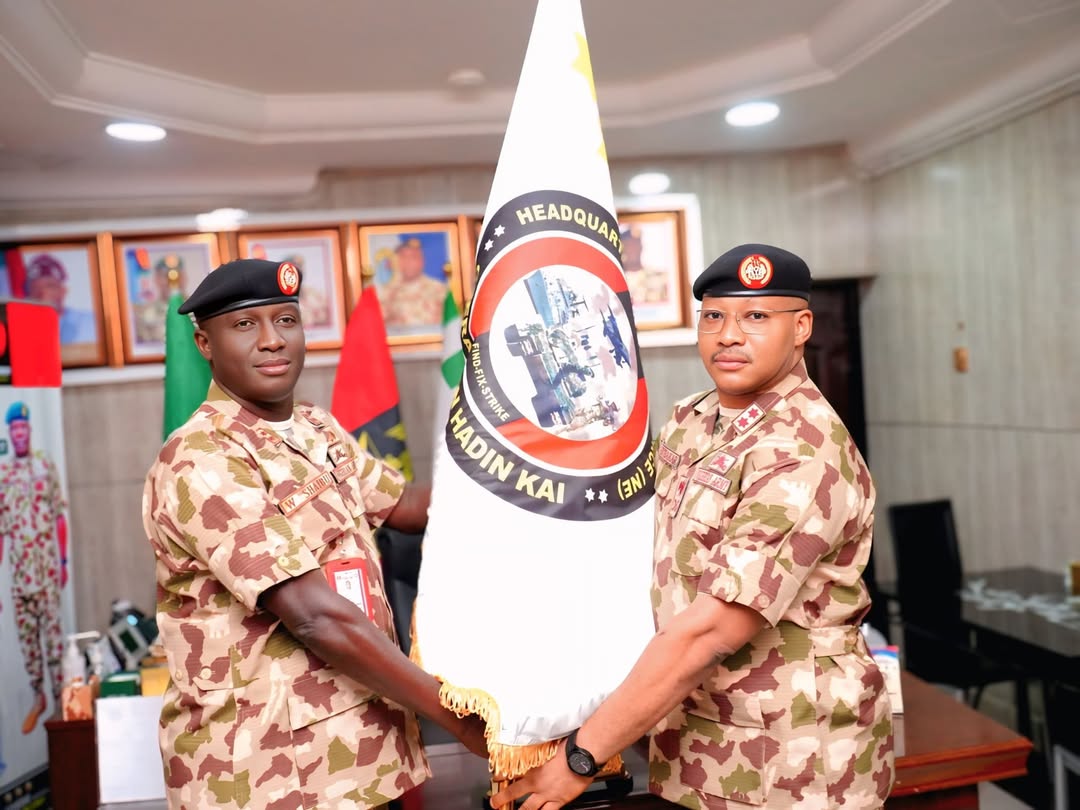
Major General Waidi Shaibu stepped into a significant role when he assumed command of Operation Hadin Kai in the North East. This wasn’t just another posting; it was a direct assignment to lead the charge against ongoing insurgent activities in a region that has seen years of conflict.
He took over from Major General Gold Chibuisi, marking a transition in leadership at a critical time. The handover ceremony, held at the Command and Control Centre in Maiduguri, Borno State, followed military traditions, signifying the continuity of command and the ongoing mission.
Strategic Leadership in Counter-Insurgency
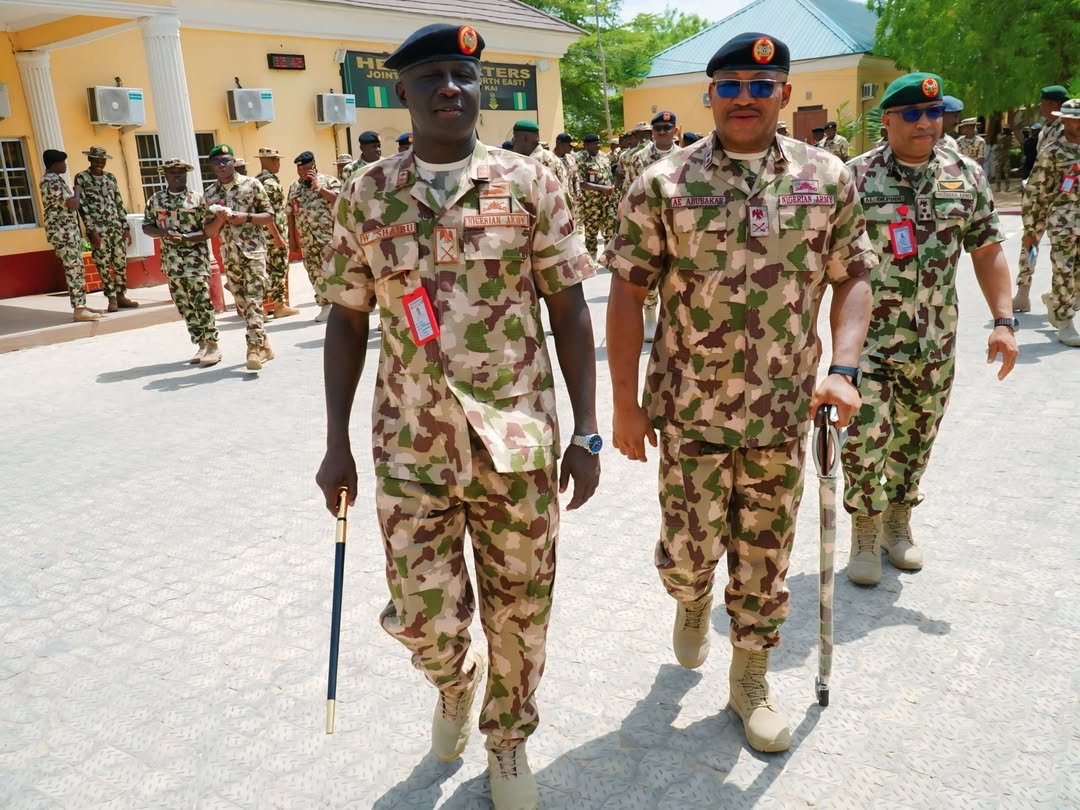
Shaibu’s approach to leading Operation Hadin Kai was about building on existing efforts. He made it clear that his intention was to sustain the tempo of operations and to further strengthen the fight against the remnants of terrorist groups.
This involved galvanizing the officers and men under his command, ensuring they were focused and effective in their duties. His leadership aimed to consolidate the gains made by his predecessors and push forward the restoration of peace and security in the affected areas. This meant a continued focus on operational effectiveness and troop morale.
Transitioning Command Responsibilities
Taking command of a major operation like Hadin Kai involves more than just a ceremony. It requires a deep dive into the current operational landscape, understanding the challenges, and identifying areas for improvement. Shaibu’s predecessor, Major General Chibuisi, had served for six months and highlighted the contributions of the troops and stakeholders.
Shaibu, in turn, pledged to maintain the momentum, emphasizing the need for continued support from his team. The process included familiarization tours to various formations and units, allowing the new commander to get a firsthand look at the ground situation and engage with the troops directly. This hands-on approach is key to understanding the complexities of counter-insurgency operations and making informed decisions.
Recognition Through Military Council Promotions
The Nigerian Army Council periodically reviews the performance and potential of its senior officers. Major General Shaibu has been a consistent recipient of these acknowledgments. Promotions aren’t handed out lightly; they signify that an officer has met rigorous standards and is deemed ready for greater responsibility. This process often involves:
- Performance Evaluations: Regular assessments of operational success and leadership qualities.
- Senior Command Recommendations: Input from superiors who have directly observed an officer’s work.
- Strategic Needs Assessment: Aligning promotions with the army’s future operational requirements.
These promotions are not just about a new title; they come with expanded duties and a higher level of accountability. For instance, the Nigerian Army Council has approved significant elevations for senior officers, moving them from Brigadier General to Major General, and from Colonel to Brigadier General. This indicates a dynamic command structure where capable officers are moved up to fill critical positions.

Elevated Ranks and New Responsibilities
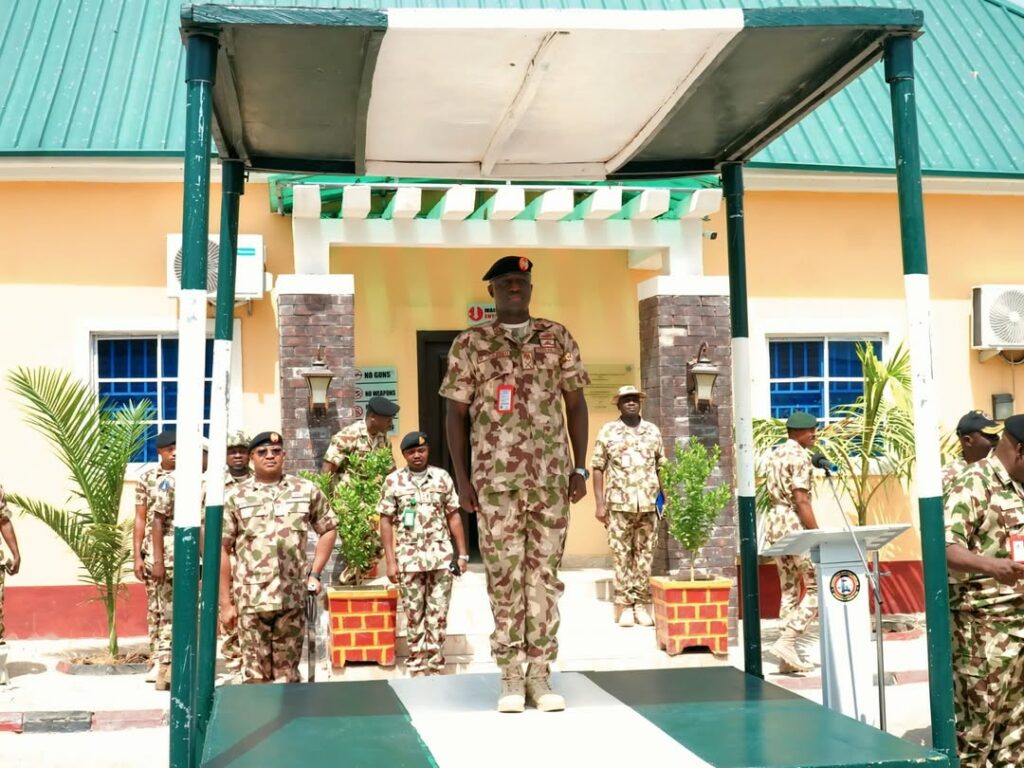
Each promotion brings a new set of challenges and opportunities. Moving from one rank to the next means taking on command of larger formations, overseeing more complex operations, or stepping into key staff roles at Army Headquarters.
These new responsibilities are designed to test and further develop an officer’s strategic thinking and administrative skills. For Major General Shaibu, these advancements have consistently placed him in positions where his leadership could directly impact the Nigerian Army’s effectiveness, particularly in critical operational theaters. His progression highlights a career built on merit and a proven ability to lead troops successfully.
Major General W Shaibu’s Impact and Future
Major General Waidi Shaibu’s recent appointment as the new Chief of Army Staff Nigeria marks a significant moment in Nigerian military leadership. His tenure as Theatre Commander of Operation Hadin Kai in the North East provides a solid foundation for this new role.
During his time leading Operation Hadin Kai, Shaibu was tasked with continuing the efforts of his predecessors.
He openly stated his intention to build upon the successes already achieved, aiming to sustain the tempo of operations. This approach suggests a commitment to continuity and a strategy of not reinventing the wheel, but rather refining existing methods to combat insurgency and restore peace.

Vision for Enhanced Operations
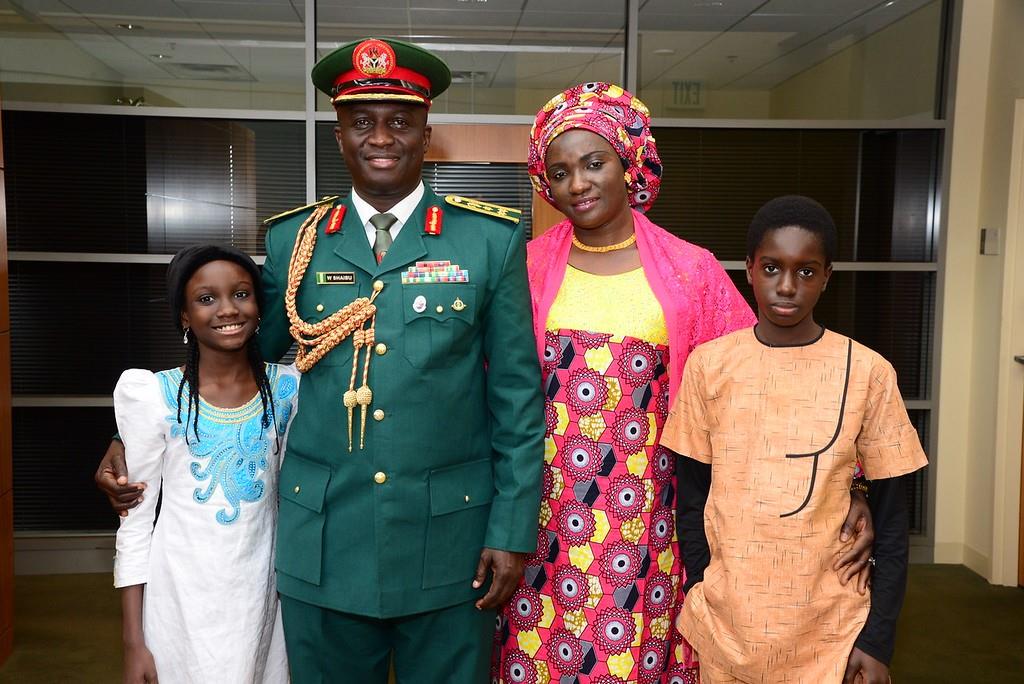
Shaibu’s vision for enhanced operations is rooted in galvanizing officers and men towards achieving the mandate of the Nigerian Army. He emphasized the need for personnel to perform their duties effectively, indicating a focus on operational readiness and execution.
This isn’t just about maintaining the status quo; it’s about ensuring that the troops are motivated and equipped to meet evolving security challenges. The impact of military appointments like this one often hinges on the leader’s ability to inspire and direct their forces, and Shaibu’s early statements point towards a clear, action-oriented approach.
The Path to Chief of Army Staff
The journey to becoming Chief of Army Staff is a testament to years of service, dedication, and demonstrated capability within the Nigerian military. Major General Shaibu’s career has seen him take on significant command roles, including leading the 7th Division and commanding operations in a critical theatre.
In a major shake-up of Nigeria’s military leadership, President Bola Tinubu appointed Major General Waidi Shaibu as the new Chief of Army Staff (COAS), alongside new service chiefs for the Navy and Air Force. The move, which took immediate effect, is part of a broader effort to strengthen coordination among the armed forces and enhance national security operations.
The presidency described the reshuffle as a response to growing security challenges, urging the new service chiefs to promote professionalism, vigilance, and closer collaboration across the military branches.
Shaibu’s appointment reflects confidence in his strong operational background — notably his leadership in the North-East under Operation Hadin Kai and his experience directing training and academic programs at senior military institutions. His track record in counter-insurgency and inter-agency cooperation is expected to shape his approach as Army Chief.
With insecurity still a pressing national issue, the president’s choice signals a shift toward practical, field-tested leadership. For Major General Shaibu, the challenge now is to convert tactical battlefield gains into a lasting, nationwide security strategy that restores peace and stability.