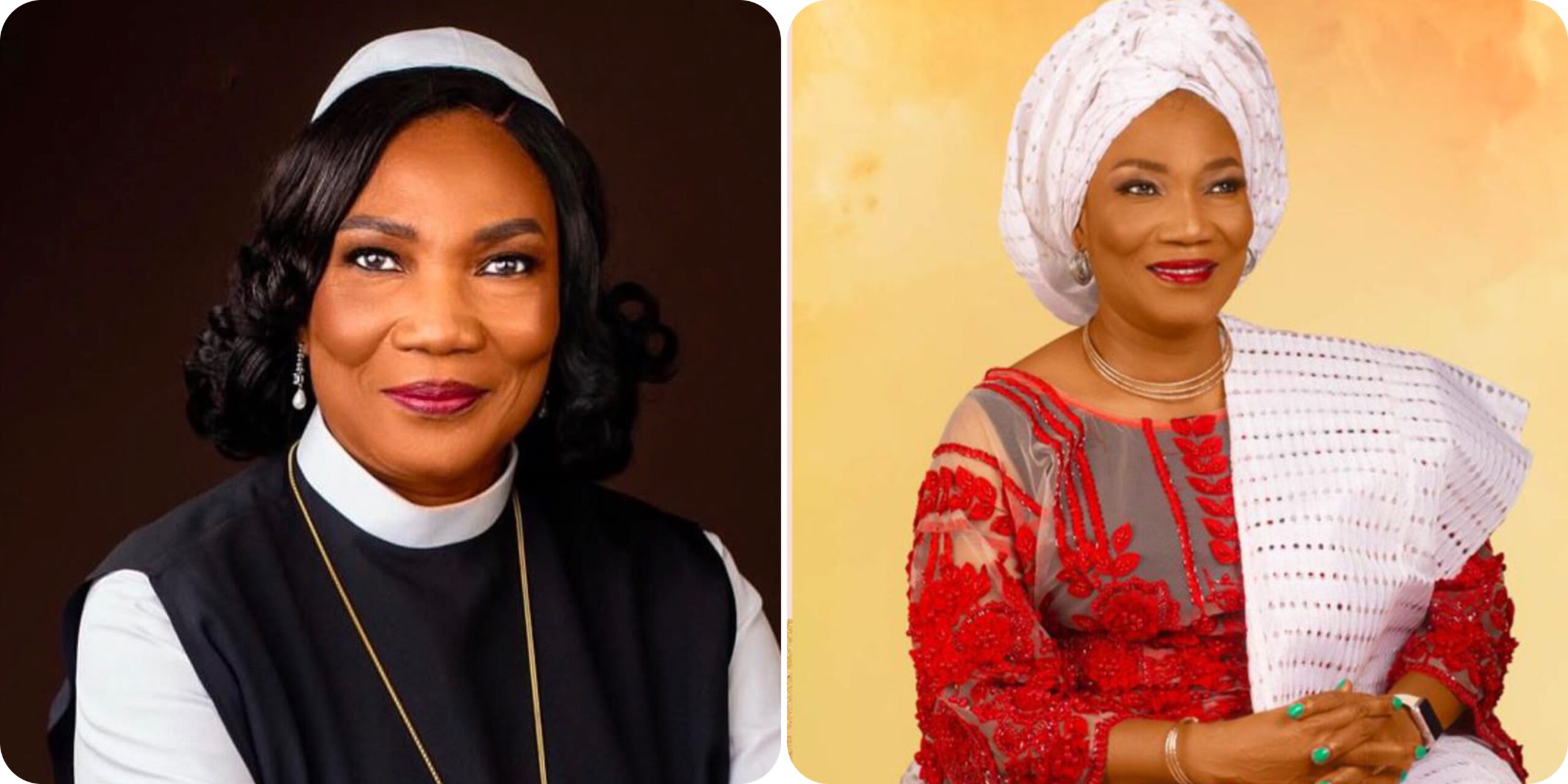
On January 21, 2026, a video clip of Nigerian preacher Pastor Funke Felix-Adejumo went viral across social media platforms, setting off a wave of reactions from celebrities, Christians and netizens. The short excerpt taken from a longer church sermon quickly became the centre of an online debate about how Christians handle the mistakes of fellow believers, especially leaders.
In the clip, many people focused on Pastor Funke’s remarks about Christians and public exposure of sin, sharing, commenting and reacting before many had heard her full point. This article examines exactly what she said, how it was interpreted online and who joined the conversation. It also explores the broader conversation about context, judgement and social media culture.
What Pastor Funke Actually Said

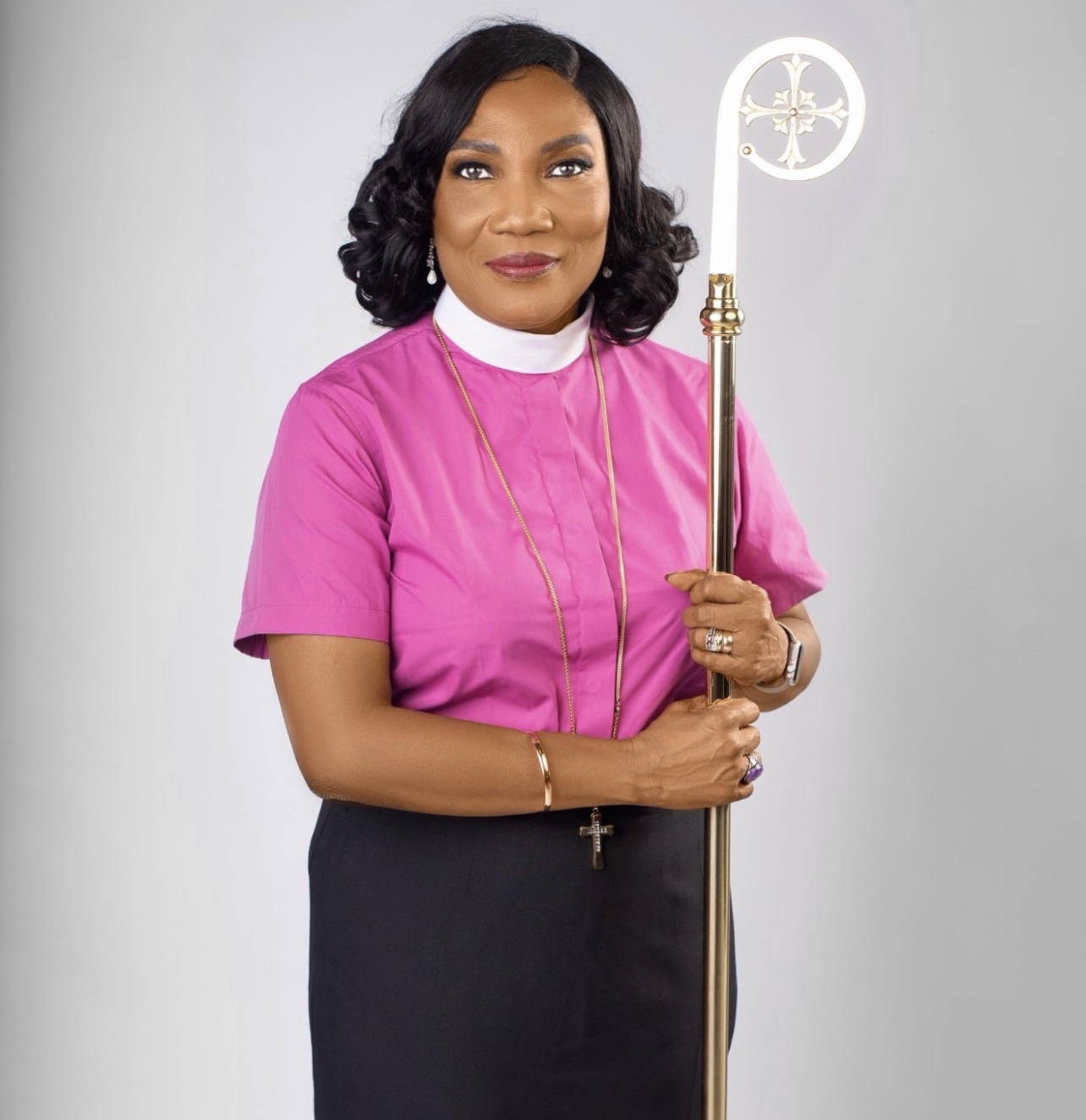
Pastor Funke Felix-Adejumo, who is known for her role as a minister at Agape Christian Ministries and has been a vocal figure in Nigerian Christian circles for years, spoke about accountability, shame and Christian response to sin during a sermon.
According to the wider description of her comments, she shared a story from a meeting of a multi-faith committee at the American Embassy, in which a Muslim imam spoke to her directly about how Christians respond to their leaders caught in wrongdoing.
She quoted the imam saying:
“Mrs Adejumo, I don’t understand your Christian brethren… Our Imams do worse things, we don’t post on Instagram… we cover them.”
In the sermon, she said the imam pointed out how Muslim communities tend to handle their own leaders’ mistakes privately, while many Christians seem to quickly broadcast and share details of a pastor’s or believer’s failure online.
Pastor Funke described feeling “ashamed” after hearing the imam’s comments, and she used the story to prompt Christians to reflect on whether social media has encouraged a culture of public shaming rather than measured accountability.
How the Viral Clip Spread

Within hours of being posted on platforms like X (formerly Twitter) and Instagram, short snippets of the sermon began circulating widely. These clips highlighted the imam’s question and Pastor Funke’s observation that Christians sometimes make scandals “trend” online.
Because the clips were short, many viewers responded to the takeaway message they saw in isolation. Some interpreted it as a critique of Christians who highlight the faults of their own, while others understood it as a call for greater compassion and discretion. The brevity of the viral versions meant that the reason she was telling the story and her larger point became lost in the initial wave of reactions.
Reactions from Celebrities and the Public

Without bothering to listen to the full clip, the online reactions that followed were swift and mixed.
Nigerian singer Timi Dakolo and movie producer cum actor Ugezu Ugezu were among those whose comments were shared widely in response to the viral clip.
Both Dakolo and Ugezu seemingly disagreed with Pastor Funke’s framing.
Timi Dakolo wrote: “No this is not Al, They somehow tell on themselves.””Dear Christaina, know the difference between Sin and crime. Also let me drop this here. 2 John 1- 10- 11..”
Ugezu J Ugezu wrote: “You are encouraging cover-ups????.”
Destiny Amaka wrote: “Jesus!!!.”
Their responses amongst others echoed a different view that accountability and transparency about wrongdoing, especially by influential figures like pastors, have a place and are important in religious communities.
Netizens also chimed in from various angles. Some agreed with Pastor Funke’s plea for grace and restraint, arguing that turning personal failures into trending topics on social media can be harmful and humiliating when they can be punished off camera. Others pushed back, saying that exposing wrongdoing is necessary to protect others and maintain integrity, especially when leaders have influence. See some reactions below:
geenafoodiesandspice wrote: “Would you cover up a member of the congregation too. They are quick to suspend them, send them to the back sit, chastize them on the altar but when it comes to those who are leaders that should model what a true beliver is, they should be covered?… No ma! We will judge them. To whom much is giving, much is expected. You can not be accorded so much honor and you rub honor in the mud. We will Judge you.”
digipix_studio wrote: “So we shld continue to hide sin? Even Paul confronted Peter n called him out.”
buchamannastacia wrote: “This is a very delicate subject, she is not entirely wrong…”
zimdeway wrote: “She didn’t say not to punish bad behaviour, she said don’t ridicule, she may have used the wrong words but the message is clear, if you haven’t been be coloured by trauma you’ll see it.”
The range of interpretations largely stemmed from the fact that many people were reacting to a short clip without full context, illustrating how quickly conclusions can be drawn in the age of social media.
Why Context Matters

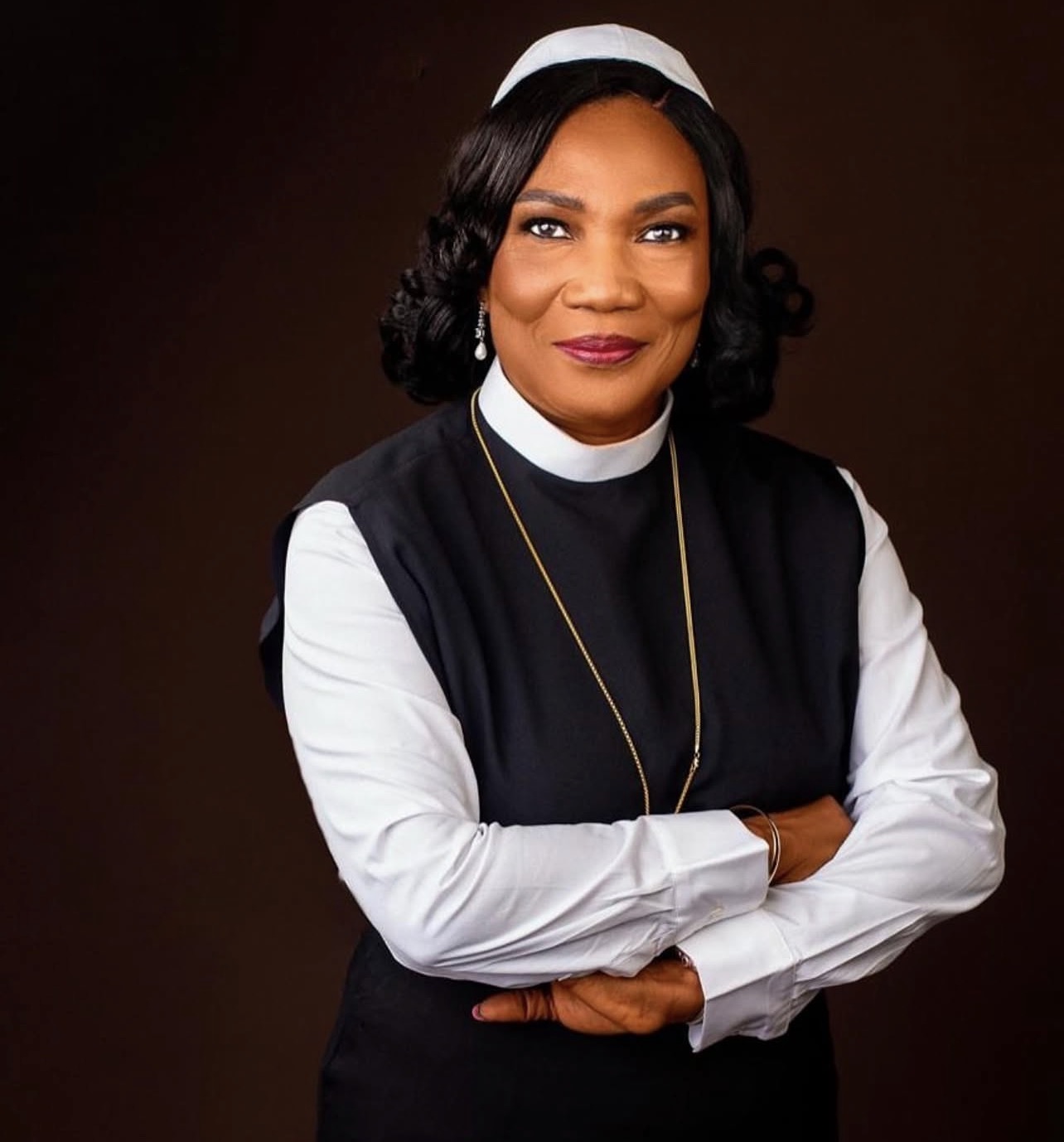
This episode highlights a broader issue in today’s digital culture of how fast reactions spread compared to how slowly understanding develops. A brief clip can travel far and wide in minutes, while the speaker’s full message including tone, intent, and nuance may be shared and understood later, if at all.
In Pastor Funke’s case, the viral segment captured attention because it touched on a sensitive topic of Christian accountability and the role of social media in shaping narratives about faith leaders. But those who viewed only the short clip often missed that her message was meant to encourage self-examination and thoughtful conversation within communities and away from social media.
By contrasting “what was heard” in the viral clips with “what was said” in fuller context, this moment reveals how easy it is for online conversations to lose nuance. Many reactions focused on the imam’s quoted words, while fewer took account of why Pastor Funke told the story in the first place.
Conclusion
As the debate continues, the conversation around Pastor Funke’s clip raises questions about social media, interpretation and faith culture. It shows how quickly people form opinions based on snippets, and how different interpretations can emerge from the same piece of media.
Amid all the reactions from celebrities like Timi Dakolo and Ugezu Ugezu to everyday commenters online, one thing remains clear: in an era where viral clips can shape public discourse instantly, the gap between what was said and what was heard can be as wide as the internet itself.