Lagos has always carried a reputation that refuses to settle into a single identity, a city where music, art, commerce, and intellectual ambition collide in ways that constantly reshape how culture is produced and consumed. Within this evolving landscape, a new cultural space has begun to draw attention for the way it reimagines what an African art institution can look like when it moves beyond the familiar structure of galleries and exhibitions into something more layered, more private, and more deliberately constructed as a long term cultural environment.
Mbari Kola appears within this context as more than a physical location, operating instead as a curated ecosystem where artists, thinkers, collectors, and cultural practitioners are brought into a shared intellectual rhythm shaped by Pan African ideas and experimental programming. Its structure reflects a conscious attempt to revisit earlier traditions of African cultural collectives while adapting them to the realities of contemporary Lagos, where global attention on African art continues to grow rapidly across 2024, 2025, and into 2026.
What makes this development particularly significant is not only the space itself but the philosophy behind its formation, which draws from historical cultural movements while responding to present day gaps in infrastructure, funding, and intellectual exchange within the African art scene. The story of Mbari Kola unfolds across history, architecture, cultural memory, and institutional ambition, revealing how Lagos continues to position itself as one of the continent’s most active centers for artistic reinvention.
Historical Foundation Of Mbari Tradition
The conceptual roots of Mbari Kola are closely tied to the original Mbari Club, a cultural movement that emerged in Nigeria during the early 1960s following the country’s independence in 1960. That earlier Mbari tradition became a meeting point for writers, artists, and intellectuals who were actively shaping postcolonial African identity through literature, visual art, and performance.

Figures such as Wole Soyinka, Chinua Achebe, Christopher Okigbo, and Demas Nwoko were associated with this cultural environment that encouraged experimentation, dialogue, and a rejection of externally defined artistic frameworks. The Mbari Club became a space where African modernism was not only discussed but actively constructed through creative collaboration and intellectual exchange.
Between 1961 and 1967, the original Mbari movement developed into one of the most influential cultural collectives in West Africa, producing publications, exhibitions, and performances that shaped the trajectory of African literature and visual culture. Its legacy remains embedded in contemporary discussions about cultural infrastructure and the need for spaces that allow sustained intellectual production rather than short term artistic display.
Mbari Kola draws from this historical foundation while responding to the gap left by the disappearance of such collective spaces in modern Lagos cultural life.
Founding Vision And Cultural Direction
Mbari Kola was founded by Ugoma Chinelo Ebilah, a Nigerian curator and cultural strategist known for her involvement in shaping contemporary art ecosystems within Lagos. Her work through initiatives such as Bloom Art Lagos positioned her within a network of curators, collectors, and artists engaged in redefining how African art circulates both locally and internationally.
The founding vision behind Mbari Kola centers on the idea that African art requires more than commercial galleries or temporary exhibition cycles. It requires sustained infrastructure that supports research, dialogue, preservation, and cultural continuity. This approach reflects a shift from market driven art presentation toward institution building that prioritizes long term intellectual engagement.

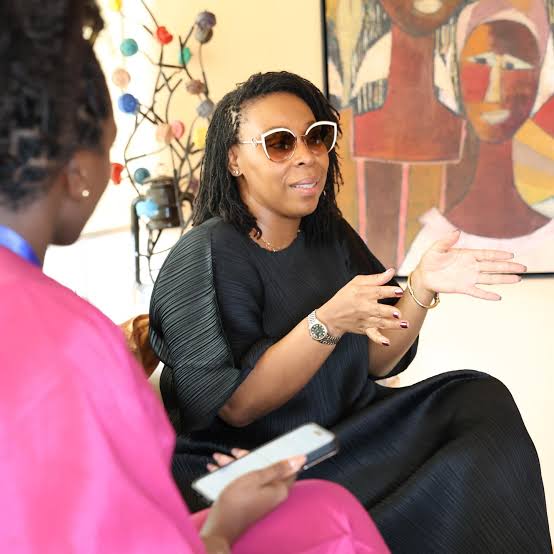
The development of Mbari Kola aligns with broader cultural shifts occurring across African cities between 2020 and 2026, where increasing global attention on African contemporary art has placed pressure on local systems to create more stable frameworks for artistic production and critique.
Architectural Identity Of The Space
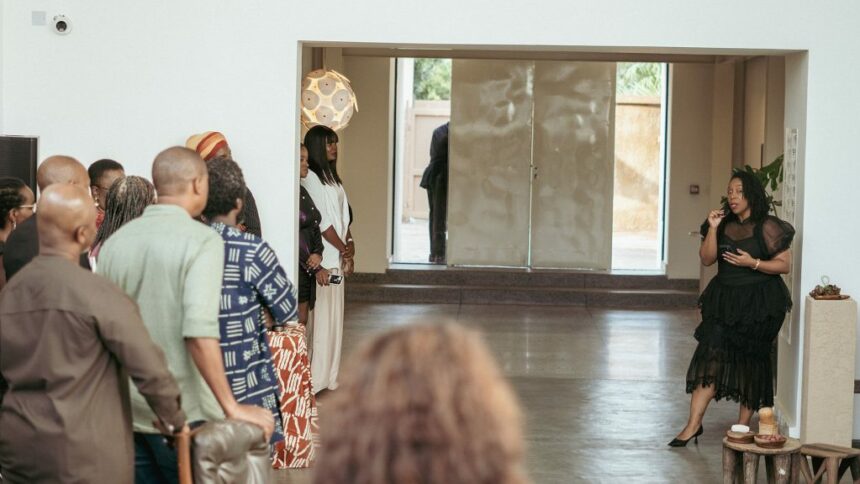
Mbari Kola is located in Ikoyi, Lagos, within a renovated structure originally built during the architectural period of the 1960s. The building was redesigned under the direction of architect Kelechi Odu, who preserved key elements of the original structure while integrating modern spatial functions suitable for cultural programming.
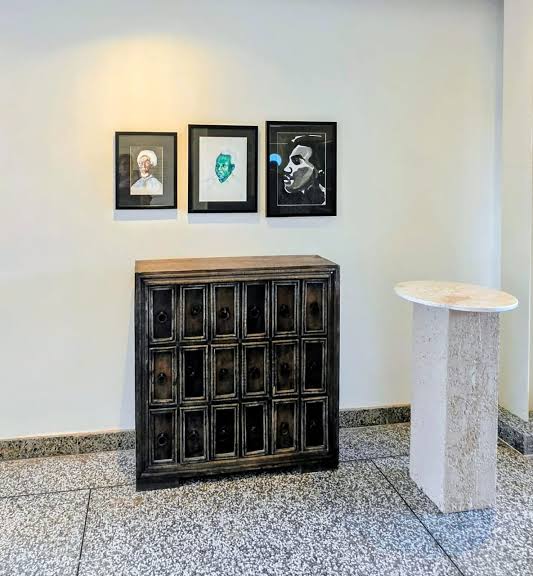
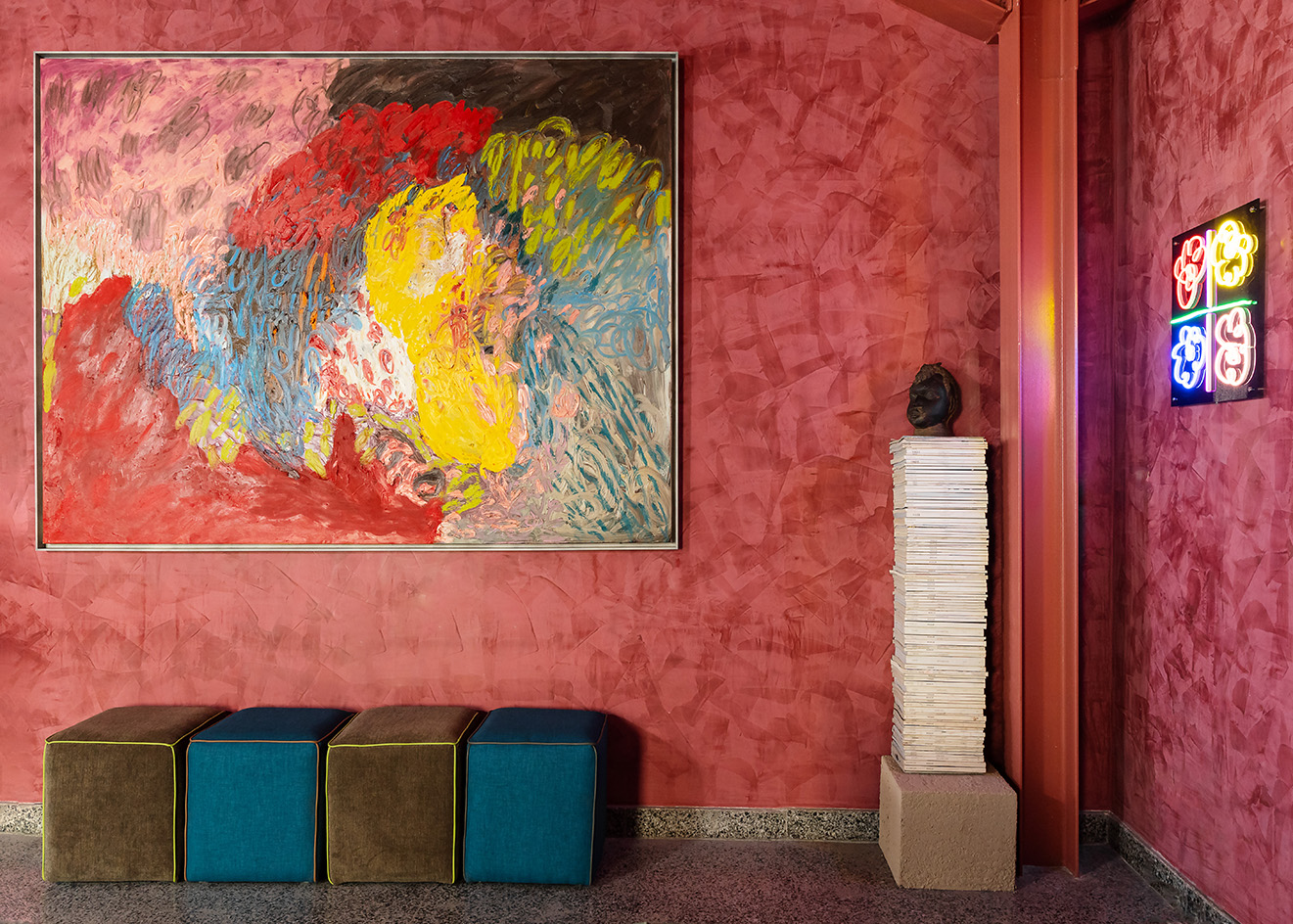
The architectural design maintains features such as terrazzo flooring, open garden areas, and a lagoon facing terrace, while introducing new internal divisions that allow the space to function simultaneously as gallery, library, salon, and performance environment. The structure avoids the rigid separation typical of traditional institutions, instead adopting a fluid spatial identity that encourages movement between intellectual, social, and artistic zones.
Between its restoration phase and final configuration completed prior to its public cultural emergence in the mid 2020s, the building was transformed into a hybrid environment that blends domestic familiarity with institutional purpose, reflecting the broader philosophy of Mbari Kola as a living cultural system rather than a static venue.
Internal Structure Of Cultural Spaces
Mbari Kola operates through a series of interconnected spaces, each designed to support different forms of cultural activity while maintaining a unified intellectual ecosystem.
The Sanctuary Gallery Space
The Sanctuary functions as the primary exhibition area where visual art installations, performances, and experimental presentations are hosted. The space is designed to accommodate flexible configurations that allow artists to reshape the environment according to the conceptual demands of their work.
The Commons Intellectual Hub
The Commons serves as a gathering point for discussions, informal meetings, and cultural networking. It is structured to support dialogue between artists, curators, writers, and collectors, encouraging the exchange of ideas outside formal programming schedules.
Library Research Environment
The library and reading room within Mbari Kola is dedicated to archival materials, research texts, and cultural documentation. Its purpose is to support academic engagement with African art history and contemporary practice, offering a space for sustained intellectual inquiry.
The Magic Room Programming Space
The Magic Room is used for seminars, screenings, and talks, functioning as a multi disciplinary venue where cultural analysis and artistic presentation intersect. It accommodates both structured events and experimental formats that challenge traditional lecture based programming.
Terrace Social Environment
The terrace provides an outdoor setting for performances, gatherings, and informal cultural interactions. Its design reflects the importance of social space within artistic ecosystems, allowing cultural exchange to extend beyond indoor institutional boundaries.
Studio Laboratory Space
The studio or lab area supports experimental production, including artistic prototypes, collaborative projects, and cultural objects. It functions as a site of creation where ideas transition into physical or conceptual outputs.

Cultural Mission And Pan African Framework
Mbari Kola positions itself within a Pan African intellectual framework that emphasizes cross continental collaboration among artists, thinkers, and cultural practitioners. The concept of Pan Africanism within this context extends beyond historical political identity into cultural and intellectual alignment across African regions.
Between 2024 and 2026, increasing collaborations among African cities such as Lagos, Dakar, Accra, and Nairobi have contributed to a broader continental cultural conversation, with Mbari Kola entering this landscape as a structured attempt to formalize such exchanges within a single institutional environment.
The mission also reflects a desire to rebuild African cultural infrastructure that supports long term dialogue rather than episodic exhibitions. This approach responds to ongoing discussions within the art world about sustainability, preservation, and the need for spaces that support continuous intellectual production.
Programming Structure And Cultural Output
Mbari Kola operates across multiple programming categories that include visual art exhibitions, literary salons, music performances, film screenings, artist residencies, and cultural workshops. Each program is designed to contribute to a broader intellectual ecosystem rather than function as isolated events.
Between January 2025 and early 2026, Lagos witnessed an expansion of experimental cultural programming across several institutions, with Mbari Kola aligning itself within this trend through curated events that emphasize dialogue and interdisciplinary collaboration.
Publications and research based outputs also form part of the programming model, ensuring that cultural activity extends beyond physical events into documented intellectual material that contributes to broader African art discourse.
Funding Model And Institutional Structure
Mbari Kola operates as a hybrid institution combining private funding, membership contributions, and patron supported cultural programming. This structure reflects a growing trend in African cultural spaces where traditional state funding is limited and private cultural investment plays a significant role in sustaining artistic ecosystems.
Membership within Mbari Kola is described as curated and selective, focusing on individuals engaged in cultural production, intellectual discourse, and artistic patronage. This model allows the institution to maintain a controlled environment for programming while ensuring financial sustainability through dedicated support networks.
Between 2024 and 2026, similar membership based cultural models have emerged in global cities, positioning Mbari Kola within an international shift toward private cultural collectives.
Lagos Cultural Positioning
Mbari Kola contributes to Lagos’ growing reputation as a major African cultural hub. The city has increasingly been recognized for its role in contemporary African art, music, fashion, and film industries, particularly between 2020 and 2026 as global attention on African creative industries intensified.
Within this environment, Mbari Kola represents a shift toward institutional depth, focusing not only on visibility but also on intellectual infrastructure. This positions Lagos in competition with other African cultural centers such as Dakar, Marrakech, and Cape Town, each developing distinct cultural identities within the global art ecosystem.
Institutional Debate And Cultural Questions
The emergence of Mbari Kola has also generated discussions within art circles regarding accessibility, exclusivity, and the role of private cultural institutions in shaping African art narratives. Questions arise around whether membership based models can balance intellectual depth with inclusivity, and how such spaces can avoid becoming purely social environments.
These debates reflect broader tensions within global art infrastructure, where the balance between commercial viability and cultural openness continues to shape institutional development.
Closeout
Mbari Kola represents a layered cultural experiment rooted in historical tradition while responding to contemporary demands for structured African intellectual spaces. Its combination of architecture, programming, membership structure, and Pan African orientation places it within a broader movement toward redefining how cultural institutions operate in Lagos and across the continent.
As Lagos continues to expand its influence within global art conversations, Mbari Kola stands as part of a developing narrative about how African cities construct their own cultural frameworks, drawing from history while building new systems for artistic and intellectual engagement in a rapidly changing world.