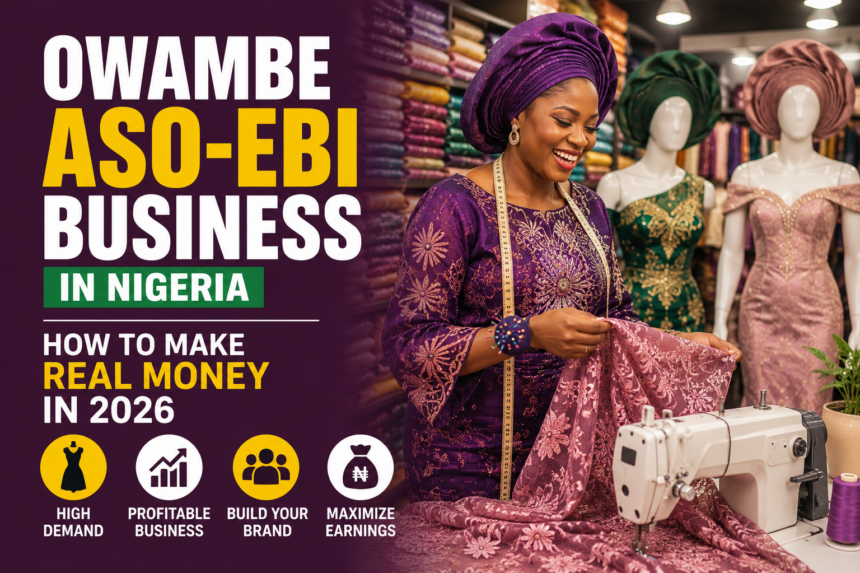
Every Saturday in Lagos, somebody is getting married, naming a baby, burying a parent with fanfare, or throwing the kind of birthday that requires a DJ and a minimum of three changes of outfit. And in almost every single one of those occasions, somewhere in the planning conversation, someone says the words: what will we wear? That question is not just cultural. It is commercial. It is the engine behind an entire informal economy that touches fabric sellers in Balogun, tailors in Surulere, gele tiers in Ojodu, makeup artists from Lekki to Alimosho, and Instagram pages with hundreds of thousands of followers built entirely around what Nigerians wore to someone else’s party.
- The Economy That Runs on Saturdays
- Aso-Ebi Fabric Selling: The Oldest Entry Point
- The Aso-Ebi Coordinator Role Nobody Talks About
- Tailoring and Ready-to-Wear: Where the Real Volume Is
- Gele Tying, Makeup, and the Beauty Stack
- Digital Owambe: Building an Aso-Ebi Brand Online
- The Pushback and Why It Creates More Opportunity
- How to Actually Start in 2026 Without Burning Capital
- Owambe Is Not Going Anywhere
Nigeria’s owambe culture is not slowing down. Not even inflation has killed it. Research from BusinessDay published in November 2025 showed that Nigeria’s wedding industry alone is worth an estimated 1.2 trillion naira annually when you count the full chain, from fabric and tailoring to catering and logistics. The aso-ebi and fashion segment of that market generates roughly 250 billion naira every year. That is not a small number. And most of that money moves through informal channels, through WhatsApp group chats, through Instagram DMs, through fabric bags changing hands at event centers. If you understand how that money flows, you can position yourself to catch some of it.
Owambe Aso-Ebi Business in Nigeria
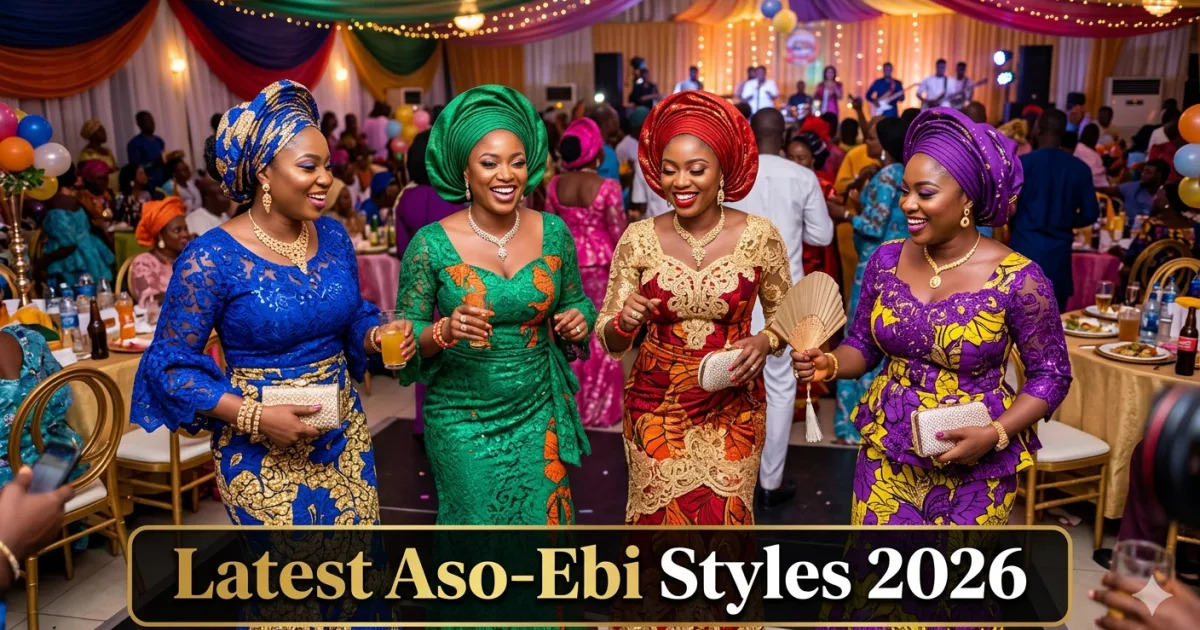

The owambe aso-ebi business is not one thing. It is a cluster of interconnected income streams, and the people making the most money from it are usually doing more than one at a time. Whether you are starting with 100,000 naira or 2 million, there is a point of entry here. What matters is that you understand the market honestly, not as a fantasy of easy money, but as a real business with real demand, real competition, and real margins.
The Economy That Runs on Saturdays
Ask anyone in Lagos what they are doing on a given Saturday and the answer is almost always some version of: going for owambe. There is hardly any weekend in Nigeria without multiple events running simultaneously across every major city. Lagos alone sees thousands of events weekly, from intimate family gatherings to the kind of large-scale productions that require months of planning and millions of naira. The sheer frequency is what makes this a sustainable business environment. You are not waiting for demand to show up. Demand is already there, every week, reliably.
This consistency has attracted serious entrepreneurship. The average young Nigerian couple now spends around 13 million naira on their wedding, according to Cowrywise data cited in April 2026. Even at the mid-scale level, the 2024 Event Industry Conference Report noted that a typical Lagos wedding runs between 15 million and 25 million naira. That is a lot of money circulating around a single event, and it does not all go to the venue and the caterer. A significant portion lands in the pockets of fashion vendors, fabric dealers, tailors, beauty service providers, and content creators.
What drives the spending is not just tradition, though tradition is a big part of it. It is also social pressure, identity performance, and the very real fear of being the person who showed up underdressed. Aso-ebi is simultaneously a symbol of solidarity and a competitive sport. At some events, there are tiered aso-ebi options, standard and VIP, with the premium version coming with embroidery, better lace, and the kind of social recognition that signals you are among the celebrant’s inner circle. That tiering alone tells you everything about the psychology driving this market.
Aso-Ebi Fabric Selling: The Oldest Entry Point
Fabric selling is how most people enter this space, and for good reason. The demand is constant, the margins are clear, and the model is simple enough to understand from the beginning. You buy fabric wholesale, resell it at a markup, and the celebrant’s guest list does the marketing for you. When 200 people are all told they need to buy the same lace before an event, the vendor who secured that contract has 200 ready buyers without running a single ad.
The mechanics work like this: a family planning an event chooses a fabric, approaches a vendor for bulk pricing, and the vendor supplies the fabric which is then sold to guests at a higher price per set. The celebrant either pockets the difference as a way to offset event costs, or the vendor handles distribution directly. Either way, the vendor who builds relationships with families at the event planning stage has a reliable pipeline. For lace fabrics, wholesale sourcing from markets like Balogun in Lagos or Ariaria in Aba, or direct from textile importers, allows for margins that make the business viable. A dotted dry lace available wholesale for around 45,000 naira for five yards can retail at 60,000 to 75,000 depending on the event and the buyer’s confidence in the brand.
The challenge in fabric selling is trust and variety. Families want to see options before they commit, and they want to know you will not disappear after collecting payment. Building a physical or digital catalogue of available fabrics, with clear pricing and sample photos, is what separates professional vendors from casual ones. Platforms like Instagram are now the standard storefront, and vendors who post consistently, show real fabrics rather than stock images, and respond quickly to inquiries are the ones closing contracts. Many established Lagos-based fabric vendors like Fabrics by Jadesh have built loyal client bases precisely by maintaining a clear and accessible range and treating bulk orders with the seriousness they deserve.
George, lace, aso-oke, Ankara, and atiku all have their loyal markets. Lace remains the premium choice for weddings and formal owambes, with quality dry lace or beaded lace commanding the highest prices. Aso-oke is still the height of Yoruba ceremonial dressing. Ankara holds its own for birthday parties, naming ceremonies, and the more relaxed owambe occasions. A vendor who can source competitively across these categories and offer fabric consultation to overwhelmed families is not just selling cloth. They are selling convenience, and Nigerians will pay for that.
The Aso-Ebi Coordinator Role Nobody Talks About
There is a gap in this market that not enough people have filled properly, and it sits between fabric vendor and event planner. Call it the aso-ebi coordinator. It is the person who manages the entire aso-ebi process for a family, from fabric selection through to distribution and follow-up. The demand for this role is very real because coordinating aso-ebi is genuinely stressful. You have to manage fabric choices, bulk orders, payments from guests, cutting, delivery logistics, and the inevitable drama of someone who ordered but did not pay, or paid but wants a different quantity.
This is not a hypothetical problem. Platforms like Event Parcel and Simply Asoebi have already built entire businesses around this exact pain point, offering end-to-end aso-ebi management services that take the headache away from families. Event Parcel, for instance, runs a platform that handles online ordering and payment for aso-ebi, collecting a transaction fee when guests pay. Simply Asoebi, which operates between Lagos and the UK diaspora market, handles fabric sourcing, packaging, and delivery for families planning events. These are not community services. They are profit-generating businesses built on a real and underserved need.
For someone starting locally in Lagos or any major Nigerian city, the coordinator role does not require a platform or a technology product. It requires organisation, vendor relationships, and the ability to manage people firmly but pleasantly. You charge a coordination fee per event, typically a flat rate or a percentage of the total fabric value moved, and you build your business on referrals. One family’s wedding leads to introductions to three others. Word travels fast in owambe circles. A coordinator who consistently delivers on time and avoids drama is worth more to families than they often realise until things go wrong with someone else.
Tailoring and Ready-to-Wear: Where the Real Volume Is
Fabric is the raw material. The real money in the aso-ebi chain is in what you do with the fabric after the guest buys it. Tailoring is where Nigerian fashion entrepreneurs have historically made their most dependable income, but the model has shifted. The old approach of taking individual clients and sewing bespoke pieces one at a time is difficult to scale and leaves money on the table. The newer, smarter approach is ready-to-wear owambe styles.
Ready-to-wear is currently the fastest-growing segment of Nigeria’s fashion industry. The idea is straightforward: you produce finished outfits in standard sizes from popular aso-ebi fabrics and sell them as complete, styled pieces. For guests who have already bought their fabric and need it made up quickly, you offer fast-turnaround production. For those who missed the fabric announcement or cannot be bothered with the coordination of sourcing and sewing separately, you offer a complete outfit. The ready-to-wear vendor captures multiple points of the purchasing journey.
Many successful tailors have moved in this direction because the economics work. A tailor who sews individual commissions earns money per piece and faces the constant uncertainty of whether the next client will show up and pay. A ready-to-wear producer builds inventory, prices for margin, and sells the same design multiple times. Social media has made this model far more powerful. A well-styled photo of an aso-ebi outfit posted to Instagram or WhatsApp Status, reaching people a week before an event where that fabric is circulating, can generate enough orders to justify a full production run. That is how small fashion labels built on owambe culture have grown real businesses from home workspaces in Surulere and Yaba.
For tailors who want to stay in bespoke work, the growth path is speed and specialisation. A tailor who can produce clean, consistent owambe styles quickly, in any standard silhouette, at a price that does not feel extortionate to someone already spending 60,000 naira on fabric, will never run out of clients in Lagos. The entry point for starting a small-scale ready-to-wear business is 250,000 to 500,000 naira according to industry guidance, covering fabric procurement, production costs, and basic marketing. That is not a small amount for everyone, but it is also not out of reach for someone who can start with a few pieces and scale steadily.
Gele Tying, Makeup, and the Beauty Stack
You cannot separate owambe fashion from owambe beauty. The complete aso-ebi look requires fabric, tailoring, gele, shoes, makeup, and accessories. Each one of those is a separate spending decision, which means each one is a separate business opportunity. The smartest people in this space have understood that and built what you might call a beauty stack, a set of complementary services sold together or sequenced to the same client.
Gele tying is one of the most underrated income opportunities in the owambe ecosystem. According to a March 2026 report in Leadership newspaper, a professional gele stylist in Lagos can earn between 30,000 and 70,000 naira from a single busy weekend event, depending on the number of clients served. The startup cost is low, with as little as 20,000 to 50,000 naira covering the basic tools needed to begin. The ceiling, however, is not low. Experienced stylists who expand into bridal styling and training classes add multiple income streams to a single skill set. Gele videos on TikTok and Instagram also generate views and client inquiries at a scale that was not possible even five years ago. A stylist with a strong portfolio and consistent online presence has a marketing machine that costs nothing beyond time.
Makeup for owambe sits in a slightly different market position. The cost of professional makeup in Nigeria ranges widely, from a few thousand naira for basic services to significantly higher figures for established artists, with event-day clients typically paying in the 15,000 to 40,000 naira range per face depending on the artist’s reputation and location. The earning potential per event scales with the number of clients in a single sitting. A makeup artist who arrives at an event venue early and serves ten clients in a morning earns more than the sum of individual bookings would suggest, because the clients are already aggregated at one location. This aggregation dynamic is unique to owambe and is one of the reasons beauty entrepreneurs who specialise in event servicing outperform generalists.
Building a beauty stack means identifying which services in this chain you can own together. A gele tier who also does makeup, or who partners reliably with a makeup artist and a nail technician, can offer families a single-contact solution for getting their female guests ready on the morning of the event. That package service commands a premium and simplifies life for families who are already managing a hundred other things on event day.
Digital Owambe: Building an Aso-Ebi Brand Online
Owambe has moved online in ways that go beyond just posting party photos. Instagram and TikTok have become the primary spaces where aso-ebi fashion is discovered, discussed, and purchased. The Glamcityz 2025 Wedding Report described its own weekly owambe fashion features as the most-read wedding style series in Nigeria that year, with each edition drawing readers who were actively looking for style inspiration and vendor leads. That is not just entertainment traffic. That is purchase intent dressed in editorial clothing.
For fashion entrepreneurs, the implication is clear. Nigerians looking for aso-ebi inspiration are already on social media, and they are already primed to spend when they find the right vendor. An Instagram page with consistent, high-quality photos of finished aso-ebi looks, regular posting cadence, and an active DM response process is a functional storefront. Many of the most successful aso-ebi fabric vendors and tailors in Nigeria have no physical shop. Their business runs entirely through Instagram posts and WhatsApp order management.
The viral potential of owambe content is also real. The Priscilla Ojo and Juma Jux wedding in 2025 generated millions of views across TikTok and Instagram purely from the coordinated aso-ebi looks guests wore. Influencer Tomike Adeoye’s Party with Olori-Ebi 2.0 event in November 2025 brought together 1,000 guests in custom denim aso-ebi, and the resulting content dominated fashion discussion for days. These events show that when owambe fashion is executed with genuine creativity and documented well, it markets itself. For a vendor or designer who supplies fabric or tailoring for events that attract social media attention, the passive exposure from a single well-photographed occasion can be worth more than a paid advertising campaign.
Content creation as a standalone income stream within this ecosystem is also worth considering. Fashion blogs and social media accounts built around Nigerian party fashion, aso-ebi style curation, and owambe culture attract audiences that fabric vendors and event service providers are actively trying to reach. Monetisation through vendor partnerships, affiliate arrangements, and paid promotion is viable for accounts with engaged Nigerian followings. It is not a quick path, but it is a sustainable one for someone who genuinely enjoys the culture and can document it consistently.
The Pushback and Why It Creates More Opportunity
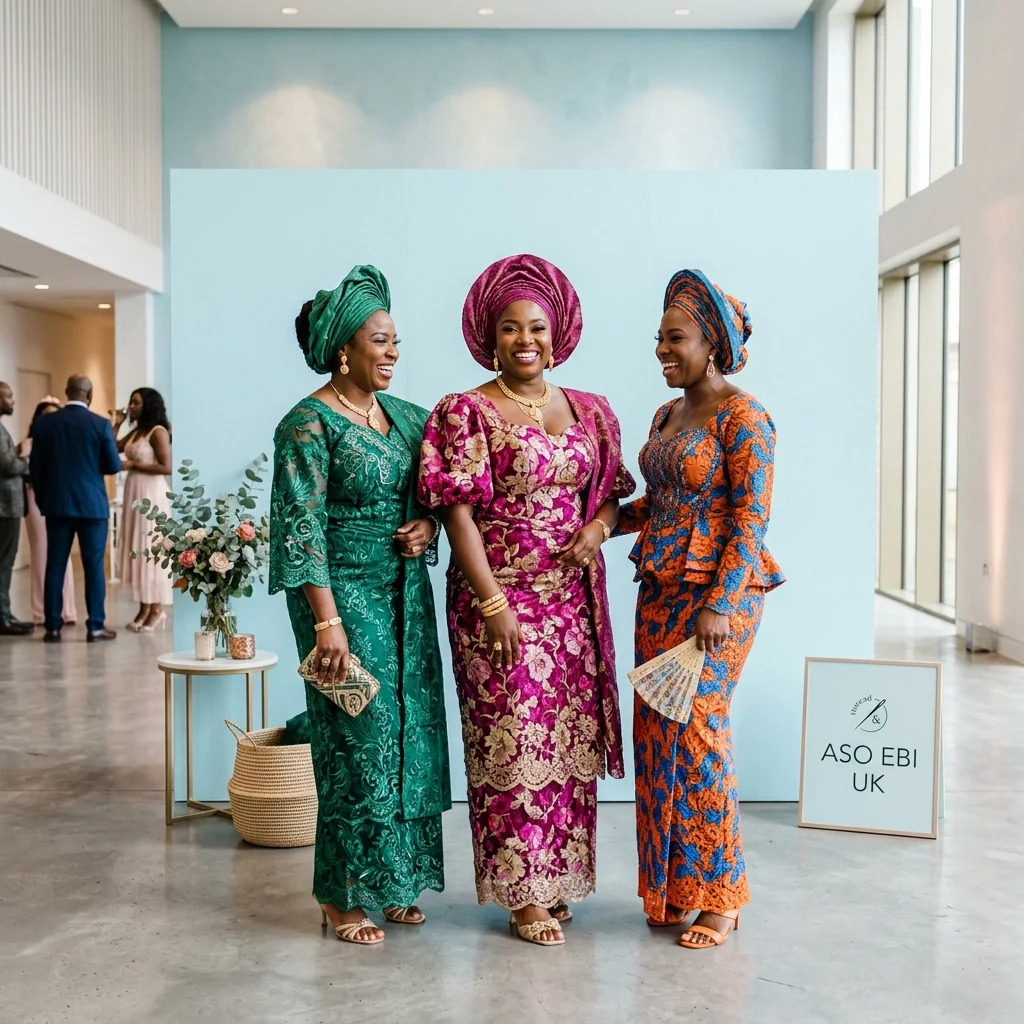

There is a conversation happening in Nigerian social spaces right now about the cost of participating in aso-ebi culture, and it is getting louder. A full aso-ebi set, factoring in fabric purchase, tailoring, gele, makeup, and shoes, can cost a guest anywhere between 80,000 and 220,000 naira per event attended, according to NaijaSabi’s detailed March 2026 breakdown. For Nigerians attending five to ten events a year as aso-ebi, the annual spend runs into millions. That is genuinely a lot of money, and people are feeling it.
Content creator KieKie’s late 2025 suggestion that Nigerians should collectively agree to rewear aso-ebi from previous weddings to new ones tapped directly into this exhaustion and went viral quickly. The NaijaSabi wedding budget report from March 2026 described it as one of the most active debates in Nigerian lifestyle discourse. The Glamcityz 2025 Wedding Report also flagged a growing trend of brides renting or restyling dresses rather than buying new ones for every occasion, framing it as both a smart financial choice and a stylish one.
For businesses paying attention, this pushback is not a threat. It is signal. The conversation about aso-ebi cost reveals that guests want the experience of participating without the financial punishment. That desire creates commercial opportunities: fabric rental, curated pre-worn aso-ebi resale, affordable ready-to-wear alternatives that look premium on camera, and accessible gele and makeup services that keep total costs manageable. The market is not shrinking because guests are complaining about costs. It is evolving, and the businesses that solve the cost problem while maintaining the aesthetic will win the next phase of this economy.
How to Actually Start in 2026 Without Burning Capital
The advice to just start is everywhere. What is rarer and more useful is specific guidance on how to start intelligently in a market where inflation is real and mistakes cost money that is hard to recover. Here is what actually works based on how the aso-ebi market operates in Nigeria right now.
Start with service before inventory. If you are entering this space with limited capital, a service-based model carries less risk than a product-based one. Gele tying, aso-ebi coordination, and makeup services all require skill investment but low material startup costs. You build your client base, your reputation, and your cash reserves before you start holding fabric stock or producing ready-to-wear inventory. The people who lose money early are usually those who bought fabric or produced outfits before confirming there was a customer for what they made.
Build your network around the event itself, not around selling. The aso-ebi market runs on relationships. The families who drive fabric demand are connected to wedding planners, event stylists, venue managers, and photographers. Knowing those people, showing up at events where your work is on display, and being easy to work with are worth more than any advertising budget. In Lagos especially, where social circles are tight and reputation travels fast, one successful event handled well can produce multiple referrals. One botched order can end a vendor’s credibility in a specific circle permanently.
Price honestly and explain your value. One of the persistent challenges in Nigerian fashion entrepreneurship is the pressure to underprice to win clients, then resent the client for expecting the same low price forever. Fabric vendors and service providers who charge fair rates, communicate those rates clearly, and deliver consistent quality build more sustainable businesses than those who win on price alone. Customers who understand what they are paying for and why are far less likely to dispute or ghost payments.
Register your business even at small scale. Registering a business name with the Corporate Affairs Commission is not expensive, and it signals seriousness to suppliers, clients, and platforms that require business identity verification. As the owambe economy continues to formalise, with digital payment platforms, vendor marketplaces, and B2B fabric suppliers increasingly requiring documented business identity, operating informally will become a competitive disadvantage.
Owambe Is Not Going Anywhere
The Nigerian love for celebration is not a seasonal sentiment. It is structural. It is built into how communities bond, how status is signalled, and how families mark the moments that matter. Even in periods of economic difficulty, parties continue, fabric is bought, gele is tied, and makeup is applied. The 2024 Detty December period demonstrated this clearly: while inflation and unemployment dominated policy discussions, Lagos event halls were full and aso-ebi vendors were busy. The owambe economy is not immune to hard times, but it is more resilient than most informal sectors because the cultural imperative behind it runs deep.
What changes over time is the form the opportunity takes. The market in 2026 rewards vendors who can bridge the cost concerns of guests without diminishing the experience. It rewards coordinators who bring order to a chaotic process. It rewards tailors who can produce consistently and quickly. And it rewards digital entrepreneurs who understand that owambe is now an online event as much as it is a physical one, documented in real time, evaluated by hundreds of viewers, and monetised by those who position themselves in the content chain before the guests even arrive at the venue.
The 250 billion naira that moves annually through Nigeria’s aso-ebi and fashion segment is not held by a few large companies. It moves through thousands of small operators, most of them women, most of them informal, most of them serving clients through phones and group chats. The floor has always been low enough to enter. The ceiling, for those who build seriously, is genuinely high.