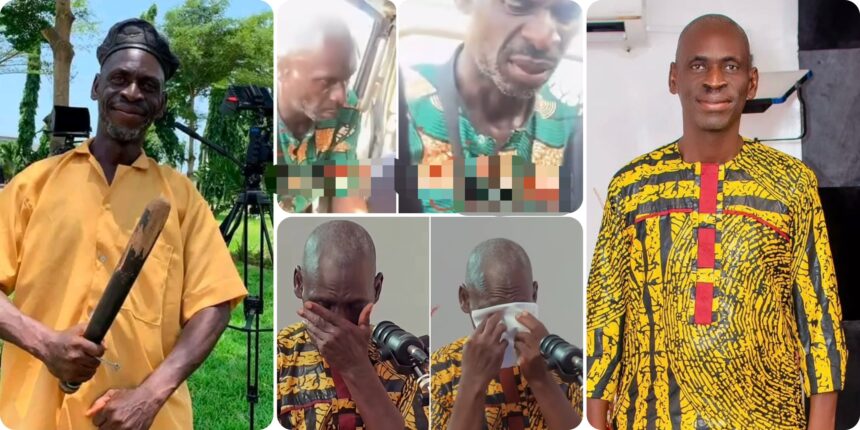
For many Nigerians who grew up watching Yoruba films in the 1990s, Sunday Afolabi is a familiar face.
His role in Owo Blow, the 1996 classic directed by Tade Ogidan, helped make him recognisable to a generation of movie lovers. Decades later, however, another image of Afolabi brought him back into the public conversation. It was not on a movie set, but around a commercial bus.
In March 2026, a video of the veteran actor working around a “korope” went viral. He was seen attending to passengers and going about the routine of commercial transport. The footage triggered concern from Nigerians who remembered him from his years on screen.
But the viral video did not tell the full story.
In an appearance on Talk To B, hosted by actress Biola Bayo, Afolabi opened up about the journey that brought him there. His story goes far beyond acting. It is a story of a man who started his working life at the Nigerian Television Authority (NTA), discovered photography, found his way into television and film, tried different legitimate jobs when times became difficult, moved to Badagry in search of a home of his own and eventually turned to commercial transport when acting alone could no longer provide enough for his family.
For Afolabi, the bus was not a symbol of failure. It was work. And, as his story shows, it was work he was willing to do to survive.
Before Nollywood, There Was NTA

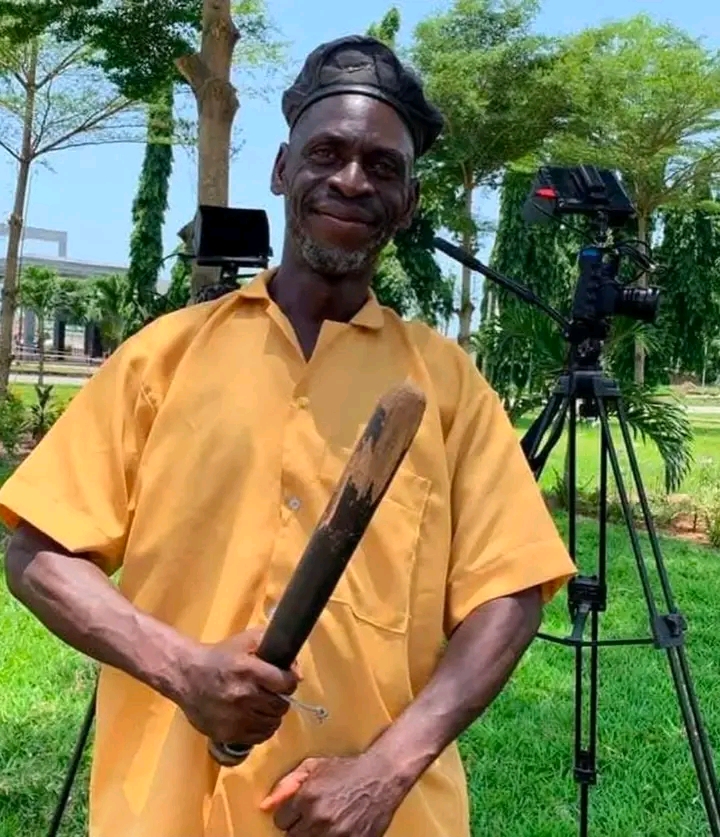
Afolabi’s career did not begin with acting. During the Talk To B interview, he explained that he started working at NTA in the 1980s. He initially joined as a clerk, with his appointment being temporary and renewed every six months.
But photography soon changed the direction of his career. Afolabi already carried a camera around and had developed an interest in photography. At one of his interviews for permanent employment, he was asked if he could take good photographs after seeing his CV. He said yes. Then he did something that impressed the interview panel.
Afolabi photographed the panel members individually and collectively in black and white and presented the pictures to them. That demonstration of his skill opened another door.
Instead of simply moving through the ranks as a clerk, he was appointed as a photographic assistant at the NTA headquarters around Victoria Island. From there, he became a news photographer and later found himself attached to television productions.
It was a different path into the entertainment industry, one that began behind the camera before eventually taking him in front of it.
From Photography To Acting
Afolabi’s photography career placed him close to television productions and performers. He recalled being attached to Tales by Moonlight, one of the programmes that became a major part of Nigerian television culture. That exposure earned him waka-pass scenes at first on television series, before landing him major roles and eventually helped him move fully into acting.
His screen career would later include productions such as Super Story. In fact, a 2013 report on Super Story’s production The Secret listed Sunday Afolabi among its cast alongside established names including Zack Orji, Kate Adepegba, Jide Kosoko, Sade Omoniyi and Biodun Majekodunmi.
But the role that remains particularly associated with his name came in Owo Blow.
The 1996 film, directed by Tade Ogidan, became a memorable title in Nigerian cinema, and Afolabi’s performance helped establish him as a recognisable face among Yoruba film audiences. Contemporary reports identify him with the film and note his role as Fatai, a member of a robbery gang.
For a while, acting was enough to keep his career moving. But the industry changed, and so did his circumstances.
When Acting Could No Longer Do It All

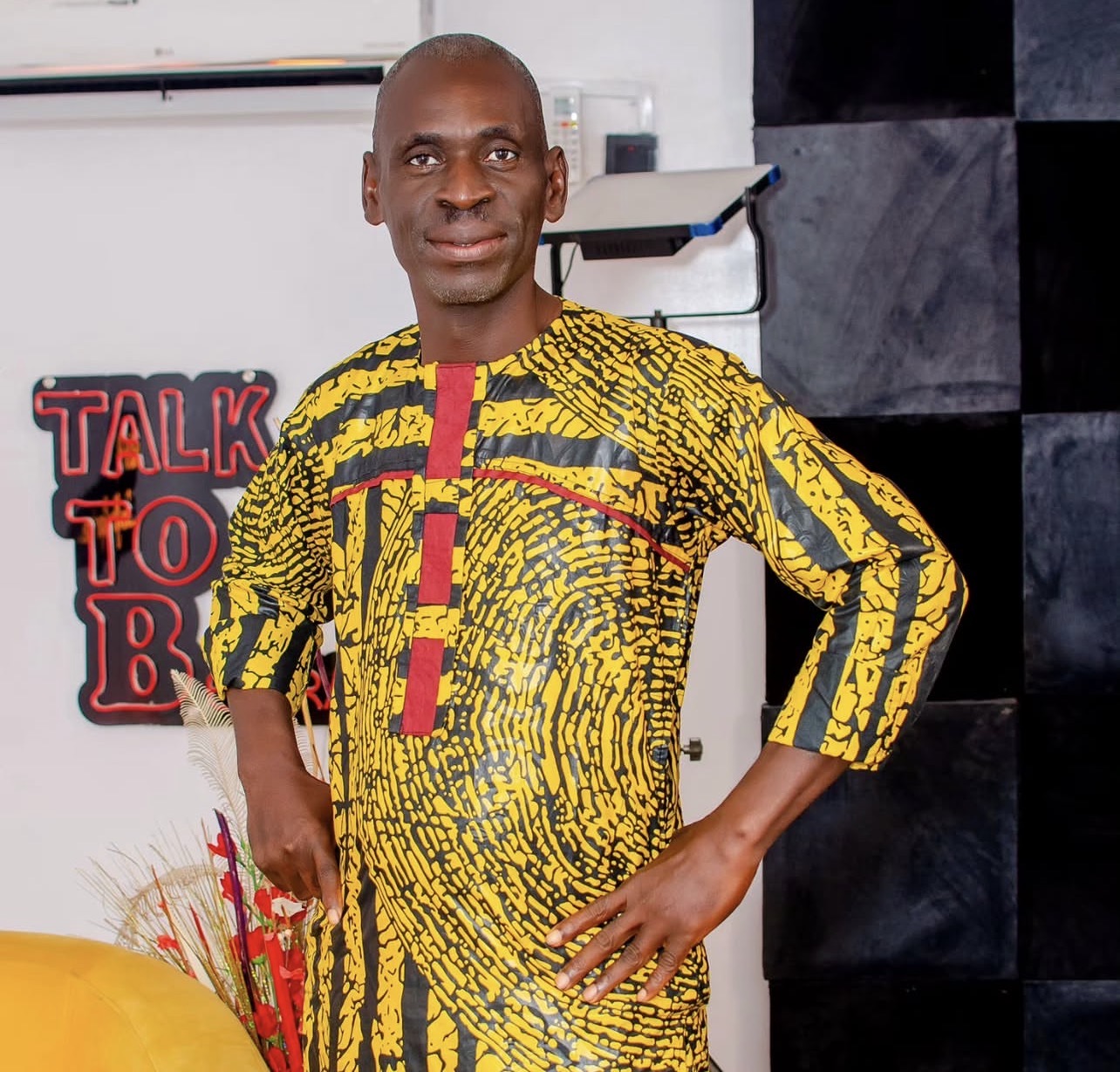
Afolabi told Biola Bayo that he had never believed in depending on only one skill. Over the years, he tried tailoring. He also learnt how to install solar systems.
He particularly remembered taking up solar installation around 2019, explaining that he realised people needed additional ways to survive when the economy became difficult due to the COVID-19 pandemic.
His approach was simple: if there was a legitimate job he could do, he was willing to do it. “I call myself jack of all trade and master of all,” he said, explaining that he was willing to take on any legitimate work that could help him settle his responsibilities.
That attitude became even more important as acting opportunities became less regular.
Why Sunday Afolabi Moved To Badagry
One of the biggest decisions Afolabi made was relocating to Badagry, Lagos State. He told Biola Bayo that he moved there because he wanted to have a building of his own.
The little money he had was not enough to secure the kind of accommodation he wanted in the city, so he chose a different path by moving farther away to build a home and at least have a roof over his head.
It was a practical decision that came with a major price, as the distance affected his acting career. Afolabi admitted that being in Badagry made it harder for producers and directors to reach him. When production was happening in other parts of Lagos, he was no longer as accessible as he once was.
And there was another reality he had to contend with.
“Out of sight is out of mind,” he recalled one of his directors telling him. For an actor whose livelihood depends heavily on being remembered and called when a role is available, that distance mattered.
The Move That Gave Him A Home Also Cost Him Work
The decision to build a house gave Afolabi something important: a place he could call his own. But it also contributed to the professional setback he was experiencing.
During the podcast, he was open about how difficult things had become. He explained that living in Badagry was not easy. He revealed that many people in the area weren’t wealthy either and had to travel long distances into the city to find work. For him, the problem was even more complicated.
He was an actor whose main source of income was becoming less dependable, yet he still had a family to provide for.
He spoke about arguments with his wife over not having enough to provide. They sometimes had to stretch what they had, including going to the market only every four days.
It was a far cry from the glamorous image many people associate with actors. But Afolabi was not interested in pretending otherwise.
The Nissan Quest He Had To Sell

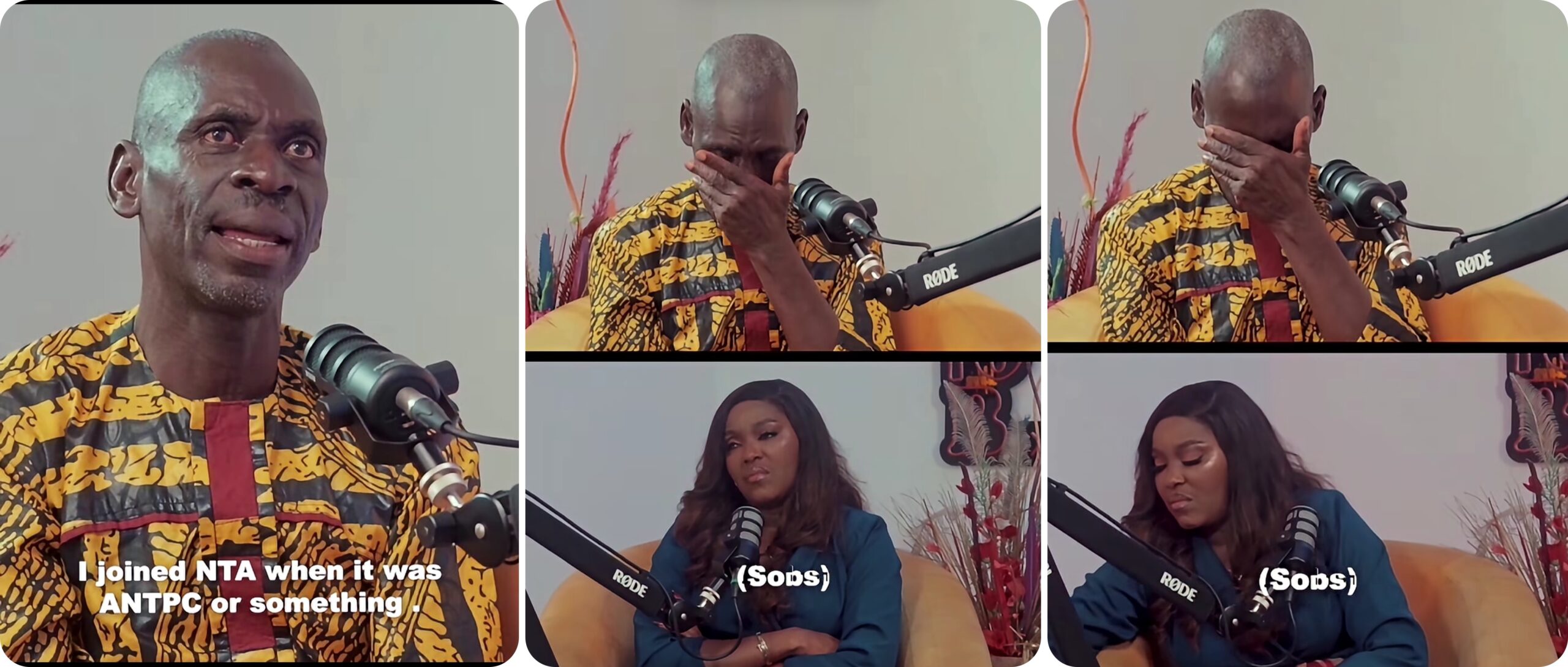
One of the clearest examples of how difficult things became was the loss of his car. Afolabi revealed that he owned a Nissan Quest but eventually had to sell it. The ₦180,000 from the sale of the vehicle helped him deal with immediate financial needs.
For someone who needed mobility to attend auditions, movie sets and other jobs, selling the vehicle was not an easy decision. But survival came first. So he took the hard decision of getting a fairly used Bajaj motorcycle which cost him about ₦70,000. He used the balance from his car sale to pay off debt they had incurred from buying food on credit.
And the actor’s philosophy remained the same: a person must keep looking for a way forward. He even referred to the Biblical story of the five loaves and two fish as an example of how something small can become enough when properly used.
Then Came The Accident
Afolabi’s struggles were not only financial. He also suffered serious accidents. While riding his motorcycle, which he said he wasn’t used to, he fell off it multiple times and sustained injuries.
He narrated a particular incident where he said he met a fan who promised to help him and told him to ride his motorcycle behind him, while the fan took a different motorcycle and rode in-front.
In a bid not to miss his “helper”, despite the heavy rainfall that day, he began to speed while trying to catch up with the motorcycle he was following and while trying to avoid a large pothole the bike slipped and he fell off it. He hit his jaw on the ground and had cuts and injuries with his jaw disfiguring his face slightly.
“If you look at my face very well, you discover that one is a little bit bigger than the other,” he told Biola Bayo, pointing to the effect of the injury. He continued:
“I lay down flat. The okada went this way. It was as if I planned for it. I strategically fell. I didn’t allow my head to hit the ground. I was expecting somebody to… because it was in the daytime to even come to my rescue.”
He described lying on the ground for several minutes after the accident, expecting someone nearby to come to his aid. Instead, he recalled seeing a woman and her children simply looking at him. Eventually, he got himself together and even after the accident, he continued on his journey.
He also narrated another accident with his motorcycle, where he got injured after having a head on collision with another motorcycle and was admitted in the hospital for two weeks.
His story was becoming less about choosing between acting and another profession and more about doing whatever was available.
The Danfo Was Not The Beginning Of The Struggle

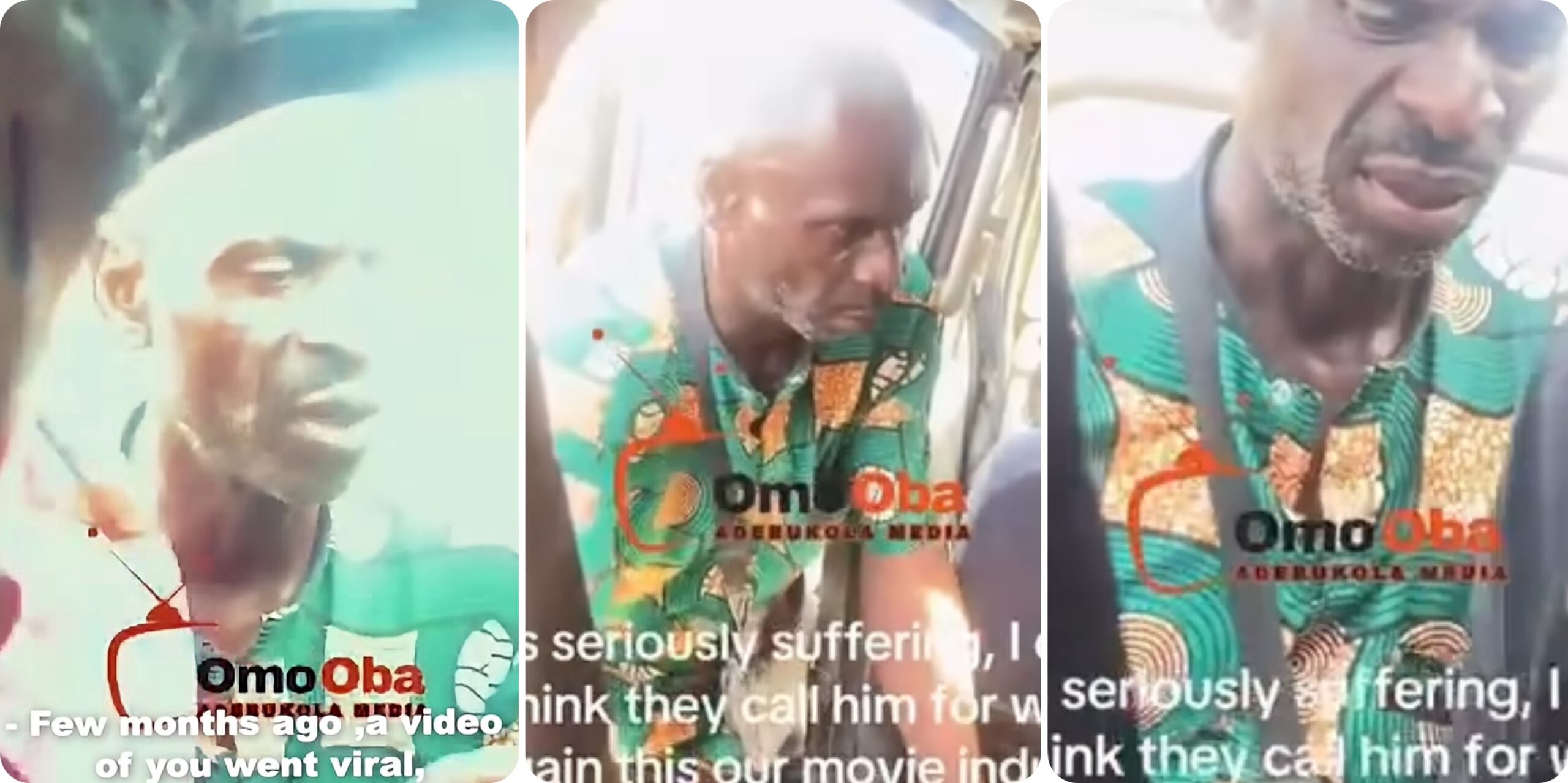
The viral video did not capture the beginning of Sunday Afolabi’s struggle. By the time people saw the veteran actor working around a commercial bus in March 2026, he had already gone through several difficult attempts to keep himself and his family going.
His journey to the bus began with the motorcycle he had been using. Afolabi told Biola Bayo that he had suffered multiple accidents while riding the motorcycle. After another accident, he eventually let go of riding the bike.
With the motorcycle gone, he needed another way to make a living. That was when he met someone who he discussed the possibility of getting a commercial mini-bus, popularly called a Korope, to carry passengers.
The arrangement was straightforward. Afolabi would make a small initial payment and then pay the remaining balance in instalments. He agreed.
The person who was helping him even took him to the dealership and spoke to those selling the bus. According to Afolabi, the person warned them not to pressure or pester him over the instalment payments.
That arrangement gave him another opportunity to earn and shortly after ctor Kunle Afod stepped in. Afod reached out after learning about Afolabi’s situation, and help eventually came in a significant way. Someone offered to pay off the remaining balance on the bus. The amount left was ₦650,000.
That balance was paid off, meaning Afolabi could continue using the Korope without the burden of the outstanding instalments.
So, when the video of him working with the commercial bus later circulated, there was much more behind it than people could see. The bus had not simply appeared in his life. It had come after the motorcycle accidents, the sale of his bike and another attempt to find a legitimate way to earn a living.
And even after he got the bus, things did not suddenly become easy.
By the time of his Talk To B interview with Biola Bayo, Afolabi said he could not even drive the bus to the programme because it had broken down. The vehicle had developed engine problems, while there were also issues requiring panel beating.
That meant another source of income had been interrupted. Through it all, however, he did not describe honest work as something beneath him.
Biola Bayo made the same point during the interview. She said that when people sent her the viral video and asked her to reach out to Afolabi, she did not immediately see a man who needed to be rescued from working.
“I said no,” she explained. “This man is actually working. There is dignity in labour.”
The irony was that the same video intended by some viewers as evidence of how badly things had gone for him also revealed another side of his character: he was still willing to work.
Biola Bayo Makes Public Appeal

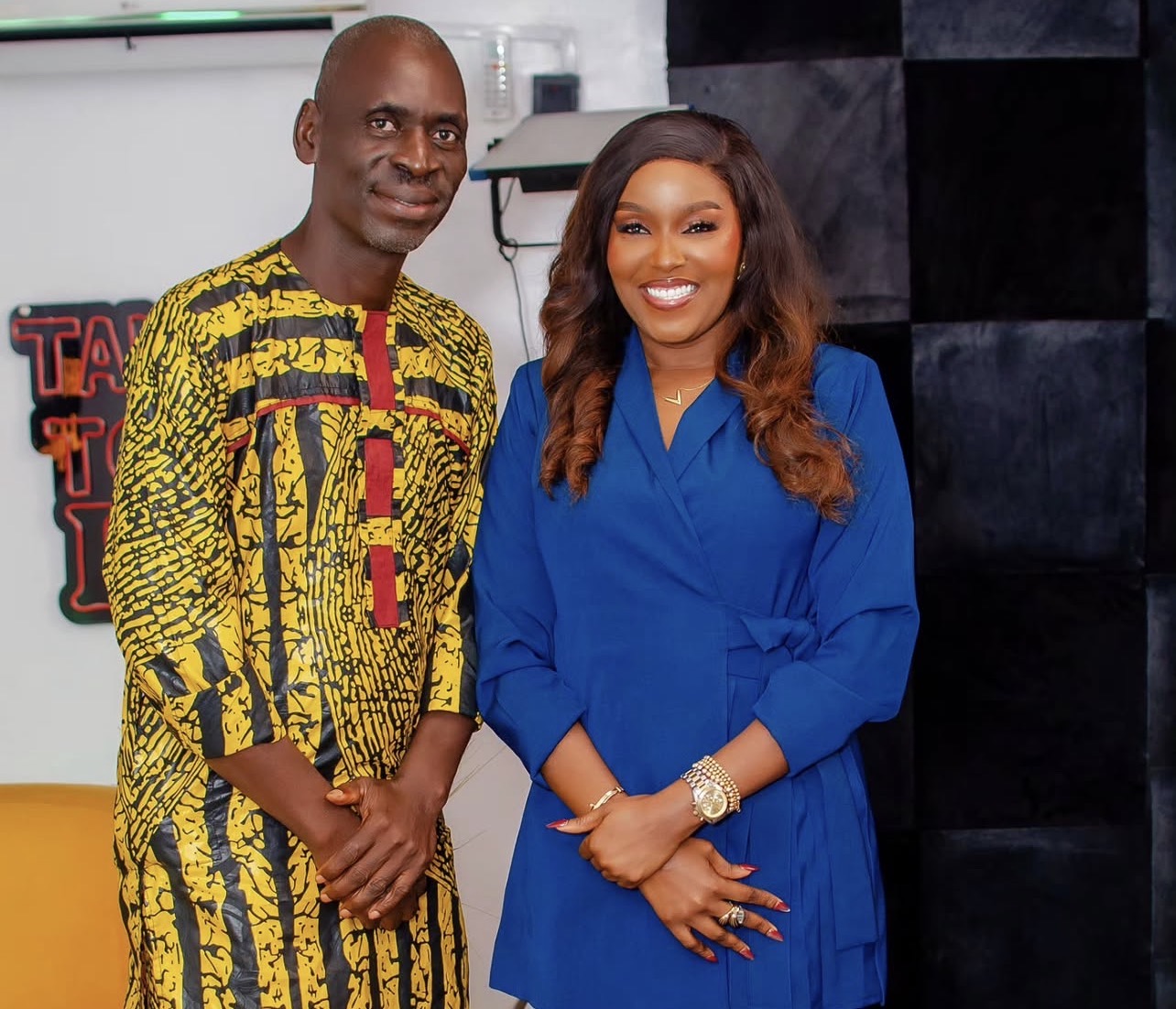
By the time Afolabi appeared on Talk To B, his situation had reached the point where Biola Bayo decided to make a direct appeal to her audience. She did not ask people to pity him, instead she asked them to help him get back on his feet.
She asked viewers who could help to provide Afolabi with better accommodation closer to the city, where he would be more accessible for acting jobs. She also appealed for a vehicle he could use for work or uber, just like he requested.
The goal was not simply to give him something to own. It was to give him mobility and another opportunity to earn. Biola specifically mentioned possibilities such as a Toyota Corolla, Toyota Camry or even a neat Sienna that could help him work.
She also urged anyone with an unused house or accommodation in the city to consider allowing Afolabi and his family to live there.
Her argument was that an actor without a car faces an especially difficult situation in Nigeria because moving between auditions, productions and locations is part of the job.
She then asked Afolabi to provide his account details on the programme for people who wanted to support him directly.
A Veteran Actor’s Simple Philosophy
Throughout the interview, Afolabi returned to one idea: life itself is reason enough to keep going. He told stories of losing opportunities, changing professions, relocating, selling his car, suffering an accident and working outside acting. Yet he never presented any of those experiences as the end of his story. Instead, he repeatedly returned to hope.
“As long as there’s life, there’s hope,” he said.
The Industry Eventually Called Again

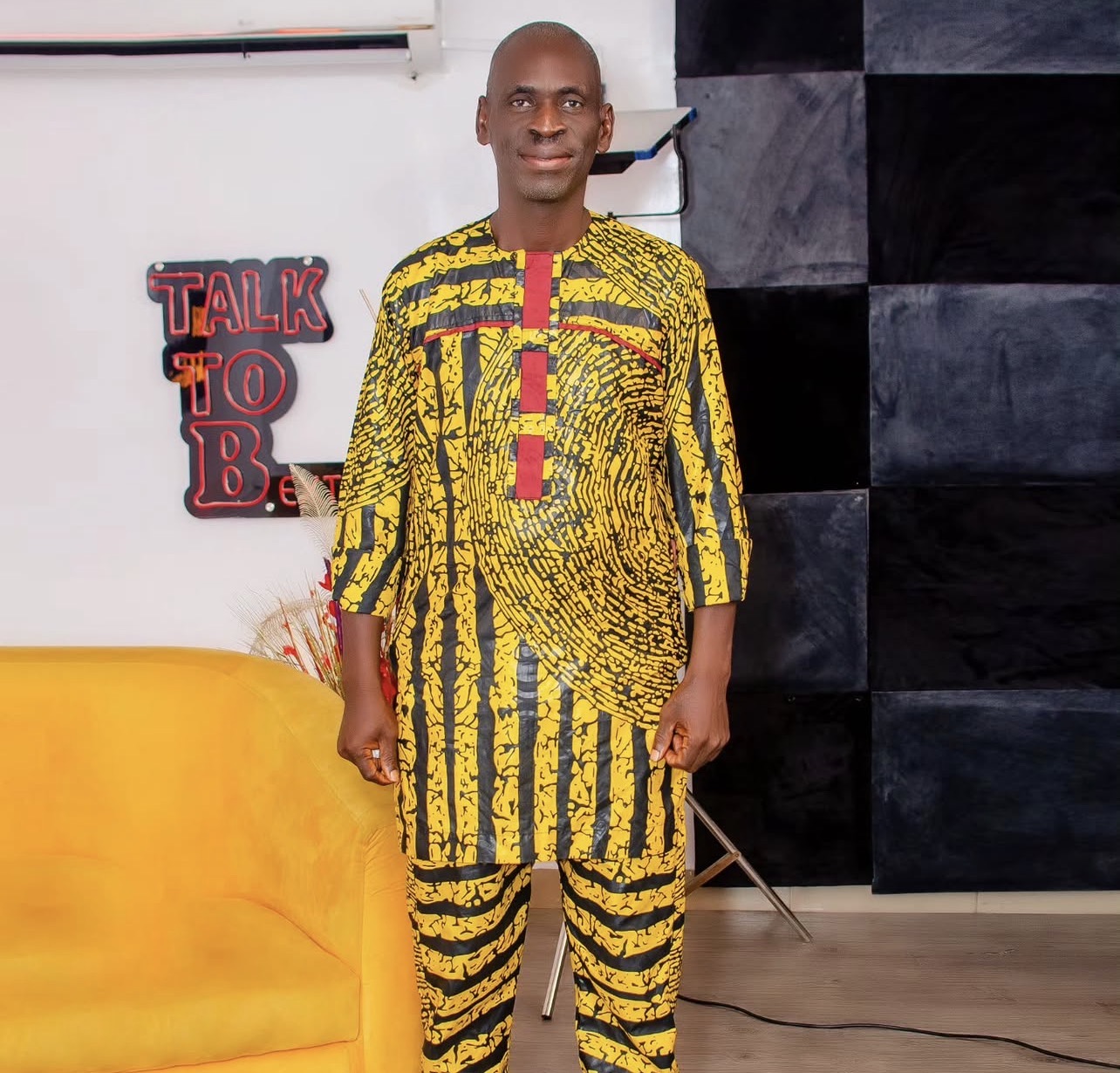
And, months after the viral attention, another chapter opened. On April 19, 2026, it was reported that Afolabi had returned to acting. Actor Adeniyi Johnson shared a picture of him on a movie set and announced that the veteran was available for shoots in and outside Lagos.
Johnson also revealed that Afolabi was featuring in ILEKE, produced by Seyi Edun and directed by Adebayo Tijani.
Conclusion
The viral video gave Nigerians one image of Sunday Afolabi, but the Talk To B interview revealed the years behind it. From his time at NTA, photography, decades of acting, the viral video and other circumstances he has faced.
His story is therefore not simply about a famous actor who ended up driving a commercial bus. It is about a veteran who refused to sit down and wait for life to change. He learnt new skills, tried different jobs, moved in search of a better life, endured setbacks and kept looking for another source of income.
And perhaps the most important lesson from his story is the one he demonstrated rather than merely preached: there is no shame in honest work, especially when the alternative is giving up.