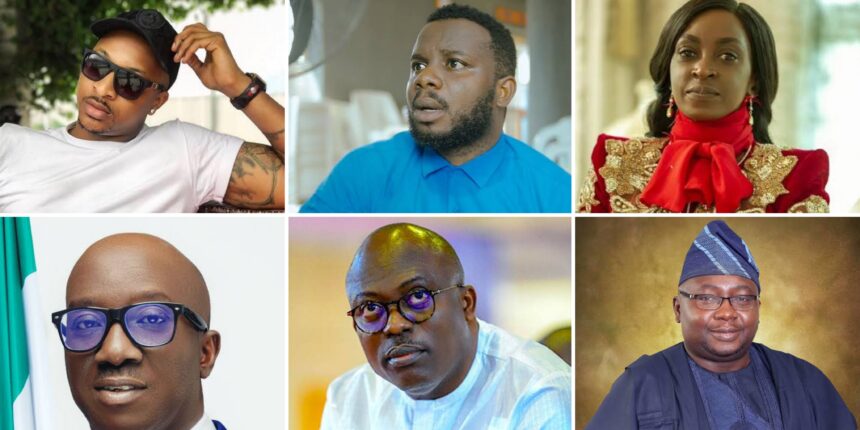
Nigerian entertainers are increasingly taking their voices beyond the entertainment industry, bringing their influence into conversations involving the country’s political leadership. Several familiar faces, including IK Ogbonna, Sabinus, Kate Henshaw, and Charly Boy, among others, have recently drawn attention for public interventions involving people in positions of authority.
Their comments, made at different times, have brought governors, federal ministers and other political figures into conversations that continue to generate attention, with some of the personalities involved making their positions known in rather direct terms.
The developments also reveal how celebrities are using their platforms to question people occupying positions of authority, with some naming specific governors and ministers while others are challenging the political behaviour of fellow entertainers.
IK Ogbonna Challenges Edo Governor Monday Okpebholo Over Bad Roads

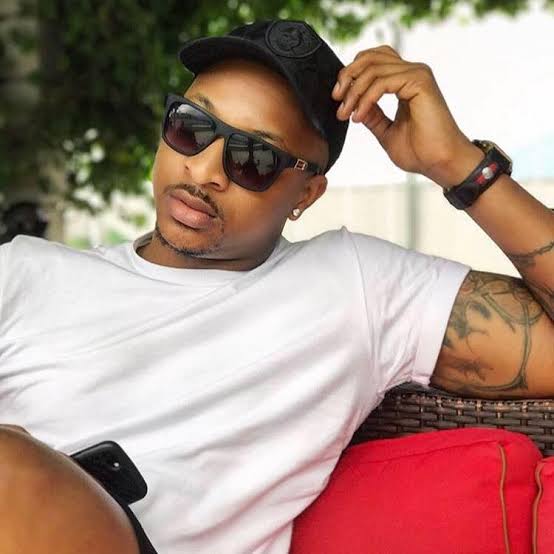
Nollywood actor IK Ogbonna became one of the latest entertainers to publicly question a state governor after travelling through Edo State and expressing disappointment over the condition of roads he encountered. His complaint, shared on November 12, 2026, was directed at Governor Monday Okpebholo, with the actor questioning why a state with Edo’s historical and cultural importance should continue to have roads in such condition.
Ogbonna described his experience in an Instagram post, drawing attention to the condition of the roads and the possible safety implications for people who use them. He wrote: “I decided to take a road trip, and one thing I can say for sure is that Edo State, a land so rich in history, culture and heritage, has absolutely no business have road this terrible in 2026.”
He continued by arguing that the condition of the roads was more than an issue of appearance, particularly because motorists and other road users depend on safe infrastructure for their daily activities. His words were: “The people of Edo deserve better infrastructure. These roads are not just an embarrassment; they are a serious concern for the safety of everyone who uses them.”

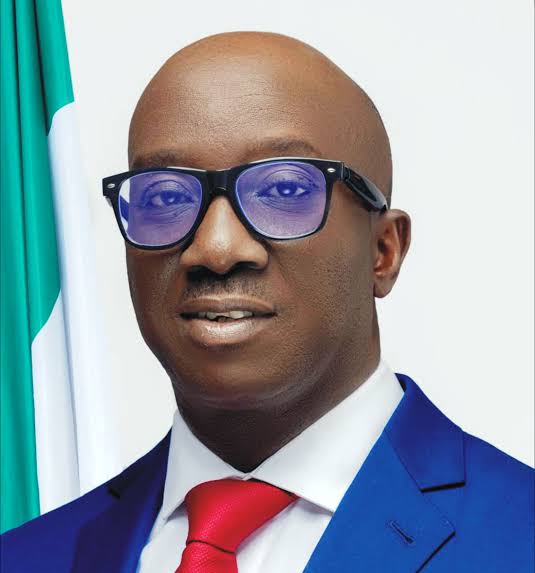
The actor then directed his question at the governor, making it clear that his complaint was about the responsibility of the state administration to address infrastructure problems. He asked: “Mr Governor, what exactly is being done about these roads?” He concluded his criticism with the statement: “2026, and we are still dealing with this? SMH”
Ogbonna’s intervention followed his personal experience travelling through the state, making roads and public safety the central issues of his complaint. His remarks placed the responsibility for addressing the concerns before the governor.
Sabinus Questions Rivers Governor Fubara Over Roads, Waste Management
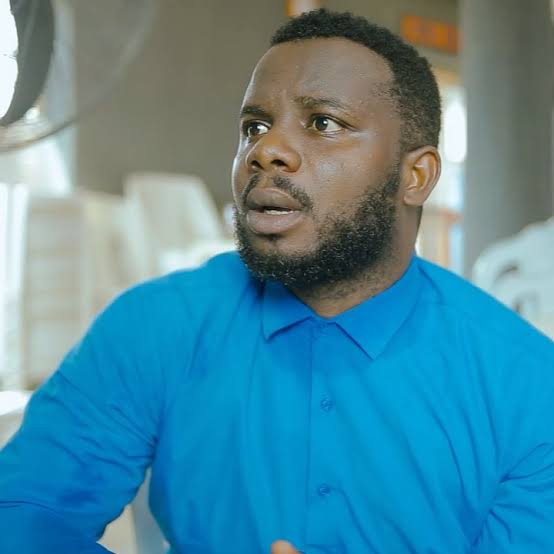
Comedian and skit maker Chukwuemeka Emmanuel, popularly known as Sabinus or Mr Funny, also turned his attention to governance on November 12, 2026, raising concerns about public infrastructure and environmental conditions in Rivers State. His criticism was directed at Governor Siminalayi Fubara, but his comments went further by questioning the responsibilities of local government chairmen and members of the Rivers State House of Assembly.
Unlike Ogbonna, whose complaint centred mainly on roads, Sabinus discussed several problems he said were visible across the state, including deteriorating roads, overflowing dustbins and neglected public facilities. He expressed frustration over the presence of government officials moving around with sirens while residents continued to encounter problems in their communities.
Speaking in a video shared on Instagram, the comedian said: “My state, Rivers, is the worst; our roads are bad, dustbins everywhere in Rivers State, very bad roads. We get governor, we get local government chairman, we get house of assembly members, everyday them dey drive siren dey pass this dustbin.”
His complaint also extended to the Rivers State stadium, where he questioned the condition of the facility and the management of money allocated to sports infrastructure. He challenged those responsible for sports administration to explain how available budgets were being utilised when the stadium was not being maintained to the standard he expected.
One of the strongest parts of Sabinus’s intervention concerned the need to hold every level of government accountable rather than concentrating public criticism exclusively on the President. He argued that state governors, lawmakers and local government officials also have responsibilities that should be examined by citizens, particularly when problems occur within their respective jurisdictions.

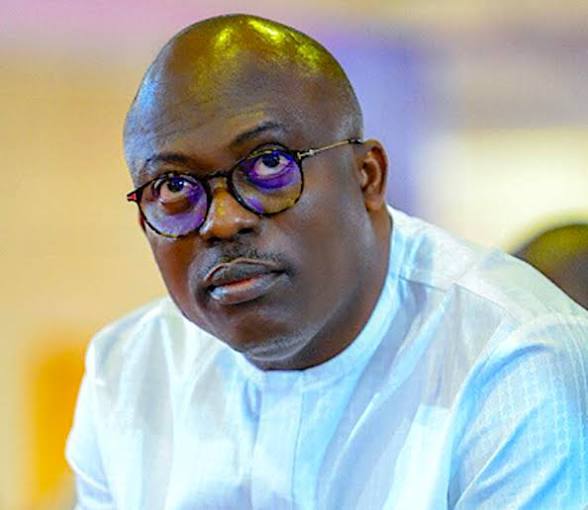
He stated: “If we don’t handle these things, whether we get 20 more presidents, Nigerians we go remain like this; everybody should be held responsible.”
The comedian’s statement broadened the conversation beyond Fubara’s administration, placing local government officials and state lawmakers within the same accountability discussion. His argument was that the problems affecting communities cannot be addressed properly if elected officials at different levels escape questions about their responsibilities.
Kate Henshaw Challenges Power Minister Joseph Tegbe Over Electricity

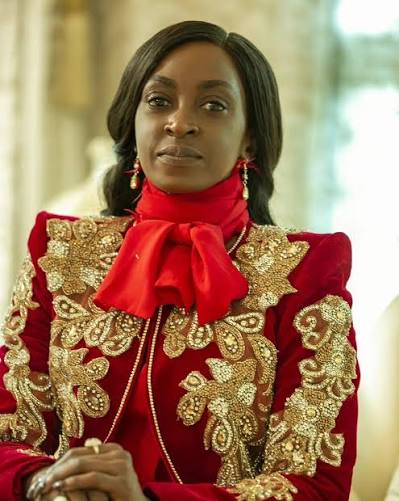
Before the November 12 interventions by Ogbonna and Sabinus, actress Kate Henshaw had publicly challenged Nigeria’s Minister of Power, Joseph Tegbe, over unreliable electricity supply. Her complaint was reported on November 9, 2026, following her frustration with repeated interruptions and the short periods during which electricity was sometimes restored.
Henshaw addressed the minister directly in a video shared on Instagram, describing the experience of consumers who receive electricity for a short period before another outage occurs. She said: “Mr minister of power, there’s no light. There’s hardly been light.”
She further complained about the brief restoration of electricity, explaining that supply could return only to disappear again within minutes. Her words were: “You people will bring it, and then give minutes; it’s gone.”
Another part of her complaint concerned an explanation attributed to the minister about Nigerians allegedly asking the government to reduce electricity supply because items in their freezers were becoming too cold. Henshaw questioned the reasoning behind such an explanation and demanded to know who had made the complaints, particularly because households depend on electricity for several essential activities.

She asked: “What is a freezer for?” She then demanded: “I need the names and numbers of these people that called you and said you should turn off the light or you should slow down.”
The actress also expressed frustration over the financial pressure associated with unreliable electricity and the cost of living, questioning the experience of ordinary consumers who continue to deal with power interruptions. In the caption accompanying her video, she wrote: “What kind of wickedness is this that you people are doing??”
Her intervention placed the federal power ministry at the centre of the complaint, with questions surrounding electricity supply, the explanations being offered to consumers and the actions being taken to address operational problems in the sector.
Charly Boy Questions Nigerians Celebrating Political Leaders
Veteran entertainer and activist Charles Oputa, popularly known as Charly Boy or Area Fada, raised similar concerns about governance and public accountability on September 21, 2026. His criticism was directed not only at political leaders but also at Nigerians who celebrate politicians during political activities despite continuing complaints about basic public services.
Charly Boy described a country where good roads and reliable electricity had become privileges rather than services citizens should reasonably expect. His comments touched on infrastructure, food prices and the general living conditions of Nigerians, questioning why people continued to tolerate conditions that should attract serious public attention.
He stated: “Nigeria is a country where good roads are treated as luxury. A country where people with steady electricity are classified as the rich.”

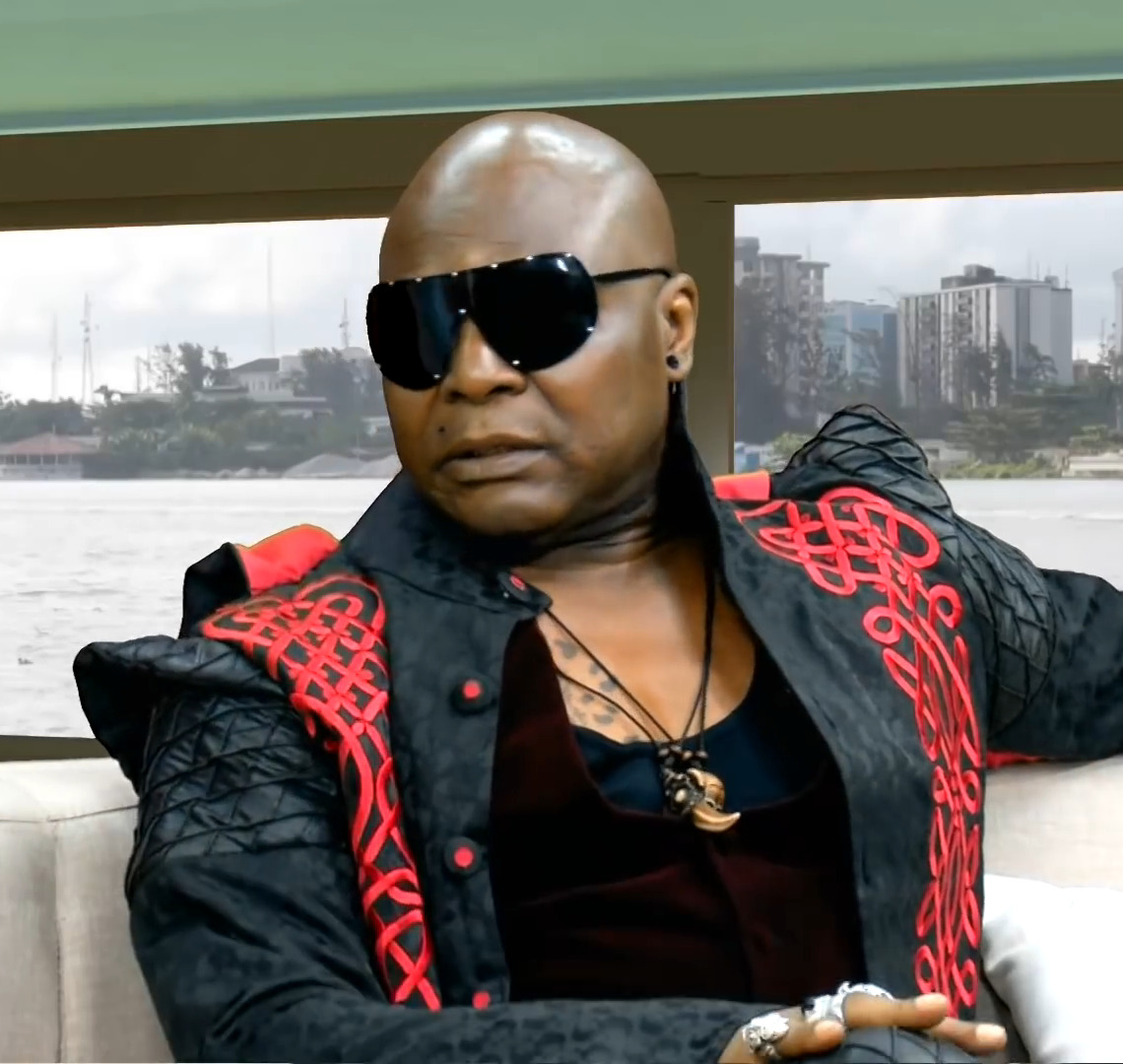
He also criticised the practice of celebrating politicians during campaigns, particularly when citizens continue to face difficulties associated with public services and the cost of living. He said: “Watching corrupt leaders campaign only to turn out and cheer them on. What a shame.”
His intervention also brought attention to the influence of entertainers and content creators, questioning whether people with large audiences should use their platforms only for entertainment or also speak about problems affecting society.
Charly Boy’s position was that citizens should demand accountability instead of treating basic infrastructure and essential services as special privileges.
Olaide Olabanji Attacks Entertainers Supporting Politicians For Personal Benefits
Nollywood actor Olaide Olabanji also criticised entertainers over their alleged involvement in political campaigns and their willingness to support candidates in exchange for personal benefits. His comments, made on September 3 and 4, 2026, focused on celebrities who participated in political activities during the 2023 general elections but allegedly failed to speak about governance problems afterwards.

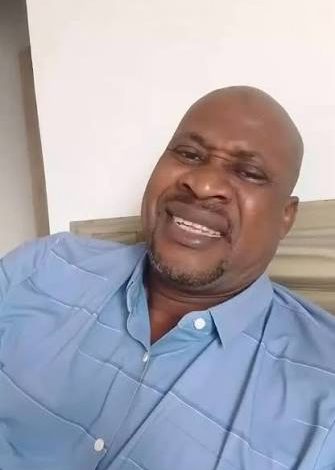
Olabanji questioned the conduct of entertainers who used their popularity to promote political candidates and subsequently participated in distributing palliatives such as rice and beans. Although he did not identify particular actors or politicians, his criticism was directed at colleagues he believed were placing personal benefits above the welfare of Nigerians.
He warned: “Don’t destroy people’s lives because of what you are benefiting from bad leaders.”
He also questioned why entertainers with the opportunity to speak publicly about governance sometimes remained silent when citizens needed people with influence to raise important concerns. He said: “Many of us have the opportunity to speak truth to power, but we refuse to do so simply because of our stomach infrastructure.”
His concerns extended to healthcare, electricity, roads and security, with particular attention to the difference between the services available to wealthy Nigerians and the difficulties ordinary citizens experience. He questioned why politicians and wealthy individuals often travelled abroad for medical treatment while many Nigerians struggled to access quality healthcare within the country.
Olabanji also raised the issue of entertainers who later turned to public fundraising when they became sick, questioning the long term value of accepting money to support political campaigns. One of his questions was: “Where can we travel to when we fall sick?”
He further challenged colleagues who allegedly received money during the 2023 political campaigns to consider whether such payments could secure their children’s future. He asked: “Can the money you received for the campaign build your children’s future?”
His comments placed celebrity participation in political campaigns under scrutiny, particularly the question of whether entertainers should continue supporting political candidates without demanding accountability for their performance in office.
Prince Eke Condemns Celebrities Remaining Silent Over Bad Governance
Another actor who criticised the relationship between entertainers and political leaders was Prince Eke, who raised the issue in March 2026. His intervention focused on celebrities who, according to him, watched the country’s governance problems without using their public influence to demand improvements.
Eke accused some actors and musicians of remaining silent about corruption and poor governance while waiting for politicians to offer them money to participate in election campaigns. He questioned why entertainers with significant public influence would avoid speaking about issues affecting the same citizens who support their careers.
In his Instagram post, he wrote: “Actors and musicians alike watched Nigeria drown in corruption and bad governance and kept their mouths shut.”
He also criticised entertainers who allegedly waited for politicians to pay them before appearing at campaign events, describing such arrangements as an obstacle to independent public criticism. He wrote: “They are waiting for politicians to throw them a few peanuts to come and dance during campaigns.”

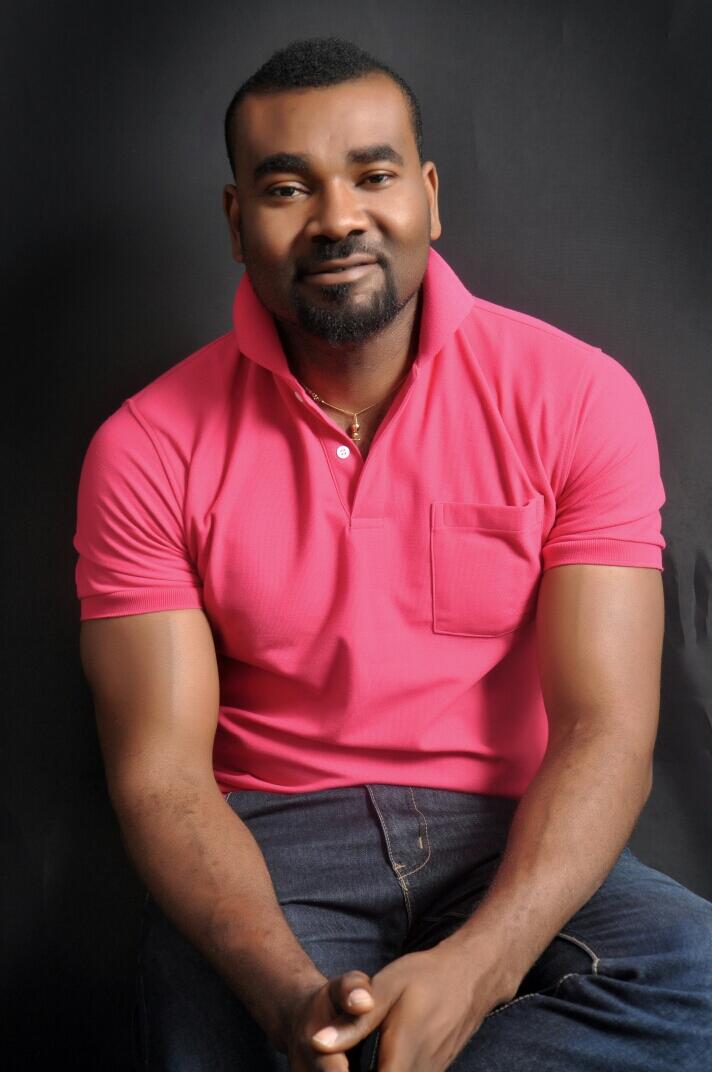
His remarks centred on the responsibility of celebrities to use their influence beyond entertainment, particularly when their audiences include people affected by unemployment, insecurity, poor infrastructure and other governance challenges.
The Public Officials Facing Direct Questions
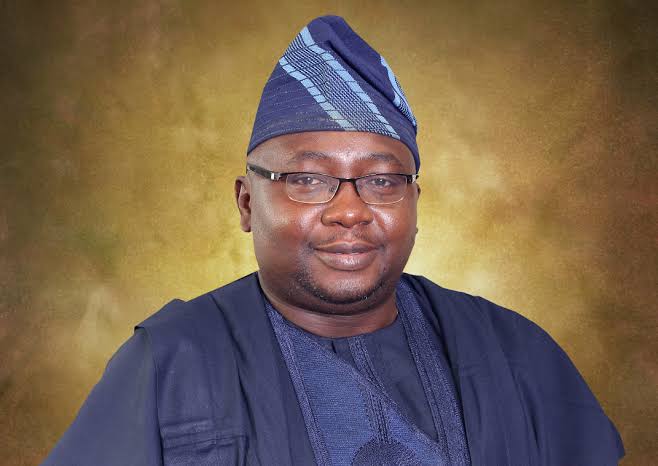
The recent interventions have involved public officials occupying different positions within Nigeria’s political and administrative structure. Monday Okpebholo, the Edo State Governor, was challenged by IK Ogbonna over road conditions in the state, while Rivers State Governor Siminalayi Fubara faced questions from Sabinus about roads, waste management and public facilities.
Federal Minister of Power Joseph Tegbe was the subject of Kate Henshaw’s complaints about electricity supply and the explanations surrounding interruptions. The other entertainers, including Charly Boy, Olaide Olabanji and Prince Eke, directed their attention more broadly towards political leaders, the conduct of citizens and the participation of celebrities in election campaigns.
The incidents occurred at different times, with the latest criticisms from Ogbonna and Sabinus coming on November 12, 2026, while Henshaw’s intervention was reported on November 9. Charly Boy raised his concerns on September 21, Olabanji made his comments in September, and Prince Eke’s criticism came in March 2026.
These are separate interventions rather than evidence of a coordinated campaign by entertainers. Their statements also represent personal criticisms and demands for accountability, with roads, electricity, waste management, healthcare and political patronage remaining the central issues.