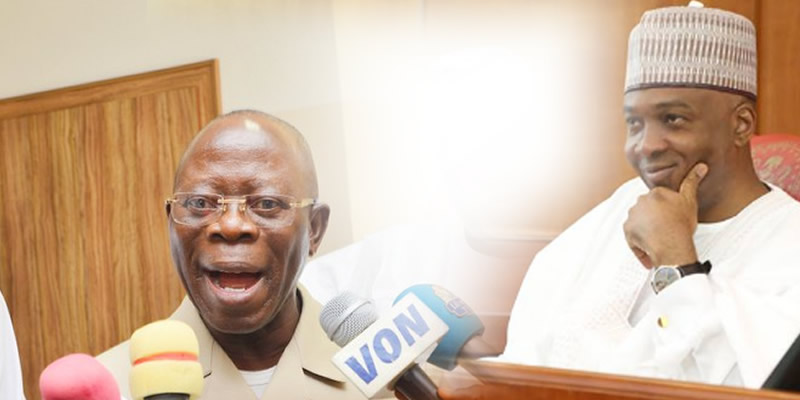

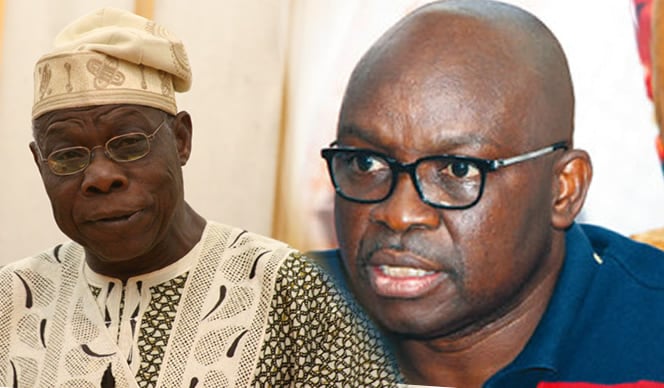
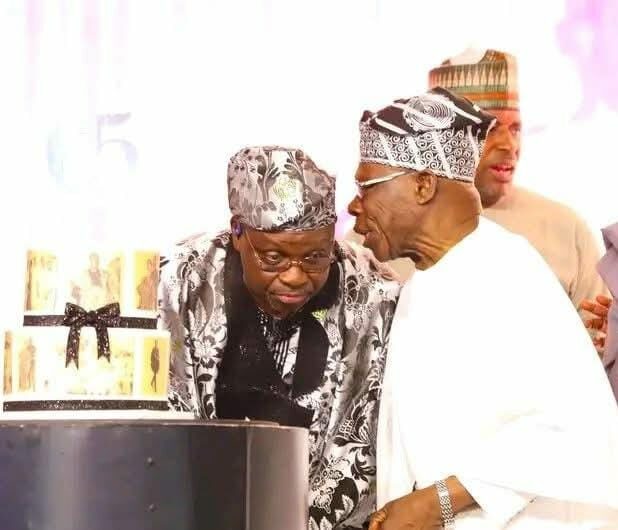
Birthdays are supposed to be chill. Cake, candles, laughter, maybe a little speech here and there. But when Ayo Fayose turned 65, things went sideways real quick. Instead of the usual “thank you for coming,” the vibe got tense, awkward, and a little messy. Olusegun Obasanjo, former president and national heavyweight, was there, and suddenly, the air was thick—not with candles or celebration, but with old grudges and unspoken history.
It’s wild when you watch two people like this. One has decades of experience, a reputation built over half a century, and the patience of someone who’s seen it all. The other? Sharp, brash, unafraid to throw shade even in a room full of cameras. When these worlds collide, it’s not about fists or shouting. It’s about words, gestures, timing, and the tiny ways people try to take control of the story.
Nigeria’s elite politics often works like this—everything is public, but nobody says it straight. Respect, power, memory, and ego get tangled up in moments like this birthday. Every eye in the room is reading every twitch, every pause, every carefully chosen word. And the bigger question lingers over it all: in this clash of old school versus bold defiance, who’s really got the upper hand?
Birthday Party: Obasanjo’s Low-Key Shade
Fayose’s 65th birthday was supposed to be all smiles, applause, and clinking glasses, but Obasanjo quietly shifted the room’s energy. He said, “You are not the best of my political children … but lessons must be learnt.” No yelling, no dramatic hand gestures, just words dropping like small bombs. People felt it—an elder statesman reminding you of your place without raising his voice.
And then there was that subtle jab about money. Obasanjo hinted, without fully spelling it out, that past transactions were on the table. The crowd sensed it: a quiet flex of authority, a reminder that even in celebration, history isn’t erased. Candles flickered, speeches carried on, but the real story was in that calm, sharp tone.
By the time Fayose got around to responding, Obasanjo had already set the stage. The party became less about celebration and more about positioning, perception, and power dynamics.
Fayose’s Reactions: Explosive and Unfiltered
Fayose didn’t waste time. He fired back in what looked like a thank-you note but packed like a hand grenade. He called Obasanjo’s statements “very irresponsible,” said he “belongs in the zoo,” and even questioned his mental state, claiming he was in a “heightened stage of dementia.” Each phrase was deliberate, sharp, and meant to grab attention. Subtlety? Forget it. Fayose was sending a message: I remember. I bite back. I’m not afraid.
Then came the money angle. Fayose demanded Obasanjo return cash he allegedly admitted receiving, dragging Dangote into the spotlight to make sure the point landed. This wasn’t just about money. It was credibility, influence, and a reminder that old debts—political or financial—don’t just vanish. The public could feel the tension rising; what should have been a birthday cheer became a full-on verbal battlefield.
Obasanjo’s Reply: Calm, Strategic, Unshakable
Obasanjo didn’t throw a fit. He didn’t get defensive. He replied with measured calm, confirming that the money was returned “in the same bag … unopened by me.” Every word carried weight. The message was clear: I handle my business clean, I don’t flinch, I don’t panic, and I let the optics do the heavy lifting.
He turned Fayose’s explosive energy into a showcase of patience and strategy. Obasanjo was playing chess while Fayose was swinging punches. The birthday, which started as a celebration, ended as a stage for legacy, reputation, and public theater of power. And the audience? They were left deciding who truly landed the harder blows.
Historical Grievances Resurface
I) 2006 — Fayose Gets Impeached, The Old Power Play Begins
Back in 2006, things started popping off. Fayose, then governor of Ekiti State, didn’t just lose his job — he was impeached in a way that raised eyebrows. Reports say Obasanjo wasn’t just watching; he was deeply involved. Babafemi Ojudu, one of the insiders, later admitted that he and Obasanjo plotted the impeachment.
When Fayose got the boot, Obasanjo didn’t sit back. He declared a state of emergency in Ekiti, like he was calling timeout in a high-stakes game. Then he picked Brig‑Gen Tunji Olurin to run the show—no democratic back-and-forth, just blunt authority.
That move wasn’t just political; it sent a message: power can be taken by force, and old alliances can turn into battlegrounds. Fayose wasn’t going down quietly, and Obasanjo made sure everyone watching knew who had the strings.
II) 2010 — Thanksgiving Service Turns Into Verbal Warzone
Fast-forward a few years to a thanksgiving event in Osun State — and you can feel the tension crackling like static. Fayose shows up, Obasanjo shows up, and suddenly respect goes missing. Fayose flat-out refused to greet him. No handshake, no nod. The audience went silent.
Obasanjo didn’t hold back. He called Fayose a “bastard.” That’s raw. Fayose wasn’t having it: he shot back with, “You are a father of bastards.” Boom, mic drop. That moment? It became legendary.
It wasn’t just an insult fight. It was a signal. Fayose was showing he could go toe-to-toe, that he wasn’t some small protégé. And Obasanjo? He was reminding everyone he still pulled weight, even when tension got personal.
III) Long-Running Political Criticism (2010s)
The 2010s weren’t quiet for these two. Fayose didn’t let things slide — ever. On national issues, on Obasanjo’s speeches, on what the ex-president said about “his generation” failing Nigeria — Fayose was always ready to clap back.
In 2017, for example, Fayose called him out publicly, telling him to “speak for himself.” No filter, no respect-hiding-behind-smiles. He wasn’t just calling out older mistakes — he was challenging Obasanjo’s relevancy in the Nigeria Fayose saw.
This wasn’t idle political banter. It was a long game, built on memory, frustration, and a sense that the old guard needed to be held accountable. For Fayose, it was never just about politics — it was about legacy, and about forcing Obasanjo to face his past.
IV) Pre-Birthday Moves (2025) — The Chess Game Before the Big Blow
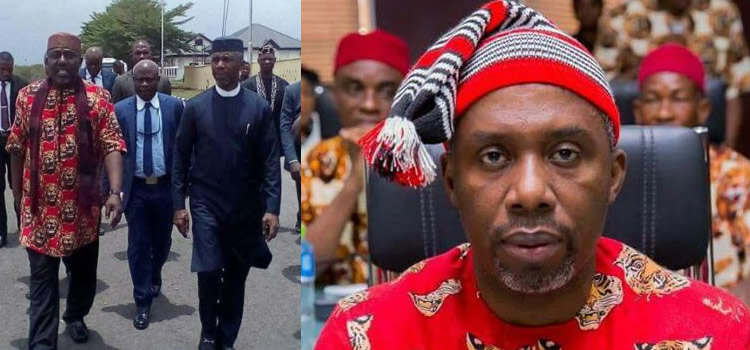
Come 2025, Fayose’s turning 65 — but he doesn’t stumble into the party blindly. He sends messengers: big names, serious players. One was Osita Chidoka (former Aviation Minister), tasked just to “sound Obasanjo out.”
When they finally met, there were smiles caught on camera, a sarcastic kind of warmth. The two men didn’t just stare each other down — there was a sense of calculation. For one moment, it looked like they might bury the hatchet. That was the setup.
But everyone in the room felt it: this “reconciliation” wasn’t just about love. It was about power, memory, and control. Fayose wanted Obasanjo in his corner — or at least, he needed to make sure his old rival wasn’t going to mess up his narrative again.
Potential Reconciliation vs. Continued Feud
Even with all the fire, there’s room for calm. Obasanjo’s forgiveness is loaded—it’s respect, authority, and subtle warning rolled into one. Publicly forgiving someone like Fayose is a way of keeping moral high ground, saying, “I control the story, I stay above petty grudges.”
But Fayose? Not done. He’s pressing old financial disputes, historical claims, and making sure people know his side. He’s reminding Obasanjo and everyone watching that nothing’s really closed until he says it’s closed. It’s a power move wrapped in audacity.
This tension—between letting things go and pushing history—shows how elite politics works. Private beefs become national spectacle. Every word, every pause, every social media echo matters. Reconciliation can coexist with defiance, and civility with provocation. The game isn’t simple; it’s a constant negotiation of perception.
And the generational factor is real. Obasanjo is old school, valuing legacy, hierarchy, and patience. Fayose is bold, confrontational, and thrives on visibility. When these approaches clash, you get drama that’s part theater, part strategy, and fully human. Even if a truce happens, the shadow of history ensures the story isn’t over.
Conclusion: The Bigger Picture
This isn’t just Fayose and Obasanjo throwing words at each other. It’s about Nigeria itself: legacy, respect, memory, and power. Old school experience meets bold defiance, and the public watches, reading every gesture, every pause, every loaded word.
History is a weapon, and reputation is currency. Obasanjo flexes calm authority. Fayose wields audacity like armor. Neither fully wins, neither fully loses. In elite politics, the upper hand is never static—it moves with perception, timing, and public opinion.
At the end of the day, their battle reminds us that influence isn’t just office or policy. It’s stories told, grudges remembered, and the subtle dance of human behavior. And if you’re watching closely, you’ll see: the upper hand isn’t about who speaks loudest—it’s about who controls the narrative, one carefully timed word at a time.