
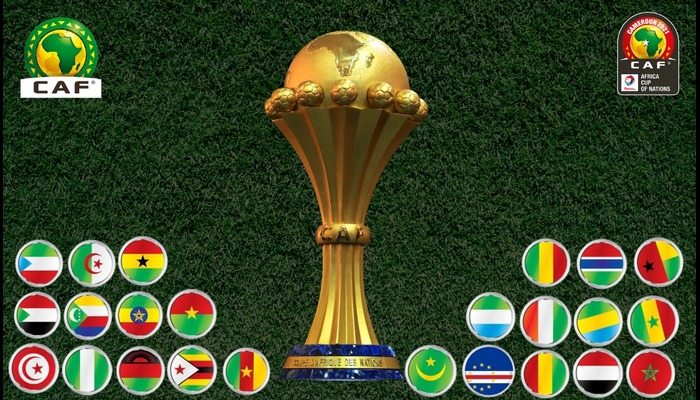
Africa Cup of Nations (AFCON) finals have often provided moments of high drama, national catharsis and enduring memories that stretch far beyond the final whistle.
Across more than six decades and 32 championship matches, the continent’s flagship football tournament has repeatedly delivered stories shaped by pressure, resilience and unexpected turns.
As the 2025 Africa Cup of Nations concluded in Rabat with hosts Morocco facing Senegal, supporters were reminded why finals occupy a special place in African football history.
That latest decider, already settled before Sunday, added another chapter after Senegal edged Morocco in a tightly contested encounter marked by tactical discipline, late chances and a charged atmosphere inside the stadium.
Morocco dominated early possession, but Senegal’s compact defence and quick transitions kept the contest balanced until the second half.
A decisive moment arrived after the interval when Senegal capitalised on a defensive lapse to score the winning goal, sealing the trophy amid muted home support and loud celebrations from travelling fans.
While the Rabat final will take its place in the records, several past finals continue to stand out for their emotion and lasting significance.
Ethiopia 4 Egypt 2 (1962)
The 1962 final remains the highest-scoring title match in AFCON history and one of its most dramatic.
Hosts Ethiopia twice came from behind against defending champions Egypt before forcing extra time in Addis Ababa.
Watched by an estimated 30,000 supporters packed into the stadium, the match swung repeatedly in momentum.
Mengistu Worku emerged as the central figure after scoring the equaliser six minutes from the end of normal time.
He completed the story by adding Ethiopia’s fourth goal two minutes before extra time expired.
The victory delivered Ethiopia’s only AFCON title and cemented the match as a landmark moment in the country’s sporting history.
Congo Brazzaville 3 Mali 2 (1972)
The 1972 final in Yaounde showcased one of the fastest momentum shifts ever seen in an AFCON decider.
Mali, appearing in their first final, led 1-0 at half-time and appeared in control.
Within seven minutes after the hour mark, Congo Brazzaville turned the match around with three goals.
Jean-Michel M’Bono struck twice in quick succession to swing the tie decisively.
Francois M’Pele added the third and was later named the tournament’s outstanding player.
The final crowned Congo Brazzaville champions for the first time and underlined the unpredictability of finals football.
Nigeria 2 Zambia 1 (1994)
The 1994 final in Tunis carried deep emotional weight following a national tragedy for Zambia.
Less than a year earlier, 18 members of the Zambian national team died in a plane crash off the coast of Gabon.
Against Nigeria, Zambia struck first through Elijah Litana after just three minutes.
The goal briefly lifted hopes among Zambian supporters inside the 25,000-capacity stadium.
Nigeria responded quickly as Emmanuel Amunike equalised two minutes later.
Amunike scored again early in the second half to secure Nigeria’s second AFCON title.
Despite defeat, Zambia’s journey to the final remains one of the tournament’s most poignant stories.
South Africa 2 Tunisia 0 (1996)
The 1996 final symbolised South Africa’s return to the international stage after decades of isolation.
Held in Johannesburg, the match was watched by a full house of 80,000 spectators.
It came just four years after the country was readmitted to international football following the end of apartheid-era bans.
Substitute striker Mark Williams changed the game after coming off the bench.
He broke the deadlock eight minutes after his introduction and scored again shortly afterwards.
President Nelson Mandela and the former state president, FW de Klerk, were in attendance as South Africa lifted the trophy.
Zambia 0 Ivory Coast 0 (2012)
The 2012 final in Libreville was defined by tension rather than goals.
Neither Zambia nor Ivory Coast found the net during regulation or extra time.
Ivory Coast captain Didier Drogba missed a penalty in normal time, sending his effort over the bar.
The match went to a shoot-out that stretched to 17 kicks.
Kolo Toure and Gervinho missed for Ivory Coast before Stoppila Sunzu converted the decisive penalty.
Zambia’s triumph was particularly symbolic as the final was played near the site of the 1993 air disaster.
As AFCON continues to evolve, each final adds to a growing archive of moments shaped by history, circumstance and performance.
From Addis Ababa to Rabat, the tournament’s showpiece matches have reflected the emotional power of football across the continent.
The conclusion of the 2025 final between Morocco and Senegal serves as a reminder that while tactics and talent change, the weight of the occasion remains constant.
For fans, these finals endure not only for the trophies awarded but for the stories that continue to be retold long after the celebrations fade.



Discussion about this post