
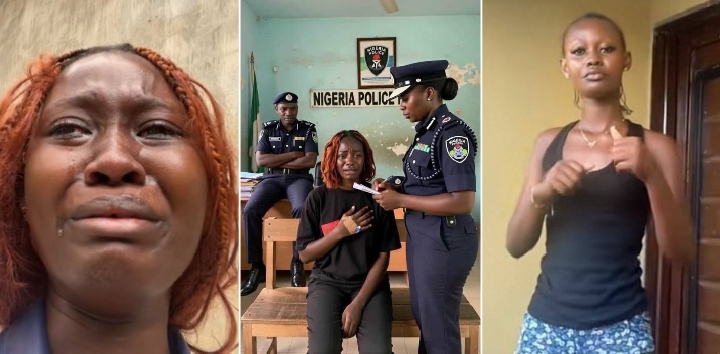
In February 2026, a case in Nigeria captured national attention and sparked widespread online debate, highlighting the complex intersection of social media influence, mental health, and criminal accountability. A viral claim of sexual assault made by a popular TikTok user known as Mirabel ignited conversations about public outrage, the responsibilities of digital platforms, and the pressures faced by young content creators. The rapid spread of information and misinformation across TikTok and other platforms magnified the societal stakes, drawing in commentators, legal experts, and ordinary citizens.
This incident raises pressing questions about the legal and ethical frameworks governing false allegations of serious crimes in Nigeria. Beyond the immediate social media storm, the case demonstrates the challenges authorities face in balancing the enforcement of the law with respect for mental health, due process, and the rights of those involved. It also underscores the broader implications for public trust in the justice system and for survivors of sexual violence.
By examining the legal grounds for prosecution, the investigative process, and the societal impact of Mirabel’s actions, it becomes possible to understand both the specific case and the larger dynamics at play in contemporary Nigerian society. This exploration illuminates how one viral incident can ripple through legal, cultural, and digital landscapes, shaping national conversation and influencing policy considerations.
The Facts of the Case
Mirabel, a Nigerian social media personality, went public in mid-February 2026 claiming she was raped in her Ogijo apartment. She alleged that an unknown man broke into her home and assaulted her. The claim quickly spread across TikTok, Twitter, Instagram, and other platforms, generating intense public attention and engagement. Social media users expressed both outrage and empathy, and some public figures called for immediate investigation and action to apprehend the alleged perpetrator.
Shortly after the claim went viral, a recorded phone conversation with popular online activist Verydarkman aka VDM surfaced online. In the recording, Mirabel reportedly admitted that the rape story was false. She confessed that she had fabricated parts of the story, including creating a separate TikTok account to send herself threatening messages to make the narrative appear authentic. She also indicated that she had been using drugs and was not thinking clearly when she posted the videos. According to her statements, emotional distress, panic attacks, and self-harm behaviors contributed to her decision to fabricate the allegation.
Following these revelations, the Ogun State Police Command announced that she would face investigation and potential prosecution after her medical care was completed. Early statements had suggested she was not yet in custody because she was receiving medical attention, but later clarifications confirmed that she was under police custody for investigation into the false claim. The police emphasized that the investigation would follow due process, ensuring that evidence is properly gathered before formal charges are brought.
Public reaction to the case has been intense. While some commentators expressed disappointment and anger over the fabricated allegation, others highlighted the need for mental health support, noting that individuals experiencing distress and panic attacks may not fully comprehend the consequences of their actions. Nigerian media personality Tacha criticized false claims, stating that such actions could undermine public trust in real survivors and called for the law to take its course. The case has ignited debates on the intersection of social media influence, mental health, accountability, and the proper functioning of the criminal justice system in cases involving false reporting.
Legal Grounds for Prosecution
The Nigerian legal framework provides multiple grounds under which a person who makes a false rape claim can be investigated and prosecuted. The key legislation includes the Criminal Code Act, applicable in southern states such as Ogun State, and the Penal Code applicable in northern states, alongside other statutes governing the reporting of false crimes.
Under the Criminal Code Act, giving false information to a public officer is an offense punishable by law. Section 243 of the Criminal Code Act stipulates that anyone who knowingly gives false information to a police officer intending to induce them to investigate or take action on a fabricated crime commits an offense. The law considers the gravity of the crime being falsely reported, and rape is categorized as a serious felony. Because Mirabel admitted to making the false report and creating fake supporting evidence, her actions meet the criteria outlined in this section.
Additionally, Section 409 of the Criminal Code Act addresses false accusations, specifying that any person who, with the intent to injure or cause harm, accuses another person of committing an offense knowing the allegation is false, can be prosecuted. In this context, the law is designed to protect innocent individuals from being subjected to criminal investigation or social stigmatization due to fabricated claims. Even though Mirabel’s actions did not target a specific individual, the creation of false evidence to simulate threats can be interpreted as an attempt to give credibility to a fabricated narrative, which still falls within the scope of false reporting.
Beyond the Criminal Code Act, Nigerian law also recognizes the importance of mental state in determining criminal liability. If Mirabel was found to have been suffering from a mental disorder, the courts would consider her condition during sentencing. This consideration does not automatically absolve responsibility but may influence the severity of the punishment or allow for medical interventions alongside or in place of traditional punitive measures. Her claims of panic attacks, emotional distress, and self-harm behaviors will likely be evaluated through medical and psychological assessments.
Investigative Procedures
The Ogun State Police Command has confirmed that Mirabel is now in custody as part of the ongoing investigation. Police investigations into false reporting cases typically involve verifying the statements made, cross-checking the timeline of events, and gathering digital evidence from devices, social media accounts, and communication records. In Mirabel’s case, her TikTok account, the secondary account she reportedly created, and the recorded conversation with VDM serve as crucial pieces of evidence.
The investigation also requires a careful review of her medical records and mental health evaluations. Nigerian law allows for a suspect to receive medical attention if needed, especially if psychological issues may have influenced their actions. Once the medical evaluation is complete, the police can formally arrest her and prepare charges for submission to the office of the Director of Public Prosecutions. The process ensures that due process is followed, preventing arbitrary arrests and guaranteeing the right to a fair trial.
Prosecution may involve multiple stages, including arraignment, presentation of evidence, and formal trial in a magistrate or high court. Lawyers representing the state will argue that her admission of fabricating the story, the creation of fake accounts to support the narrative, and her dissemination of false information to the public constitute offenses under Nigerian law. Defense counsel may present evidence of mental health struggles and impaired judgment as mitigating factors.
Social and Cultural Implications
The Mirabel case highlights the impact of social media on the reporting of serious crimes. Platforms like TikTok allow content to reach millions in hours, which can create intense public pressure before facts are verified. False claims can lead to wasted police resources, misdirected public outrage, and the erosion of trust in genuine survivors of sexual violence. Nigerian society is particularly sensitive to such issues because sexual assault reporting is already fraught with stigma, victim-blaming, and underreporting.
At the same time, the case underscores the growing awareness of mental health challenges. Her reported emotional distress, panic attacks, and self-harm behaviors reflect personal struggles that may have contributed to her actions. Experts argue that while such factors do not excuse illegal behavior, they do indicate the need for mental health interventions and social support systems alongside legal accountability. Public debate has emphasized balancing punishment with rehabilitation and ensuring that young social media users understand the consequences of viral actions.
Media personalities, legal commentators, and mental health professionals have engaged in discussions about the appropriate response. Some argue that Mirabel should face prosecution to maintain the integrity of the justice system and deter false reporting. Others advocate for integrating counseling and mental health support to address the root causes of such behavior and prevent future incidents. The discourse illustrates the complexity of responding to actions that are simultaneously illegal, socially impactful, and influenced by mental health conditions.
Historical Context of False Reporting Laws in Nigeria
Nigeria has long recognized the seriousness of false reporting through statutory provisions in the Criminal Code and the Penal Code. Historically, false allegations of crimes, particularly serious crimes like rape or murder, have been prosecuted to prevent injustice, social panic, and misallocation of law enforcement resources. Case law demonstrates that courts take into account the intent, knowledge of falsity, and social consequences when adjudicating these matters.
High-profile cases in previous decades have shown that public attention magnifies the consequences of false reporting. When allegations go viral, the pressure on law enforcement intensifies, sometimes leading to hasty action or miscommunication. Nigerian courts emphasize due process, requiring evidence, investigation, and legal representation to ensure that prosecutions are fair and justified. Mirabel’s case fits into this historical pattern, where false reports intersect with public interest, media amplification, and legal scrutiny.
Potential Legal Outcomes
If the investigation confirms that Mirabel knowingly fabricated her claim and disseminated false information to the police or public authorities, she may face multiple charges under Nigerian law. Convictions can result in fines, imprisonment, or both, depending on the seriousness of the offense and mitigating circumstances. Her mental health status may be considered as a factor in sentencing, possibly leading to medical or psychological interventions alongside conventional penalties.
The legal outcome will also serve as a precedent for social media accountability in Nigeria. As TikTok and other platforms become central to public discourse, the case underscores the importance of responsible digital behavior and awareness of the consequences of spreading false information. Prosecutors may use the case to signal that even viral content cannot circumvent the law, while simultaneously acknowledging the influence of emotional and psychological factors on individual behavior.
Public Discussion and Policy Considerations
The Mirabel incident has prompted national debate about the balance between protecting survivors, ensuring justice, and addressing mental health. Experts suggest that social media platforms should provide better resources for users experiencing emotional distress and that online communities should develop more cautious approaches to viral allegations. The Nigerian government has also emphasized the need for law enforcement to respond proportionately and within the rule of law, avoiding knee-jerk reactions to online outrage.
Policy discussions have included proposals for integrating digital literacy programs, mental health awareness, and clear communication from authorities about the consequences of false claims. The case also invites broader reflection on societal attitudes toward sexual violence, accountability, and rehabilitation. Maintaining public trust in both the justice system and social discourse requires careful management of high-profile cases such as this one.
Final Reflection
The case of TikTok user Mirabel in February 2026 represents a complex intersection of law, social media, mental health, and public perception. By admitting that her rape allegation was fabricated, she has placed herself under the scrutiny of Nigerian law, which criminalizes false reporting of serious offenses under the Criminal Code Act. Her actions, including creating fake evidence and disseminating false information to the public, satisfy the criteria for potential prosecution, while her reported emotional distress and mental health challenges will influence how authorities and the courts approach her case.
The Ogun State Police Command has confirmed her custody and ongoing investigation, and formal charges may follow after medical evaluation and evidence collection. The case underscores the need for a careful balance between legal accountability and consideration of mental health factors. It also highlights the societal implications of viral misinformation and the critical importance of safeguarding the integrity of reporting systems for serious crimes.
Mirabel’s situation illustrates the intersection of personal actions, public response, and legal accountability in a digitally connected society. The outcome will influence how false reporting, social media influence, and mental health considerations are addressed in Nigeria going forward, and it will serve as a reference point for policy, legal practice, and public discourse surrounding sensitive allegations in the digital age.




Discussion about this post