


On the Auchi Road in Edo State, August 2025, a familiar nightmare unfolded: commuters ambushed, gunmen dragging travelers into the bush, fear filling the air like exhaust.
But unlike many other episodes, this one gained national attention because of the unexpected response of Martins Vincent Otse, popularly known as Verydarkman, the controversial Abuja-based activist. Rather than retreat, he gave chase to the kidnappers, momentarily breaking their formation and enabling some travelers to escape.
His actions did not stop the attack, nor did they dismantle the larger kidnapping industry that has engulfed Nigeria. But the incident underscored two realities: the fragility of the Nigerian state’s control over its highways and the paradox of ordinary citizens stepping into voids where institutions have failed.
The Auchi attack was not an isolated crime; it was part of a national economy of abductions that has evolved over two decades—from the creeks of the Niger Delta to the forests of Zamfara, Kaduna, and now Edo.
This article traces that evolution, situates the Auchi incident within Nigeria’s broader kidnap-for-ransom industry, and examines why this crime has proven so enduring, lucrative, and destabilizing.
Origins: The Niger Delta Years

Nigeria’s modern kidnapping economy can be traced to the late 1990s and early 2000s, during the Niger Delta militancy. Armed groups like the Movement for the Emancipation of the Niger Delta (MEND) turned abductions of oil workers into a bargaining tool.
Initially political—demanding resource control and community development—the practice quickly morphed into financial extortion. Oil companies paid millions of dollars to secure their expatriates, creating a template: kidnapping as both message and marketplace.
Although an amnesty program in 2009 reduced large-scale militancy, the culture of ransom-taking did not vanish. It seeped into other parts of Nigeria, stripped of ideological cover and embraced as a business.
Boko Haram and the Shift to Terror
In 2009, a different kind of kidnapping emerged. Boko Haram’s insurgency, rooted in northeastern Nigeria, adopted abductions as part of its asymmetric warfare. Unlike Niger Delta militants, Boko Haram kidnappings carried a psychological weight. Victims were not just sources of ransom but also propaganda tools.

The 2014 Chibok schoolgirls kidnapping, in which over 270 girls were abducted, internationalized Nigeria’s kidnapping crisis. The global #BringBackOurGirls campaign highlighted both the brutality of the act and the state’s inability to secure its citizens. Though some girls were eventually released, often through ransom payments or prisoner swaps, the precedent was set: schools, villages, and highways could all become targets.
This phase transformed abduction into a strategy of terror, embedding it deeply in Nigeria’s conflict landscape.
Bandits and the Industrialization of Ransom
From around 2016, attention shifted to Nigeria’s Northwest and North-Central, where loosely organized “bandits” escalated kidnappings into a full-scale industry. Unlike Boko Haram, their motivations were primarily economic. Forested regions of Zamfara, Katsina, Kaduna, and Niger states provided sanctuaries for camps.
By 2020, the scale was staggering. SBM Intelligence estimated Nigerians had paid over $18 million in ransoms between 2011 and 2020. Victims ranged from wealthy elites to poor farmers. In 2021 alone, abductions included:
Kagara School Abduction (Niger State): 27 students and staff taken.
Jangebe Girls’ Abduction (Zamfara): Over 270 schoolgirls kidnapped.
Greenfield University (Kaduna): 20 students abducted, several killed when ransoms lagged.
These were not symbolic acts but carefully calibrated business models. Kidnap gangs developed tiered pricing: millions of naira for urban elites, hundreds of thousands for rural dwellers. In some cases, communities paid collectively to free dozens at once.
The impunity was glaring. Arrests were rare, prosecutions rarer. Each ransom payment strengthened the networks, allowing them to buy more weapons and expand their reach.
Highways of Fear: Abuja-Kaduna and Beyond
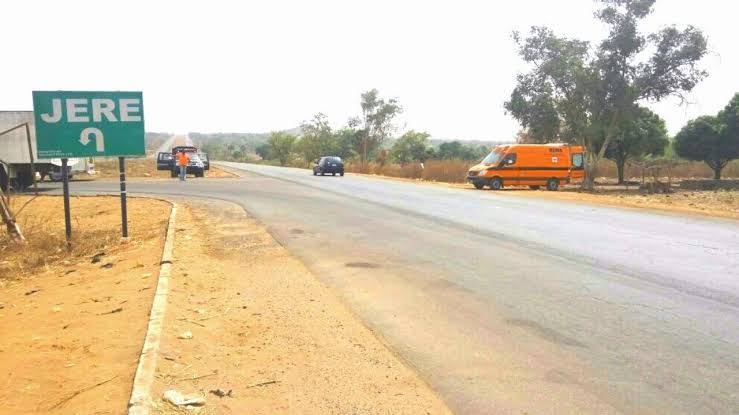
By the early 2020s, Nigeria’s highways had become synonymous with dread. The Abuja-Kaduna expressway emerged as the most infamous, with frequent ambushes, mass abductions, and deadly shootings. Travelers faced a choice between a road haunted by kidnappers and a rail line later attacked in March 2022, when terrorists bombed a train, killed passengers, and abducted scores.
This highway model spread. States such as Kogi, Niger, Ondo, Ekiti, and Edo began recording similar ambushes. The kidnappers’ logic was simple: roads concentrate victims, vehicles are easy to stop, and nearby forests provide quick escape routes.
By 2024–2025, the Auchi Road in Edo State joined the ranks of notorious routes. Its strategic location—linking Edo to Abuja and Lagos corridors—made it lucrative. Traders, students, clergy, and migrants became easy targets.
The Auchi Attack and Verydarkman’s Defiance
Against this backdrop, the Auchi Road attack of August 2025 was both typical and unique. Typical, because gunmen emerged from the forests to blockade vehicles, fire warning shots, and seize hostages. Unique, because of the presence of Verydarkman.

A cultural critic turned activist, he was no stranger to controversy, but few expected him to physically confront armed kidnappers. According to his narration and eyewitness corroboration, he bolted from his car and pursued the attackers, forcing them to scatter briefly his actions disrupted the rhythm of the operation.
For many Nigerians, it was symbolic: a lone unarmed civilian confronting what the state itself has failed to contain. Online, he was praised as embodying the courage many yearn to see from leaders and soldiers. But the symbolism also underscored tragedy: when everyday citizens must challenge kidnappers, it signals the depth of state failure.
The Business of Ransom
Kidnap-for-ransom persists because it is profitable and low-risk. The economics are straightforward:
Investment: Small arms, motorcycles, and safe houses in forests.
Revenue: Ransom payments ranging from ₦50,000 to over ₦100 million.
Risk: Minimal, given weak policing, porous borders, and fragile courts.
Negotiations often involve families selling land, communities pooling resources, or religious organizations mobilizing funds. Payments are sometimes made in cash drops in the bush, other times through intermediaries.
This economy undermines Nigeria in multiple ways: it drains households, deters road commerce, and erodes trust in government. Each ransom strengthens criminal groups, creating a cycle of dependency.
Why the Crisis Persists
Several factors explain the endurance of Nigeria’s kidnapping epidemic:
1. Weak Security Architecture – Underpaid police, overstretched military, and inadequate intelligence.
2. Vast Ungoverned Spaces – Forest belts like Rugu, Kamuku, and now Edo’s dense corridors allow kidnappers to vanish.
3. Judicial Ineffectiveness – Arrests rarely lead to convictions. Cases collapse in weak courts.
4. Economic Desperation – Youth unemployment and rural poverty fuel recruitment.
5. Community Complicity – Some locals act as informants or suppliers to kidnap gangs.
These structural conditions make ransom-taking one of Nigeria’s most resilient shadow economies.
Southern Creep: Why Auchi Matters
The Auchi attack is significant beyond Edo State. It signals the southward creep of the crisis. What was once framed as a northern or middle-belt phenomenon is now penetrating the South-South and South-West.
Edo is a trade hub, connecting North to South. Its forests provide both cover and access to highways. Analysts warn that unchecked expansion into Edo, Ondo, and Ekiti could destabilize southern Nigeria, replicating the patterns seen in Zamfara and Kaduna.
Courage and Collapse
The image of Verydarkman sprinting after kidnappers on Auchi Road is both inspiring and sobering. Inspiring, because it shows that ordinary citizens are not entirely broken by fear. Sobering, because it reflects how far the state has receded. No modern nation should rely on activists to perform the functions of armed forces.
Courage, no matter how symbolic, cannot substitute for institutional reform. Nigeria requires coordinated action: investment in policing, technology-driven surveillance, intelligence sharing, judicial reform, and economic programs that reduce the lure of kidnapping as a livelihood.
Conclusion
The Auchi Road attack was not just another statistic in Nigeria’s long kidnapping saga. It illuminated the fragility of road security, the expansion of ransom economies into new territories, and the paradox of citizens like Verydarkman embodying the resistance that the state has failed to muster.
Kidnap-for-ransom in Nigeria has evolved—from Niger Delta militancy, to Boko Haram terror, to bandit industrialization, and now to southern highways like Auchi. Each phase has been marked by profit, impunity, and human suffering.
Until Nigeria confronts the systemic roots—weak security, poor governance, and economic despair—the highways will remain gauntlets of fear. And acts like Verydarkman’s bravery, while remarkable, will stand as fleeting sparks against a deepening darkness.
Discussion about this post