

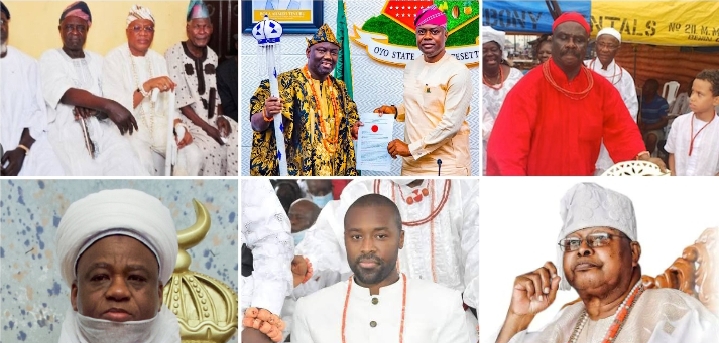
Power, in Nigeria’s monarchies, has never flowed as smoothly as the gold-embroidered crowns suggest. Behind the gilded palaces and elaborate coronations, many thrones have been stained with rivalry, betrayal, and battles not fought with swords, but with bloodlines and petitions.
The struggle is rarely between kingdoms—it is almost always within. Brothers become adversaries, cousins drag each other to court, and ruling houses split into factions over who has the divine right to wear the crown.
From the ancient palaces of Benin and Lagos to the northern emirates of Zazzau and Sokoto, royal families have been torn apart by succession disputes that shaped the course of tradition and politics. These feuds were not just family quarrels; they spilled into streets, stirred protests, and at times destabilized entire communities.
In this exploration, we dive into eight of the most dramatic internal royal family feuds in Nigeria’s history—fact-based accounts of crowns contested, thrones delayed, and monarchies reshaped from within.
1. Benin Kingdom – The Ogiamien Crisis (2016)
The Benin Kingdom is synonymous with cultural grandeur. The Oba’s palace is both a spiritual axis and a political heart, steeped in traditions older than colonialism. Yet in 2016, its rhythm faltered—not because of external invasion, but because of an alleged impostor’s audacity.
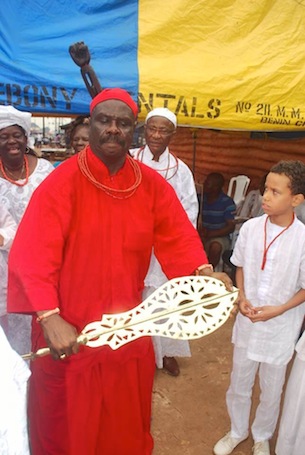
Arisco Osemwengie emerged from the shadows, boldly declaring himself the Ogiamien of Benin, a hereditary title critical to the coronation rites of a new Oba. His claim was not only dramatic but also sacrilegious in the eyes of the true Ogiamien family.
The family quickly issued a fiery rebuttal. Samuel Ogiamien, speaking for the descendants of Obazee N’orie Ogiamien, publicly disowned Arisco. They filed a court case and sent a petition to the Crown Prince, denouncing him as “neither connected to our families nor the legitimate person to assume the title.” The rightful heir, they insisted, was Osarobo Ogiamien, who lived in exile.
The scandal threatened to overshadow the coronation of Oba Ewuare II, and for a brief moment, Benin risked seeing its ancient enthronement rituals marred by controversy. This feud was a reminder that the weight of tradition can collapse under the ambition of individuals seeking shortcuts to history.
2. Lagos – Suenu vs. Magbamiloruko (1888–2023)
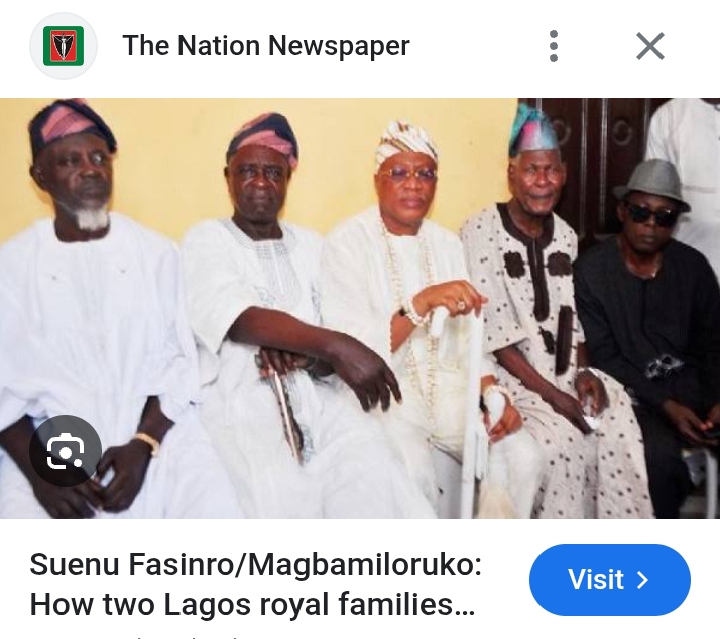
Few rivalries have endured as long as the rift between the Suenu and Magbamiloruko families of Lagois. Their quarrel began in 1888 when Chief Fasinro Suenu clashed with his sibling over the legitimacy of a capping ritual. The feud was so bitter that a phrase—“Magbamiloruko” (don’t steal my name)—became a permanent identity marker for one branch of the family.
For more than a century, the two houses lived estranged, refusing to recognize each other at ceremonies or within the broader Oloto royal family of Lagos. Generations were born into enmity, inheriting bitterness like an unwanted heirloom.
Then, in December 2023, history bent toward reconciliation. At the Suenu Palace in Isale-Eko, descendants of both branches gathered in a ceremony that drew applause, prayers, and tears. For the first time in 135 years, the families embraced, calling each other “lost ribs” reunited.
The reunion was more than symbolic. In a city where royal identity shapes politics, property, and prestige, this healing represented an opportunity to reclaim fractured heritage. It showed that not all royal feuds end in bitterness—some end with forgiveness.
3. Oyo Alaafin Succession Dispute (2022–2025)
The Alaafin of Oyo is not just a king; he is the custodian of an imperial memory. The Alaafin’s palace, with its vast courtyards and ancient walls, embodies centuries of Yoruba resilience and grandeur. But after the death of Oba Lamidi Adeyemi III in 2022, Oyo descended into one of its fiercest succession crises in recent memory.
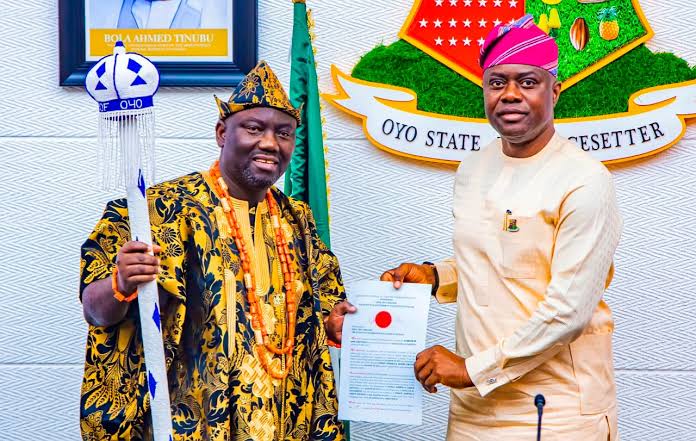
Dozens of princes across multiple royal families submitted claims. When Governor Seyi Makinde approved Prince Abimbola Owoade as the 46th Alaafin in January 2025, instead of uniting the families, the appointment split them apart.
Nine royal families rejected the process, accusing the kingmakers of exclusion and bias during the traditional seclusion rites. Petitions, protests, and public debates followed.
At the heart of the dispute lies the Alaafin’s symbolic role as “first among equals” in Yorubaland. For some princes, the battle was not merely about succession—it was about the dignity of their bloodline. The new Alaafin, aware of the tensions, was urged to embark on reconciliation tours to soothe wounded factions.
Oyo’s struggle revealed a truth echoed across monarchies: the throne is never just inherited; it is contested, argued, and fought over within bloodlines.
4. Zazzau Emirate – Succession Battle (2020)
Northern Nigeria’s emirates are steeped in tradition, where kingmakers play a sacred role in choosing successors. But in September 2020, the death of Emir Shehu Idris of Zazzau (Zaria) sparked a storm.
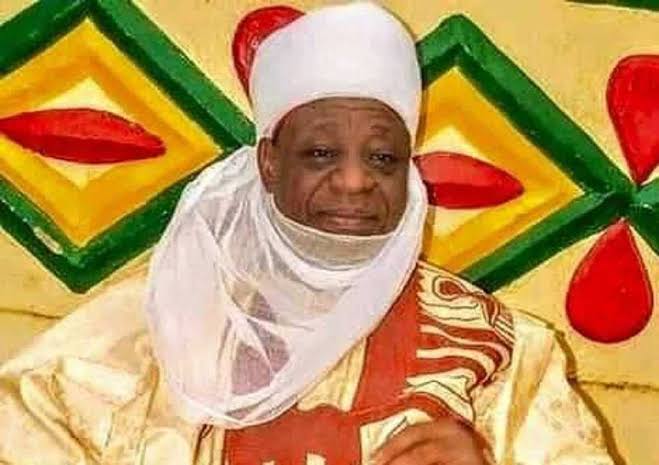
The kingmakers shortlisted three princes—Iyan Zazzau Bashir Aminu, Yeriman Zazzau Munir Ja’afaru, and Turakin Zazzau Aminu Idris. Their choice leaned toward Bashir Aminu, the Iyan Zazzau. Yet, Governor Nasir El-Rufai rejected the list and appointed Ambassador Ahmed Nuhu Bamalli from the Mallawa ruling house.
The decision ignited fury. Bashir Aminu dragged the government to court, accusing El-Rufai of overriding tradition. Within palace walls, families splintered—some backing the governor’s choice, others rallying around Aminu.
The case underscored the delicate balance between tradition and politics. In Zazzau, the battle for the turban was not just about family pride—it was about whether ancient authority could withstand modern state interference.
5. Sokoto Sultanate – Post-Maccido Feud (2006)
October 2006 brought tragedy to Sokoto. Sultan Muhammadu Maccido, revered as both a spiritual leader and traditional monarch, perished in the ADC plane crash that killed over 90 people. His sudden death left the Sultanate in mourning—and turmoil.
Tradition reportedly dictated that his son, Muhammadu Maccido Jr., should be a strong contender. But instead, the throne passed to Sa’adu Abubakar, younger brother of the late Sultan.
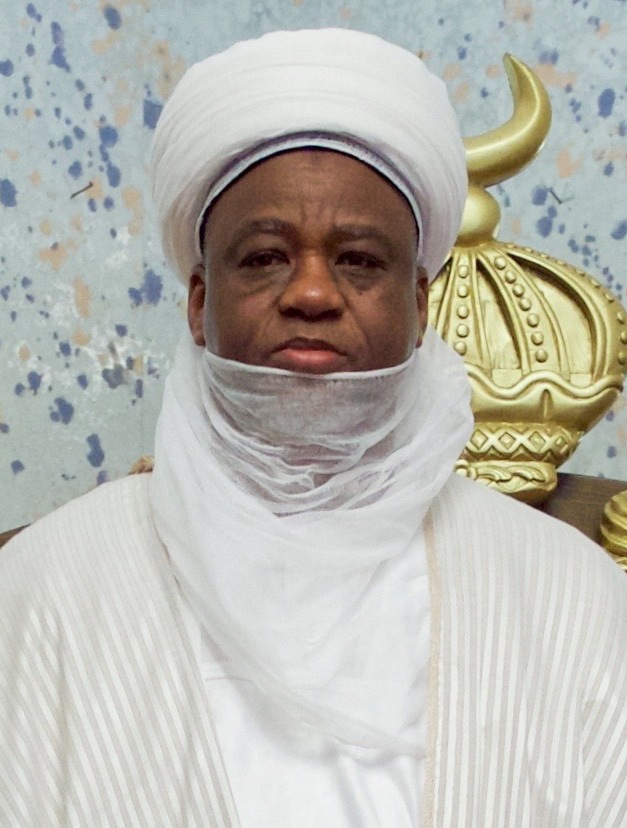
The decision fractured the family. Supporters of Maccido Jr. accused kingmakers of betrayal, while Sa’adu’s camp defended his appointment as continuity. Lawsuits ensued, and bitterness simmered for years.
For Sokoto, this feud was a scar on a lineage that had prided itself on stability. It demonstrated how even the most sacred thrones are vulnerable when tragedy strikes and succession becomes contested.
6. Ijebu Kingdom – Succession Tensions under Awujale (2005–2006)
The Awujale of Ijebu-Ode, Oba Sikiru Adetona, was a monarch unlike most. Reform-minded and outspoken, he sought to modernize royal succession and reduce disputes. But his reforms became a battleground.
Between 2005 and 2006, rival princes accused the Awujale of manipulating succession rules to favor certain families. Petitions flew back and forth, and legal battles emerged over his authority.
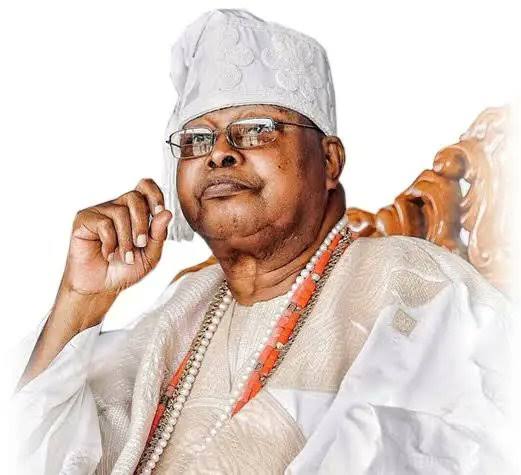
Though no open dethronement occurred, the internal tensions highlighted the fragility of even reformist monarchies. The Ijebu throne, one of the most respected in Yorubaland, became a symbol of how modernization often collides with tradition.
Awujale Adetona eventually calmed the storm, but the episode left behind whispers of family rivalries and unspoken grudges.
7. Warri Kingdom – Olu Succession Crisis (2021)
In the oil-rich Niger Delta, the throne of the Olu of Warri commands immense reverence. When Olu Ikenwoli Godfrey Emiko died in December 2020, the Itsekiri kingdom spiraled into turmoil.
The kingmakers announced Prince Tsola Emiko as Olu-designate. But rivals challenged his eligibility, citing his mother’s Yoruba heritage. Lawsuits were filed, and petitions spread across the Niger Delta, accusing the selection committee of breaking tradition.
The feud grew tense. On the day of his installation in August 2021, factions attempted to disrupt ceremonies. Yet, amid protests and controversy, Tsola Emiko was crowned the 21st Olu of Warri.
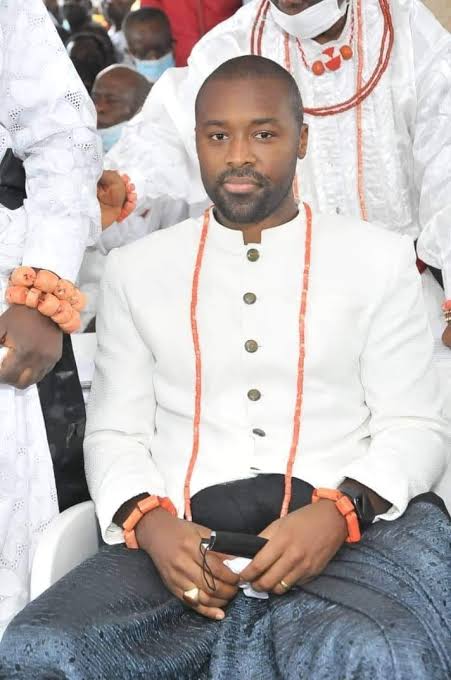
His ascension was a reminder that ethnic identity, maternal lineage, and internal politics could all converge to test royal legitimacy.
8. Bauchi Emirate Feud (2019)
In July 2019, the emirship of Bauchi became a family battlefield. Governor Bala Mohammed approved the appointment of Rilwanu Adamu as Emir of Bauchi.
But rival branches of the Abubakar family erupted, accusing the selection process of bias. Petitions were sent to traditional councils, lawsuits loomed, and accusations of political interference grew louder.
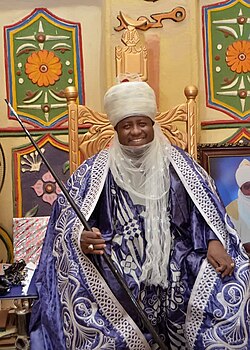
Though Rilwanu was confirmed as Emir, the bitterness lingered. Within palace circles, divisions persisted, showing that even in northern emirates where loyalty runs deep, royal families are not immune to fractures.
Conclusion: Thrones Divided, Thrones Enduring
Across Nigeria, monarchies endure as symbols of heritage and unity. Yet, within palace walls, they are also human institutions—vulnerable to jealousy, rivalry, and ambition.
In Benin, an alleged impostor nearly disrupted centuries-old rituals.
In Lagos, a feud lasted over a century before forgiveness prevailed.
In Oyo, princes contested not just a throne but the dignity of their bloodlines.
In Zazzau and Sokoto, politics and tragedy turned succession into bitter wars.
In Ijebu, modernization sparked revolt.
In Warri, lineage and ethnicity became weapons of legitimacy.
In Bauchi, rival petitions fractured a family’s unity.
The lesson is clear: Nigerian monarchies may wear the garments of tradition, but beneath the crowns beat human hearts—ambitious, proud, and fragile. For every coronation filled with drums and dances, there are quiet wars, whispered betrayals, and scars that linger long after the crowns are polished.
Discussion about this post