
Sunday, March 1, 2026
  • REPORT A STORY
  • PRIVACY POLICY
  • CONTACT
WITHIN NIGERIA
  • HOME
  • FEATURES
  • NEWS
  • ENTERTAINMENT
  • FACT CHECK
  • MORE
    • VIDEOS
    • GIST
    • PIECE (ARTICLES)
No Result
View All Result
WITHIN NIGERIA
  • HOME
  • FEATURES
  • NEWS
  • ENTERTAINMENT
  • FACT CHECK
  • MORE
    • VIDEOS
    • GIST
    • PIECE (ARTICLES)
No Result
View All Result
WITHIN NIGERIA
No Result
View All Result
  • HOME
  • FEATURES
  • NEWS
  • ENTERTAINMENT
  • FACT CHECK
  • MORE

Why there will be no stable power in Nigeria in the next 5 years – Electricity distributors

by Ola Peter
July 25, 2018
in National
Reading Time: 1 min read
A A
0
Share on FacebookShare on Twitter

Mr Sunday Oduntan, the Executive Director, Research and Advocacy of Association of Nigerian Electricity Distributors, ANED disclosed this at a news conference in Lagos on Tuesday.

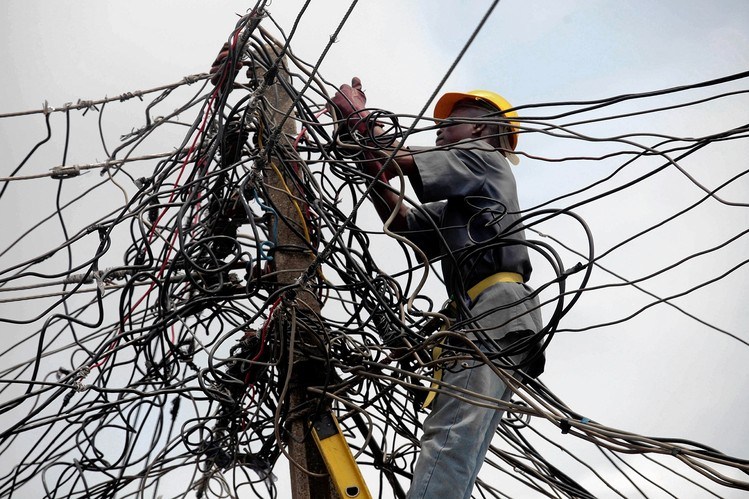
According to Oduntan, there are challenges inhibiting power sector efficiency and they include liquidity gap of N1.3 trillion, lack of improved generation due to mismatched electricity pricing, lack of much needed investment in transmission and distribution network and rising energy theft among others.

“Except these challenges are addressed, we may not have stable power supply in the next five years,’’ he said.

Oduntan said that the illiquidity in the sector must be prioritised because the sector could not afford to collapse.

READ ALSO

DIGITAL FRONTIER: Can artificial intelligence tackle vote buying in 2027?

PERSPECTIVE: Kwankwaso and the consequences of constructive dissent

Kwara Massacre, Electoral Act Protests: Events, Incidents That Shaped February In Nigeria

SCREENING CHECKLIST: Requirements for 2026 police constable recruitment

“Tech, Rights, Welfare, …”: Nigerians Set Expectations for Acting IGP, Tunde Disu

“If the power sector collapses, many banks will collapse because in 2013 during privatisation, only one Distribution Company obtained foreign loan, others took loans from local banks in dollars.

“Privatisation was based on 30 per cent equity and 70 percent loan.

“The model was borrowed from New Delhi, India and it is working as we speak. If it is successful in India, why is it not working in Nigeria,’’ he added.

READ: EFCC begins investigation into Obasanjo’s $16bn power project

Oduntan decried the prevalent non-reflective tariff and called on the government to prevail on the military, Ministries, Department and Agencies (MDAs) to pay for energy consumed.
RELATED STORYPosts

National

DIGITAL FRONTIER: Can artificial intelligence tackle vote buying in 2027?

by Abdulsalam Abdullahi Opeyemi
March 1, 2026
National

PERSPECTIVE: Kwankwaso and the consequences of constructive dissent

by Abdulsalam Abdullahi Opeyemi
March 1, 2026

Discussion about this post

JUST IN

Anambra govt, Egbetokun’s son and the scandalous N100 million bank transfer

by Afolabi Hakim
15:35 Feb 27, 2026

The clarification of the police image maker would have seemed plausible and…

WITHIN NIGERIA

WITHIN NIGERIA MEDIA LTD.

NEWS, MULTI MEDIA

WITHIN NIGERIA is an online news media that focuses on authoritative reports, investigations and major headlines that springs from National issues, Politics, Metro, Entertainment; and Articles.

Follow us on social media:

CORPORATE LINKS

  • About
  • Contacts
  • Report a story
  • Advertisement
  • Content Policy
  • Privacy Policy
  • Terms
 
  • Fact-Checking Policy
  • Ethics Policy
  • Corrections Policy
  • WHO IS WITHIN NIGERIA?
  • CONTACT US
  • PRIVACY
  • TERMS

© 2022 WITHIN NIGERIA MEDIA LTD. designed by WebAndName

No Result
View All Result
  • HOME
  • FEATURES
  • NEWS
  • ENTERTAINMENT
  • FACT CHECK
  • MORE
    • VIDEOS
    • GIST
    • PIECE (ARTICLES)

© 2022 WITHIN NIGERIA MEDIA LTD. designed by WebAndName