
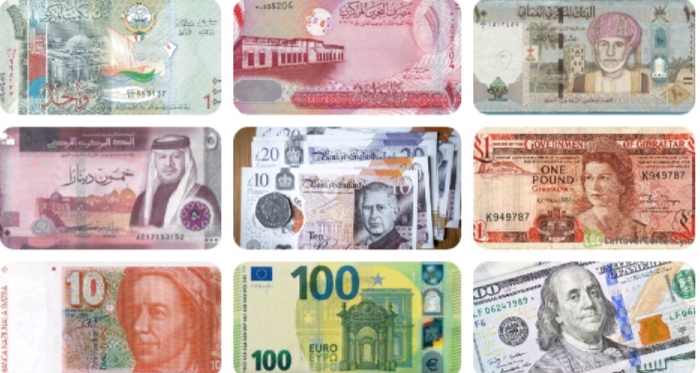
According to Merriam-Webster, currency can be defined as a medium of exchange or paper money in circulation.
Analysts posited that the value of a country’s currency can be determined efficiently through trading, natural resources, strong monetary policies, economic strength, financial stability, and market optimism.
The naira is the official currency of Nigeria. According to data obtained from the Central Bank of Nigeria (CBN), the naira traded at N1,480/$, continuing the positive trajectory that began in early September when it opened at N1,526.09/$.
Some Nigerians believe that the dollar ($) being a universal currency and its domineering or dominating state over the naira makes it the strongest currency in the world.
Here are top 10 strongest currencies in the world:
Kuwaiti Dinar (KWD)
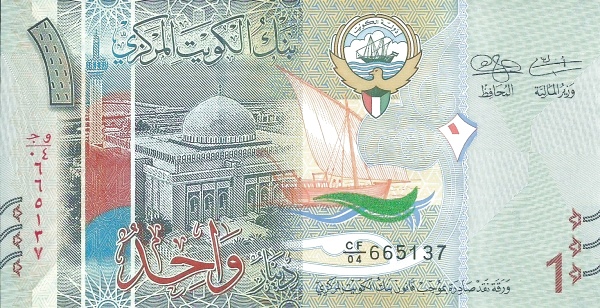
The Kuwaiti Dinar (KWD) was launched in 1961. The currency is widely considered to be the strongest in the world. The currency’s dominance is said to be due to Kuwait’s large oil reserves, strict fiscal management, and one of the world’s most robust sovereign wealth funds.
Bahraini Dinar (BHD)
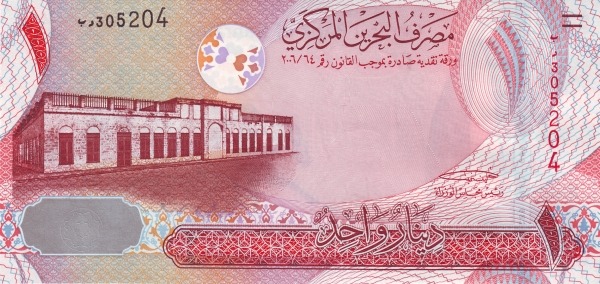
The Bahraini Dinar (BHD) was introduced in 1965. According to reports, the currency is still among the world’s most valuable. The strength of the currency comes from Bahrain’s oil-driven economy. This is purportedly completed by financial services and tourism. It is thought to be tied to the US dollar.
Omani Rial (OMR)
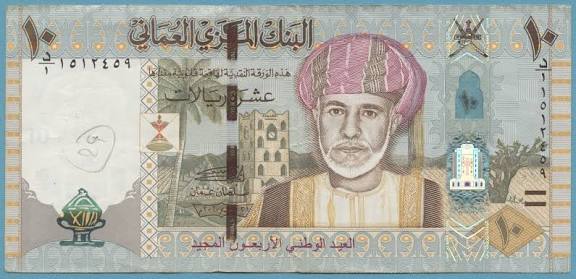
The Omani Rial (OMR) was introduced in 1970. The currency reportedly reflects Oman’s oil wealth and prudent economic policies. Economists claimed that ongoing diversification efforts such as investments in trade and logistics, have further reinforced its high standing in global markets.
Jordanian Dinar (JOD)
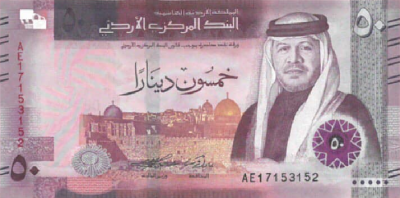
The Jordanian Dinar (JOD) was introduced in 1950. Despite regional issues, the currency has remained remarkably stable. The currency’s strength originates from prudent fiscal policies and a diverse economy that includes banking, pharmaceuticals, and tourism.
British Pound Sterling (GBP)
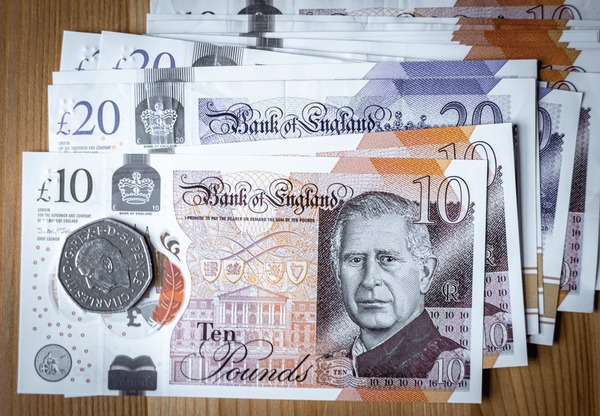
The British Pound Sterling (GBP) was officially introduced in 1707. The pound was once a unit of weight equal to one pound of silver. It is among the oldest and most widely traded currencies. It is a global standard for stability and trustworthiness. The currency’s strength is bolstered by the UK’s financial services sector, political stability, and long-standing reputation in global trade.
Gibraltar Pound (GIP)
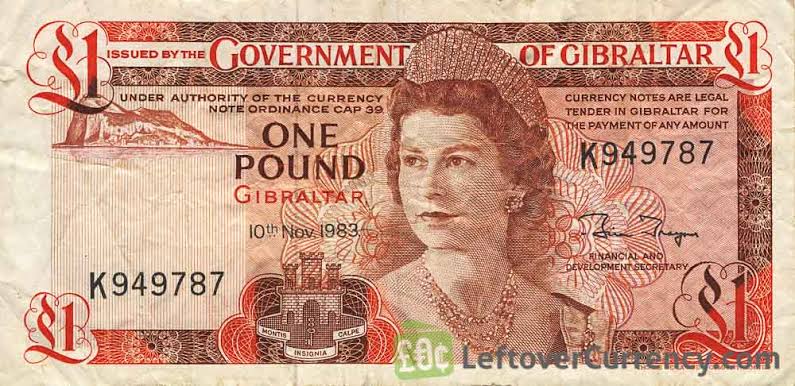
The Gibraltar Pound was launched in 1934. It is apparently tied to the British pound sterling at par. Gibraltar’s currency reflects the country’s financial stability and position as a major hub for global commerce and finance.
Swiss Franc (CHF)
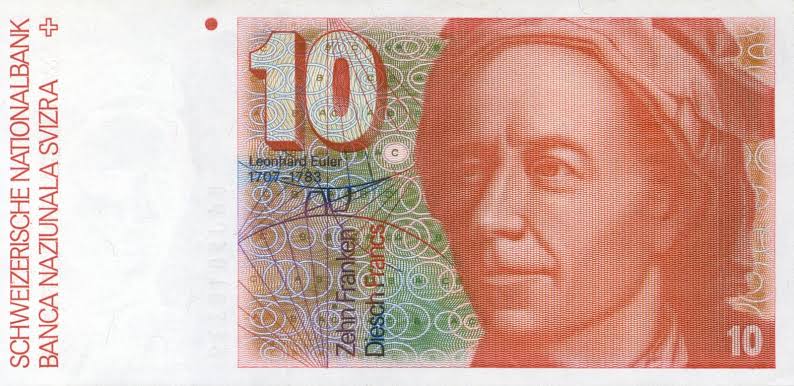
The Swiss Franc is often regarded as a safe-haven currency. Switzerland’s strong economy, low unemployment, advanced banking industry, and political neutrality all contribute to its reputation as a reliable store of value around the world.
Cayman Islands Dollar (KYD)
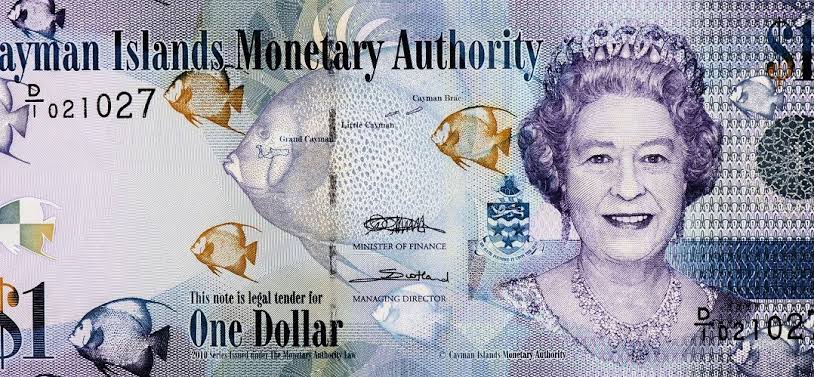
The Cayman Islands Dollar (KYD) was introduced in 1972. The currency benefits from the country’s position as a top offshore financial center. It represents the Island’s strong economic basis with zero direct taxation and a robust tourism industry.
Euro (EUR)
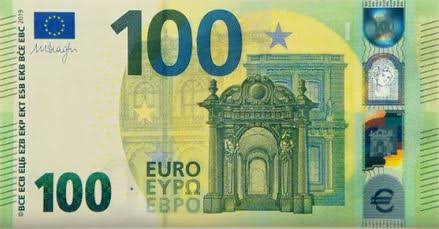
The euro (EUR) was launched in 1999. The currency symbolizes 20 European Union member states. According to reports, it is the second most traded currency in the world. The currency reflects the Eurozone’s combined economic might. It is supported by a varied range of sectors and a high GDP production.
United States Dollar (USD)
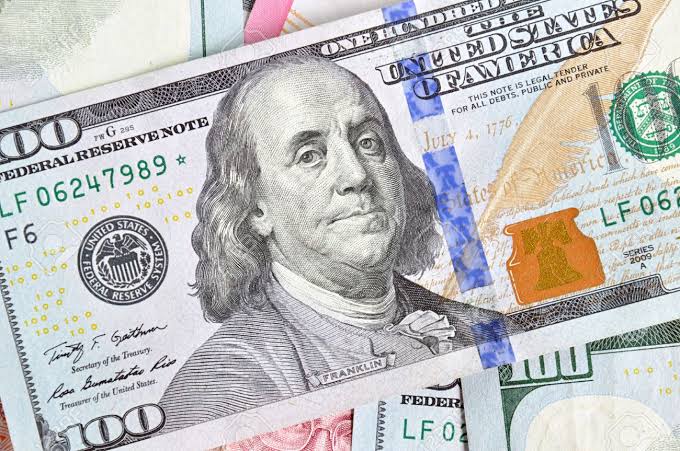
The US dollar (USD) was introduced on July 6, 1785. The United States Congress adopted the dollar as the official currency. It is the world’s most widely traded and dominating reserve currency. The dollar’s strength arises from the size of the American economy, worldwide trade power, and public confidence in the safety of US financial systems.




Discussion about this post