
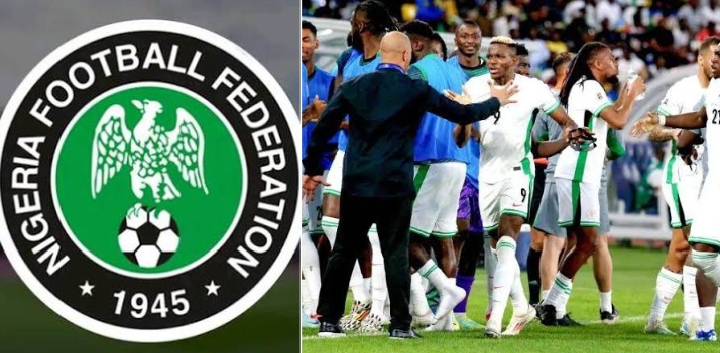
The tension in Abuja’s training camp wasn’t audible at first, yet it weighed heavily over every movement. The Super Eagles, Nigeria’s pride on the football pitch, had gathered for what should have been routine preparations for a crucial World Cup qualifier. But whispers of unpaid allowances, delayed bonuses, and broken promises swirled like a storm cloud ready to burst. Coaches, staff, and players exchanged guarded glances, each aware that the unity of the team was fraying at the edges.
Financial disputes have a way of revealing deeper cracks, and the one unfolding in the Super Eagles camp was no exception. Months of delayed payments, compounded by bureaucratic inefficiencies, had pushed the players to the brink. Behind the disciplined training schedules and national pride lay a simmering frustration—a sense of betrayal that loyalty to the green and white jersey might not be reciprocated in the form of fair treatment.
The stakes extended far beyond personal grievances. The national team carries the weight of expectations from a country obsessed with football. Every match, every qualifier, every tournament represents not just athletic prowess but national identity, pride, and hope. Yet, the recurring disputes with the NFF threatened to overshadow even the most significant victories, casting long shadows over preparations and performance.
Fans, meanwhile, observed the tension unfold with growing concern. The Super Eagles had a reputation for resilience on the pitch, but the off-field turbulence posed questions about the team’s stability. Could the players maintain focus, or would unresolved financial disagreements derail their quest for glory? The answers lay not on the pitch but in the corridors of the NFF, where administrative decisions—or indecisions—had set the stage for repeated conflict.
The First Rift: Early 2000s Bonus Disputes
By the early 2000s, patterns were beginning to emerge. The Super Eagles had just returned from an African Cup of Nations campaign, a tournament that showcased their skill but also highlighted the fragility of their off-field arrangements. Reports surfaced of delayed allowances, causing friction between players and the NFF. The promise of victory often came with a caveat: the reward was rarely immediate, leaving players to navigate uncertainty.
Veterans of the squad recounted stories of long waits for win bonuses, often receiving only partial amounts or being caught in bureaucratic limbo. Administrative lapses, coupled with limited transparency from the federation, created an atmosphere where distrust became routine. Players learned to anticipate delays as part of their professional experience, while the NFF maintained that financial hurdles, including delayed government allocations, were largely unavoidable.
The repercussions extended beyond finances. Team morale wavered during training sessions as whispers of arrears circulated. Coaches struggled to maintain focus on tactical preparations while players’ minds lingered on what they were owed. Every strategy session, every drill, carried an undercurrent of tension that few outsiders could perceive but insiders felt acutely.
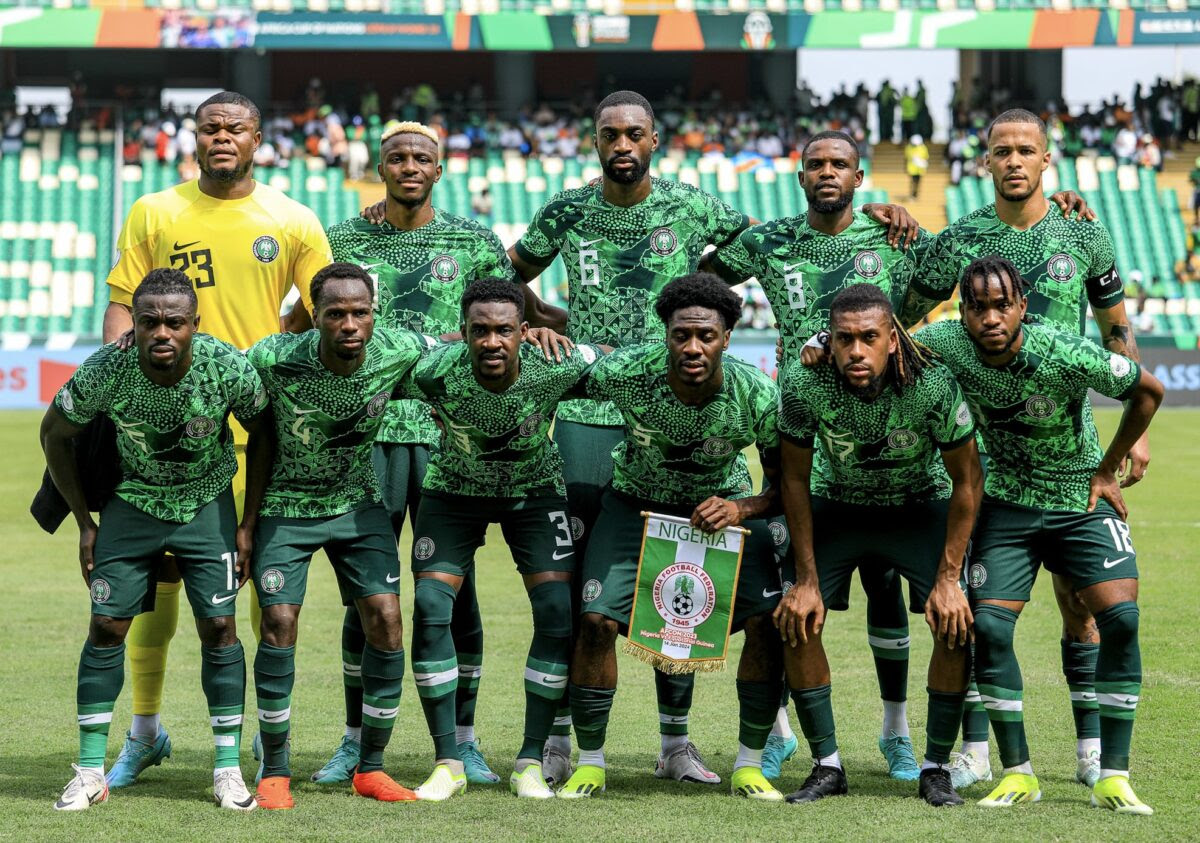
Fans, too, began noticing the strain. While stadiums cheered on their heroes, social media and fan forums were abuzz with speculation about internal disagreements. Analysts observed that these disputes could subtly influence performance, particularly in high-stakes matches where concentration and cohesion are paramount. The early 2000s set a precedent: even as the team soared on the pitch, administrative turbulence lingered beneath the surface.
The 2010s: Escalating Tensions and Public Scrutiny
As the new decade unfolded, the disputes became more public. In 2013, the Super Eagles faced challenges with unpaid allowances ahead of crucial international fixtures. Players increasingly voiced frustrations, though often through controlled channels to avoid sanctions. The media, however, seized on every hint of discord, amplifying the narrative of a fractured relationship between Nigeria’s football stars and the federation.
Several incidents marked the period. Bonus payments promised after qualifying victories were delayed, sometimes for months. Players expressed dissatisfaction quietly at first, but eventually some opted for partial training boycotts, signaling a shift in tactics. The NFF faced criticism not just from players but from fans, former national team members, and sports journalists who highlighted governance lapses and financial mismanagement.
Administrative missteps were not limited to bonus payments. Contractual ambiguities, lack of clarity regarding allowances, and inconsistent communication channels exacerbated tensions. Foreign coaches were sometimes caught in the middle, attempting to mediate while also managing their own contractual concerns, including tax obligations. These layers of complexity created a volatile environment that repeated itself in subsequent years.
Despite the unrest, the Super Eagles’ performance on the field remained relatively strong, highlighting their resilience and professionalism. However, observers noted that recurring off-field conflicts placed additional strain on the team, diverting attention from preparation and strategy. Analysts began arguing that the financial mismanagement by the NFF was not just an administrative issue—it directly impacted Nigeria’s standing in continental and global football.
2019: The Bonus Standoff That Shocked the Camp
The summer of 2019 arrived with a sense of anticipation that quickly soured. The Super Eagles had just secured a hard-fought victory over Burundi in an Africa Cup of Nations qualifier, yet the celebrations were muted. Promised win bonuses had not materialized, and murmurs among players grew louder each day. What began as private complaints in hotel corridors and training rooms soon escalated into an organized standoff, highlighting cracks that had been quietly widening for nearly two decades.
Coaches attempted to mediate, appealing to the players’ sense of national duty, yet the frustration was palpable. Veteran players, many with years of experience navigating bureaucratic obstacles, felt a familiar pang of exasperation. Younger talents, still discovering the pressures of international duty, absorbed the tension like sponges. For them, the deferred payments were more than money—they symbolized the gap between professional expectation and institutional reality.
Public scrutiny intensified as journalists caught wind of the dispute. Headlines splashed across newspapers and online portals chronicled the saga: “Super Eagles in Bonus Dispute Ahead of Guinea Clash.” Social media amplified the narrative, with fans divided between empathy for the players and criticism of perceived unprofessionalism. The NFF, for its part, cited administrative delays and cash flow issues, yet the justification did little to soothe the embattled squad.
The standoff ended after several tense days, with partial payments delivered and promises made for the remainder. Relief was tangible but fleeting; the episode reinforced a recurring pattern. Players returned to training with cautious optimism, aware that the next dispute was never far off, lurking like a shadow over future victories and preparations.
2020–2022: The Quiet Pressure Behind the Headlines
The early 2020s brought new challenges, though many were overshadowed by global events. The COVID-19 pandemic disrupted international football, yet administrative tensions persisted beneath the surface. Players reported delays in allowances, travel stipends, and training compensation, often receiving only piecemeal explanations. These small frustrations compounded over time, creating a sense of simmering discontent that rarely reached public view but was deeply felt within the camp.
Coaches and management struggled to maintain morale amid uncertainty. Even routine training sessions carried an unspoken tension, with players exchanging glances over unpaid stipends or delayed reimbursements. The financial mismanagement of the NFF became a recurring undercurrent in strategy discussions, impacting not only motivation but also trust. Players increasingly wondered whether loyalty to the national team was being met with reciprocal respect and timely support.
Off the pitch, analysts began to note patterns in the NFF’s handling of the Super Eagles. Bureaucratic inefficiency, unclear communication channels, and a tendency to delay payments until last-minute interventions created a climate of unpredictability. For players preparing for major tournaments or crucial qualifiers, this uncertainty was more than a nuisance—it was a psychological burden that could affect focus, cohesion, and ultimately performance.
Despite these tensions, the Super Eagles continued to perform admirably on the international stage. Their professionalism became a silent testament to their dedication, highlighting a stark contrast between player commitment and administrative failings. Each game became not just a competition against an opponent, but a delicate balancing act against internal turbulence, testing patience and resolve.
2019–2023: Escalation into Public Disputes
By 2019, the disputes between players and the NFF had moved from private corridors into public consciousness. The media began chronicling repeated incidents of unpaid bonuses, sometimes lingering for months. Players increasingly took to social platforms and press interactions to express frustration, carefully balancing professionalism with the need to make grievances visible. The resulting tension often dominated headlines, overshadowing sporting achievements and raising questions about governance within Nigeria’s football administration.
Several high-profile incidents punctuated this period. Win bonuses promised for victories against Guinea, South Africa, and other key opponents were delayed or partially paid, sparking temporary training boycotts. Coaches found themselves navigating dual responsibilities: managing tactical preparations while mediating financial disputes. Players’ mental energy was stretched, as focus on performance was continually threatened by the uncertainty of remuneration.
The NFF responded with a combination of statements and partial payments. Often, explanations cited government delays, cash flow issues, or banking complications. While these justifications occasionally pacified players, recurring delays reinforced a deep-seated skepticism toward administrative promises. Patterns established during this period would set the stage for the most dramatic standoff in the coming years.
For fans and analysts, the repeated clashes between the NFF and the Super Eagles became a defining narrative of Nigerian football. Victories were celebrated, yet always tinged with the awareness that off-field disputes could undermine even the most skillful performances. This era cemented the perception that, beyond tactics and talent, the team’s success was as much a battle against bureaucracy as against opponents.
2024: The Tax Dilemma and Coach Contract Chaos
The year 2024 introduced an additional layer of complexity to the ongoing disputes. The Super Eagles faced not only delays in player allowances but also administrative confusion surrounding coach contracts. German coach Bruno Labbadia, a high-profile target, reportedly rejected the Super Eagles role due to tax issues and contractual ambiguities, citing concerns over the federation’s handling of obligations.
The announcement sent shockwaves through the camp and national media. Fans worried that the ongoing saga would disrupt preparation for crucial qualifiers, while players grew increasingly aware that administrative inefficiency extended beyond their own payments. The situation highlighted systemic weaknesses within the NFF, exposing vulnerabilities in contract management and financial planning that affected all stakeholders.
Analysts observed that recurring payment disputes, compounded by coaching contract failures, created an environment of uncertainty that challenged team cohesion. Players had to contend with fluctuating expectations, inconsistent communication, and administrative turbulence, all while maintaining peak performance for international fixtures. The psychological toll was significant, adding a layer of stress rarely visible to spectators but profoundly felt by those directly involved.
Despite these challenges, the Super Eagles displayed remarkable resilience. Training sessions continued, and players remained committed to representing the nation, even as frustrations simmered beneath the surface. Their dedication underscored the contrast between professional commitment and institutional shortcomings, highlighting the persistent struggle to reconcile talent with governance.
2025: The Standoff That Gripped the Nation
The dawn of 2025 brought with it anticipation, hope, and a simmering tension that had been years in the making. The Super Eagles were preparing for a crucial playoff against Gabon in the FIFA World Cup qualifiers, a match that could define the trajectory of Nigeria’s football legacy. Yet, the team’s focus was immediately disrupted by a familiar specter: unpaid bonuses and outstanding allowances. The players, seasoned veterans and rising stars alike, faced the stark reality that despite years of service and repeated victories, promises from the NFF remained unfulfilled.
The initial whispers of discontent quickly escalated into action. Training sessions slowed, drills were performed with subdued intensity, and conversations in the locker room carried a weight heavier than tactical analysis. Coaches and support staff walked a fine line, balancing professionalism with empathy, aware that any misstep could amplify the tension. This was not just a dispute over money—it was a battle for respect, recognition, and dignity.
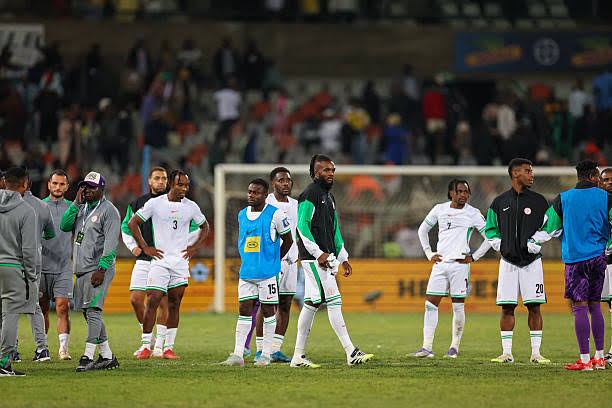
Media outlets seized on the unfolding drama, with headlines broadcasting the standoff to a nationwide audience: “Super Eagles Refuse to Train Over Unpaid Bonuses” and “NFF Scrambles as Players Hold Out.” Fans reacted in a mixture of frustration and solidarity, debating whether the players’ protest was justified or whether administrative failures had undermined the sport itself. Social media amplified the dispute, with trending hashtags and fan commentary reflecting a collective anxiety about the nation’s football future.
The standoff lasted several days, each moment thick with suspense. Players engaged in private negotiations with team management, while the NFF convened emergency meetings to secure the necessary funds. The atmosphere was tense, emotions raw, and trust tested. What could have been a routine preparation for a critical match became a high-stakes drama unfolding both on and off the pitch, illustrating the recurring fragility of player-federation relations in Nigerian football.
Behind the Scenes: Negotiation and Tension
Inside the federation’s offices, urgency replaced routine. Administrators scrambled to reconcile accounts, liaise with government officials, and communicate with the Central Bank of Nigeria to release overdue funds. Each delay intensified scrutiny, creating a pressure cooker environment where even minor miscommunications could have national consequences. The NFF’s handling of the situation revealed deep structural inefficiencies: poor financial planning, delayed disbursements, and a lack of transparent communication channels.
Players maintained a delicate balance between protest and professionalism. While resolute in demanding overdue payments, they understood the stakes: public patience and fan support were critical, and any misstep could be interpreted as national disloyalty. Veterans coached younger teammates on maintaining composure, emphasizing the symbolic importance of their stance. The protest, therefore, was not just a demand for money but a calculated assertion of rights and accountability.
Negotiations unfolded in a series of tense meetings, phone calls, and mediated discussions. Administrators acknowledged the overdue payments but requested patience as financial channels were cleared. Players responded with cautious optimism, aware that prior assurances from the NFF had often proven temporary or incomplete. This push-and-pull created a charged environment where trust, already fragile, had to be continually reinforced through action rather than words.
Meanwhile, public attention added another layer of complexity. Fans, analysts, and former players weighed in, scrutinizing every development. Some called for punitive measures against the NFF, while others urged patience and unity, emphasizing the importance of national representation. The discourse reflected broader societal frustrations with institutional inefficiency and accountability, positioning the Super Eagles’ dispute as a microcosm of national governance challenges.
Resolution and Return to the Pitch
After several days of tense negotiation, resolution arrived in the form of partial payments and formal assurances. Training resumed, the mood cautiously lifted, and the team refocused on their impending match. While relief was palpable, the resolution also reinforced a recurring lesson: in Nigerian football, victories off the pitch often require as much negotiation, patience, and resilience as victories on it.
The players’ stance served as a reminder of the power dynamics inherent in national sports. Assertiveness, when exercised strategically, could compel even entrenched institutions like the NFF to honor obligations. Yet, the repeated nature of these disputes highlighted systemic challenges: delayed payments, administrative inefficiency, and the perpetual strain between national representation and institutional shortcomings.
Analysts reflected on the broader implications. The episode underscored the fragility of Nigeria’s football governance, revealing how off-field disputes could threaten not just morale but performance on the international stage. At the same time, it showcased the professionalism and resilience of the Super Eagles, who navigated financial uncertainty without compromising their commitment to the nation’s colors.
Fans, watching from across Nigeria and the diaspora, experienced a mixture of anxiety and pride. The standoff reminded them that behind every match, every goal, and every celebration, there existed layers of negotiation, patience, and human determination. The team’s eventual return to training became symbolic—not only of resolved disputes but of the enduring spirit that had made the Super Eagles a source of national pride for decades.
Patterns and Lessons: A Historical Reflection
The 2025 standoff was not an isolated incident but the latest manifestation of a recurring cycle. From the early 2000s through 2025, the Super Eagles and the NFF have repeatedly clashed over unpaid bonuses, delayed allowances, and administrative inefficiencies. These disputes reveal systemic vulnerabilities within Nigeria’s football governance, highlighting a persistent gap between institutional promises and execution.
Players learned to navigate these challenges with patience, strategy, and solidarity. Training boycotts, public statements, and strategic negotiation became tools to assert rights without undermining national representation. For the federation, each dispute offered a chance to reassess internal procedures, financial management, and communication strategies. Yet, the repetition of similar conflicts suggests that meaningful structural reform remains an unmet necessity.
The human dimension of these disputes is critical. Behind each delayed payment is a player balancing personal responsibility, national pride, and professional ambition. The frustrations of seasoned veterans and emerging talents alike reflect a broader struggle for recognition, respect, and fairness. Administrative lapses are not abstract—they have tangible impacts on preparation, focus, and psychological well-being, underscoring the interconnectedness of governance and performance.
The cycle of tension, negotiation, and resolution also carries lessons for fans, analysts, and policymakers. Stability in national sports requires more than talent; it demands institutional reliability, transparent administration, and consistent communication. For the Super Eagles, victories on the field are inseparable from the health of off-field governance, reinforcing that success is built not only on skill but on structural integrity.
Etched in Green and White (Takeaway)
The Super Eagles vs NFF timeline is more than a record of disputes—it is a testament to resilience, courage, and the cost of loyalty. Every delayed bonus and training standoff reflects not just administrative gaps, but the determination of players who wear the nation on their shoulders.
This story leaves a lasting lesson: passion and talent alone cannot carry a team. Respect, accountability, and integrity from those who govern are just as vital. The Super Eagles’ journey reminds the nation that Nigerian football thrives when players and institutions align in purpose, trust, and fairness.
In the end, the game is not only played on the pitch; it is also won in how we honor commitments, uphold dignity, and ensure that every heartbeat in green and white feels valued.



Discussion about this post