
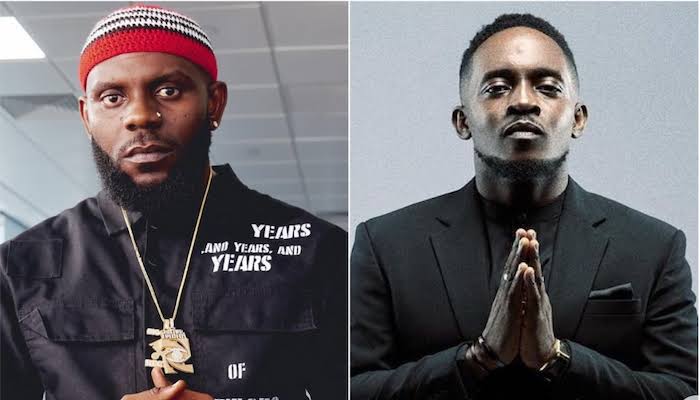
The streets of Nigerian rap never really sleep, but November 1, 2025, felt like the industry itself caught a cold. Odumodublvck, known for his fearless energy, threw shots at M.I Abaga on X (yeah, Twitter for the old folks). And when I say shots, I mean it—he called M.I a “fencist,” a “short man devil,” and a “rat.” Not exactly subtle, right? He didn’t just question M.I’s public image; he flat-out said the guy’s so-called “good guy” persona was a front.
Fans went wild, trending hashtags, memes, reaction videos—the usual social media chaos. But it wasn’t just about entertainment; this was a statement. Odumodublvck was saying loud and clear: “I’m tired of the games, the silence, the so-called respect that’s one-sided.” And M.I? He stayed quiet. You could almost hear the suspense on every timeline: will he respond, or nah?
What made this whole situation even juicier was context. Odumodublvck had a running beef with Blaqbonez, and he claims M.I knew about some shady moves against him but didn’t step in. For Odumodublvck, that silence wasn’t neutrality—it was betrayal. And that’s where the moral tension hits: it wasn’t just bars and music; it was personal, it was loyalty, it was code.
The city, the fans, the industry—they all felt it. Suddenly, Nigerian hip-hop was this living, breathing organism reacting to one man’s public frustration and another man’s strategic calm. It was messy, raw, and entirely human.
The Feud That Sparked the Fire
Before the world saw Odumodublvck take shots at M.I Abaga, there was the saga with Blaqbonez—a feud that had the streets talking and social media buzzing for weeks. It wasn’t just a clash of bars; it was about reputation, influence, and who’s really got the respect of the streets.
Odumodublvck accused Blaqbonez of spreading lies about him, calling into question his credibility and integrity. According to Odumodublvck, this wasn’t just normal industry beef—it felt personal. Someone close to him got dragged online, attacked by trolls, and M.I Abaga, a figure many expected to speak up, stayed silent. That silence, Odumodublvck says, cut deeper than any diss track could.
The tension escalated online with viral videos, memes, and comment wars. Fans and fellow artists picked sides, turning what could have been a private conflict into a public spectacle. Some called it “bad for Nigerian hip-hop,” while others said it exposed the cracks in a system that protects legacy over real voices.
This Blaqbonez chapter is crucial because it’s the real reason Odumodublvck challenged M.I Abaga. The feud exposed perceived betrayal, loyalty gaps, and generational divides—everything that fueled the explosive call-out that followed.
Blaqbonez in the Shadows
Odumodublvck felt betrayed by M.I because of the whole Blaqbonez saga. There were rumors, back-and-forths, subtle jabs—stuff most outsiders would never catch. But Odumodublvck saw it: industry leaders turning a blind eye while someone close to him got dragged online. That silence cut deeper than any verse.
It’s the classic generational clash, right? Old heads like M.I operate on patience, strategy, and respect; younger rappers operate on immediacy and truth—even if it burns a few bridges. Odumodublvck’s anger wasn’t just noise; it was a spotlight on power structures, loyalties, and what it really means to “have someone’s back” in the music scene.
Fans could sense it too. For many, this wasn’t just rap drama—it was a test of integrity. And the way Odumodublvck handled it, publicly, meant the discussion went beyond music. Suddenly, everyone was talking about trust, loyalty, and morality in an industry where perception often trumps reality.
Even some older artists shook their heads. Erigga, for instance, said the feud could be “bad for Nigerian hip-hop.” But that’s the thing: it’s messy, unpredictable, and human. And honestly, that’s why people couldn’t look away.
M.I Abaga’s Quiet Power
Meanwhile, M.I Abaga’s silence? Chef’s kiss. Absolute power move. The guy didn’t reply once—not a word. Some folks called it weakness; most knew better. M.I has been in this game long enough to know that silence can hit harder than any clapback.
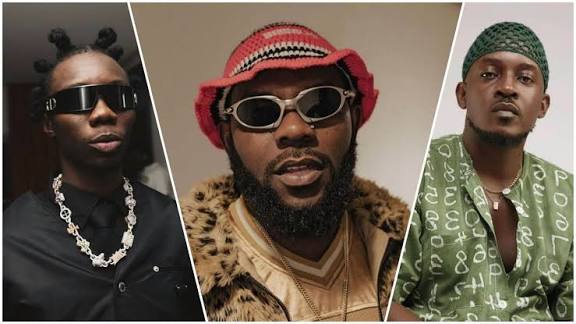
Staying calm while someone publicly disrespects you isn’t easy. For M.I, it’s about legacy, credibility, and letting time tell the story. The young cats are loud, fast, and unpredictable; the veterans? They read, they wait, they strike when it counts—or sometimes, they just let the storm pass.
Social media tried to fill the gaps—fans speculated, dissected, over-analyzed every post, every like, every emoji. But M.I’s silence created a weird respect even among those who sided with Odumodublvck. Influence, they realized, isn’t always about being seen fighting; sometimes it’s about being untouchable, letting others make themselves look small.
The Fallout: Streets, Courts, and Labels
Then there’s the business side. Reports came out about Odumodublvck allegedly intimidating a Chocolate City executive—legal stuff that made the feud heavier than just words. The courts, social media, labels—they all got pulled into this vortex. Every move, every statement carried weight. Align with Odumodublvck, and you risk being labeled reckless. Ride with M.I, and people might say you’re defending the old guard at the expense of authenticity.
Labels had to check themselves. Sponsors had to weigh reputations. Even artists had to decide who to support publicly. The city was watching, the fans were judging, and the industry realized that personal beefs can quickly morph into structural tests.
And the fans? They loved it, of course. Every post, video, and reaction added fuel. Some saw Odumodublvck as a hero; others saw him as naive. Every debate, every thread, reflected the messy humanity of music culture: chaotic, loud, passionate, and impossible to ignore.
Lessons, Real Talk
At the end of the day, this beef tells us a lot about Nigerian hip-hop. Odumodublvck showed boldness and audacity, but also the consequences of putting everything on display. M.I Abaga reminded everyone that legacy, patience, and strategic silence carry their own kind of power.
Generational tension is real. Young rappers want truth and immediacy; veterans prioritize reputation and patience. Both sides have value, both sides have flaws. And fans? They’re part of the conversation now, shaping culture in real-time.
This moment isn’t just drama—it’s a reflection of what happens when audacity meets legacy, when personal loyalty collides with public perception, and when the streets of Nigerian hip-hop remind everyone that influence isn’t just about speaking loudest—it’s about knowing when to speak, when to stay quiet, and how to let the game play itself out.


Discussion about this post