
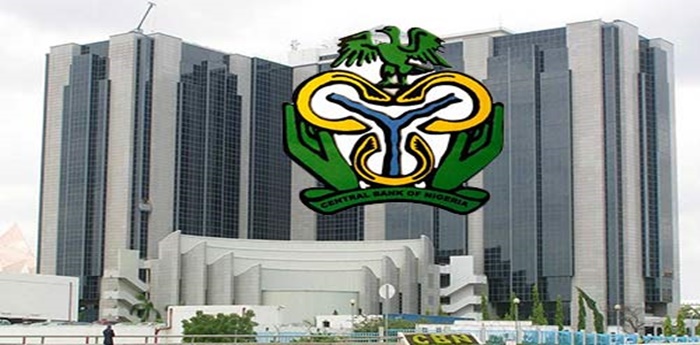
It was a heavy moment in Abuja on September 22 and 23, 2025. The Central Bank of Nigeria held its 302nd Monetary Policy Committee meeting and dropped its benchmark interest rate, the Monetary Policy Rate, from 27.5 percent down to 27. That fifty basis point cut was the first since 2020.
But the move was not just about the rate. The Central Bank of Nigeria also restructured its cash reserve requirement for banks. For commercial banks, the cash reserve requirement was reduced to 45 percent. On top of that, the Monetary Policy Committee introduced seventy five percent cash reserve requirement on public sector deposits that are not in the Treasury Single Account. The liquidity ratio remained at 30 percent. The central bank also adjusted the standing facility corridor around the Monetary Policy Rate to plus 250 points and minus 250 points.
Governor Olayemi Cardoso, speaking after the meeting, said this decision was anchored on sustained disinflation over five months, a more stable macroeconomic picture, and a desire to back economic recovery with looser credit. Some economists and business leaders nodded in agreement, calling the cut a welcome step toward reviving growth.
Why They Did It — It Was a Calculated Move
This was not a random decision. Governor Cardoso and the Monetary Policy Committee pointed to five straight months of disinflation. Inflation is no longer roaring as before and the projection is that it will continue to ease for the rest of 2025.
Macro economic conditions also look more favorable. The committee noted that Nigeria’s gross domestic product, the total value of goods and services produced, is expanding, driven by both oil and non oil sectors. External reserves were strong, standing at over forty three billion dollars in early September.
What makes this cut special is that it was paired with tighter liquidity control through the cash reserve requirement on public sector deposits. That seventy five percent reserve requirement on deposits not in the Treasury Single Account is intended to prevent excess cash from fueling inflation. In effect, the central bank is easing credit but building guardrails.
Is This a Real Pivot or Just a Little Breeze
On the surface, the cut feels like a pivot, a shift away from pure crisis mode. In practice, it may be only a cautious breath.
If banks start lending more at lower rates, business credit could pick up and small firms might borrow for investment. That would validate the central bank’s plan. But the high reserve requirement means banks will have less free cash to lend. If they do not channel that rate cut into real credit, the growth boost may remain limited.
Inflation could rebound. Disinflation is happening now, but nothing guarantees that food, transport, or energy prices will stay stable. A sudden price spike could erase the gains.
Liquidity management is tricky. Easing credit is fine, but not if too much money floods the system. The seventy five percent reserve is the central bank’s method of balancing. If mismanaged, it could backfire.
Fiscal policy also matters. If government spending increases or borrowing rises, monetary easing alone may fail. The committee itself flagged the risk of excess liquidity, but applying discipline is never easy.
This could be the start of a new cycle or just a temporary pause in a longer economic struggle.
How Regular Folks Might Feel It
For a small business owner, the cut might feel like a push forward. Cheaper borrowing could allow investment, hiring, and expansion if banks cooperate. Consumers could see lower rates on variable rate loans. Fixed rate borrowers may see little change unless they refinance.
The reality is inflation is still high. Any savings on interest could be eaten up by higher prices in daily essentials. Investors may see this as a positive signal for bonds, equities, and capital flow, but they will watch for consistency in policy.
The Risks That Could Blow This Up
Transmission risk is the first concern. Rate cuts mean nothing if banks do not lend or tighten credit elsewhere.
The cash reserve requirement that gives the Central bank control could also constrain liquidity. Inflation is not dead. A rebound in food or energy prices could catch the committee off guard and force a policy reversal.
Political risk and fiscal indiscipline could undo the good work. If the government starts spending aggressively or borrowing rises sharply, the monetary easing could be negated.
Global risks remain, Capital flows could reverse. Oil shocks could hit reserves. Global monetary shifts could rattle Nigeria’s fragile stability.
Why This Feels Different From Past Cuts
This cut matters because it is not reckless. It is not a full surrender to growth at all cost. It is a calibrated pivot. The central bank is signaling willingness to support the real economy but not abandoning control.
Past rate cuts did not pair easing with structured liquidity controls. This time, there is a clear framework. Loosen the rate, but hold tight elsewhere. It is a sign that the committee is thinking several steps ahead.
It is also a vote of confidence in reform. The central bank is betting on disinflation, macro stability, and careful reserve management to create space for growth. If successful, this could mark a turning point in how monetary policy drives the economy.
What People in the Market Are Saying
Some economists are already cheering. They say this could unlock credit flow, encourage investment, and finally give small and medium businesses some breathing room. Others are more cautious. They warn that rate cuts alone will not fire up growth unless other conditions improve.
Business associations are cautiously welcoming the change. Cheaper money is attractive, but they want actual lending growth. Market reaction was immediate. Nigeria’s overnight lending rate dropped, reflecting excess liquidity and expectations for further easing.
Is This a Real Pivot or Just a Momentary Breather
When you put it all together, this rate cut is not reckless optimism. It is cautious optimism. The central bank is loosening but not handing out free money. It is conditional policy, not a full embrace of risk.
If banks lend, inflation stays tame, and fiscal discipline remains, this could be the beginning of a growth driven phase. But if any of those legs wobble, this could look more like a tactical retreat than a long term shift.
So yes, it is a pivot, but one held with a firm grip.
Keep Your Eyes on These Signals
To know if this cut turns into real change, watch these things closely. First, bank lending. Are loans picking up, and are they going to the right sectors. Second, inflation path. Are prices continuing to ease, or does the food basket surprise us. Third, liquidity dynamics. Does that seventy five percent reserve actually calm things or bend them. Fourth, government behaviour. Will fiscal policy complement this move or fight it. Fifth, external shocks. How stable will the naira remain, and can reserves withstand global stress.
If all those align, this 27 percent rate could be more than just a drop. It could be a pivot with legs.
Final Take
Cutting the key rate to 27 percent is not just a technical move. It is a signal, a signal that the Central Bank of Nigeria wants to nudge the economy toward growth, but with discipline. It is brave, but not naive. It is hopeful, but not careless.
For Nigerians, this could be the beginning of something better, or it could be a careful test by the central bank. Time and data will tell. But this moment matters. It is not just another rate cut. It could be the opening chapter of a new monetary era.




Discussion about this post