
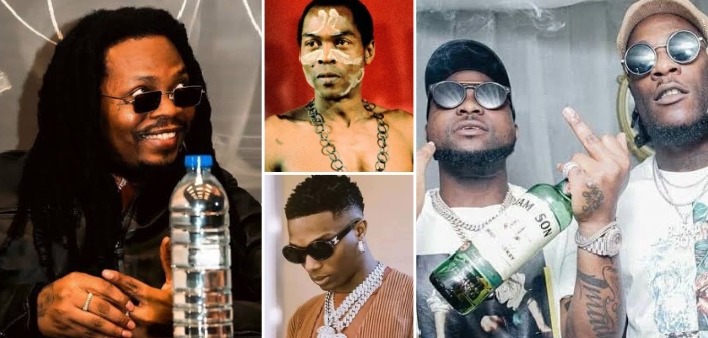
When you hear Afrobeats blasting in Paris, Amsterdam, or New York, it is not just a vibe, it is business. In 2025, the wave of Nigerian music exports is not just cultural, it is deeply financial. The streaming world, especially platforms like Spotify, has turned Nigerian music into a revenue machine, and the numbers are both wild and instructive. Let me walk you through how this export boom is making real money, who is winning, where the leaks are, and where things could go next.
The Big Breakthrough: 58 Billion Naira From Spotify in 2024
First off, let us talk about the headline number: more than 58 billion naira flowed into Nigerian artists’ pockets from Spotify in 2024. That is not chump change. According to Spotify’s Loud and Clear report, that figure is more than double what it was in 2023, and a whopping five times higher than in 2022.
Why does that matter? Because it is not just top-tier superstars cashing in. Spotify also revealed that the number of Nigerian artists earning at least 10 million naira from the platform more than doubled since 2023, and more than tripled when compared to 2022. That means the money is spreading, more artists are building sustainable careers through streaming.
Spotify’s Sub Saharan Africa head, Jocelyne Muhutu Remy, put it simply: they want Nigerian creators to make bank, and to understand how the system works.
The Export Story: Nigerian Music Is Truly Global Now
Those Spotify numbers do not just come from local listeners. A decent chunk of that 58 billion comes from listeners outside Nigeria. That is export money, people in other countries paying to stream Nigerian artists, which means Nigeria is actually exporting not cocoa or oil here, but sound.
Spotify’s report shows a 49 percent export growth over three years, meaning that compared to a few years ago, Nigerian music is being streamed much more by listeners around the world. Some of the most important markets for this surge are in Europe, places like France and the Netherlands.
It is no fluke. As Naija music gets more playlisted, it is building global footprint. Over 1.1 million hours of Nigerian music were streamed by international listeners on average, and about 250 million playlists across the world have Nigerian tracks on them. Meanwhile, more than 1,900 Nigerian artists made it onto Spotify’s editorial playlists in 2024, up 33 percent from 2023.
That mix of scale, hours, reach, playlists, and discovery, new artists is what is fueling this export boom.
Why the Spotify Surge Is Not the Whole Story
Before you think every naira is going into artists’ pockets, hold up. Streaming is massive, but it is not the only way Nigerian musicians make money, and it has its own cracks.
A major report, Basslines to Billions, from RegalStone Capital and NCAC, estimates that Nigeria’s music industry made 901 billion naira in total in 2024. Others have broken this down: live shows and touring account for about 65.74 percent of that artist income, while streaming royalties make up around 30.13 percent.
So yeah, streaming cash is a huge part of the pie, but live shows are still where many Naija artists make most of their real money. And that is telling: export value from Spotify is massive, but it is part of a more complex ecosystem.
The Bigger Business Picture: Entertainment Is a Real Sector
This is not just artists making good tracks. According to a detailed analysis by Rome Business School, Nigeria’s entertainment and media business is projected to grow at a compound annual growth rate of 8.6 percent between 2023 and 2028. That kind of growth means that the creative economy is not just a side hustle, it is becoming a strategic, formal economic engine.
The report notes several things driving this: broadband access is improving, more people can stream, and digital platforms are proliferating. Plus, Nigeria’s youth population is super hungry for innovation, which means technology like AI, generative tools, and streaming platforms will likely play a bigger role.
This all points to something bigger: Nigerian music is not only a cultural export, it is a soft power asset. When Afrobeats goes global, Nigeria is not just making money, it is influencing culture, tourism, and how people perceive Naija.
But There Are Leaks: How Money Slips Through the Cracks
Now, do not think the road is perfectly paved. There are clear issues holding back how much of this export money actually reaches the hands of creators.
One big problem is metadata, basically the credits and data about who wrote what, who produced, who owns the rights. Without clean metadata, it is harder for the right people to get paid properly.
Then there is rights management. Not every artist knows how to register, claim, and enforce their rights, some ghost in the system. Financial literacy is another gap: even when money comes in, a lot of creators do not fully understand how to navigate contracts, splits, or how to reinvest.
Spotify itself, through its SSA office, has admitted these weak spots. They are running education programs, but it is a big ecosystem problem, not just platform pays, artists cash out.
The Cultural Side – Export Means Influence
Beyond money, what is happening is deeply cultural. When Nigerian music hits global playlists, it is not just export, it is influence.
Afrobeats is evolving into a global lingua franca for young people in Europe, the Americas, and beyond. The fact that over 250 million playlists globally include Nigerian artists shows that Naija music is no longer a niche, it is woven into global listening habits.
This matters for Nigeria: this is not just about cash-out, it is about identity and influence. Artists like Burna Boy, Wizkid, Tems, and the up-and-coming ones are ambassadors, whether they like the title or not.
Projections and What Is Next
If things stay on the current path, the Nigerian music industry could blow up even bigger. Given the projected 8.6 percent growth for the entertainment sector, and continued global demand, exports will likely remain a core piece of the industry’s growth.
Also, as more mid tier artists, not just superstars, make 10 million plus naira from streaming, the base of export earning artists is widening. That is good for long-term sustainability, more voices, more revenue streams.
Technology will matter a lot: cleaner metadata systems, better rights management infrastructure, and platforms building education and payment transparency will help reduce leakages. If these get plugged, creators will capture more of the export money.
On top of that, live music and touring is still huge. Nigerian artists can leverage their global streaming success to fuel profitable tours abroad, combine that with brand partnerships and merchandise, and you have a multi-layered export business.
Why This Cash Flow Means Something Bigger
At the end of the day, this is not just Spotify paid Nigerian artists. This is proof that Nigerian music is a global export commodity. The creative economy is real, and it is becoming a pillar of Nigeria’s soft power strategy.
For artists, this is a chance to build careers that are not just local or dependent on physical shows. For young producers and bedroom creatives, the Spotify export boom gives them hope, they can be part of the global wave.
For the country, this is economic diversification. Oil has long been the headline export, but now sound is also a major export. The infrastructure, education, and business models built around this could ripple into other creative sectors, film, fashion, technology.
Conclusion: Riding the Sound Tsunami
If you are asking, so is Nigerian music export really paying off, the answer is yes, but with caveats. The 58 billion from Spotify in 2024 is a huge deal, but it is only part of a broader ecosystem where live performances, rights, data, and education all matter.
What is wild is how far this has come, from local parties in Lagos to global playlists, Nigerian sound is now a full blown global business. The export growth is real, the money is real, and the opportunity is just getting started.
But to make that opportunity sustainable, the industry has to tighten up: metadata, rights, management, financial literacy, these are not nice to have issues, they are central to ensuring that as the world plays Naija playlists on repeat, the people who made the music actually benefit.
For 2025 and beyond, the real test is whether Nigeria can turn this wave into a long term ocean of value, not just for big names, but for every artist, every songwriter, every beatmaker grinding for recognition, because right now, the sound is global, and with the right systems, so can the money be.




Discussion about this post