
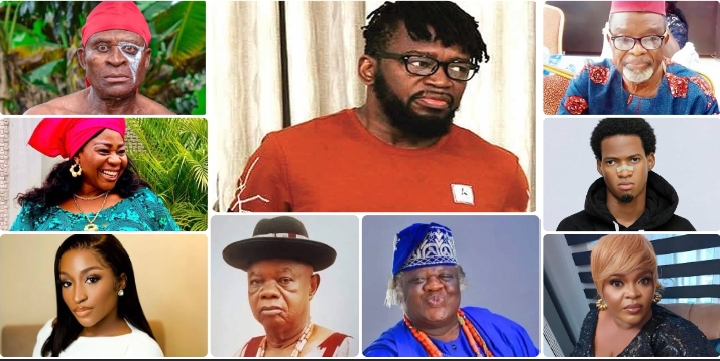
The year 2025 closed on a reflective note for Nigeria’s entertainment industry. Amid celebrations and the usual fanfare, a quiet weight lingered, the absence of familiar faces that once commanded stages, screens, and airwaves. These were artists, performers, and cultural figures who had shaped stories, laughter, and music in ways that resonated far beyond their immediate audiences. Their work had become part of everyday life, yet in 2025, the finality of their departures forced a pause, a moment to consider the fragility of life and the permanence of influence.
Across film sets, music studios, and broadcasting houses, colleagues felt the loss as a professional and personal absence. Fans revisited favorite performances and melodies, realizing that what they had taken for granted was part of a broader legacy. These were not just careers ending. They were chapters of Nigeria’s cultural memory closing, leaving spaces that cannot easily be filled.
In the months of 2025, deaths came suddenly and slowly, through illness, accidents, or natural causes. Each passing was a reminder that even the brightest lights eventually dim, and that mortality is impartial. Yet within the grief, there was also recognition. A celebration of talent, mentorship, and the ways in which creativity endures.
This article traces the lives and legacies of these figures, exploring the contributions they made to film, music, comedy, and broadcasting. It reflects on their careers, their cultural impact, and the moments that made them unforgettable.
Through each story, 2025 emerges not simply as a year of loss, but as a reminder of how art, memory, and community are intertwined, and how the echoes of talent can endure long after the artist has gone.
Asa Koko: A Pillar of Yoruba Cinema
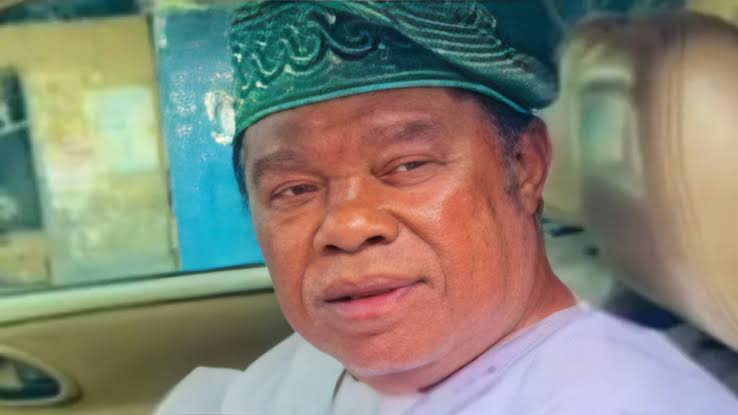
Asa Koko, a veteran actor, passed away on January 30, 2025. His career spanned decades, and he was recognized as one of the stalwarts of Yoruba cinema. He brought characters to life with a sincerity that audiences felt in every scene. He was not merely acting; he was shaping the identity of a cultural narrative that spoke to generations. His death followed a prolonged illness, details of which remained private, leaving fans to mourn without full understanding but with deep respect for his privacy.
The impact of Asa Koko extends beyond screen performances. In the workshops and training sessions he attended, he mentored young actors, passing down knowledge that will continue to influence the industry. Colleagues describe him as patient and exacting, someone who understood that acting was a craft and a vocation. His legacy is measured in more than awards; it is reflected in the actors he inspired and the stories that carried his signature authenticity.
Asa Koko’s roles often portrayed themes of morality, resilience, and communal identity. He had the rare ability to make ordinary moments profound, to give voice to the unsaid struggles of everyday life. His absence leaves a gap that cannot be easily measured. Audiences who grew up with his films now face the challenge of reconciling nostalgia with reality. The roles he embodied remain timeless, yet they serve as reminders of a presence no longer tangible.
In reflecting on Asa Koko’s life, one recognizes a figure who stood as a bridge between the golden era of Yoruba cinema and its contemporary evolution. His artistry will be revisited, studied, and celebrated in years to come. While 2025 took him from us, it also reaffirmed the enduring nature of cultural imprint, where performances transcend physical presence and enter collective memory.
Patience Ugwu: The Sugar Girl Legacy

Patience “Pat” Ugwu, popularly known as Sugar Girl, passed away on February 5, 2025. She was more than a screen presence; she represented an era when Nigerian cinema was finding its voice and experimenting with new narratives. Her characters were often vibrant, layered, and relatable, giving life to stories that reflected the aspirations, humor, and resilience of everyday Nigerians. Though the exact cause of her death was not publicly disclosed, the mourning that followed spoke to the deep affection audiences had for her.
Her career bridged the gap between film and entrepreneurship. Patience Ugwu managed to cultivate a persona that extended beyond acting, showing that entertainers could also be architects of their own brand. Colleagues remember her as committed, approachable, and endlessly curious about the craft of storytelling. In her performances, she could oscillate between comedy and tragedy with ease, demonstrating a versatility that few possessed. She made audiences feel seen, laughed with them, and occasionally provoked reflection on social dynamics.
The absence of Sugar Girl in 2025 was felt immediately. Film sets that had once resonated with her energy seemed quieter, and fans took to social media to recount favorite roles and memorable interviews. Each post, each tribute, became part of a collective process of remembering a talent whose influence was both subtle and pervasive. Her work serves as a touchstone for younger actors aspiring to balance creativity with personal agency in an industry still evolving.
Columbus Irosanga: Bridging Academia and Nollywood
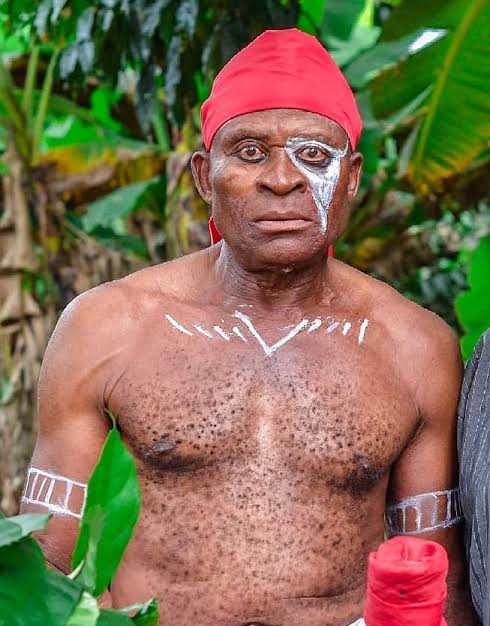
Columbus Irosanga passed on February 6, 2025. He was a veteran actor who carried the weight of both academic excellence and cinematic artistry. Known for his nuanced performances, he brought an intellectual rigor to roles that demanded subtlety and reflection. Though his death followed a brief illness, specifics were not widely disclosed, leaving admirers to focus on his accomplishments rather than the mystery of his passing.
Irosanga’s influence extended beyond acting. He contributed to the academic study of film, mentoring young scholars and practitioners, and demonstrating that cinema could be both entertaining and intellectually rigorous. His career reflected a balance between the commercial demands of Nollywood and the pursuit of meaningful storytelling. In interviews, he often emphasized that actors are not merely performers but conveyors of culture, morality, and communal memory.
Audiences recognized him not only for the characters he portrayed but also for the gravitas he brought to discussions about Nigerian cinema. His work included roles that explored societal tensions, historical narratives, and human psychology. Every performance was layered with research, preparation, and a subtle understanding of the socio-cultural landscape of Nigeria. The absence of Columbus Irosanga left a dual void: the loss of a masterful actor and the departure of a mentor to aspiring filmmakers and academics.
Anike Agbaje‑Williams: Broadcasting Pioneer
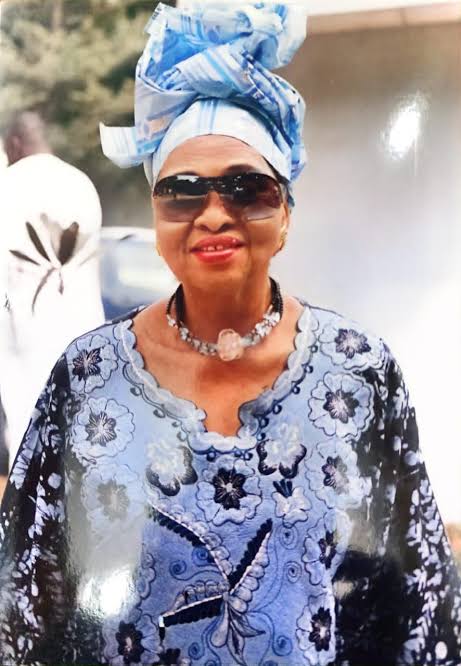
Anike Agbaje‑Williams, who passed on February 26, 2025 at the age of 88, was a trailblazer in Nigerian broadcasting. Her career spanned decades and eras, from the early days of television to the digital expansion that transformed media consumption. Reportedly passing peacefully, she left a void that reflected the pioneering spirit of a generation that built the foundations of contemporary Nigerian media.
Agbaje‑Williams’s work went beyond news delivery; she shaped the standards and aesthetics of broadcasting. She was revered for her poise, clarity, and ability to communicate complex issues with simplicity and dignity. Many of today’s broadcasters cite her as an inspiration, highlighting her insistence on accuracy, ethics, and cultural sensitivity. Her presence in studios and at events often reminded audiences that professionalism in media is both art and discipline.
Her legacy is encoded in the countless students, interns, and young broadcasters she mentored over decades. Through her guidance, she imparted lessons that continue to resonate, fostering a generation that values both technical skill and moral responsibility. Colleagues recall her as meticulous yet nurturing, always ready to offer advice while letting talent flourish independently.
Nkechi Nweje: The Character Actress Who Spoke Volumes

Nkechi Nweje passed away on March 21, 2025, following complications from surgery and health issues that had troubled her in recent years. Known for her supporting and character roles, she was the kind of actress whose presence lingered even in brief appearances. She had the rare ability to transform minor roles into unforgettable moments, leaving audiences reflecting on the nuances of human emotion and societal dynamics. Her passing marked the loss of a quietly powerful force in Nigerian cinema.
Throughout her career, Nweje excelled at portraying ordinary lives with extraordinary depth. Her characters were often grounded in everyday experiences, yet they resonated universally because of her meticulous attention to emotion and context. Audiences found fragments of their own struggles, joys, and dilemmas mirrored in her performances. She rarely sought the spotlight, yet her craft demanded recognition, and her impact endured quietly but profoundly.
Colleagues remember her as collaborative, empathetic, and deeply committed to storytelling. She approached every script with curiosity, analyzing the psychological and social dimensions of each character. This dedication not only enriched her performances but also inspired younger actors who worked alongside her. Nweje exemplified the ethos that a performer’s work extends beyond fame—it becomes a shared cultural touchstone.
Fibian Adibe: The Veteran Nollywood Actor
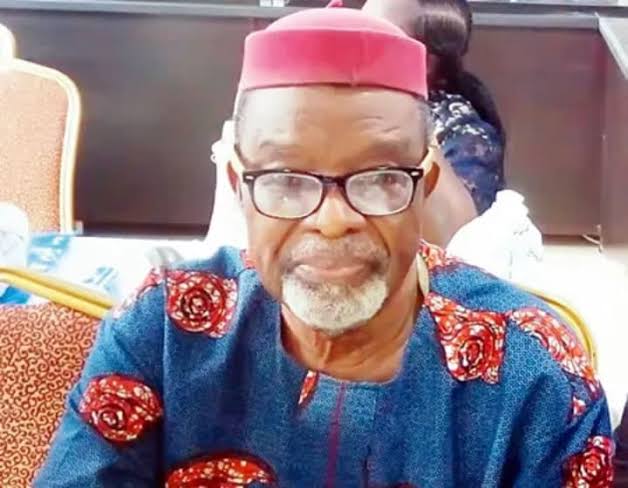
Fibian Adibe, who passed away in 2025, was a veteran Nollywood actor known for his ensemble work, including the celebrated “Things Fall Apart” adaptations. Though specific details regarding his death were not widely reported, his presence in Nigerian cinema spanned decades, contributing to the continuity and growth of the industry. His career reflected a dedication to authenticity and a deep understanding of storytelling traditions that anchored modern Nollywood in its roots.
Adibe’s roles often involved characters grappling with societal pressures, moral dilemmas, and the challenges of modernization. His performances provided insight into communal tensions and human resilience, making him a subtle but significant voice in cinematic discourse. Audiences and peers alike noted his ability to convey weighty ideas without grandiosity, relying on nuance and emotional clarity to make every scene resonate.
Beyond the screen, Adibe was remembered for mentorship and collaboration. Emerging actors and directors who worked with him frequently cited his guidance as pivotal, emphasizing patience, research, and respect for narrative coherence. He maintained an understated influence that shaped generations of actors behind the scenes, even if his name was not always front-page news.
Kayode Peters: The Visionary Behind Modern Nigerian Sitcoms

Kayode Peters Adewumi was a Nigerian filmmaker, actor, and television producer whose creative vision helped shape modern Nigerian sitcom storytelling and television culture. Born on September 25, 1975 in Ibadan, he began his journey in the entertainment world as a stage actor with the Theatre 15 troupe at the University of Lagos, where he studied English. Over more than two decades, he built a career that spanned theatre, television, and film, becoming known for work that resonated with everyday audiences and industry peers alike.
Peters became widely recognized for creating and producing some of the most beloved and enduring comedy series in Nigerian television. His projects included the original Flatmates sitcom and its later revival My Flatmates, both of which brought relatable urban stories and humour into living rooms across Nigeria and in the diaspora. His work blended cultural nuance with comedic timing, showcasing characters and scenarios that felt familiar, human, and joyously authentic.
In addition to television, Kayode Peters made his mark on the silver screen, directing and producing films such as Crazy Grannies and 13 Letters, titles that earned recognition beyond Nigeria’s borders and introduced his storytelling to international audiences. He also directed a range of short films, web series and stage productions, and his influence extended into mentorship, with many actors and creators crediting him for support that helped launch their careers.
Peters passed away on June 28, 2025 in Toronto after battling a long illness. He was 49 years old. His family confirmed that he died peacefully in Canada, where he had been based, and tributes poured in from colleagues, friends, and fans who remembered him as a generous, warm, and impactful creative force. His body of work remains a testament to his ability to bridge laughter with cultural commentary and to elevate Nigerian television comedy as a platform of joy, insight, and community connection.
Olusegun Akinremi (Chief Kanran): Master of Timing and Expression
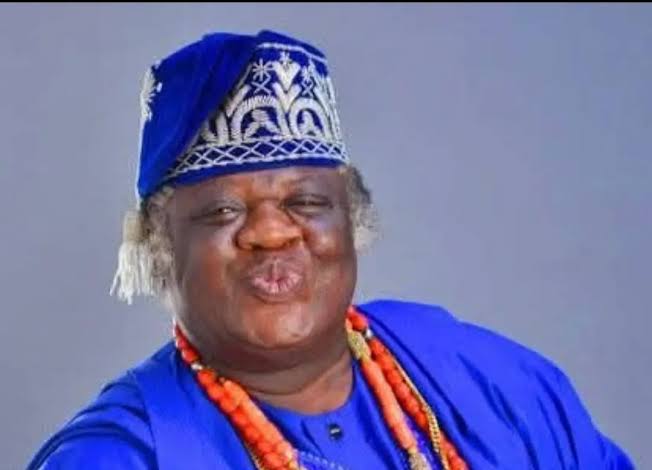
Chief Kanran, born Olusegun Akinremi, passed away on August 15, 2025. The veteran actor’s passing left a profound void in Yoruba cinema and Nollywood at large. Celebrated for his mastery of timing, expression, and character embodiment, Kanran had a way of making audiences laugh, cry, and reflect with a single gesture or line. Though the cause of his death was not publicly specified, the mourning and tributes spoke volumes about the reach of his artistry.
Kanran’s influence extended far beyond entertainment. He became an exemplar for aspiring actors who studied his precision, timing, and ability to inhabit roles with authenticity. He demonstrated that comedy and drama are not opposites but complementary vehicles for storytelling, and he used both with finesse. In communities where his work was celebrated, his films became part of collective memory, shaping humor, ethics, and local cultural narratives.
Colleagues and fans remember Chief Kanran as disciplined, approachable, and generous with insight. On set, he combined a keen eye for nuance with an understanding of human behavior that informed every role. His performances carried a sense of lived experience, grounding even the most exaggerated characters in relatability. Each scene he graced became a lesson in timing, presence, and the power of subtlety.
Adetola Samad (Sanku): A Life Cut Short
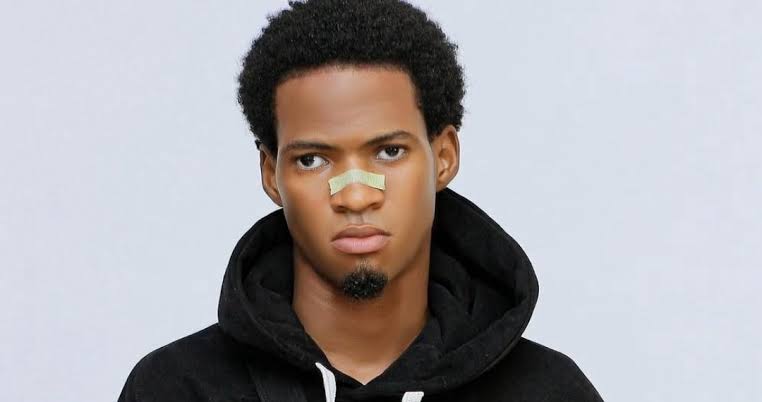
Adetola Samad, popularly known as Sanku, died on September 1, 2025, in a tragic car accident in Oyo State. Known for his comedy and social media presence, Sanku had carved a space for himself in the hearts of a younger audience who appreciated his humor, timing, and relatability. His sudden death was a stark reminder of the fragility of life, cutting short a rising career and leaving fans and colleagues in shock.
Sanku’s comedy thrived on observational wit. He captured the everyday experiences of Nigerians in ways that were both humorous and revealing, translating mundane moments into shared laughter. His online sketches and performances resonated widely, bridging urban and rural audiences, and highlighting the unifying power of humor. Despite the brevity of his career, he demonstrated the potential of digital platforms to amplify talent and reach beyond traditional spaces.
Colleagues recall him as energetic, innovative, and deeply committed to his craft. On set, he approached work with a seriousness that belied his comedic persona, carefully constructing each scene to maximize both humor and authenticity. His death left a palpable gap in the comedy community, particularly among emerging performers who looked up to him as a peer and mentor.
Somtochukwu Christelle Maduagwu (Sommie): A Voice Silenced Too Soon

Somtochukwu Christelle Maduagwu, known as Sommie, passed on September 29, 2025, in Abuja while attempting to escape armed robbers at her residence. A respected Arise TV anchor and model, Sommie had become a recognizable and trusted figure in Nigerian media. Her death, sudden and violent, shocked colleagues, fans, and the broader broadcasting community. It underscored the vulnerability of public figures despite their perceived status and the perils that exist in everyday life.
Sommie’s presence on screen was marked by clarity, confidence, and relatability. She conveyed news with poise, making complex stories understandable while retaining the gravity they demanded. Audiences admired her professionalism and her ability to balance warmth with authority, qualities that made her a standout in a competitive media landscape. Her work reflected dedication not only to reporting facts but also to building trust with viewers.
Beyond broadcasting, Sommie embodied the modern Nigerian woman navigating multiple identities—professional, cultural, and social. She was active in mentoring younger journalists, demonstrating that leadership in media involves guidance, empathy, and integrity. Her passing left a dual void: the loss of a talented anchor and the absence of a guiding influence in the media community.
Allwell Ademola: Nollywood star gone too soon

Allwell Ademola passed away on December 27, 2025, following a heart attack in Lagos. Known as an actress and producer, she was a prominent figure in contemporary Nollywood, blending charisma, versatility, and entrepreneurial spirit. Her death was met with nationwide mourning, highlighting her role not just as a performer but as a cultural influencer whose work bridged traditional storytelling and modern cinematic practices.
Throughout her career, Ademola demonstrated a dedication to storytelling that went beyond performance. She sought to produce content that challenged norms, explored societal tensions, and showcased the richness of Nigerian culture. Her commitment to quality and authenticity made her a role model for both emerging and established actors, and her productions often served as platforms for younger talents to gain exposure.
Colleagues remember her as dynamic, compassionate, and fiercely committed to her craft. She balanced public recognition with private mentorship, ensuring that her influence extended beyond what audiences could see on screen. Her passing was not only a professional loss but also a deeply personal one for the many whose careers she nurtured and whose lives she touched.
Bolaji Olanrewaju (Big Bolaji): The Gospel Voice That Lifted Spirits

Bolaji Olanrewaju, affectionately known as Big Bolaji, passed away on April 19, 2025, after a brief illness. A gospel singer, pastor, and music personality, he was a figure whose melodies had touched hearts across generations. His voice carried both spiritual weight and artistic mastery, and his songs became staples in churches, events, and private gatherings, leaving an indelible mark on Nigeria’s gospel music scene.
Big Bolaji’s artistry was characterized by a seamless blend of traditional Nigerian musical elements with contemporary gospel rhythms. Each song he performed carried a dual purpose: to entertain and to inspire reflection on faith, hope, and resilience. His performances were immersive experiences, drawing audiences into a space where music transcended mere entertainment to become a form of communal connection.
Beyond the stage, Bolaji served as a mentor and spiritual guide. Many young gospel artists cite him as an influence, praising his generosity in sharing techniques, lyrical insights, and performance wisdom. His leadership extended beyond music into personal development, guiding many in navigating the challenges of both ministry and artistic expression.
Mike Ejeagha: Gentleman of Igbo Folk Music
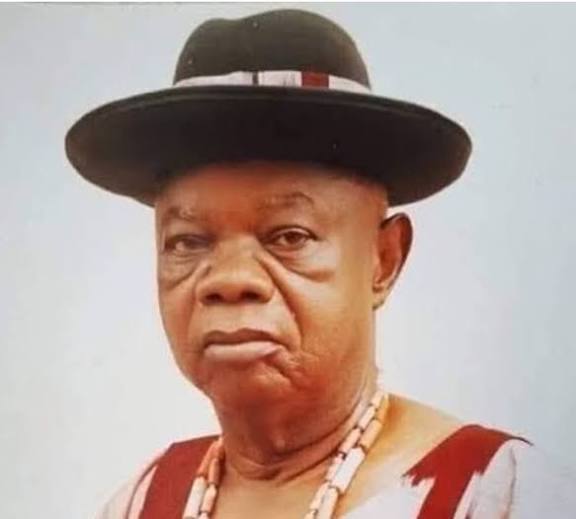
Mike Ejeagha, known widely as Gentleman Mike Ejeagha, passed away on June 6, 2025, at the age of 95 following a long illness. As a celebrated Igbo folk musician and songwriter, his work documented oral traditions, preserved language, and conveyed historical narratives that might otherwise have been lost. His passing marked the end of a remarkable era in Nigerian music, where folklore, history, and rhythm converged in a single voice.
Ejeagha’s songs were more than music; they were living records of Igbo culture. Each composition carried lessons, proverbs, and reflections on human experience, connecting audiences to heritage and collective memory. His mastery of rhythm, voice, and storytelling allowed him to bridge generations, making traditional music accessible and relevant to younger listeners while maintaining authenticity.
Beyond performance, Ejeagha’s influence extended into pedagogy and mentorship. Scholars, musicians, and cultural enthusiasts often sought his insights into composition, instrumentation, and oral history. He embodied the role of custodian of culture, ensuring that the wealth of Igbo folk traditions was transmitted to future generations through practice, teaching, and recordings.
Obafemi Lasode: A Crossover of Music, Theatre, and Film

Obafemi Lasode, whose passing was noted in 2025, was a multifaceted musician, playwright, producer, and director. Though the cause of his death was not widely reported, his influence across music, theatre, and film was deeply felt. Lasode’s career reflected the potential of crossover artistry, where creative disciplines intersect to form works that resonate both emotionally and culturally.
Lasode’s contributions included compositions that enriched contemporary Nigerian music, theatrical productions that explored societal issues, and films that bridged artistic vision with cultural storytelling. His work was a dialogue between art forms, and his understanding of narrative, rhythm, and human emotion allowed him to communicate across mediums with subtlety and impact.
Colleagues recall Lasode as intellectually curious, artistically disciplined, and collaborative. He encouraged experimentation while emphasizing the importance of grounding creativity in cultural authenticity. His mentorship shaped young artists, emphasizing the need to respect heritage while innovating within contemporary frameworks.
Honoring Memory Through Art and Reflection
As fans revisit films, songs, and broadcasts, the voices of those lost in 2025 continue to resonate. Comedy sketches, television anchors, gospel melodies, folk music, and cinematic performances serve as living reminders of talent, vision, and dedication. Chief Kanran’s timing, Sommie’s voice, Sanku’s humor, and Ademola’s productions now occupy a space where memory and art converge. The country’s cultural memory depends on recognizing their contributions, preserving recordings, and studying their methods for inspiration.
The deaths also highlight the responsibility of institutions, media organizations, and families in documenting and archiving the work of creative professionals. By safeguarding performances, interviews, and compositions, future generations gain access not only to entertainment but to lessons in discipline, ethics, and cultural engagement. The events of 2025 thus serve as a call to action: to honor legacy not only through mourning but through preservation, study, and active continuation of artistic values.
Communities, both local and diasporic, have responded with ceremonies, retrospectives, and digital tributes that reaffirm the relevance of these figures. The collective act of remembrance transforms grief into cultural continuity. It also allows the public to reflect on the intertwined nature of life, creativity, and mortality. Each tribute becomes both homage and an educational moment, illustrating the societal role of art as more than amusement—it is identity, history, and expression.
In conclusion, 2025 stands as a year of reflection, gratitude, and reverence. The entertainment and cultural industries lost icons whose work shaped national narratives, inspired peers, and connected communities. By remembering Allwell Ademola, Chief Kanran, Kayode Peters, Asa Koko, Patience Ugwu, Sommie, Big Bolaji, Mike Ejeagha, Obafemi Lasode, and others, Nigeria not only mourns but celebrates a legacy that transcends death. Their stories, artistry, and influence remain threads woven into the fabric of national culture, ensuring that even in absence, their presence endures.




Discussion about this post