Lagos entered the final days of 2025 with its usual vibrancy, markets buzzing and streets alive with last-minute trading and preparations for the festive season. Amid the activity, subtle signs of risk went largely unnoticed: overloaded electrical circuits, stacks of flammable goods, and buildings that had long exceeded their intended capacity. In the midst of celebration, these hidden hazards quietly shaped what would become a series of significant fire incidents.
The city experienced multiple outbreaks over the holiday period, each unfolding in a different part of the metropolis but all linked by common vulnerabilities. Commercial hubs, market complexes, and neighborhood shops faced sudden emergencies, testing the capacity of Lagos’ firefighting services and highlighting the delicate balance between urban growth and safety.
These events were more than isolated accidents. They reflected underlying patterns in city life where infrastructure, seasonal conditions, and human activity intersect. Each fire revealed lessons about preparedness, coordination, and the everyday choices that determine whether incidents escalate or remain contained.
This article traces the major fire outbreaks of late December 2025 and early January 2026, examining their causes, consequences, and the broader context of urban fire risk in Lagos. It explores the sequence of events, the response by authorities and communities, and the insights that can inform safer, more resilient urban practices in the future.
The Great Nigeria Insurance Building Inferno
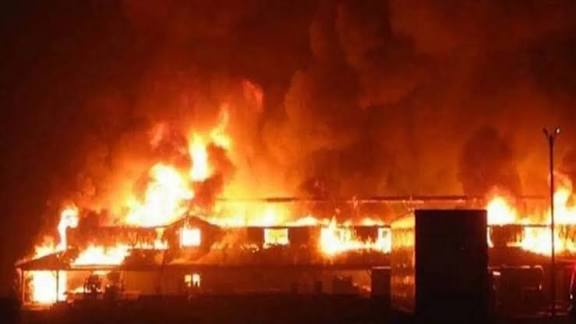
On the afternoon of December 24, 2025, the Martins Street skyline shifted as smoke erupted from the Great Nigeria Insurance Building. The multi-storey structure, once a hub for textile traders and warehousing, became a beacon of chaos. Shouts of alarm rippled through Lagos Island as passersby and traders watched flames climb the façade. Emergency responders arrived swiftly, but the blaze had already established a rhythm of destruction, consuming upper floors and threatening neighboring buildings.
Inside the building, traders scrambled to salvage stock, but narrow corridors, stacked goods, and heavy doors slowed escape. Smoke choked the air, and thick plumes painted the sky black, visible from miles away. By evening, the fire had spread across multiple levels, defying early attempts at containment. The chaos illuminated gaps in safety standards, including faulty wiring, lack of functional extinguishers, and insufficient evacuation planning in high-rise commercial hubs.
Authorities battled the inferno through the night, deploying water hoses, coordinating with Lagos State Emergency Management Agency, and calling in additional manpower from nearby districts. Despite these efforts, the building sustained severe structural damage. Cracks ran along walls, beams buckled under heat, and the skeletal remains of the upper floors threatened collapse. The fire only came under control the following afternoon, leaving behind a gutted structure and shattered livelihoods.
The aftermath revealed a grim tally: multiple confirmed deaths, injuries, and missing persons, alongside devastating economic losses for traders who relied on the building for storage and business. Lagos State authorities quickly announced plans for demolition due to the danger posed by instability. Beyond immediate consequences, the GNI inferno became a symbol of recurring challenges facing Lagos’ commercial districts: overcrowding, electrical hazards, and the urgent need for coordinated urban fire prevention policies.
Arena Market and Shopping Mall Fire in Oshodi
Six days after the Martins Street inferno, Lagos faced another conflagration, this time in the bustling commercial hub of Oshodi. On the evening of December 30, 2025, flames erupted across parts of Arena Shopping Mall and the adjacent Army Arena Market. Shoppers and traders fled in panic as smoke and fire engulfed stalls, turning shelves of goods into ash and embers.
The rapid spread of the fire highlighted vulnerabilities common across Lagos markets: dense arrangements of stalls, inadequate fire exits, and widespread use of generators and electrical connections under high load. Unlike the GNI Building fire, however, early detection and quick response from fire authorities limited casualties. Water cannons and coordinated evacuation efforts prevented the blaze from escalating into a full-scale disaster.
Nevertheless, the economic impact was severe. Electronics, clothing, and household goods stored in the market suffered total loss. Traders faced weeks of disruption, highlighting the lack of insurance coverage across informal commercial hubs. Beyond material losses, the incident raised questions about market planning and adherence to fire safety regulations, as access routes for emergency vehicles were constricted by narrow pathways and encroaching structures.
The Arena Market fire also illuminated the importance of public vigilance and community response. Neighbors and market staff attempted first-response measures using water and sand, delaying the fire’s advance before professional responders arrived. The collaboration underscored a pattern evident across Lagos: while emergency services play a crucial role, community preparedness often determines the scale of damage in congested commercial areas.
The December 30 fire, though less deadly than the GNI inferno, reinforced the recurring theme of Lagos’ fire vulnerability during the festive season. High volumes of stock, electrical hazards, and limited access for firefighting teams created conditions where any spark could ignite disaster. Authorities and residents alike recognized that without systematic planning, these episodes were likely to repeat in future dry seasons.
Recurring Fire Patterns at Balogun Market
Balogun Market, a densely packed commercial maze on Lagos Island, has long been synonymous with vibrant trade and high risk. Reports indicate that fires in late December 2025 affected sections of Balogun Market near the GNI Building, continuing a pattern of recurring outbreaks. Traders and local authorities are no strangers to these events, which often result from generator mishaps, electrical faults, or flammable materials in congested stalls.
The late December 2025 fires illustrated how interconnected commercial spaces can magnify risk. A blaze in one building quickly threatens adjacent structures, with narrow alleys and crowded walkways impeding evacuation and firefighting efforts. In Balogun, thick smoke filled corridors, and traders formed human chains to salvage goods, highlighting both human resilience and the dangers posed by structural congestion.
Efforts to curb these recurring incidents have included public awareness campaigns and partial restructuring of market layouts, yet the December fires exposed the limits of these measures. Even as firefighters battled the flames, local residents observed the challenge of containing fires in areas lacking sufficient hydrants, fire exits, or escape routes. Balogun Market’s recurring crises have become a case study in urban fire risk management, emphasizing both infrastructural reform and community readiness.
New Year’s Day Fire in Ikotun
As the first hours of January 1, 2026, unfolded, Lagos awoke to another blaze, this time in Ikotun. A commercial building adjacent to the GUO Transport Company erupted in flames, consuming four electronics shops within moments. Neighbors described a sudden surge of heat and smoke, a stark contrast to the celebratory noises of New Year festivities. The glow of the fire illuminated streets usually quiet at dawn, signaling that even the turn of the calendar could not calm the city’s ever-present fire risk.
Inside the affected shops, televisions, washing machines, power generators, and other appliances were engulfed, leaving nothing salvageable. Traders, who had stocked for the post-holiday market rush, watched helplessly as livelihoods turned to ash. Early attempts by neighbors to douse the flames with water delayed the spread, buying precious minutes before the Lagos State Fire Service arrived.
The coordinated intervention prevented the fire from engulfing the entire building, yet the destruction remained substantial.
Investigations into the cause remain ongoing, though local accounts point to a likely electrical fault, a recurring factor in many Lagos market fires. This incident demonstrated the fragility of urban infrastructure and the thin margin between routine operation and disaster. Fire outbreaks in Ikotun and other districts underscore the consequences of outdated wiring, lack of preventive maintenance, and absence of fire-resistant storage for commercial stock.
While no casualties were reported, the economic impact was considerable. For small traders, a single fire can erase months of investment, creating cascading effects on families, suppliers, and the neighborhood economy. The Ikotun fire illustrated how even relatively smaller-scale fires could reverberate through the urban fabric of Lagos, connecting densely populated neighborhoods into a network of shared vulnerability and communal risk awareness.
Patterns Across Lagos: A City on Fire
The December 2025 and early January 2026 fire outbreaks were not isolated anomalies. They fit into a broader pattern of urban fire risk that Lagos has faced for years. Between January and November 2025, the Lagos State Command and Control Centre recorded nearly 1,922 fire-related emergencies. These incidents ranged from vehicle fires to market blazes, highlighting how ordinary electrical faults, human error, or mechanical failure could escalate into major disasters under the city’s high-density conditions.
High-volume commercial activity, narrow market layouts, and congested residential neighborhoods amplify the risk. In districts like Lagos Island, Oshodi, and Ikotun, traders often rely on generators, electrical appliances, and improvised storage solutions. During peak periods such as December, the combination of overloaded circuits, combustible inventory, and dense human traffic creates a volatile environment. Each outbreak reinforces the lesson that fire hazards are structural as much as they are operational.
Recurring market fires reveal a pattern of compounding vulnerability. The GNI Building fire triggered smoke and heat that spread to adjacent Balogun Market structures, while Oshodi and Ikotun incidents showed that even geographically dispersed areas share systemic weaknesses. Observers note that narrow access routes impede both civilian evacuation and professional firefighting, creating conditions where minor sparks can escalate rapidly.
Emergency Response and Coordination
Lagos’ firefighting agencies, including the Lagos State Fire and Rescue Service and LASEMA, faced an unprecedented test during the December–January fires. Responders had to manage multiple simultaneous incidents, from high-rise commercial buildings to congested markets and small neighborhood shops. The coordination required constant communication, rapid mobilization, and deployment of water cannons, ladders, and fire suppression units under challenging conditions.
At the GNI Building, fire crews battled flames for over 24 hours, demonstrating both resilience and the limitations of urban firefighting infrastructure. High-rise structures posed difficulties due to inadequate water pressure, obstructed access routes, and collapsing sections of buildings. In contrast, Arena Market and Ikotun fires were contained more swiftly, benefiting from early alerts, neighbor intervention, and accessible water sources. These contrasting outcomes illustrate how preparedness and environmental factors can alter the trajectory of fire disasters.
Community participation emerged as a crucial element. Traders, residents, and passersby frequently initiated first-response measures, from dousing flames with buckets to alerting authorities. While not a substitute for professional intervention, these efforts prevented fire escalation and saved property in certain instances. Lagos’ experience emphasizes that urban fire management is a shared responsibility between government agencies and residents.
Authorities also employed technology and command systems to track incidents, manage resource allocation, and coordinate inter-agency responses. Fire prevention campaigns intensified following the December outbreaks, with LASEMA emphasizing awareness of electrical hazards, safe generator use, and emergency evacuation planning. The cumulative experience reinforced that a reactive approach alone is insufficient; proactive infrastructure investment, policy enforcement, and community education are essential to prevent future disasters.
Underlying Causes: Climate, Congestion, and Commerce
Several intertwined factors contributed to the surge of fire outbreaks in Lagos during late December 2025. First, the dry season and Harmattan winds created a combustible environment. Dust-laden air, low humidity, and dry wooden or synthetic materials accelerated the ignition and spread of flames. Even small sparks could propagate rapidly across dense commercial zones, turning minor electrical faults into large-scale infernos.
Second, urban congestion exacerbated the risk. Markets and commercial buildings are often built in cramped spaces with narrow alleys, stacked goods, and limited emergency exits. Generators, electrical wiring, and air-conditioning units are frequently improvised or overloaded. In high-density environments such as Balogun Market or Martins Street, structural design alone can determine whether a fire spreads uncontrollably or is contained before disaster strikes.
Third, the festive season amplifies fire hazards. December brings extended trading hours, increased stock volumes, and higher energy consumption. Traders often stretch electrical systems beyond recommended capacities, and flammable packaging materials are everywhere. The coincidence of human activity, climate conditions, and structural vulnerability creates a perfect storm for multiple simultaneous fire incidents.
Finally, preventative measures and regulations are unevenly enforced. While Lagos authorities conduct fire safety audits and public awareness campaigns, gaps remain in compliance, infrastructure maintenance, and emergency readiness. These structural, environmental, and human factors collectively explain the heightened frequency and intensity of fire outbreaks during late December and early January, highlighting a pattern that repeats annually unless addressed holistically.
Lessons Learned and Long-Term Urban Planning Recommendations
The December 2025 fire outbreaks illuminated systemic vulnerabilities in Lagos’ urban landscape. Overcrowded commercial districts, aging infrastructure, and insufficient regulatory enforcement combined with seasonal hazards to produce a cascade of disasters. The lessons are stark: fire risk cannot be treated as an isolated operational issue. It is a structural, environmental, and societal challenge that demands integrated solutions spanning urban planning, infrastructure maintenance, and community engagement.
One key lesson is that preparedness is as important as response. Emergency services demonstrated resilience and coordination, yet the repeated need for reactive measures highlights gaps in preventive strategies. Functional fire exits, accessible water sources, routine electrical inspections, and regulated generator use are not optional; they are essential for urban resilience. Markets such as Balogun and Oshodi exemplify the consequences of neglecting these measures, where dense layouts amplify fire spread and complicate evacuation.
Urban planning reforms could reshape the fire risk landscape. Introducing wider alleys, standardized building codes, and fire-resistant construction materials would reduce the speed at which flames travel. Creating dedicated fire lanes and mandating structural compliance inspections could allow emergency responders to act more decisively. Integrating fire safety into commercial licensing processes ensures that traders and property owners share responsibility for risk reduction. These approaches transform fire prevention from a reactive mandate into an inherent aspect of city design.
Community education remains a critical pillar. Traders, residents, and commuters must recognize their role in fire mitigation. Training programs on electrical safety, safe generator operation, and first-response measures can save lives and limit property loss. Lagos’ recurring fire incidents demonstrate that technology and manpower alone cannot prevent disaster; human awareness, cooperation, and disciplined adherence to safety protocols form the front line of defense. A combined strategy of infrastructure reform, policy enforcement, and civic education can gradually shift Lagos away from a reactive fire culture toward one of resilience and anticipation.
Closing Reflections on Lagos’ Ongoing Fire Vulnerability
The recent fire outbreaks remind the city that small oversights can have large consequences. Lagos is constantly changing, and with every new building or market expansion, the potential for incidents shifts as well. Observing how fires have moved across districts shows that risk is woven into the rhythm of urban life, not just confined to specific neighborhoods.
Beyond the immediate damage, these incidents highlight the challenge of adaptation. Communities, businesses, and authorities must continuously adjust to evolving conditions, whether through smarter infrastructure choices, better coordination, or awareness of everyday hazards. Fire safety is not a static target; it requires ongoing attention and flexible strategies.
There is also a psychological dimension. Repeated incidents, even without catastrophic casualties, influence how residents and traders perceive the safety of their surroundings. This awareness can drive positive change if channeled into proactive habits, planning, and cautious behavior, creating a culture of mindfulness rather than fear.
In the end, Lagos’ fire vulnerability is not simply a question of resources or regulation. It is a reflection of the city’s complexity, density, and pace. Reducing risk will not happen overnight, but by observing patterns, learning quietly from each event, and integrating that knowledge into daily routines and long-term planning, the city can steadily move toward greater resilience.