
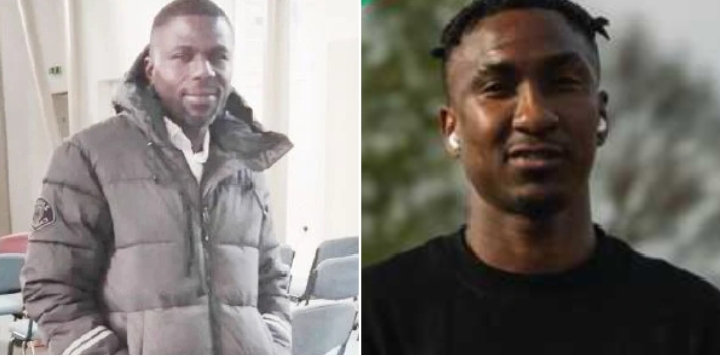
In early 2026, the Nigerian diaspora was confronted with a somber reality that resonated across communities both in the United Kingdom and elsewhere. On 21 January 2026, Douglas Izevbigie, a 37-year-old Nigerian international student at Sheffield Hallam University, passed away after battling an aggressive form of leukaemia. Douglas had relocated to the UK to pursue a master’s degree and had invested considerable effort into balancing his academic commitments with intensive medical treatment.
His death was particularly jarring for many Nigerians because it underscored the precarious position of ordinary citizens living abroad, navigating foreign healthcare systems while maintaining personal and professional aspirations.
The circumstances of his passing—being found unwell and unresponsive in his residence before being taken to emergency care—highlighted both the physical vulnerability caused by chronic illness and the psychological burden of managing serious health conditions far from family and home support networks. Douglas’ case sparked urgent discussions within diaspora communities about early health screening, accessibility to medical care, and the need for proactive health management among Nigerians who relocate overseas for education, work, or business opportunities.
Unlike prominent figures whose deaths are widely reported immediately, Douglas’ story resonated because it mirrored the experiences of countless ordinary Nigerians facing similar challenges. His passing prompted many community members to share personal experiences of illness, hospitalisation, and the difficulties of navigating complex healthcare systems without immediate family support.
Chronic Illness Among the Diaspora
Douglas’ diagnosis of an aggressive form of leukaemia, midway through his master’s degree, was a stark reminder of the challenges associated with chronic illnesses for Nigerians living overseas. Leukaemia, a serious blood cancer, requires frequent hospital visits, chemotherapy cycles, and constant monitoring to manage complications. In Douglas’ case, the treatment process coincided with the pressures of advanced academic study, creating a compounded strain that many overseas students face quietly. The dual demands of educational achievement and intensive medical care highlight the often invisible struggles of diaspora members who must maintain personal ambitions while confronting life-threatening illnesses.
His passing is part of a broader narrative concerning chronic illnesses and health vulnerabilities among Nigerians abroad. While chronic conditions are common globally, their impact is magnified for individuals who may have limited family presence, unfamiliarity with local healthcare procedures, and financial constraints that make continuous treatment more challenging. Diaspora members frequently rely on student health insurance plans, local hospitals, and community networks to navigate care, but gaps in these systems can leave patients isolated during critical health events. Douglas’ death prompted not only mourning but also community reflection on whether more proactive screening and preventive measures could reduce mortality among Nigerians in similar circumstances.
Other Ordinary Nigerians Whose Deaths Sparked Concern
Douglas’ death was not an isolated case. Across recent years, multiple ordinary Nigerians living abroad have passed away under circumstances that raised questions about healthcare access, chronic illness management, and community support networks. One such case was Saburi Adeniji, a Nigerian footballer who played for Kings Park Rangers in Suffolk, UK. In early 2026, Saburi died after a severe brain stem injury that left him in intensive care for an extended period. Although his condition was not strictly a chronic illness, his death drew attention to the vulnerability of Nigerian expatriates to unexpected health crises and the need for timely medical intervention and community support during prolonged hospitalisation.
Similarly, during the COVID-19 pandemic, at least 13 Nigerians reportedly died from complications of the virus while in the UK and the United States. These individuals represented a cross-section of the diaspora including medical professionals, students, and other regular community members. Their deaths highlighted not only the immediate dangers of infectious diseases but also the broader issue of how diaspora populations navigate healthcare systems during global health emergencies. The shared experiences of illness, isolation, and mortality during COVID-19 became a point of reflection for many Nigerians considering relocation or who were already living abroad, raising awareness of the importance of maintaining strong connections with family, community, and health services.
Isolation and the Unclaimed
Between 1996 and 2021, records indicate that 56 Nigerians officially died in the United Kingdom without any next of kin to claim their estates. Although individual causes of death were not always documented, these cases highlighted another dimension of vulnerability: social isolation. Many ordinary Nigerians living abroad, especially students and young professionals, relocate without extended family or extensive community networks. In circumstances of illness or sudden health crises, these individuals may experience heightened risks due to lack of immediate support. The existence of unclaimed estates and undocumented deaths signals a broader structural concern regarding diaspora safety, integration, and the need for proactive community engagement. It also raised questions about how health systems, local authorities, and community organizations can provide oversight, early intervention, and support to minimize the risks associated with living alone or in isolation.
Community responses to such unclaimed cases have varied from attempts to locate family members to organizing memorials for diaspora members who pass unnoticed. These measures emphasize the cultural and social importance Nigerians place on burial, remembrance, and communal support. In diaspora contexts, where family networks are often stretched across continents, the absence of direct family can turn ordinary deaths into broader community concerns, prompting reflection on the importance of local Nigerian associations, student unions, and informal support networks to act as proxies in emergencies.
Health Awareness and Early Detection
One of the consistent themes emerging from these cases is the importance of health awareness and early detection. Douglas Izevbigie’s diagnosis midway through his master’s program demonstrates that serious chronic illnesses can develop rapidly and progress aggressively, even in young adults. For diaspora members, the timing of relocation, enrollment in local health insurance, and immediate registration with general practitioners are critical steps in ensuring access to early diagnosis and treatment. Social media discussions following Douglas’ death highlighted the importance of knowing local emergency numbers, scheduling routine medical screenings, and maintaining vigilance for symptoms of serious illness.
Moreover, awareness campaigns in diaspora communities have increasingly focused on educating Nigerians about preventive healthcare, mental health support, and lifestyle management. Chronic illnesses often intersect with stress, dietary changes, and unfamiliar environments, making proactive engagement with local healthcare providers essential. Fundraising and peer support networks have emerged as vital tools to bridge gaps in healthcare access, especially for students and young professionals who may not have extensive financial or familial resources to manage long-term treatment.
Community Support and Diaspora Safety Nets
The deaths of ordinary Nigerians abroad often underscore the limitations of diaspora safety nets. In Douglas’ case, friends and fellow students shared condolences, organized support initiatives, and highlighted the challenges of balancing medical treatment with academic responsibilities. Community engagement in response to illness and death abroad demonstrates both the resilience and the gaps present in support networks for ordinary Nigerians.
Fundraising campaigns for medical treatment or funeral costs have become increasingly visible, revealing the informal mechanisms through which diaspora communities address critical health events. While these measures provide essential support, they also reveal systemic vulnerabilities. Many Nigerians living abroad, especially those without extended family, rely heavily on peers, student groups, and social networks to navigate emergencies, creating an environment where the death of a single individual becomes a communal concern. These experiences have prompted Nigerian organizations abroad to develop structured mentorship, health monitoring, and emergency support programs aimed at reducing the risks associated with living and studying overseas.
Broader Lessons from Health Crises
Deaths such as Douglas Izevbigie’s extend beyond individual grief and resonate as case studies for diaspora health planning. They highlight the importance of early health screenings prior to relocation, continuous monitoring for chronic illnesses, and familiarization with local healthcare systems. Similar lessons emerged from COVID-19 related deaths and cases of sudden illness or injury among Nigerians abroad. Collectively, these examples underscore the need for a proactive approach to health management that combines medical preparedness, financial planning, and community support to mitigate risks.
The discussion also reflects the broader societal value placed on well-being, communal responsibility, and the recognition that ordinary citizens can face extraordinary challenges when separated from familiar support structures. By highlighting these deaths, diaspora communities are not merely mourning individuals but are collectively emphasizing the structural and preventive measures necessary to protect the welfare of Nigerians living internationally.
Cases of Isolation and Limited Reporting
Beyond publicly named individuals, there are numerous cases where ordinary Nigerians have died abroad with minimal media reporting. Instances include individuals found unresponsive in residences in Canada or other countries, often without immediate family awareness. In early 2024, a Nigerian living alone in Canada was discovered dead in his apartment after several days of being unresponsive. Social media reports from family members indicated uncertainty about circumstances, highlighting the challenges of remote monitoring and emergency notification.
Such cases point to the vulnerability of isolated diaspora members, emphasizing the need for robust community systems and local engagement initiatives. These deaths, while often anonymized in public reporting, serve as reminders of the critical role of proactive health management, peer networks, and accessible local support for Nigerians living abroad. They also raise questions about policies and interventions that could prevent deaths caused by delayed medical attention, inadequate information, or the absence of immediate social contacts.
Why These Nigerian Deaths Abroad Are Widely Discussed
While many deaths remain private or anonymized, certain cases have become widely discussed due to public reaction, media coverage, or social media amplification. The deaths of Nigerians due to chronic illness, unexpected health crises, or complications from global health emergencies have served to elevate awareness of the challenges faced by ordinary Nigerians overseas. These narratives provide an important human dimension to diaspora experiences, illustrating the intersection of personal vulnerability, healthcare access, and community engagement.
Each of these cases, from Douglas Izevbigie to unnamed individuals, contributes to a collective understanding of how ordinary Nigerians navigate the risks of living abroad. Public discussions catalyzed by these deaths often focus on preventive care, emergency preparedness, and the social responsibilities of diaspora communities to monitor and support one another, ensuring that ordinary Nigerians are not left to confront life-threatening conditions alone.
Implications for Nigerian Diaspora Policy and Awareness
The repeated pattern of health-related deaths among ordinary Nigerians abroad suggests the need for systemic approaches to diaspora well-being. Universities, employers, and community associations can collaborate to ensure that Nigerian students and professionals are registered with local healthcare providers, have adequate health insurance coverage, and receive guidance on preventive care. Initiatives such as mentorship, health education workshops, and emergency response planning can help mitigate risks.
Furthermore, the Nigerian government and consular services may play a role in disseminating information about healthcare access abroad, promoting early detection programs, and maintaining emergency contact channels. While individual responsibility remains central, the collective effort of community and government structures can strengthen the safety net for Nigerians living overseas. The deaths of ordinary Nigerians such as Douglas Izevbigie illuminate these needs in concrete, deeply human terms, urging attention not just to personal narratives but to systemic interventions capable of saving lives.
Takeaway
The story of Douglas Izevbigie and similar cases of ordinary Nigerians who have died abroad highlights multiple interwoven realities. They reveal the human cost of chronic illness and unexpected health crises, the vulnerabilities associated with isolation, and the critical importance of community support systems. These deaths encourage broader reflection on healthcare access, preventive care, and the responsibilities of diaspora communities to monitor and support their members. They also underscore the need for awareness campaigns, structured networks, and proactive engagement with medical services in foreign countries.
In reflecting on these losses, Nigerians both in the diaspora and at home are confronted with the urgent necessity of combining personal vigilance with communal responsibility. The narratives of Douglas Izevbigie, Saburi Adeniji, unnamed individuals, and others collectively provide lessons for living safely and healthily abroad.
They underscore that ordinary lives, while often unheralded, carry profound lessons about resilience, preparedness, and the power of community, even when distance and circumstance create formidable challenges. Each death, though tragic, becomes a catalyst for awareness, dialogue, and proactive measures that aim to protect the health and well-being of Nigerians living outside their homeland.



Discussion about this post