
Nigeria is facing a growing health crisis that is affecting millions of citizens across urban and rural communities, and the year 2026 has brought a renewed focus on the causes behind rising organ failure and heart disease.
Reports from leading Nigerian news platforms, indicate that scientists and health experts are uncovering complex links between environmental pollution, contaminated foods, lifestyle choices, genetics, and chronic illnesses.
These developments are not only medical but deeply social, as families, communities, and healthcare systems struggle to cope with the human and economic costs of chronic illness. The new findings from February 2026 reinforce the urgent need for coordinated responses from government agencies, researchers, and citizens alike to understand the root causes of organ and heart disease in Nigeria.
The investigations reported online reveal that the mechanisms behind these illnesses are not straightforward, with multiple contributing factors intersecting to increase risk.
Contaminated Foods and Heavy Metals
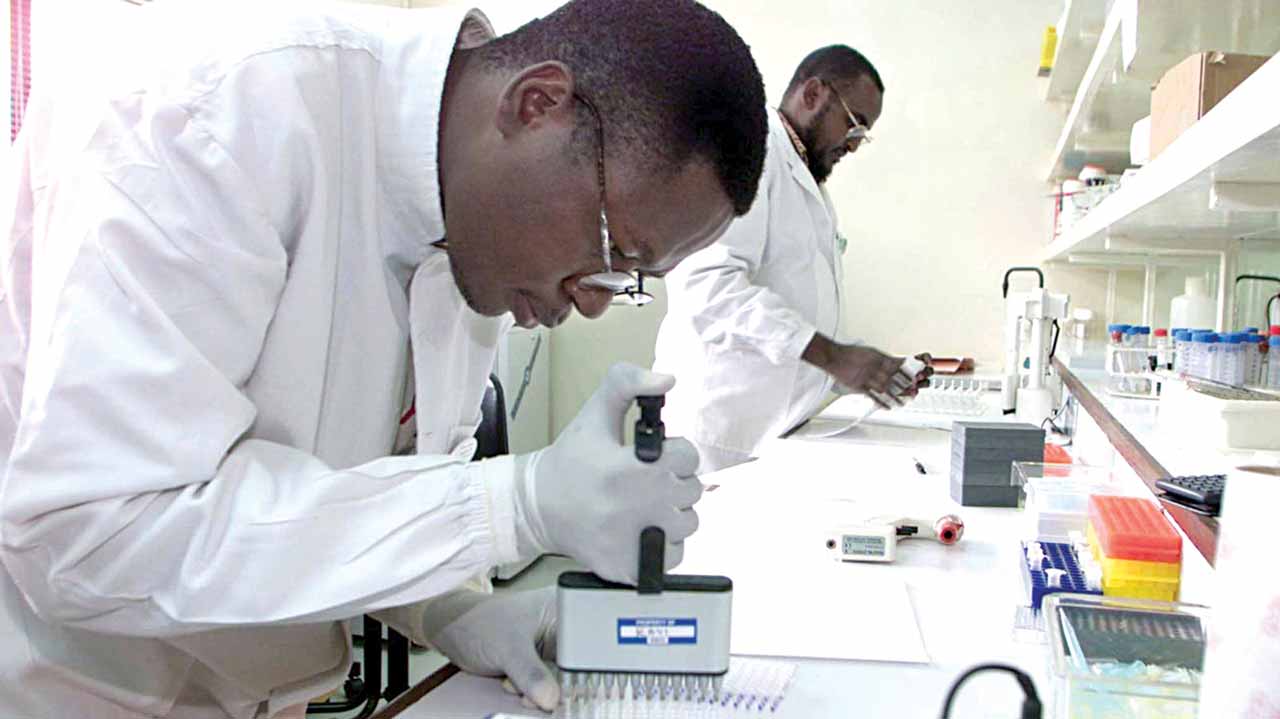
The Federal Institute of Industrial Research, Oshodi, released a detailed report on 17 February 2026 revealing that many cases of organ failure and cardiovascular disease in Nigeria may be linked to contaminated foods processed using locally fabricated grinding machines. Researchers found alarming levels of heavy metals such as lead, chromium, nickel, cadmium, and manganese in staples like grains, spices, and processed snacks. The accumulation of these metals in human tissues over time can contribute to chronic organ dysfunction, particularly affecting the liver, kidneys, and heart. Urban areas such as Lagos were identified as hotspots for such contamination due to high reliance on locally processed foods and street vending. The report emphasized that the levels of contamination exceeded international safety standards outlined by the World Health Organization and the Food and Agriculture Organization.
Experts have warned that chronic exposure to heavy metals damages organs gradually, which makes the effects almost invisible until serious symptoms appear. Lead, for instance, is known to disrupt cardiovascular regulation and kidney function while cadmium can cause chronic kidney disease and bone weakening. Manganese and chromium, when present in high concentrations, may exacerbate heart disease and increase blood pressure over time. These findings underscore the importance of both public education on food safety and regulatory enforcement on local food processing practices. The FIIRO study emphasizes that addressing heavy metal contamination requires a coordinated approach that includes inspections, quality control, and awareness campaigns targeted at local food vendors, manufacturers, and consumers.
Hypertension and Its Role in Heart Disease
Parallel to environmental factors, hypertension remains a leading contributor to heart disease and organ failure in Nigeria. A Guardian Nigeria health report from January 2026 described high blood pressure as a silent epidemic affecting millions, many of whom are unaware of their condition until complications arise. Hypertension damages arteries, the heart, and the kidneys over time, increasing risks for stroke, heart failure, chronic kidney disease, and eventual organ failure. Studies show that untreated hypertension often coincides with lifestyle risk factors such as high salt consumption, sedentary behavior, stress, and excessive alcohol intake, which are prevalent in Nigeria’s rapidly urbanizing population.
The interplay between environmental contamination and hypertension can compound health risks, with heavy metals potentially exacerbating vascular stress and metabolic dysfunction. This creates a dual burden where dietary and lifestyle factors interact with toxic exposures to accelerate disease progression. Health experts advocate for routine screening programs in both rural and urban areas, as early detection of high blood pressure can prevent progression to irreversible organ damage. The urgency for such measures has become more pronounced in 2026 as hospitals across Lagos, Abuja, and Port Harcourt report increasing numbers of hypertensive patients presenting with advanced cardiovascular and kidney complications.
Kidney Disease and Synthetic Products
Another critical factor contributing to organ failure in Nigeria is the rise of chronic kidney disease, often linked to contaminated foods, synthetic products, and fake medications. Medical consultants and urologists across the country have highlighted that certain communities, especially in industrial zones or areas with limited regulatory oversight, are at heightened risk. Regular checkups, proper hydration, dietary monitoring, and the avoidance of counterfeit drugs are now emphasized as preventive measures. The overlap between synthetic food additives and heavy metal exposure creates a hazardous environment for kidneys, which are central to filtering toxins from the body. Over time, kidney dysfunction can progress silently, ultimately affecting cardiovascular health and leading to systemic organ failure.
The healthcare system faces challenges in managing this growing epidemic because the majority of patients present only when irreversible organ damage has already occurred. Treatment options such as dialysis are limited to urban hospitals and are costly, making prevention and early detection paramount. Experts also note that cultural and economic factors influence dietary choices, often pushing individuals toward cheaper processed foods, which may be contaminated or laden with synthetic additives. This reinforces the need for comprehensive public health campaigns that not only educate the public but also regulate food and drug production effectively.
Genetics and Environmental Interplay
In addition to environmental and lifestyle factors, genetic predisposition plays a critical role in organ and heart disease. Research involving West African populations has identified specific gene variants, including APOL1, which increase susceptibility to kidney disease. Individuals with these genetic factors are more vulnerable to organ damage when exposed to environmental hazards such as contaminated food, industrial pollutants, or chronic high blood pressure. This complex interaction highlights that organ failure in Nigeria is rarely caused by a single factor but results from cumulative risks that span genetics, lifestyle, and environmental exposures.
Health experts emphasize that understanding these genetic predispositions can aid in targeted interventions. Screening programs for high-risk populations, combined with personalized health education, could mitigate the impact of genetic vulnerabilities. In urban centers, where heavy metal exposure and processed food consumption are higher, these genetic risk factors further exacerbate the disease burden. Consequently, policy recommendations now include integrating genetic awareness with environmental monitoring and lifestyle modification programs to address the multifaceted causes of organ failure and cardiovascular disease in Nigeria.
Public Health Implications
The 2026 findings from Legit.ng and other credible sources carry profound implications for Nigeria’s public health strategy. Rising rates of heart disease, kidney failure, and organ dysfunction threaten to overwhelm the healthcare infrastructure, increase economic costs, and reduce life expectancy if left unchecked. Public health authorities are now urged to focus on preventive measures, including routine screenings, stricter food safety enforcement, urban pollution management, and public education campaigns targeting lifestyle changes. The combined approach must address dietary habits, environmental exposures, and access to healthcare services.
Communities and families are encouraged to take proactive steps, such as regular medical checkups, awareness of blood pressure levels, avoidance of contaminated and synthetic foods, and early engagement with medical professionals at the first signs of cardiovascular or kidney complications. In addition, policymakers must coordinate with research institutions, healthcare providers, and regulatory agencies to implement effective monitoring and intervention strategies. The findings of February 2026 underscore that without immediate action, organ failure and heart disease could escalate into a national health crisis with severe social and economic consequences.
Recommendations from Experts
Experts suggest several interventions to mitigate the rising health crisis in 2026. These include:
- Improving regulatory oversight of food processing machines, especially locally fabricated grinders prone to heavy metal contamination.
- Launching nationwide awareness campaigns on hypertension and cardiovascular disease, including education on diet, exercise, and routine screenings.
- Expanding access to affordable healthcare services, particularly for kidney disease management, early detection of organ dysfunction, and cardiovascular care.
- Conducting genetic screening programs for high-risk populations to enable targeted preventive interventions.
- Encouraging local research collaborations to continuously monitor environmental, dietary, and lifestyle factors contributing to organ failure and heart disease.
- Strengthening urban infrastructure to reduce environmental pollutants that exacerbate cardiovascular and kidney diseases.
- Promoting transparent reporting of contaminated or synthetic products to enforce accountability in food and drug industries.
Experts insist that addressing these areas holistically, rather than piecemeal, will be necessary to curb the rising incidence of organ failure and heart disease in Nigeria. Prevention, early detection, and strategic intervention are key to reducing the burden of chronic illness in 2026 and beyond.
Case Studies and Observations
Field observations across urban areas like Lagos, Abuja, and Port Harcourt indicate that hospital wards are increasingly filled with patients suffering from advanced cardiovascular disease and chronic kidney failure. Many of these patients had been asymptomatic for years, highlighting the silent progression of hypertension and organ damage. In Lagos, doctors note that heavy metal contamination in processed street foods is a common factor, while in Abuja, lifestyle-related hypertension is the main driver of cardiovascular complications. Rural communities face challenges related to synthetic agricultural products and unregulated medications, which have contributed to rising kidney disease cases. These observations illustrate that organ failure in Nigeria is not confined to one type of population or geographic region but is influenced by multiple interconnected factors.
Experts recommend that each case should be approached with a combination of medical, environmental, and lifestyle interventions. Community health initiatives that educate citizens on safe food practices, the risks of synthetic additives, and the importance of routine medical checks are being piloted in selected states. The goal is to reduce disease progression before hospitalization becomes necessary, which would significantly lower mortality rates and healthcare costs.
Broader Scientific Context
The findings from Nigeria fit within global scientific understanding of organ failure and cardiovascular disease. Hypertension, chronic kidney disease, and exposure to environmental toxins are recognized worldwide as major contributors to organ dysfunction. Research in West Africa demonstrates that genetics can modulate susceptibility to these conditions, while lifestyle and diet remain critical factors. The Nigerian scenario in 2026 reflects the convergence of these global patterns with local environmental and societal conditions, creating a health crisis that requires both localized and systemic interventions.
International organizations, including the World Health Organization, emphasize that prevention through regulation, education, and early medical intervention is far more effective than reactive treatment. Nigeria’s rising rates of organ failure and heart disease highlight the urgent need for alignment with global public health strategies while addressing unique local risk factors such as heavy metal contamination in urban food systems and widespread hypertension.
Closing Thoughts
The latest scientific reports and public health investigations in 2026 present a clear picture: organ failure and heart disease in Nigeria result from a complex interplay of environmental contamination, hypertension, genetic predisposition, dietary choices, and unregulated synthetic products.
Findings from the Federal Institute of Industrial Research in Oshodi, along with reports from media outlets, underline that this is not a single-issue problem but a multifactorial crisis requiring urgent attention. Preventive strategies, enhanced healthcare access, and community education are critical to mitigate the rising burden of chronic illnesses.
Without concerted action, organ failure and heart disease threaten to escalate further, impacting lives, communities, and the national healthcare system. Nigerian citizens, researchers, policymakers, and healthcare professionals must act collectively to address the root causes identified in 2026 and protect the health of future generations.




Discussion about this post