
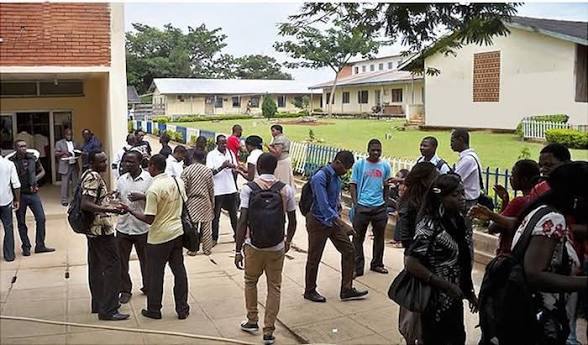
The month of February 2026 marked a period of intense scrutiny and disciplinary action within Nigerian universities, reflecting the growing concern of authorities over misconduct among students and alumni. Across the country, campuses that were traditionally seen as spaces for intellectual growth and personal development have increasingly faced challenges, including examination malpractice, cult-related activities, drug possession, theft, and result falsification.
These developments have not only captured headlines, but also stirred discussions among students, faculty, and the general public about the standards of accountability and the responsibilities of higher institutions in shaping ethical, law-abiding graduates. The unfolding events provide a window into the complex dynamics of student life, and the enforcement measures taken by university authorities during this period.
UNICAL Suspensions Over Examination Malpractice and Forged Results
On February 2026, the University of Calabar, also known as UNICAL, took a firm stance on academic misconduct when the Senate of the institution announced the suspension of 9 students for two academic sessions. This decision followed thorough investigations by the university Senate’s disciplinary committees, which determined that five students were involved in examination malpractice, while four had submitted forged academic results. The announcement was made public in early February, and immediately generated considerable debate among students and education commentators.
The suspensions highlighted not only the vigilance of UNICAL authorities in addressing breaches of academic integrity, but also raised questions about the fairness and transparency of enforcement procedures. Students and alumni expressed mixed reactions: some emphasized the necessity of strict measures to preserve the credibility of the university’s degrees, while others criticized the severity and timing of the sanctions, calling them potentially disruptive to academic progress.
The disciplinary action at UNICAL came in the wake of previous incidents that had already raised concern among the administration about rising cases of academic dishonesty. By suspending students for two full academic sessions, the university signaled its commitment not only to punish infractions, but also to deter potential future violations.
Faculty members stressed that academic success must be earned through merit, and that the reputation of the institution depends on consistent adherence to standards. On the other hand, some students called for counseling programs or alternative remedial measures, arguing that punitive actions alone might not address underlying issues, such as peer pressure or lack of academic preparation. These conversations extended beyond the campus itself, as social media and national press outlets began analyzing the broader implications for Nigerian universities in maintaining ethical academic cultures.
University of Abuja Mass Expulsions and Certificate Withdrawals
In February 2026, the University of Abuja implemented one of the most extensive disciplinary crackdowns seen in recent years, when the university Senate approved the expulsion of 28 current students, and the withdrawal of academic certificates from fifteen former students. This action was prompted by serious offences, including examination malpractice, cult-related activities, drug possession, theft, assault, and falsification of academic results.
The announcement of expulsions and certificate revocations drew attention nationwide, because of its scale and the variety of infractions involved. University authorities emphasized that disciplinary measures were guided by established regulations, and were necessary to preserve the integrity of the institution, and protect the welfare of compliant students. By targeting both current and former students, the university signaled that accountability extends beyond mere enrollment, and that past misconduct can be reviewed and sanctioned if left unresolved.
The UniAbuja episode underscores the delicate balance between enforcing discipline and ensuring justice in higher education settings.
Public Reaction to UniAbuja Measures
Following the February 2026 expulsion and certificate revocation announcement, the public response was immediate and varied. Students expressed concerns about what they described as an increasingly punitive environment in Nigerian universities. Many argued that while misconduct must be addressed, schools must also provide mentorship, guidance, and support systems to prevent such infractions. Parents voiced anxiety over the implications for their children’s futures, while educators debated whether the actions were consistent with the principles of restorative justice, or merely punitive.
National media outlets analyzed the broader trends in campus misconduct, highlighting that disciplinary cases like this are not isolated, but part of a rising concern regarding ethics and conduct in Nigerian tertiary institutions.
The public discourse following UniAbuja’s crackdown also touched on the underlying social and economic factors that may contribute to student misbehavior. Some commentators noted that peer pressure, the lure of quick financial gains, and inadequate academic preparation could increase susceptibility to infractions.
Others highlighted the need for universities to establish stronger counseling services, comprehensive orientation programs, and ongoing academic mentorship to address root causes. The debate also prompted calls for uniform policies across federal universities, to ensure fairness and prevent perceptions of selective enforcement. These discussions reflected the complexity of balancing institutional authority with the developmental needs of young adults navigating increasingly challenging educational landscapes.
Tensions Erupt at UNICAL Over Exam Omissions
Reports surfaced in early March 2026 that tension was rising at the University of Calabar, as over two hundred students were allegedly omitted from scheduled examinations. These omissions sparked protests, and fueled dissatisfaction with administrative processes on campus. Students argued that their exclusion was arbitrary, unfair, and poorly communicated, while the administration insisted that omissions resulted from verified eligibility criteria, including registration compliance, academic standing, and adherence to departmental requirements. The emerging unrest compounded the earlier disciplinary actions against nine students, and highlighted ongoing challenges in maintaining order and fairness in academic administration.
The situation at UNICAL also provided insight into how students perceive institutional authority, and how quickly grievances can escalate into public demonstrations. While authorities attempted to explain procedural justifications for the omissions, students and representatives engaged in discussions seeking transparency and resolution.
The episode brought attention to the importance of clear communication from administrative offices, to avoid misunderstandings and prevent escalation. Faculty members emphasized that maintaining standards requires both consistency in enforcement, and effective student engagement, to ensure that processes are understood and accepted. The dual pressures of discipline and operational transparency created a climate of heightened vigilance on campus during this period.
Broader Context of Campus Misconduct
The disciplinary events of February 2026 at UNICAL and UniAbuja are emblematic of broader trends across Nigerian higher education institutions. Across the nation, reports indicate that universities face increasing challenges from examination malpractice, cult activities, drug use, and other forms of misconduct. These trends have prompted calls for systemic reforms, including improved security measures, enhanced student counseling programs, stronger ethics education, and more rigorous academic monitoring. In this environment, universities must balance the need to enforce rules with the imperative to support student development, and maintain a positive learning environment.
The visibility of such controversies also raises questions about societal perceptions of higher education. Graduates who have engaged in misconduct risk undermining public confidence in the value of university credentials. Consequently, disciplinary actions serve not only as deterrents, but also as public statements about institutional commitment to integrity.
Educators emphasize that effective disciplinary frameworks should integrate preventative strategies, education, mentoring, and rehabilitation, rather than rely solely on punitive measures. By addressing both immediate infractions and long-term cultural norms, institutions can hope to cultivate ethical communities that reinforce accountability, and civic responsibility.
Humanizing the Impact of Disciplinary Actions
Behind each suspension, expulsion, or certificate withdrawal is a deeply human story involving students, families, faculty, and administrators. The students directly affected face interruptions in academic progress, social stigma, and uncertainty regarding career paths. Parents confront difficult conversations, and potential financial burdens, while faculty members experience the emotional weight of enforcing difficult decisions.
The broader student body observes consequences and recalibrates behavior, while grappling with questions about fairness and justice. The human dimension of these disciplinary cases underscores that universities are more than regulatory entities: they are communities shaped by relationships, ethical commitments, and shared goals.
Lessons Learned and Moving Forward
The February 2026 disciplinary actions at UNICAL and UniAbuja offer important lessons for higher education in Nigeria. First, the importance of clear procedural guidelines, and transparent enforcement mechanisms, cannot be overstated. Students are more likely to accept sanctions when they perceive processes as fair, consistent, and communicative. Second, the need for preventive measures, including ethics education, counseling programs, mentorship, and peer support networks, is critical in reducing incidents of misconduct. Third, engagement with the public, media, and broader educational stakeholders helps contextualize actions, and fosters constructive dialogue about accountability standards.
These lessons also underscore the role of universities as both educators and guardians of societal trust. Maintaining academic integrity requires vigilance, proactive management of behavioral risks, and commitment to ethical norms. It also requires ongoing reflection about the adequacy of disciplinary frameworks, and their alignment with human developmental needs. As universities implement reforms, and navigate complex cases, the goal remains to produce graduates who are not only knowledgeable, but also principled, responsible, and capable of contributing positively to society.
Concluding Reflections
The events of February 2026 at Nigerian federal universities demonstrate the complex interplay of misconduct, discipline, human response, and public scrutiny. At UNICAL, nine students faced suspensions for examination malpractice and forged results, while at UniAbuja, twenty-eight students were expelled, and fifteen alumni had certificates withdrawn.
Public reactions ranged from support for strict enforcement to calls for fairness and procedural review. Tensions at UNICAL over exam omissions further highlighted the delicate balance institutions must maintain between maintaining standards, and ensuring transparency. Collectively, these incidents illuminate ongoing challenges in Nigerian higher education, and the pressing need for comprehensive approaches that integrate enforcement, mentorship, and ethical education.
As the academic year progresses, the impact of February 2026 disciplinary actions will continue to resonate among students, faculty, and society at large. The lessons drawn from these cases provide insights into institutional responsibility, the cultivation of integrity, and the human costs of misconduct.




Discussion about this post