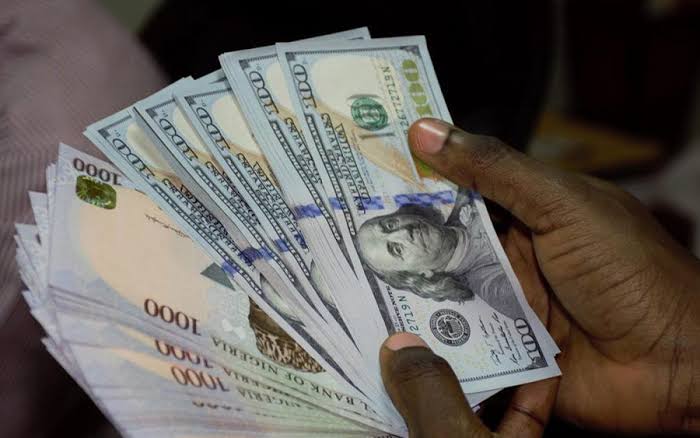
The dollar to naira rate today, Wednesday, November 4, 2026, is about ₦1,346.93 at the official Nigerian Foreign Exchange Market (NFEM) and about ₦1,390 at Bureau De Change (BDC) operators on the parallel market, popularly called the black market. The gap between the two is roughly ₦43 per dollar.
The official figure is the latest one the Central Bank of Nigeria (CBN) has published, which is Tuesday’s weighted average. The CBN posts each day’s rate after trading closes, so Wednesday’s number will not appear until tonight.
Some outlets quote the official rate slightly differently. You will see ₦1,346.43 in some reports and ₦1,347.75 in others. The differences come down to which CBN figure each outlet uses, such as the weighted average, the closing rate or the indicative rate.
The Official NFEM and CBN Rate
The naira has been remarkably steady at the official window. On Friday, October 30, the NFEM averaged ₦1,346.26 per dollar and closed at ₦1,346.00. On Monday, November 2, the average was ₦1,347.94 and the session closed at ₦1,346.01. On Tuesday the naira firmed by about ₦1 to ₦1,346.93.
That is a narrow band by Nigerian standards. The CBN’s reference rate follows the NFEM weighted average, so these are effectively the same number.
Black Market Dollar to Naira Rate Today
Dealers quoted the dollar at about ₦1,380 to buy and ₦1,390 to sell on Wednesday morning. Aboki FX, a widely watched tracker, put the Lagos rate at ₦1,390. Some dealers pushed to ₦1,395 on Tuesday, and the parallel market’s buying rate rose by ₦8 that day.
Parallel rates vary by city, dealer and transaction size. A dealer in Lagos may quote differently from one in Kano or Port Harcourt, so treat these figures as a guide and confirm before you trade.
What Is Moving the Naira
External reserves. Nigeria’s reserves stood at about $55.26 billion on October 28, according to CBN data. That is well above the bank’s own year-end target of $51.04 billion and among the highest levels in nearly two decades. They have grown by more than $9 billion since January.
Mid-October reports of a jump to $58.81 billion were later corrected by the CBN, which put the October 9 figure at $55.07 billion. Treat any reserve number above $56 billion with caution unless it comes from the CBN itself.
Interest rates. At its September meeting, the Monetary Policy Committee cut the Monetary Policy Rate by 350 basis points, from 26.5% to 23%. Lower rates can make naira assets less attractive to foreign investors chasing yield, so traders are watching how that plays out.
Dollar demand. Activity at the NFEM can swing sharply from day to day. Turnover topped $1 billion on October 6, against about $619 million the day before. Spikes in importer and corporate demand tend to push the naira weaker, as happened for part of October.
Higher reserves do not guarantee a stronger naira. The October pullback came while reserves were still near record levels.
What This Means for You
If you are paying school fees abroad, settling an import invoice or sending money out, the cost of a dollar still depends heavily on which window you can access. Official-window access usually comes through authorised dealer banks and is subject to documentation. The parallel market is faster but costs about 3% more at current rates.
For anyone holding naira, the recent stability is welcome. But a gap of ₦43 per dollar shows that the two markets have not fully converged.
Frequently Asked Questions
What is the dollar to naira rate today?
The official NFEM rate is about ₦1,346.93 per dollar, and the black market selling rate is about ₦1,390.
What is the CBN dollar rate today?
The CBN’s reference rate follows the NFEM weighted average, which was ₦1,346.93 in the latest published data.
What is the black market dollar rate today?
Dealers are buying at about ₦1,380 and selling at about ₦1,390 per dollar, with some quoting up to ₦1,395.
How much is $100 in naira today?
About ₦134,693 at the official rate and ₦139,000 on the parallel market.
Why is there no new official rate on weekends?
The NFEM does not publish fresh rates on weekends, so weekend reports reuse Friday’s figure.