


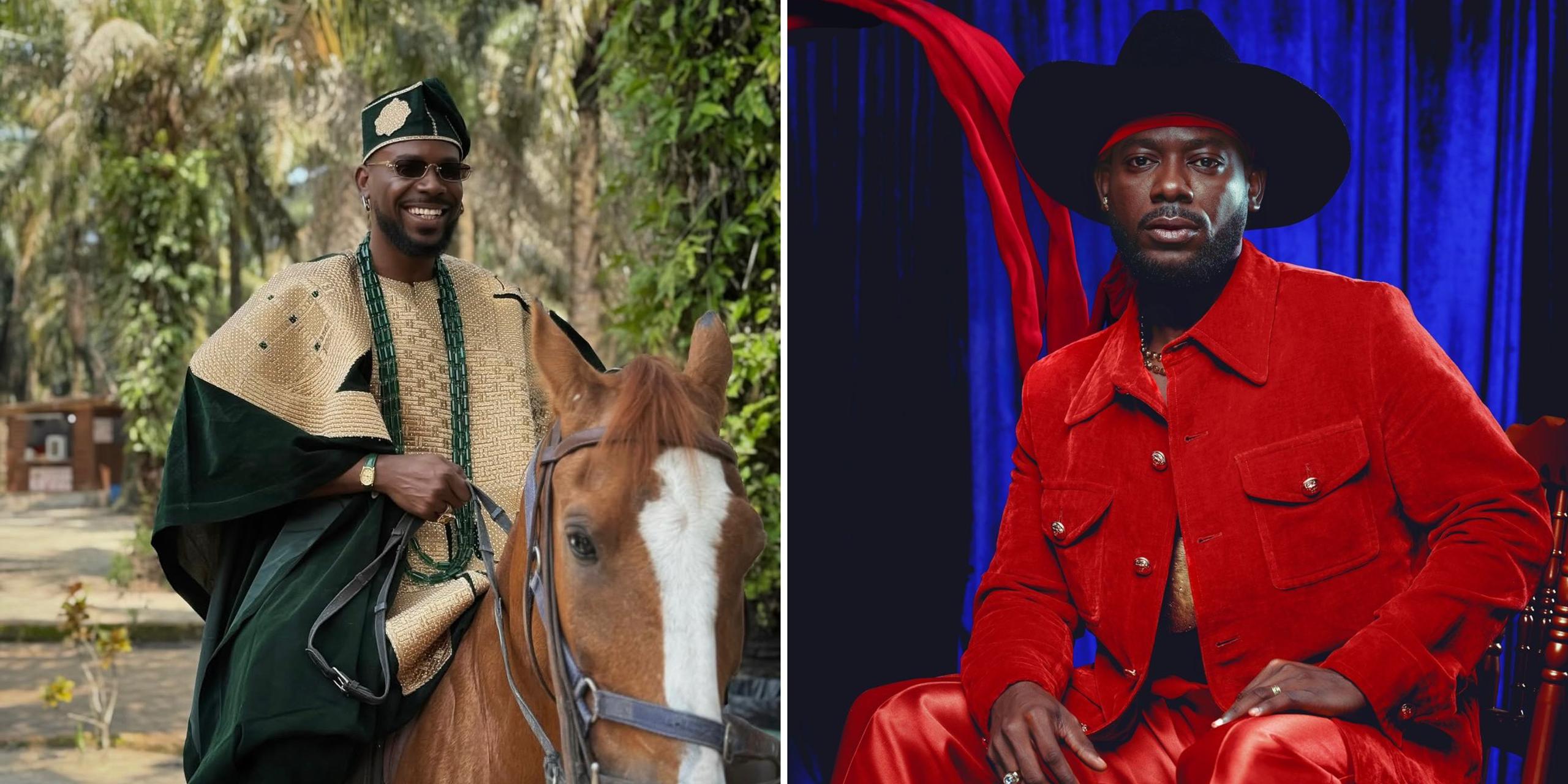
When Adekunle Gold stood on stage in Lagos in 2024, microphone in hand and voice soaked in gratitude, the moment felt intimate. He told a cheering crowd:
“Our sickle cell survivors, our warriors that are currently going through it. If I can do it, you can do it. I was born with sickle cell, I grew up with sickle cell and all my life I fought with it. But I’m thankful that I was able to manage it. I don’t fall sick, I don’t know how that’s happened but I’m thankful.”
The crowd erupted, but behind that simple sentence was a story decades in the making — one of pain, survival, stigma, and ultimately, purpose.
Adekunle Gold, the Nigerian hitmaker celebrated for turning life’s raw moments into art, has become one of the most powerful voices for sickle cell awareness in Africa.
Born Adekunle Almoruf Kosoko on January 28, 1987, in Lagos, Nigeria, Gold grew up like many children who were curious, artistic, and full of dreams. But unlike most, he battled a lifelong companion: sickle cell disease (SCD). SCD is a genetic blood disorder that causes excruciating pain, fatigue, and life-threatening complications.
In a heartfelt 2022 newsletter, he opened up fully for the first time:
“I was born with sickle cell disease. It was life and death. It was physical, mental, and financial, you name it, and I went through it all.”
He recalled sleepless nights of searing pain, hospital visits that drained his family’s finances, and the emotional toll of being “the sick child.” As a teenager, the burden felt unbearable. He added:
“One of the most intense crises I ever had, I remember lying in my bed at night, begging God to take my life.”
Those nights, and the prayers that followed would eventually shape not only the man he became but also the artist he is today. His music, often threaded with themes of resilience and gratitude, reflects the quiet strength born from years of managing a chronic condition that could have taken his life long before fame ever found him.
A Life Written in ‘Blood’
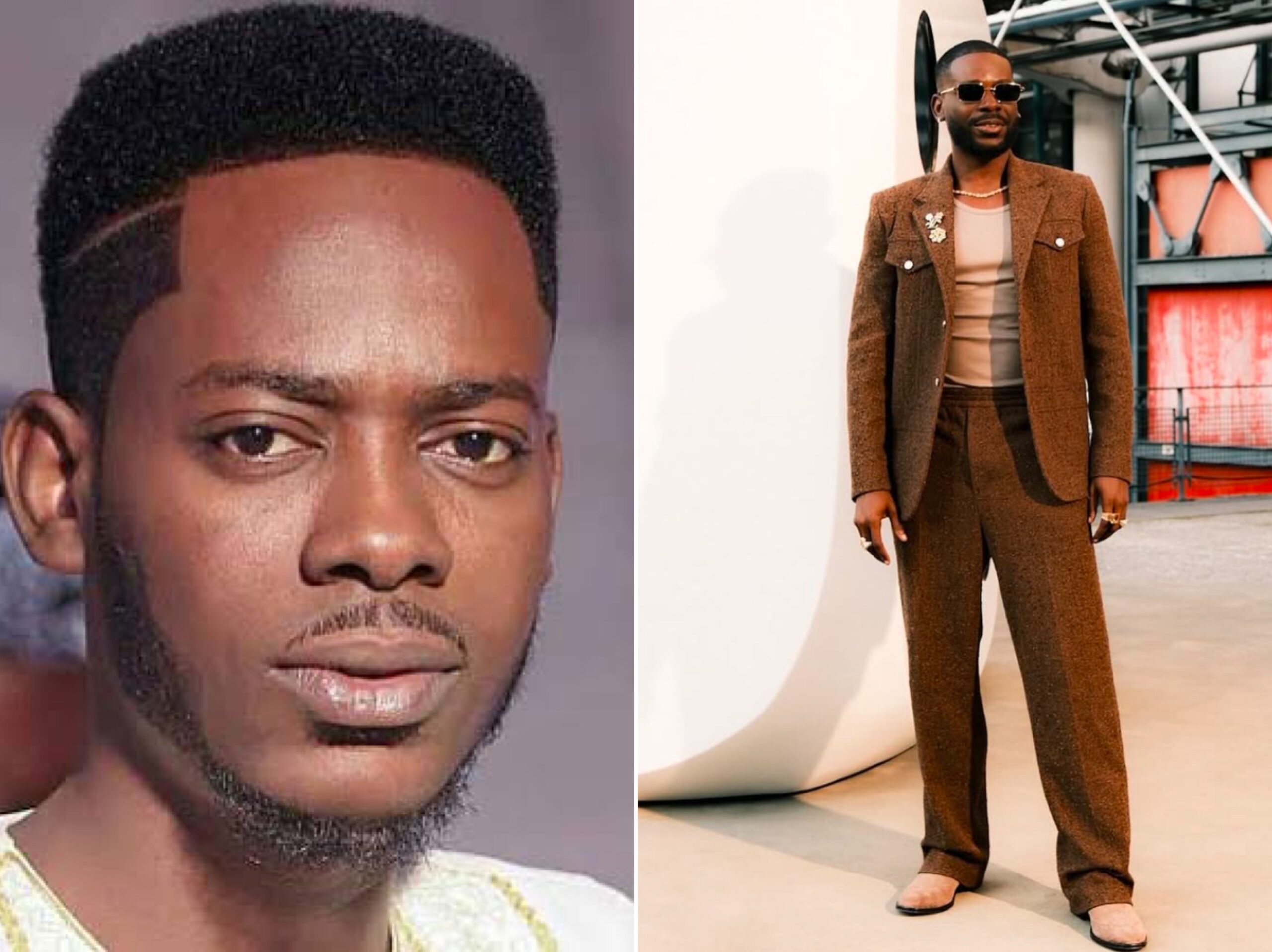
Even after years of success and transformation, Adekunle Gold remains candid about one truth… his battle with sickle cell disease isn’t over. In an October 2025 interview while speaking on the RealTalk podcast, the singer revealed that he still experiences occasional sickle cell crises.
“I still have crises once in a while, but not as bad as I had it when I was a child,” he admitted.
He recounted one of his earliest memories of childhood when one night while experiencing unbearable pain, his mother rushed him to the hospital on her back. Diagnosed before the age of seven, Adekunle has since lived with daily medication and strict health routines, including folic acid and vitamin B complex supplements.
According to him, his parents, both carriers of the sickle cell trait, unknowingly passed it on to him. He shared:
“Unfortunately for me, my parents are sickle cell and they brought me to the world. The first time I ever heard of sickle cell was I would fall sick every time with my joints paining me. So when we talk about crisis, it is pains on your joints, my legs and sometimes stomach. It’s really crazy.”
Though the frequency of his crises has reduced, he still faces bouts of joint and leg pain, sometimes accompanied by stomach aches.
The “Ogaranya” crooner credits his improved health to discipline, better self-care, and early awareness. He has also become a strong advocate for genotype testing and responsible relationships, urging young Nigerians to know their status before marriage. He continued:
“Where sickle cell is more popular or where people know it most is my country Nigeria. And it happens when an SS matches an SS. And that’s why knowing your genotype is very important because the point is you should not bring many more kids that have sickle cell.”
He expressed concerns that many Nigerians remain uninformed about sickle cell disease and urges health organisations to intensify awareness campaigns and education. He added:
“My vision is to make more noise about it because a lot of people don’t know about it, and the important organisations are not making so much moves regarding it.”
Adekunle also dismissed rumours about undergoing a bone marrow transplant, clarifying that his progress comes from consistent management, not miracle cures. His openness, he says, is not for pity but for awareness. For him, “health is wealth” is not a cliché, it’s rather a daily reality, that he hopes inspires others living with sickle cell disease to believe that survival is possible, and thriving is within reach.
From Pain to Stardom

Against the odds, Adekunle refused to let his diagnosis define him. He studied Arts and Design at Lagos State Polytechnic, taught himself graphic design, and chased music with fearless persistence.
His breakout single “Sade” in 2015 launched him into national fame, quickly followed by hits like “Orente”, “Pick Up”, and later “5 Star.” Beneath the cheerful melodies and soulful hooks, though, was an artist channelling resilience, while telling stories of endurance, gratitude, and grace.
By the time he revealed his health condition publicly, the world already knew him as a success story. What they didn’t know was the private battle behind that smile.
When Vulnerability Met Backlash

Adekunle’s confession was brave, but it wasn’t met with universal compassion. The internet which is often unforgiving, turned cruel. The singer shared in an interview:
“They called me names, mocked me. I was attacked and abused online for saying I live with sickle cell.”
It was a painful reminder of how deeply stigma still runs. In many Nigerian communities, people with SCD are seen as weak, cursed, or destined for early death. For years, the singer carried that silence alone. But the bullying didn’t silence him, it instead sparked a movement.
Building a Legacy Beyond Music
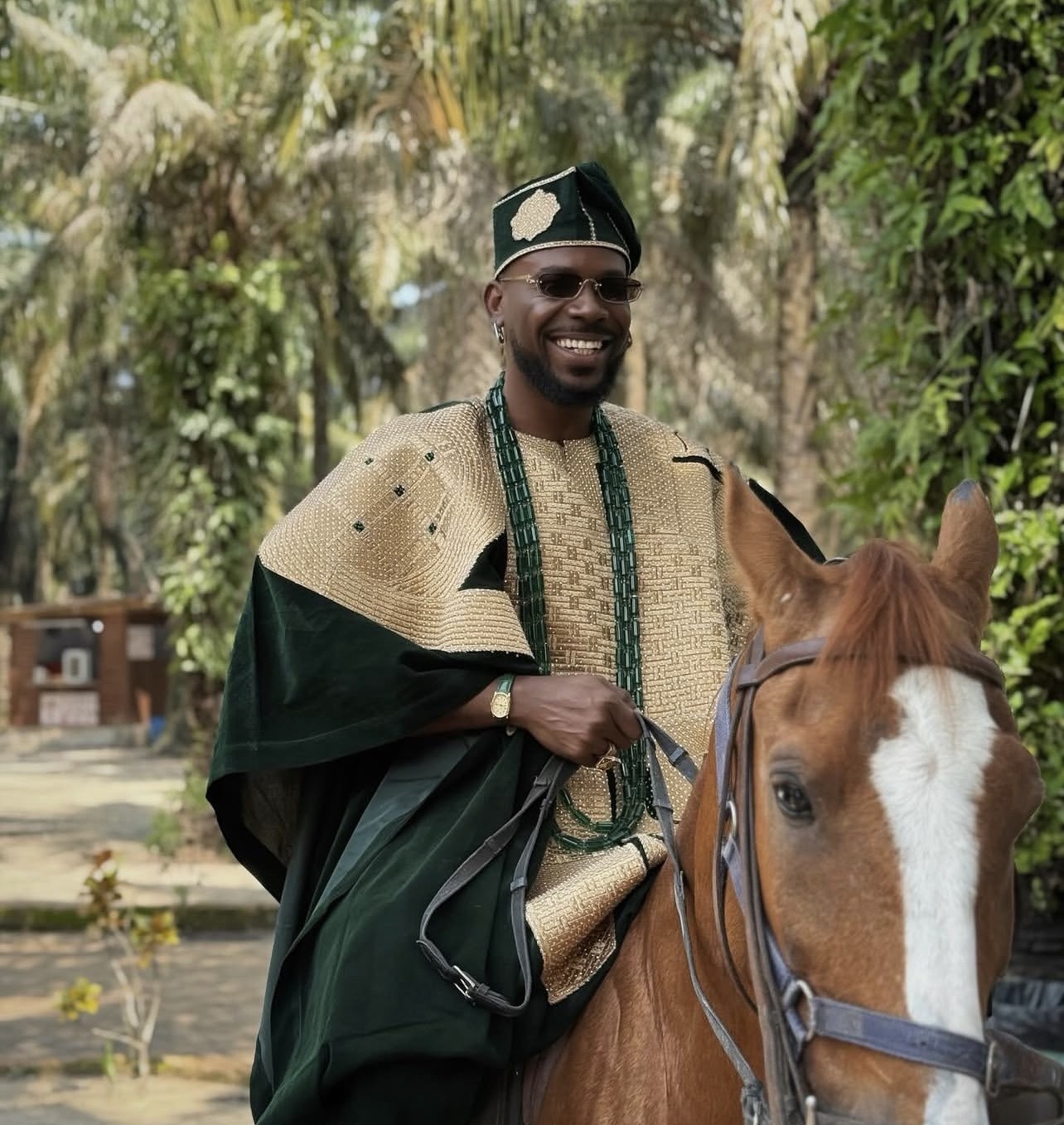
In 2024, Adekunle channelled his platform into tangible change. He founded the Adekunle Gold Foundation, a non-profit dedicated to raising awareness and supporting Nigerians living with sickle cell.
Through the foundation’s “5 Star Care” initiative, he partnered with health agencies to provide free health insurance for 1,000 sickle cell warriors in Lagos. He also began working with universities and advocacy groups, including a recent collaboration with New York University, aimed at destigmatizing SCD and encouraging early genotype testing.
“I want people with sickle cell to feel safe, to feel they have help and support,” he said at the programme’s launch.
Beyond charity, it seemed like a personal redemption. The boy once praying for his pain to end now spends his adult life ensuring others don’t feel alone in theirs.
Nigeria’s Unseen Crisis
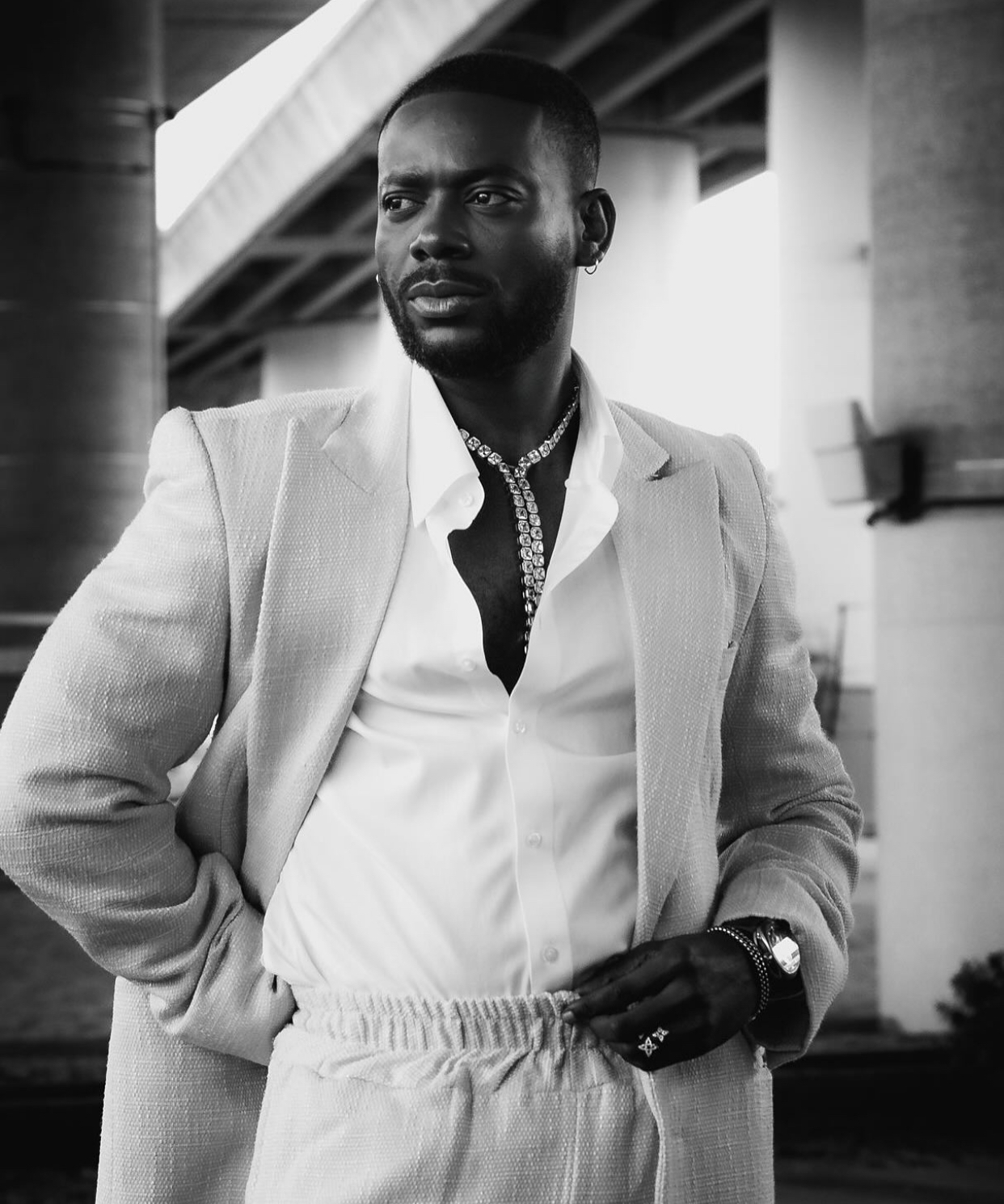
According to the World Health Organization, Nigeria records over 150,000 sickle cell births annually, which is the highest in the world. The condition remains one of the nation’s most neglected health issues, worsened by inadequate care and public misunderstanding.
For most patients, treatment involves lifelong medication like folic acid, hydration, and occasional transfusions. But access to care is scarce, and costs are high. Many die before adulthood and not because the disease is untreatable, but because society looks away.
Adekunle’s openness has changed that conversation. Each time he speaks publicly about his crises, the pain that still returns “once in a while,” and the need for consistency in medication, he chips away at the silence surrounding the illness.
The Music, the Message, the Movement
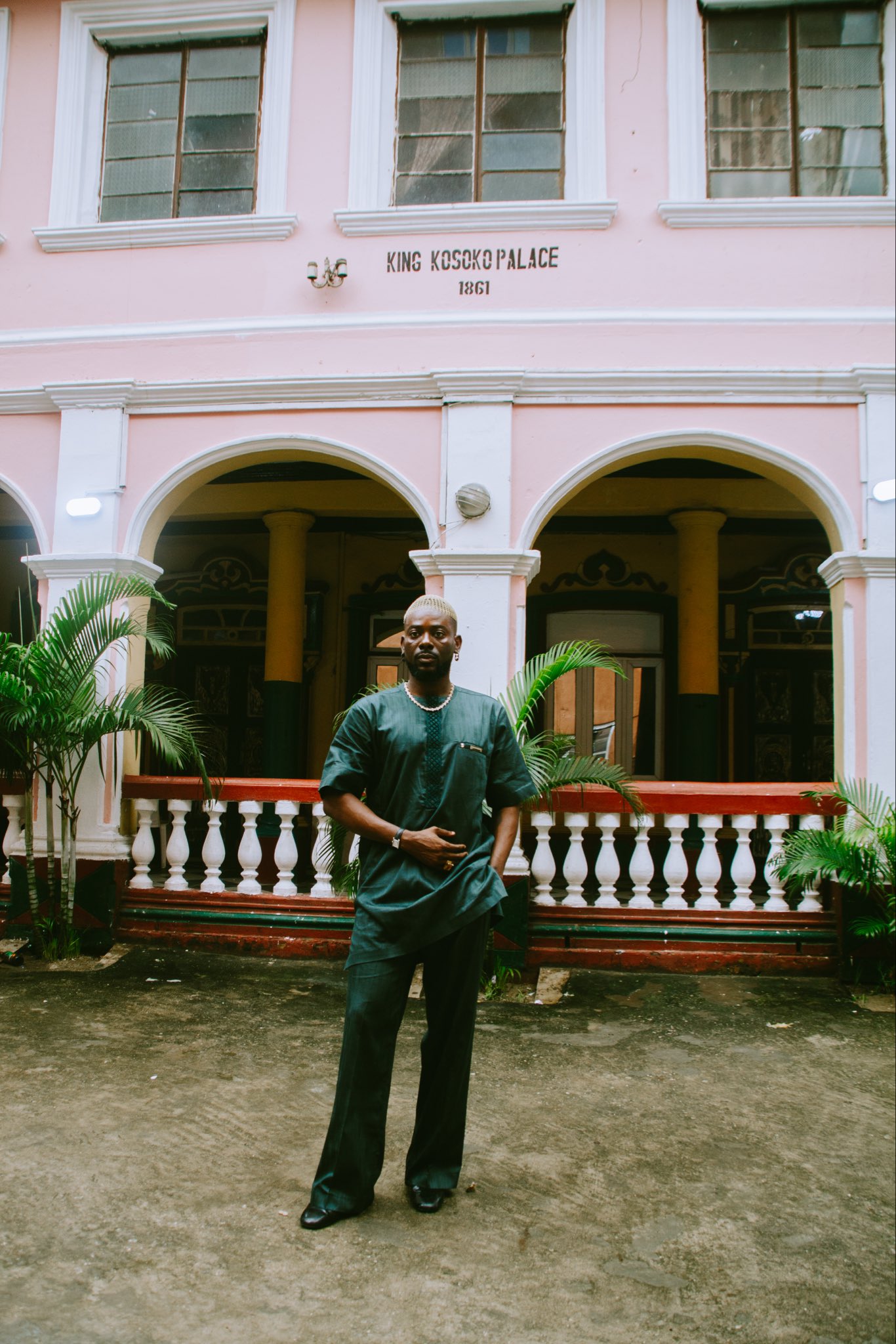
In songs like “5 Star”, Adekunle Gold subtly weaves his philosophy that joy and gratitude are rebellion. His career is proof that living with SCD doesn’t mean living without dreams.
The honesty in his lyrics resonates deeply with those who battle invisible struggles. He has become a symbol of what sickle cell warriors can achieve when society sees beyond their diagnosis.
Conclusion
Adekunle Gold’s journey from pain to purpose carries a message that is larger than fame. It screams health is wealth, but awareness is survival.
He reminds fans that early testing saves lives, empathy saves dignity, and access saves futures.
The singer who once sang about love and life now sings for the right to live well, without shame, and without fear.
And for millions who share his blood condition, Adekunle Gold is proof that being born with sickle cell doesn’t mean you can’t rise — it means when you do, you shine even brighter.
Discussion about this post