


But by the mid 2000s things began to change with the palpable seismic shift in the way Nigerians viewed and regarded the nation’s hip hop music
In the late 1990s and throughout the early and mid-2000s, foreign music, particularly hip-hop, rap, and blues from the United States, dominated Nigeria’s socio-cultural space and pop culture. The radio stations played hits from foreign Alist artists endlessly. The speakers in the club blared nothing but the upbeat tunes of American pop stars. The Disc jockey serenaded lively and ebullient guests at parties with nothing but popular hip-hop songs from artists from across thousands of miles away. To listen to what passed for hip-hop from artists in Nigeria at the time was to risk being labelled uncultured, unsophisticated, and unexposed.
But by the mid 2000s things began to change with the palpable seismic shift in the way Nigerians viewed and regarded the nation’s hip hop music. The indifference and scorn that characterised the majority of the citizens’ disposition towards anything Nigerian music started giving way to noticeable acceptance and respect for the craft of Nigerian artists who were burning the midnight candle to not just put the nation’s music industry on the global map but make it a force to be reckoned with. With the emergence of artists like D’Banj, P-Square, 2 face, 9ice, Olu Maintain, Banky W, Eldee, Faze and others, the foreign rap and hip hop songs that have dominated the Nigerian music industry for years started losing their appeal and songs released by the aforementioned Nigerian artists began taking their place.
With the incursion of this new generation of hip hop artists and their enjoyable, thrilling and hypnotic melodies into the psyche of average and ordinary Nigerians, a new genre was born; Afrobeats. By the late 2000s, Afrobeat had become the staple of music lovers in Nigeria, particularly the young, liberal, cosmopolitan and upwardly mobile youths who some years back will not be caught dead listening to Nigerian music. But with the explosion and success of afrobeat at home and to a great extent in Africa, the urge and desire to export this new genre of music to those outside the shores of Africa became irresistible. It was not long before we started seeing top Nigerian artists at the time featuring globally recognised artists like Snoop Dog, T-Pain, Wyclef, Akon and others.
By the late 2010s and early 2020s, as music streaming platforms replaced video compact discs and phones replaced CD players and television as media players, new age artists like Wizkid, Davido, Burna Boy, Rema and others took the game a notch higher. They are not just featuring these American artists but also getting signed by big and highly respected music labels in the country. But something began to change slowly. With the sight of these artists now firmly set on their foreign audience and the financial rewards it brings, a gradual erosion of what Afrobeats used to be about and the people catered to began to take place. The originality of the sound was sacrificed for the allure of Western validation and the coveted gold-plated music awards that accompany it. There is this unmistakable streak of an inferiority complex among many Nigerian musicians which was not too subtly displayed in how they craved and chased western validation at the expense of the local listeners who played a crucial role in catapulting them to stardom.
They feel an incursion into the Western music market is the ultimate accomplishment that would crown the spectacular success at home and on the African continent. But this is not always the case. These artists may have gained a lot financially and exposure-wise by tweaking their musical style and artistic disposition to appeal to and accommodate Western audiences but the truth is that something is always there to remind them that they have strayed from the glorious sounds and genuine personality that captured and endeared them to their once loyal and passionate supporters at home and on the African continent.
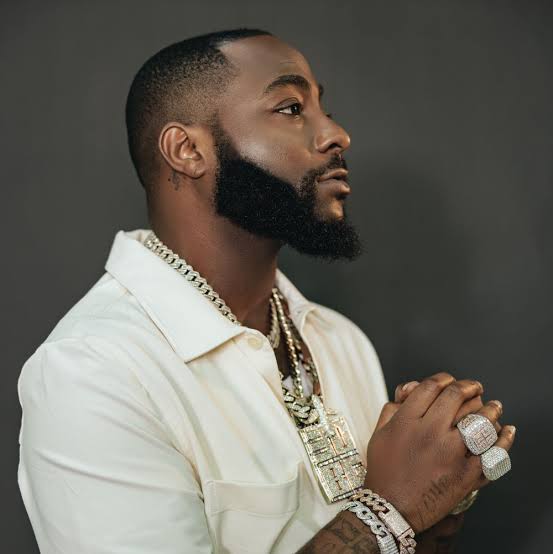
This sentiment was echoed by Afrobeats sensation and award-winning artist, David Adeleke, popularly known as Davido when he declared that he now wants to return to the infusion of real traditional African sound in his music and that western validation will no longer form the basis for the way he makes music. Speaking on the Official UK Afrobeats Chart Show with Eddie Kadi, Davido said he had achieved a lot in his career, performing across the world and receiving accolades, including back-to-back multiple Grammy nominations in the last three years. He stated that he is satisfied with his achievements, and now wants to return to his roots by making unapologetic African music as opposed to incorporating Western sounds to appeal to international audiences.
Davido said, “This part of my career, I have performed everywhere, sold out every arena, and I have been to three Grammys in the last three years. The music that is coming next is very Davido, it is very African. We have done it so I am not really looking to do western sounds.”
It is hard to tell what informed Davido’s newfound indifference to western validation and pandering to its audience but we cannot help but wonder what spurred him to ditch western themed style of afrobeat for what he would want us to believe is authentic unadulterated African sound. Could it be that he no longer fancies the glitz and glamour of the cutthroat music industry of the West and that the trade-offs of compromising real African sound to capture the musical yearnings of Western audiences are not really worth it? Or is it just a strategy to bring fresh, captivating but authentic undiluted African sound to the fore after fully exploring and ripping the benefit of whatever western-themed afrobeat songs he had churned out in recent years has to offer.
Whatever the case may be, it is refreshing and heartwarming to see that he is weaning himself of Western influence and reverting to what many believe is his root. One can only hope that more Nigerian afrobeat artists start toeing the same line and jettison the obsequious fawning over anything and everything West.
Discussion about this post