


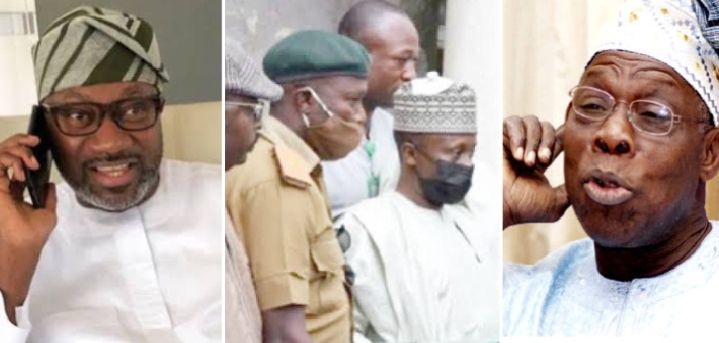

The stillness of Abuja at two in the morning carries its own kind of weight. A city usually humming with the back-and-forth of convoys, the scramble of aides, and the quiet power struggles of the capital is, at that hour, hushed. In Ikoyi, Lagos, another kind of silence lingers—restless, fragile. Then a phone rings. It is not just any call. It is the voice of a former Nigerian president, seething with anger, a father-figure to some, a feared disciplinarian to most.
“You’re a stupid boy! God will punish you! You persuaded me to deregulate diesel—and now there’s none in the country!”
The words hit harder than any market shock or shareholder crisis. The man on the receiving end, Femi Otedola, one of Nigeria’s rising billionaires, sat stunned.
He had known Obasanjo’s temperament; he had even courted it when lobbying for diesel deregulation. But to hear rage mixed with divine curses at such an hour was no ordinary confrontation. It was a verdict. And unless he could respond decisively, it could ruin him.
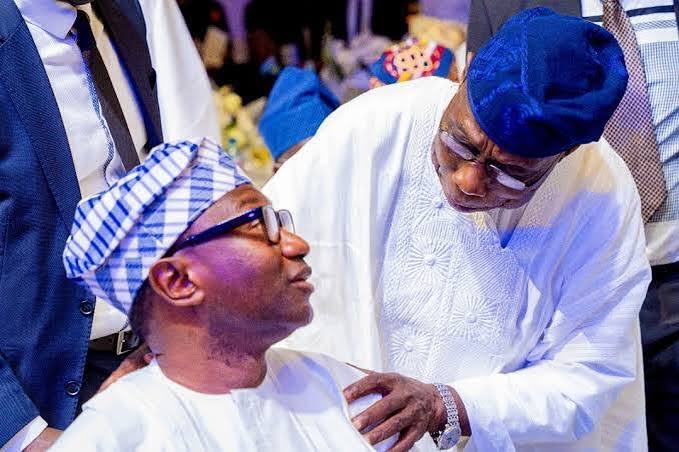
What neither man knew then was that this call—born of rumor, sabotage, and mistrust—would ripple outward, changing not just Otedola’s path but the fate of a powerful Nigerian lawmaker years later. The midnight call became the axis of a much larger story: one of politics, fuel, corruption, and the price of standing your ground.
The Siege of Subsidy
For decades, Nigeria’s fuel market was an elaborate theater of power. Subsidies were both lifeline and curse—keeping fuel prices artificially low while feeding a network of patronage that enriched insiders. The Nigerian National Petroleum Corporation (NNPC) was the fortress at the center, controlling licenses, imports, and, most importantly, scarcity.
Scarcity in Nigeria is never accidental. It is designed, orchestrated, and monetized. In the early 2000s, diesel was no different. Industries, from cement factories to banks running generators, depended on it. Whoever controlled diesel controlled the veins of the economy.
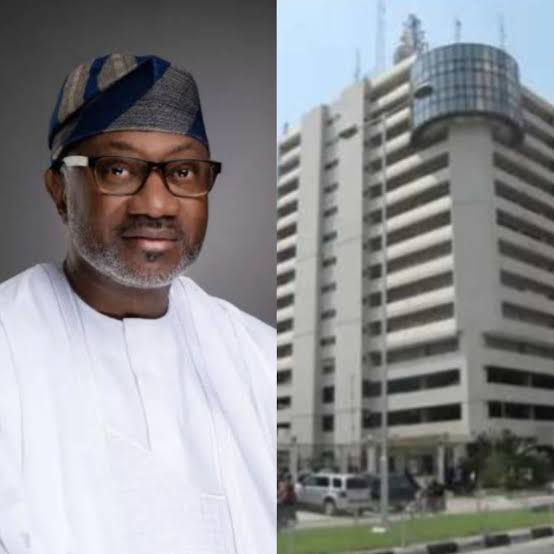
Enter Zenon Petroleum and Gas Limited, founded by Femi Otedola in 2003. With a fleet of vessels and storage depots, Zenon positioned itself to dominate the newly liberalized market. In a matter of months, it became the preferred supplier to blue-chip companies—Dangote, Guinness, Nestlé, Coca-Cola, MTN. The deregulation of diesel in 2004, encouraged by Otedola’s lobbying, looked like a triumph for both the government and business.
But victories in Nigeria’s oil economy rarely last. The deregulation dislodged entrenched interests who thrived on opacity. The oil cabal within and around NNPC was not ready to let go. If they could not control the new diesel market, they could sabotage it.
Whispers of Scarcity
The strategy was simple: whisper campaigns and planted stories. Rumors circulated that diesel had vanished from circulation. Factory managers complained of dry tanks. Newspaper headlines hinted at chaos.
The truth? Otedola’s Zenon had six cargoes sitting offshore, fully paid for, waiting to discharge. But delay tactics—port bottlenecks, bureaucracy, and a stream of misinformation—created the illusion of scarcity. For Obasanjo, a leader deeply concerned with optics and allergic to being embarrassed, this was intolerable.
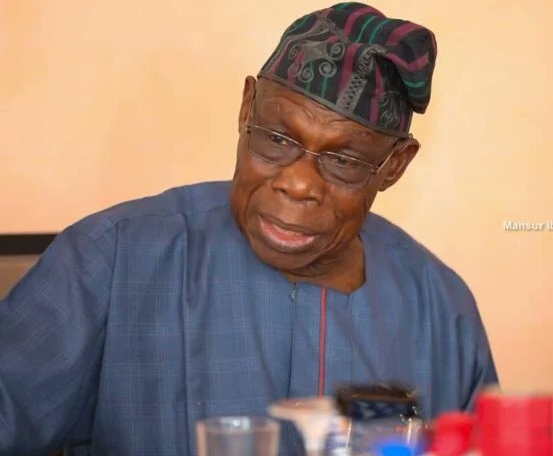
Which brings us back to that 2 a.m. call. For Obasanjo, the “stupid boy” who had persuaded him to deregulate diesel now looked like the architect of a national crisis.
The Midnight Reckoning
Otedola’s recollection of the call is seared into his memoir, Making It Big: Lessons from a Life in Business. The rage on the line was more than personal—it was political theater condensed into raw speech. Yet Otedola did not fold.
By dawn, he was on a flight to Abuja. He arrived armed with evidence: documents, letters of credit, and the knowledge that six vessels waited at sea. In Obasanjo’s office, he laid out the facts. “Baba, they’re lying. I have six ships fully loaded. Diesel is here. They are trying to sabotage deregulation.”
Obasanjo, mercurial as always, studied him. He may have cursed in the night, but by day he listened. And then came Otedola’s boldest move: he proposed publishing front-page advertisements in all major newspapers, listing the price of diesel and locations where it was available. Transparency, in a market addicted to shadows.
The adverts ran. Panic softened. The whispers lost their bite. Otedola had not just defended himself—he had redefined the rules of engagement.
The Rise and Mask of Farouk Lawan

While Otedola battled diesel demons, another story brewed in Abuja. Farouk Lawan, a diminutive but fiery lawmaker from Kano, had built a reputation as “Mr. Integrity.” In a legislature marred by scandals, Lawan styled himself as incorruptible. He chaired committees, exposed fraud, and spoke with the moral authority that made headlines.
By 2012, Lawan had become chair of the House of Representatives committee probing the fuel subsidy regime. It was one of the most high-profile investigations of the decade. Billions of dollars were unaccounted for, and Nigerians wanted answers.
But behind the performance of integrity, shadows lurked. When Zenon Petroleum appeared in the committee’s list of alleged subsidy offenders, Otedola knew he was being pulled into another kind of storm.
The Sting
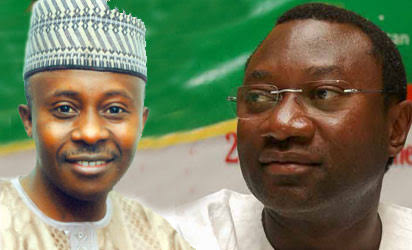
According to Otedola’s account, Lawan allegedly approached him with a demand: pay a bribe, and Zenon’s name would disappear from the list. Otedola refused—but not silently. He alerted the State Security Service (SSS). What followed was a sting operation that would become one of Nigeria’s most talked-about political dramas.
Hidden cameras recorded Lawan allegedly accepting $500,000 in cash from Otedola, with promises of more. For a man branded “Mr. Integrity,” the footage was devastating. The very lawmaker probing subsidy corruption was caught in its snare.
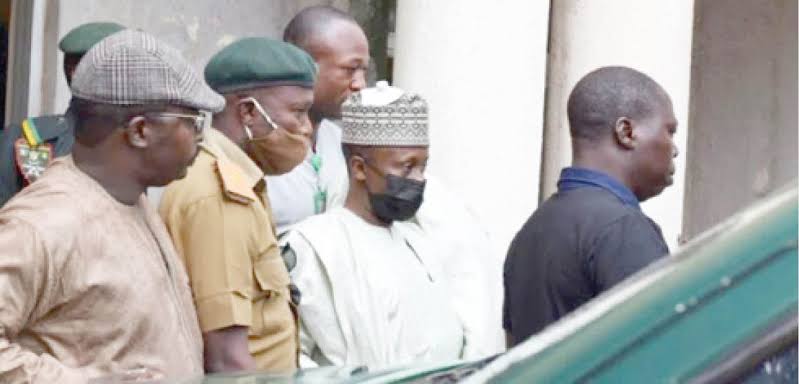
Years of legal battles followed. In 2021, Lawan was sentenced to seven years in prison, later reduced to five on appeal. In January 2024, the Supreme Court affirmed his conviction. By October 2024, he was released, a fallen star whose legacy was forever stained.
Threads of Midnight and Daylight
What links a 2 a.m. call with Obasanjo in 2004 and a bribery sting in 2012? At first glance, little. One was about diesel scarcity, the other about subsidy probes. But beneath both is the same principle: Otedola refusing to bow to manufactured narratives.
In one, he faced down a president’s fury with evidence and bold transparency. In the other, he exposed a lawmaker’s duplicity by cooperating with security agencies. In both, he risked isolation, ridicule, and even personal safety. Yet the consistency is striking—truth at midnight, truth in daylight.
The fate of Farouk Lawan cannot be separated from Otedola’s decision to resist. Without that resistance, Lawan may have continued untarnished, his “Mr. Integrity” mask intact. The midnight call became a rehearsal for a bigger battle—the courage to confront entrenched power, whether in Aso Rock or in the National Assembly.
Obasanjo, Otedola, and the Politics of Power
Obasanjo’s role in this drama is equally revealing. The former president’s outburst was not just personal frustration—it reflected the larger tension of Nigerian governance, where reform often collides with vested interests. Deregulation was his flagship policy, but it was vulnerable to sabotage.
By trusting Otedola after confrontation, Obasanjo signaled something rare: that business leaders who could stand their ground were valuable allies. It set the stage for Otedola’s later prominence not just as a businessman but as a political actor of sorts—a man whose choices could end careers.
Lessons From the Call
1. Scarcity as a Weapon: In Nigeria, fuel is not just an economic product—it is a political tool. Whispers of shortage can destabilize governments.
2. Transparency as Resistance: By publishing prices and availability, Otedola demonstrated that sunlight can neutralize rumor.
3. Courage Costs, but Silence Costs More: Had Otedola yielded to Lawan’s alleged demand, he might have avoided scandal temporarily but lost his credibility forever.
4. Midnight Matters: The timing of Obasanjo’s call underscores how crises strike in silence. Power does not keep office hours.
Legacy and Aftermath
Today, Femi Otedola is more than the “Diesel King.” He is a diversified billionaire—banking, energy, shipping, philanthropy.

His memoir, endorsed by Dangote, Ngozi Okonjo-Iweala, and Akinwumi Adesina, promises to reveal more of these behind-the-scenes battles.
Farouk Lawan, once the face of legislative integrity, is now a cautionary tale. His fall demonstrates how quickly reputations collapse when tested against money and exposure.
Obasanjo, ever the enigmatic general, remains a towering figure whose interventions—whether by policy or midnight phone calls—continue to echo.
Conclusion — The Echo at 2 a.m.
History often remembers speeches at podiums, decrees signed at desks, or battles fought in daylight. But sometimes, it is the unguarded moment, the late-night call, the trembling voice across a line, that decides more.
For Otedola, the 2 a.m. call was a crucible. For Obasanjo, it was a test of trust. For Farouk Lawan, its ripple would end a career.
Nigeria’s politics is full of shadows, but every so often, a midnight truth cuts through—raw, unfiltered, and irreversible.
Discussion about this post