


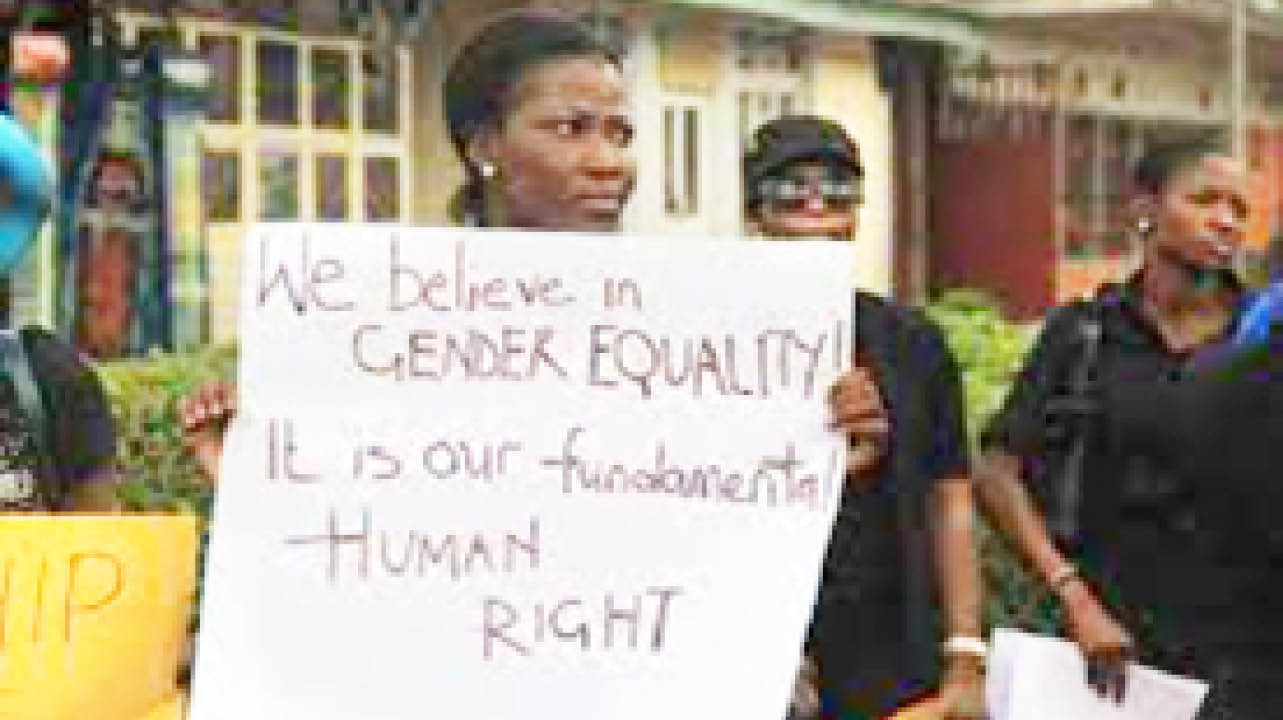

Over the last two decades, gender activism in Nigeria has evolved from small community-driven initiatives to nationwide movements shaping public discourse.
Early campaigns focused largely on addressing educational inequalities for girls, highlighting disparities in access to schools and learning materials.
By the mid-2000s, advocacy had expanded to include issues of workplace representation, with organisations tracking female participation in leadership roles across sectors.
Social media emerged as a critical platform for activists, providing an avenue to amplify voices and document cases of gender-based discrimination.
Online campaigns drew attention to legal reforms, prompting discussions around policies aimed at protecting women’s rights and promoting equality.
Public debates began reflecting the concerns raised by activists, with radio and television programmes increasingly covering topics on domestic violence and gender stereotypes.
Legislative efforts to enforce gender parity in political appointments became more visible, influenced by the sustained pressure from advocacy groups.
Cultural campaigns also gained prominence, challenging traditional norms that limited women’s participation in decision-making processes at the community level.
International partnerships provided further momentum, connecting Nigerian activists with global networks and offering platforms to exchange strategies.
By the 2010s, gender activism had broadened to include issues affecting men and boys, such as mental health and paternal responsibilities, fostering more inclusive conversations.
Schools and universities began incorporating gender studies into their curricula, reflecting a growing recognition of the subject’s societal importance.
Grassroots movements continued to document cases of harassment and discrimination, feeding reports that shaped public policy discussions.
Annual events marking gender awareness days became more prominent, featuring public lectures, workshops, and exhibitions to raise societal consciousness.
Media outlets started to establish dedicated sections for gender issues, highlighting progress and persistent challenges alike.
Campaigns against sexual harassment in workplaces and educational institutions gained traction, resulting in stricter enforcement of codes of conduct.
Social research also began to measure the impact of activism, producing data that informed policy decisions and legislative debates.
Young activists increasingly took leadership roles, leveraging digital platforms to organise protests, petitions, and educational programmes.
Public figures and institutions gradually adapted their messaging to reflect the narratives promoted by gender advocacy groups.
Policy discussions on economic inclusion, access to healthcare, and reproductive rights began to incorporate insights from activist-led research.
By the late 2010s, gender activism had shaped not just conversations but also governmental priorities, ensuring representation and protection in key sectors.
Media campaigns highlighting inequalities in rural areas encouraged national dialogue on bridging the urban-rural gender gap.
Social commentary and artistic expressions, including literature and theatre, became important tools for raising awareness and promoting change.
Gender-focused non-governmental organisations expanded their reach, offering legal aid, counselling, and capacity-building initiatives for vulnerable groups.
Public discourse increasingly acknowledged the intersectionality of gender, class, ethnicity, and religion, reflecting a more nuanced understanding of social dynamics.
By the early 2020s, gender activism had become a recognised influence in policymaking, with ministries and regulatory agencies considering activist input in programme design.
National surveys began reflecting shifts in societal attitudes, showing growing support for equal participation and protection under the law.
Workplace initiatives introduced mentorship programmes aimed at promoting female leadership and reducing systemic barriers.
Conversations on gender also extended into the digital economy, with campaigns highlighting the underrepresentation of women in technology and innovation.
Activists continued to hold government agencies accountable, advocating for transparency in the implementation of gender-related policies.
Community dialogues and town hall meetings provided spaces for citizens to discuss gender-related challenges and propose practical solutions.
Public awareness campaigns focused on debunking harmful stereotypes, emphasising shared responsibilities in family and society.
Educational scholarships and skill-development programmes targeted at women and girls reinforced the long-term goals of activism.
The narrative around gender issues gradually moved from being solely about inequality to encompassing empowerment, rights, and opportunity.
By mid-2020s, gender activism in Nigeria had embedded itself into mainstream discussions, influencing legislation, media, and societal norms alike.
Discussion about this post