


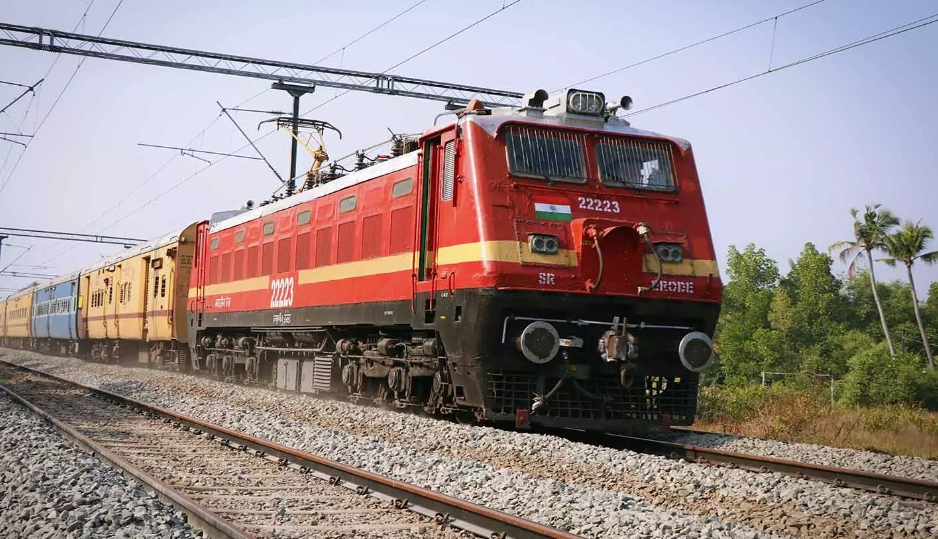

Rail transport, once a proud symbol of national progress, continues to face difficulties despite heavy investment in modern lines.
In recent years, the government has launched new routes connecting major cities such as Lagos, Abuja, and Kaduna.
These developments have brought hope for cheaper, safer, and more efficient travel across long distances.
Yet, recurring derailments and operational delays have cast a shadow over the country’s rail revival.
Many trains still run on ageing tracks, while vandalism and poor maintenance add to the risks of accidents.
Each derailment not only causes injury and loss but also undermines public confidence in the system.
Transport analysts link the persistent failures to weak technical oversight and insufficient funding for routine repairs.
Passengers, who often prefer trains for affordability, are sometimes left stranded or forced to seek alternative transport.
Despite the setbacks, the federal government insists that rail modernisation remains a national priority.
Plans have been announced to expand network coverage, upgrade infrastructure, and introduce better monitoring technology.
If implemented effectively, these steps could restore the railway’s reputation as a dependable mode of transport.
For a country seeking industrial growth and economic integration, the success of its railway system remains a crucial test of progress.
Discussion about this post